Where it forms, where it's found
- Type locality
- Ikuno Mine
- Ikuno-cho-ono
- Asago City
- Hyogo Prefecture
- Japan
35.1667°, 134.8250°
58recorded occurrences
Physical
Optical
- Optical colour
- White with faintly creamy tint
- Anisotropism
- Neary isotropic in basal section. Moderate in diagona; section, pale gray to gray.
- Tropism
- Anisotropic
- Reflectance R%
- (46.7,48.4) 400, (46.5,48.4) 440, (46.2,48.5) 480, (46.1,48.5) 520, (46.0,48.5) 560, (45.8,48.7) 600, (45.7,48.8) 640, (45.3,48.6) 680, (45.0,48.4) 700
Reflected-light panel
R̄ 45.9 %anisotropic · dual curve
Specimen
White reference
R₁ R₂
Mode
Crystallography
- Space group
- R-3m
- Cell parameters
- a = 4.15 Å · c = 39.19 Å
- Z
- 3
- Type-locality form
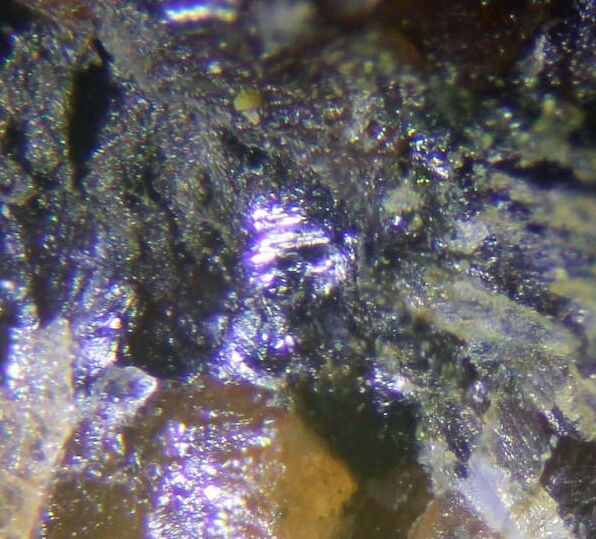
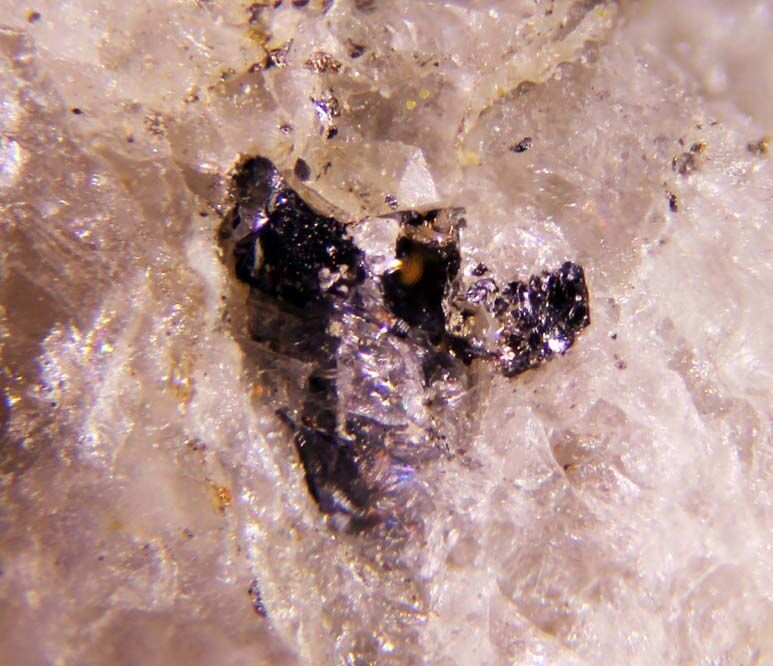
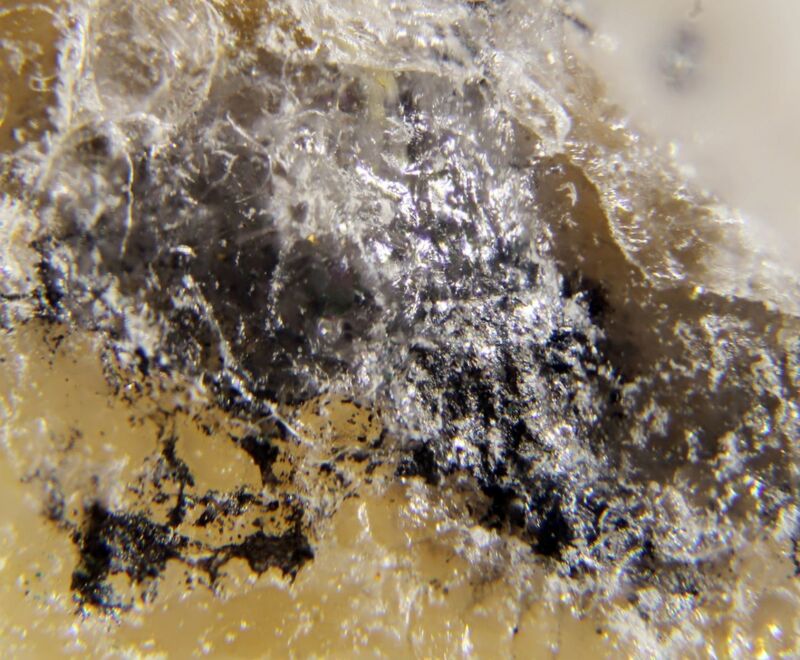
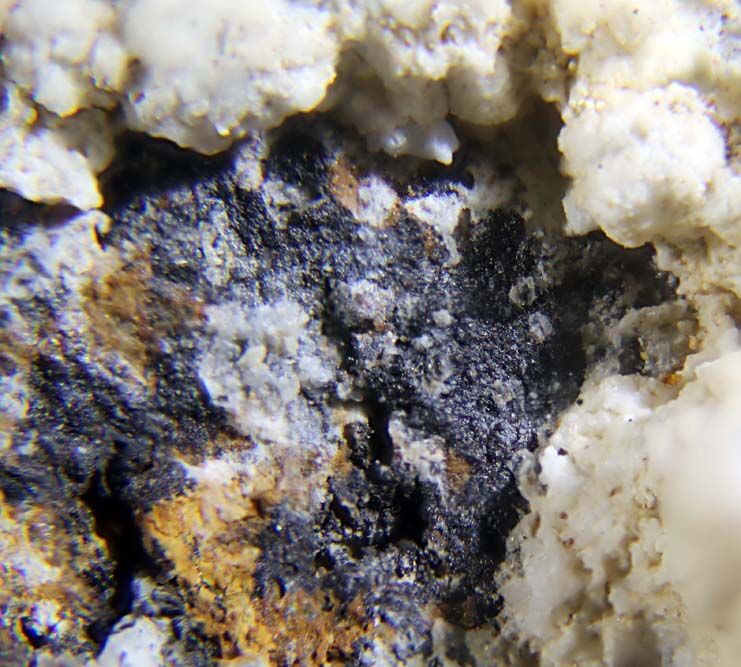
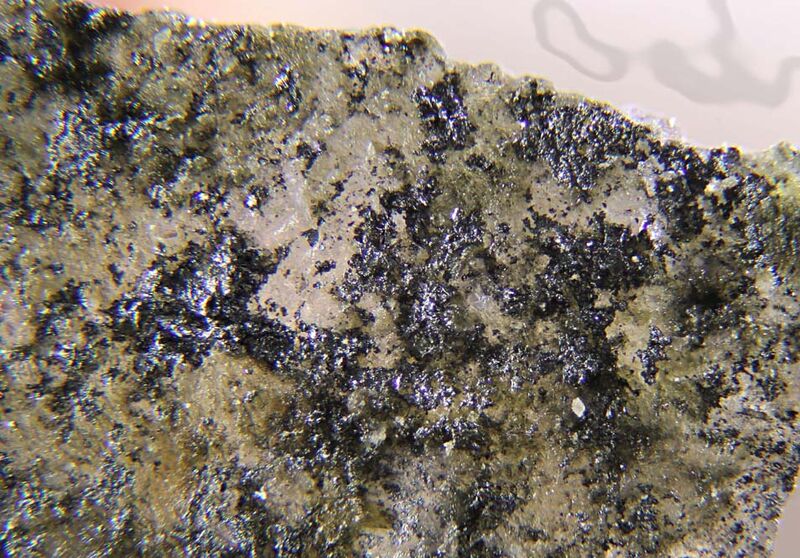
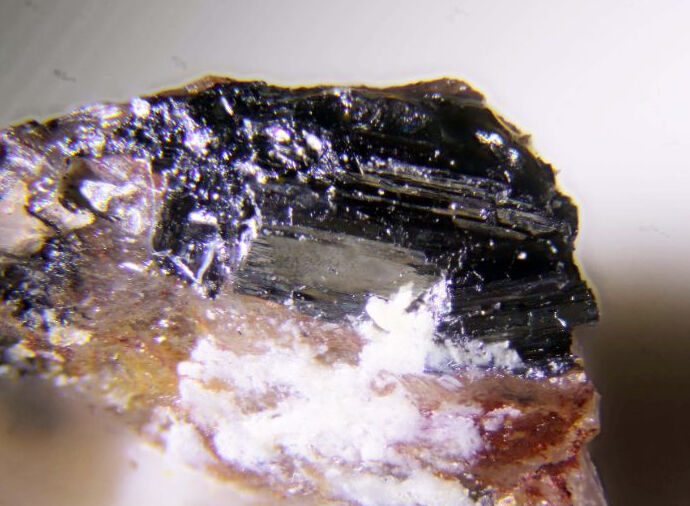
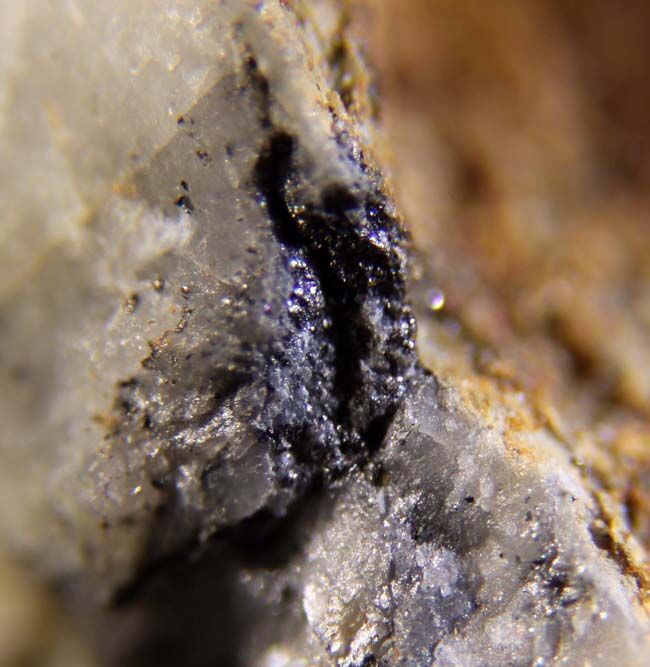
Fringes native bismuth and bismuthinite. Also forms platy masses with indefinite outline, to a few millimeters in diameter.
Crystal structure
Chemical composition
Synonyms
- Ikunoliet
In other languages
- German
- Ikunolith
- Italian
- Ikunolite
- Japanese
- 生野鉱
Classification
Strunz
10th ed.2.DC.05
- 2Sulfides and SulfosaltsClass
- 2.DMetal Sulfides, M: S = 3 :4 and 2:3Division
- 2.DCVariable M:SGroup
- 2.DC.05IkunoliteSpecies
Dana
8th ed.02.06.02.03
- 02SulfidesClass
- 02.06AmBnXp, with (m+n):p = 4:3Type
- 02.06.02Joseite Group (Trigonal: R-3m)Group
- 02.06.02.03IkunoliteSpecies
CIM
—3.7.21
- 3Sulphides, Selenides, Tellurides, Arsenides and Bismuthides (except the arsenides, antimonides and bismuthides of Cu, Ag and Au, which are included in Section 1)Class
- 3.7Sulphides etc. of V, As, Sb and BiGroup
- 3.7.21IkunoliteSpecies
Group, growth & confusion
Literature, links & citation
Citations
- 1959Kato, A. (1959) Ikunolite, a new bismuth mineral from the Ikuno mine, Japan. Mineralogical Journal: 2: 397-407.
- 1960Fleischer, M. (1960) New mineral names. American Mineralogist, 45 (3-4). 476-480
- 1962Markham, N. L. (1962) Mineralogical Notes: Plumbian ikunolite from Kingsgate, New South Wales. American Mineralogist, 47 (11-12) 1431-1433
- 1962(1962) International Mineralogical Association: Commission on New Minerals and Mineral Names. Mineralogical Magazine and Journal of the Mineralogical Society, 33 (258) 260-263 doi:10.1180/minmag.1962.033.258.09 DOI: 10.1180/minmag.1962.033.258.09
- 1978Nechelyustov, G.N., Stepanov, V.I. Shumkova, N.G., Khalezova, Y.B. (1978) Ikunolite, Bi4Se3, from the Kara-Obo tungsten deposit, central Kazakhstan; the first discovery in the USSR. Novye Dannye o Mineralah SSSR: 26: 105-111.
Cite this entry
Entry last updated
@misc{mineral2025,
  author    = {Mineral Index editorial board},
  title     = {Ikunolite — Mineral Index},
  year      = {2025},
  url       = {https://mineralindex.org/minerals/ikunolite-2008}
}