Where it forms, where it's found
- Type locality
- B & B deposit (Dundee)
- Big Creek Mining District
- Valley County
- Idaho
- USA
45.0621°, -115.4132°
11recorded occurrences
Safety & handling
Physical
- Hardness
- 1Talc
- 2Gypsum
- 3Calcite
- 4Fluorite
- 5Apatite
- 6Orthoclase
- 7Quartz
- 8Topaz
- 9Corundum
- 10Diamond
- Transparency
- Opaque
- Colour
- Black
- Cleavage
- Imperfect/Fair
Rare
- Density
- 4.83 g/cm³
Optical
- Pleochroism
- Visible
Distinct in air, very slightly brownish gray to slightly lavender gray. Conspicuous in oil,light brownish gray (almost yellow) to purplish gray.
- Optical colour
- Gray in air, darker in oil
- Anisotropism
- Distinct in air, strong in oil
- Bireflectance
- Decreases with increasing wavelength. Nearly absent at 650 nm.
- Internal reflections
- Air: strong, lavender, pink, reddish orange, dark red; Oil: strong, red-orange; not visible in all grains
- Tropism
- Anisotropic
- Reflectance R%
- (20.1,24.4) 470, (17.1,18.3) 546, (16.5,17.7) 589, (17.9,17.9) 650
Reflected-light panel
R̄ 17.9 %anisotropic · dual curve
Specimen
White reference
R₁ R₂
Mode
Crystallography
- Cell parameters
- a = 8.71 Å · c = 24.74 Å
- Z
- 24
- Twinning
Knee-shaped twins resembling those of rutile are common; other simple twins and some lamellar twins are present.
- Parting
- Rare
- Type-locality form
Stubby tetragonal prisms, dipyramids, and irregular grains.
- Comment
Point Group: 4/m or 4/m 2/m 2/m.; Space Group: P4/n, P42/n, P4/nbm, P4/nmm, P42/nnm, or P42/ncm; Z = 24 − 32(?)
Chemical composition
Synonyms
- IMA1972-017
- Polhemusiet
In other languages
- German
- IMA 1972-017 · Polhemusit
- Italian
- Polhemusite
Classification
Strunz
10th ed.2.CB.05c
- 2Sulfides and SulfosaltsClass
- 2.CMetal Sulfides, M: S = 1: 1 (and similar)Division
- 2.CBWith Zn, Fe, Cu, Ag, etc.Group
- 2.CB.05cPolhemusiteSpecies
Dana
8th ed.02.08.03.01
- 02SulfidesClass
- 02.08AmXp, with m:p = 1:1Type
- 02.08.03— unnamed intermediate level —Group
- 02.08.03.01PolhemusiteSpecies
CIM
—3.5.10
- 3Sulphides, Selenides, Tellurides, Arsenides and Bismuthides (except the arsenides, antimonides and bismuthides of Cu, Ag and Au, which are included in Section 1)Class
- 3.5Sulphides etc. of Hg and TlGroup
- 3.5.10PolhemusiteSpecies
Group, growth & confusion
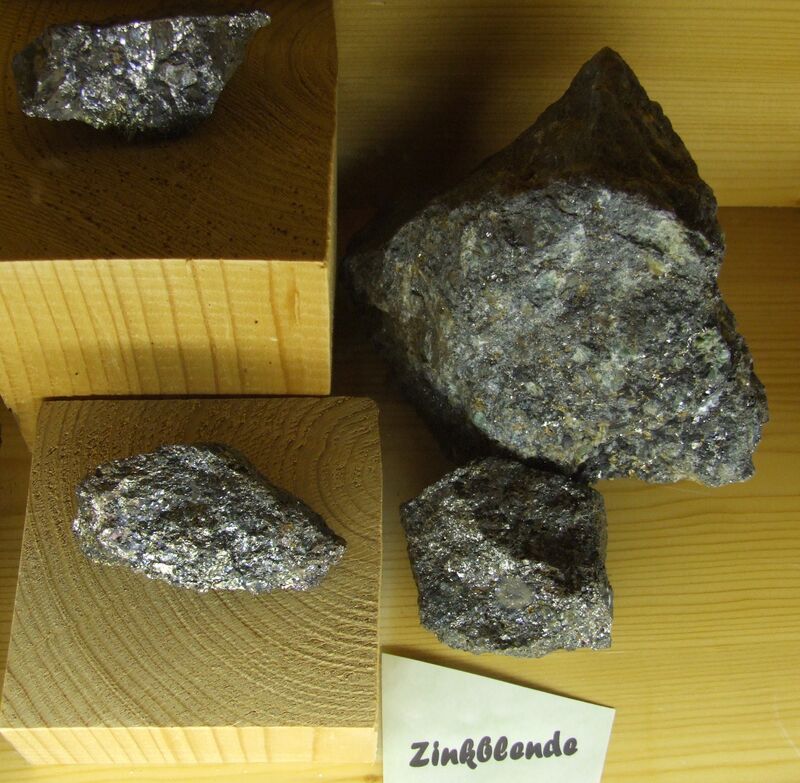
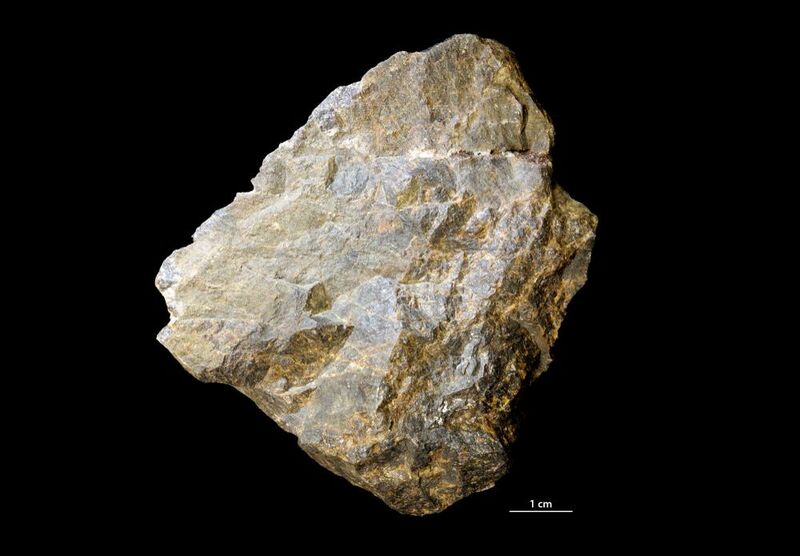
Literature, links & citation
Citations
- 1960Wachtel, A. (1960) (Zn,Hg)S and (Zn,Cd,Hg)S Electroluminescent Phosphors. Journal of the Electrochemical Society, 107. 682pp. doi:10.1149/1.2427808DOI: 10.1149/1.2427808
- 1978Leonard, B. F., Desborough, George A., Mead, Cynthia W. (1978) Polhemusite, a new Hg-Zn sulfide from Idaho. American Mineralogist, 63 (11-12) 1153-1161
- 1984Dumas, J.P., Bougarfa, L., Bensaid, J. (1984) Changements de phases durant l'électrolyse des systèmes Hg-Tl, Hg-Sn, Hg-Pb et Hg-Zn. Journal de Physique, 45. 1543-1548 doi:10.1051/jphys:019840045090154300DOI: 10.1051/jphys:019840045090154300
- 1998Hansen, S.C. (1998) Thermodynamic assessment of binary Zn-Hg, Cd-Hg, and In-Hg amalgams. Calphad, 22 (3). 359-373 doi:10.1016/s0364-5916(98)00036-4DOI: 10.1016/s0364-5916(98)00036-4
- 2002Okamoto, H. (2002) Hg-Zn (Mercury-Zinc). Journal of Phase Equilibria, 23 (2). 196 doi:10.1361/1054971023604008DOI: 10.1361/1054971023604008
Cite this entry
Entry last updated
@misc{mineral2026,
  author    = {Mineral Index editorial board},
  title     = {Polhemusite — Mineral Index},
  year      = {2026},
  url       = {https://mineralindex.org/minerals/polhemusite-3253}
}