Where it forms, where it's found
- Type locality
- Takovo
- Gornji Milanovac
- Moravica District
- Central Serbia
- Serbia
44.0560°, 20.3970°
21recorded occurrences
Physical
- Hardness
- 1Talc
- 2Gypsum
- 3Calcite
- 4Fluorite
- 5Apatite
- 6Orthoclase
- 7Quartz
- 8Topaz
- 9Corundum
- 10Diamond
- Transparency
- Translucent
- Colour
- Yellowish-green · bluish-green
- Density
- 2.80 g/cm³
Optical
- Optical type
- Uniaxial (-)
- Refractive index
- 1.594 – 1.605
- Surface relief
- Moderate
- Principal indices
- nω 1.602 – 1.605 · nε 1.594 – 1.598
Δ = 0Δmax
PPLpleochroism per grain
XPLindependent extinctions · rotate the stage
PPLpleochroism only · colour blends on rotation
XPLinterference colour · extinct every 90°
Retardation75 nm
Order1st order
XPL colour
Crystallography
- Space group
- #99
- Cell parameters
- a = 3.0290(2) Å · c = 22.5995(15) Å
- Morphology
Microcrystalline, platy, to 1 µm; very rarely as very small six-sided platey crystals; commonly in veinlets and massive.
Crystal structure
Chemical composition
Synonyms
- Eardleyit
- Eardleyita
- Eardleyite
- Eardlyit
- Eardlyita
- Takoviet
In other languages
- German
- Takovit
- Italian
- Takovite
Classification
Strunz
10th ed.5.DA.50
- 5CarbonatesClass
- 5.DCarbonates with additional anions, with H2ODivision
- 5.DAWith medium-sized cationsGroup
- 5.DA.50TakoviteSpecies
Dana
8th ed.16b.06.03.02
- 16bHydrated Carbonates Containing Hydroxyl or HalogenClass
- 16b.06AmBn(XO3)pZq
xH2O & with (m+n):p = 8:1 Type - 16b.06.03Sjorgrenite-Hydrotalcite Group (Hydrotalcite Subgroup:Rhombohedral)Group
- 16b.06.03.02TakoviteSpecies
CIM
—7.22.5
- 7Oxides and HydroxidesClass
- 7.22Oxides of NiGroup
- 7.22.5TakoviteSpecies
Group, growth & confusion
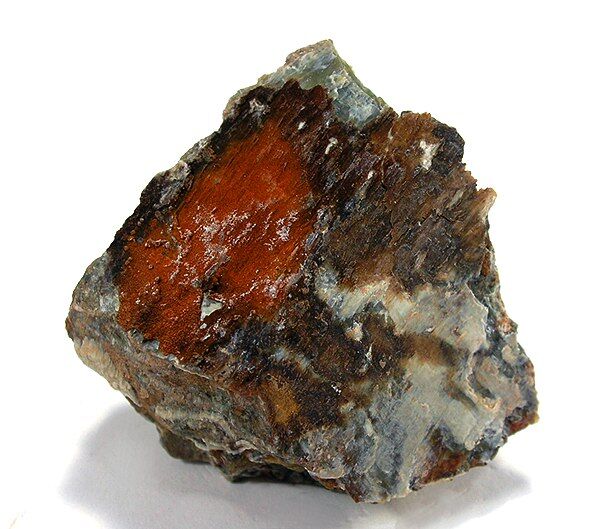 DesautelsiteMg6Mn3+2(CO3)(OH)16 · 4H2OMineral—
- DroninoiteNi6Fe3+2Cl2(OH)16 · 4H2OMineral—
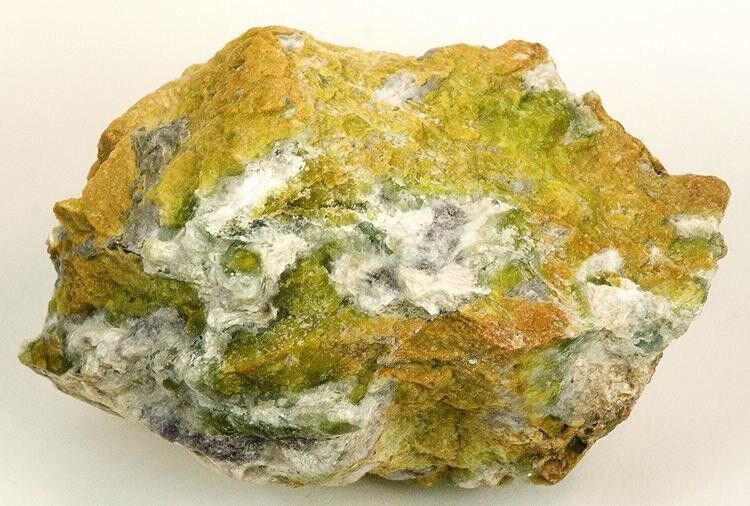 HydrotalciteMg6Al2CO3(OH)16(H2O)4Mineral—
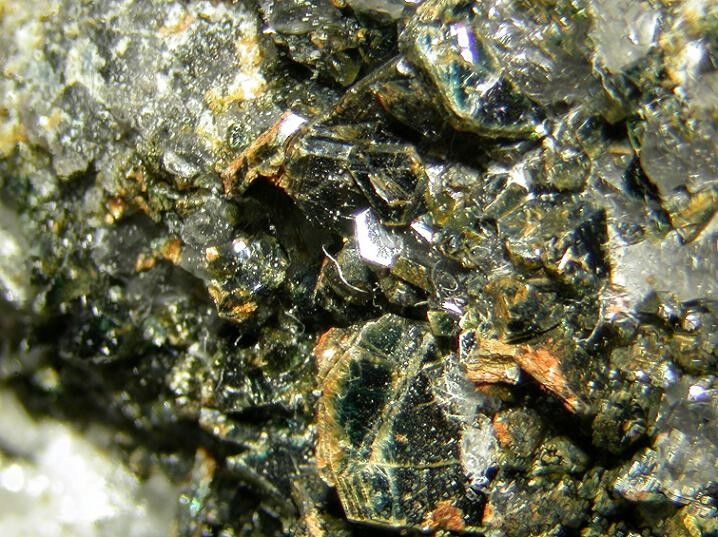 IowaiteMg6Fe3+2(OH)16Cl2 · 4H2OMineral—
- KaznakhtiteNi6Co3+2(CO3)(OH)16 · 4H2OMineral—
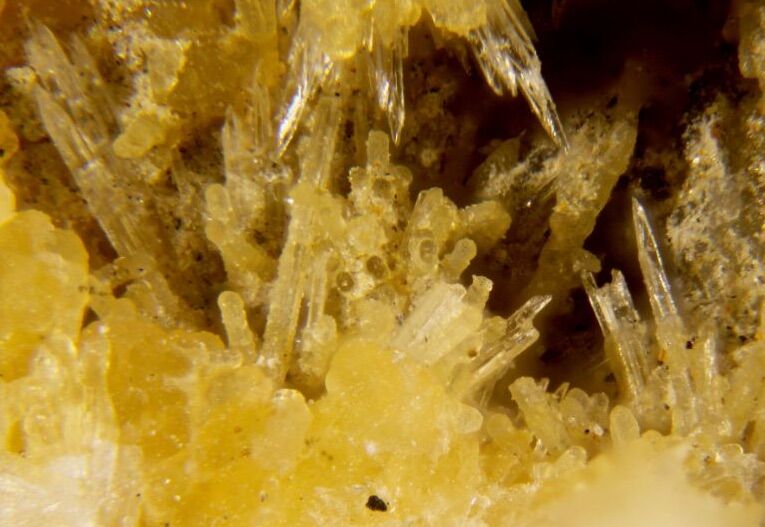 MeixneriteMg6Al2(OH)16(OH)2 · 4H2OMineral—
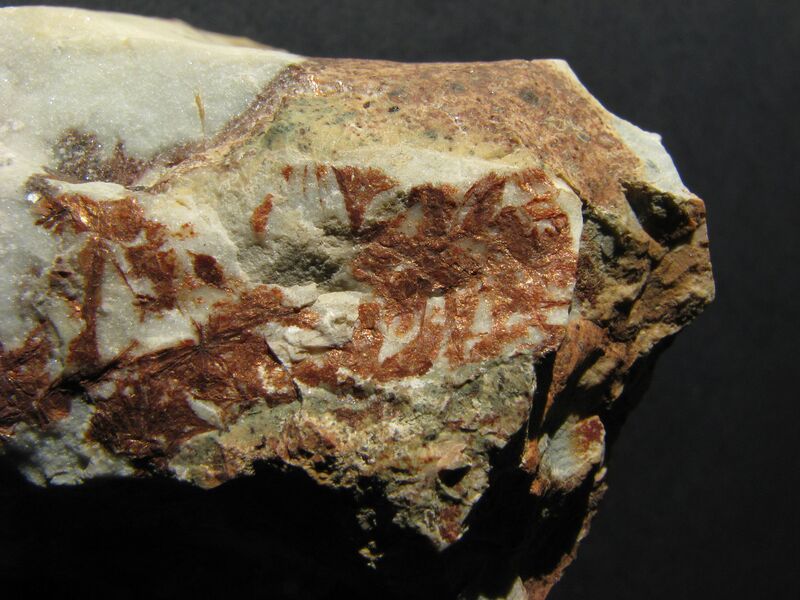 PyroauriteMg6Fe3+2(CO3)(OH)16 · 4H2OMineral—
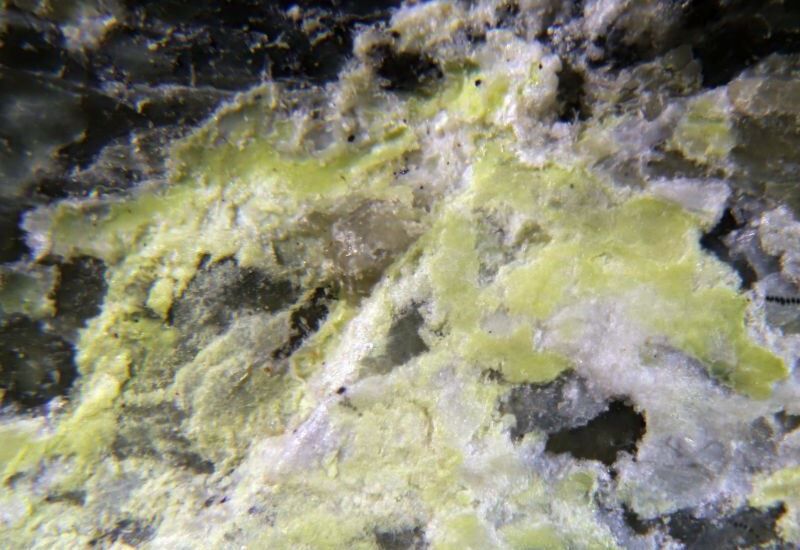 ReevesiteNi6Fe3+2(CO3)(OH)16 · 4H2OMineral—
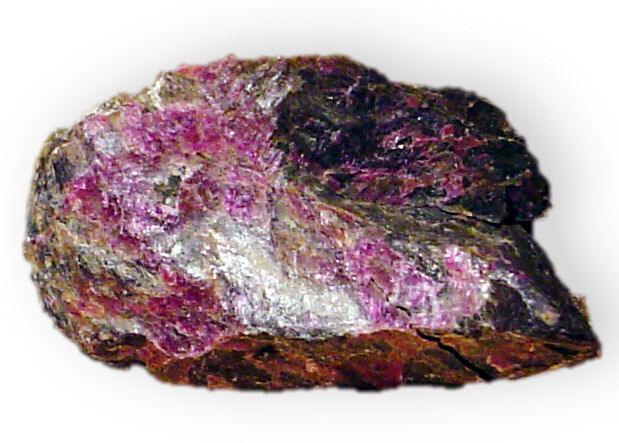 StichtiteMg6Cr2(CO3)(OH)16 · 4H2OMineral—
- WoodalliteMg6Cr2(OH)16Cl2 · 4H2OMineral—
Literature, links & citation
Citations
- 1957Maksimović, Z. (1957) Takovite, hydrous nickel aluminate, a new mineral. Zapisnici Srpskog Geoloskog Drustva. Compte Rendu des Séances de la Société Serbe de Géologie: 1955: 219-224. (in Serbian)
- 1967Brown, G., Gastuche, M. C. (1967) Mixed magnesium-aluminium hydroxides. II. Structure and structural chemistry of synthetic hydroxycarbonates and related minerals and compounds. Clay Minerals, 7 (2) 193-201 doi:10.1180/claymin.1967.007.2.06DOI: 10.1180/claymin.1967.007.2.06
- 1968Maksimovic, Z. (1968) The properties and genesis of takovite. Symposium on the structure, genesis, and properties of clays and other silicate raw materials, Zagreb, 12-15.
- 1970J. Coudray (1970) - Découverte, en Nouvelle-Calédonie, d'une nouvelle minéralisation nickélifère sous forme de takovite : Ni5[Al4O2](OH)18, 6H2O. Comptes rendus de l'académie des sciences, t. 271, série D, 1970, pp. 565-567
- 1970Maksimovic, Z. (1970) Features and genesis of takovite. Zapiski Vses. Mineral. Obshch.: 99: 595–600. (in Russian)
Cite this entry
Entry last updated
@misc{mineral2025,
  author    = {Mineral Index editorial board},
  title     = {Takovite — Mineral Index},
  year      = {2025},
  url       = {https://mineralindex.org/minerals/takovite-3874}
}