Where it forms, where it's found
- Geological setting
Deep seated, high temperature hydrothermal deposits.
- Type locality
- Huasco
- Huasco Province
- Atacama
- Chile
167recorded occurrences
Safety & handling
Physical
Optical
- Pleochroism
- Visible
Less distinct than arsenopyrite
- Anisotropism
- Distinct - less than arsenopyrite
- Tropism
- Anisotropic
Crystallography
- Space group
- #34
- Cell parameters
- a = 14.158(1) Å · b = 5.6462(4) Å · c = 3.3196(2) Å
- Ratio a:b:c
- 1 : 0.399 : 0.234
- Unit cell volume
- 265.37 ų
- Z
- 6
- Morphology
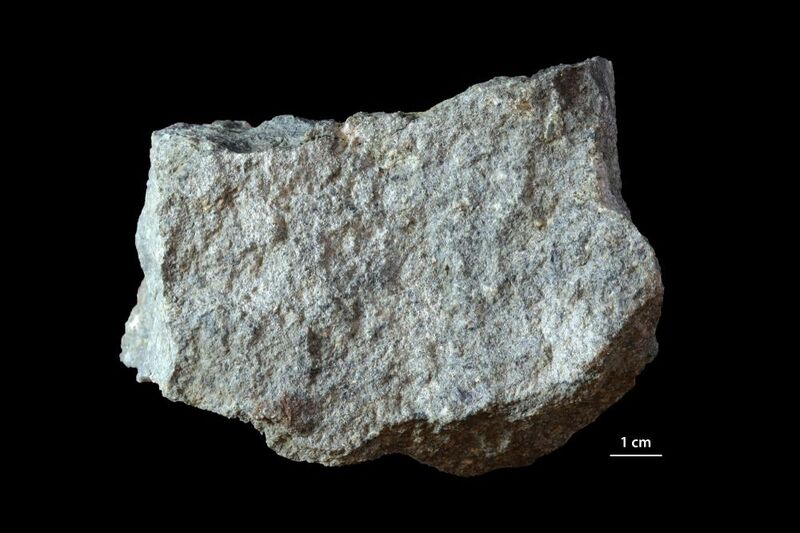
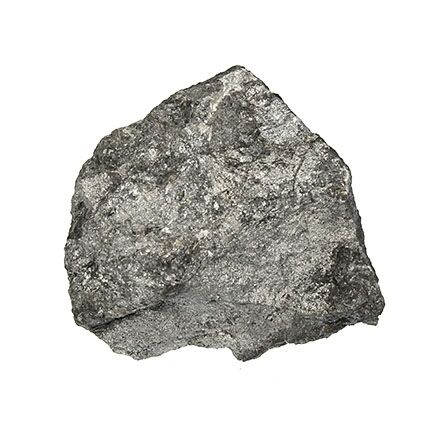
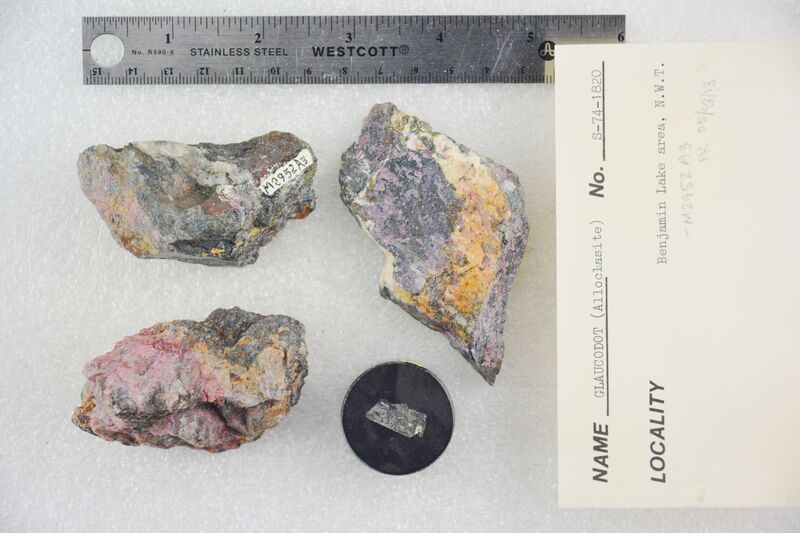
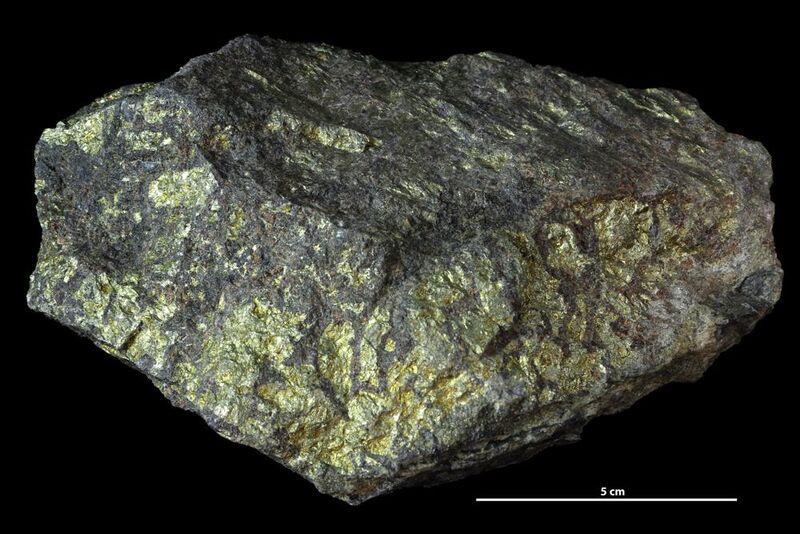
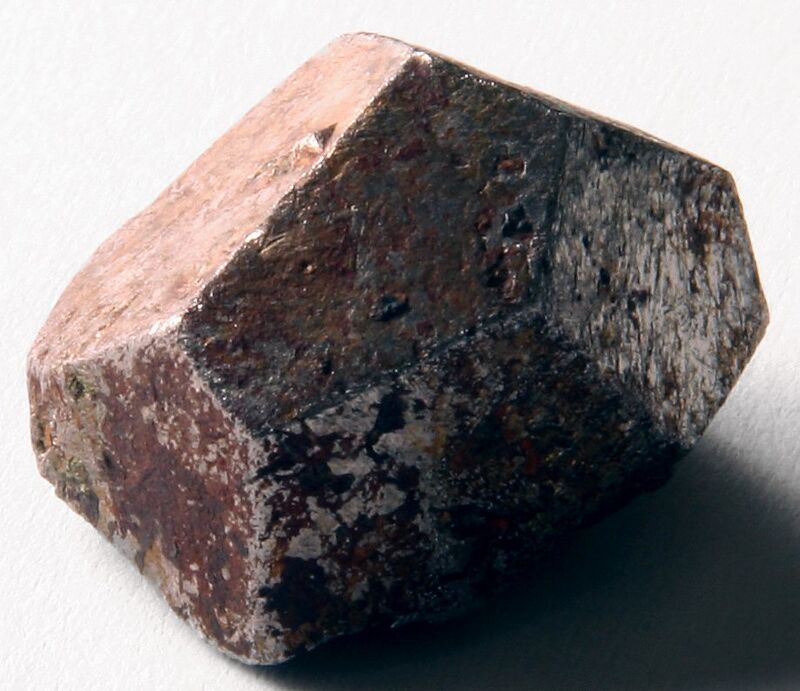
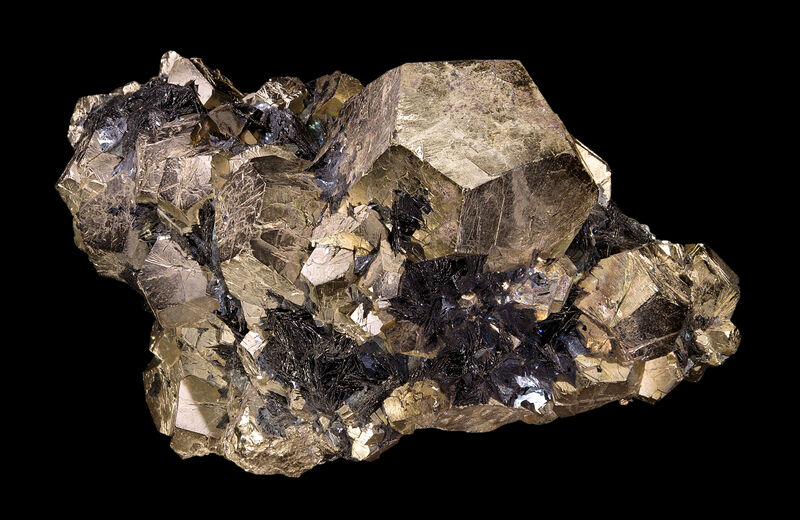
Prismatic, massive
- Twinning
On (101), on (012) forming cruciform penetration twins, trillings.
- Comment
Space group Pn21m (other work gives space group Pnma).
Crystal structure
Chemical composition
Synonyms
- Akontit
- Glaucodote
- Glaucodotit
- Glaucodotita
- Glaucodotite
In other languages
- French
- Glaucodot
- German
- Glaukodot
- Spanish
- Glaucodot
- Italian
- Glaucodoto
- Russian
- Глаукодот
- Arabic
- غلاوكودوت
Classification
Strunz
10th ed.2.EB.10c
- 2Sulfides and SulfosaltsClass
- 2.EMetal Sulfides, M: S <= 1:2Division
- 2.EBM:S = 1:2, with Fe, Co, Ni, PGE, etc.Group
- 2.EB.10cGlaucodotSpecies
Dana
8th ed.02.12.06.01
- 02SulfidesClass
- 02.12AmBnXp, with (m+n):p = 1:2Type
- 02.12.06— unnamed intermediate level —Group
- 02.12.06.01GlaucodotSpecies
CIM
—3.10.17
- 3Sulphides, Selenides, Tellurides, Arsenides and Bismuthides (except the arsenides, antimonides and bismuthides of Cu, Ag and Au, which are included in Section 1)Class
- 3.10Sulphides etc. of CoGroup
- 3.10.17GlaucodotSpecies
Group, growth & confusion
Literature, links & citation
Citations
- 1849Breithaupt, J.F.A., Plattner, C.F. (1849) Bestimmung neuer Mineralien: Glaukodot. Annalen der Physik und Chemie 153, 127-141.
- 1936Buerger, M. J. (1936) The Symmetry and Crystal Structure of the Minerals of the Arsenopyrite Group. Zeitschrift für Kristallographie, 95 (1-6). 83-113 doi:10.1524/zkri.1936.95.1.83 DOI: 10.1524/zkri.1936.95.1.83
- 1937Buerger, M. J. (1937) A common orientation and a classification for crystals based upon a marcasite-like packing. American Mineralogist, 22 (1) 48-56
- 1944Palache, Charles, Berman, Harry, Frondel, Clifford (1944) The System of Mineralogy (7th ed.) Vol. 1 - Elements, Sulfides, Sulfosalts, Oxides. John Wiley and Sons, New York.
- 1971Petruk, W., Harris, D.C., Stewart, J.M. (1971) The silver-arsenide deposits of the Cobalt-Gowganda region, Ontario. Canadian Mineralogist, 11(1), 150-186.
Cite this entry
Entry last updated
@misc{mineral2025,
  author    = {Mineral Index editorial board},
  title     = {Glaucodot — Mineral Index},
  year      = {2025},
  url       = {https://mineralindex.org/minerals/glaucodot-1709}
}