Where it forms, where it's found
- Geological setting
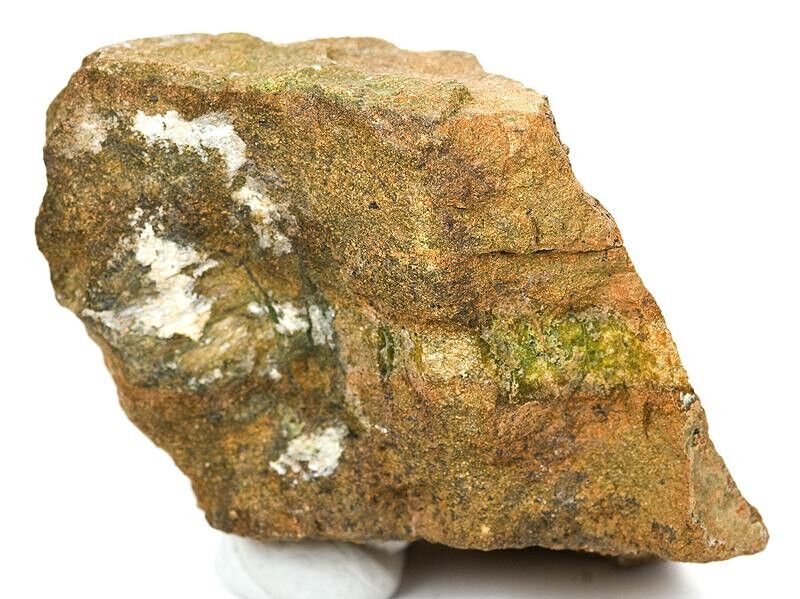
Weathered meteorite
Shears in ultramafic rocks, weathering product of millerite in geodes.
- Type locality
- Wolfe Creek meteorite crater
- Carranya Station
- Halls Creek Shire
- Western Australia
- Australia
-19.1719°, 127.7954°
40recorded occurrences
Physical
- Transparency
- Transparent · Translucent
- Colour
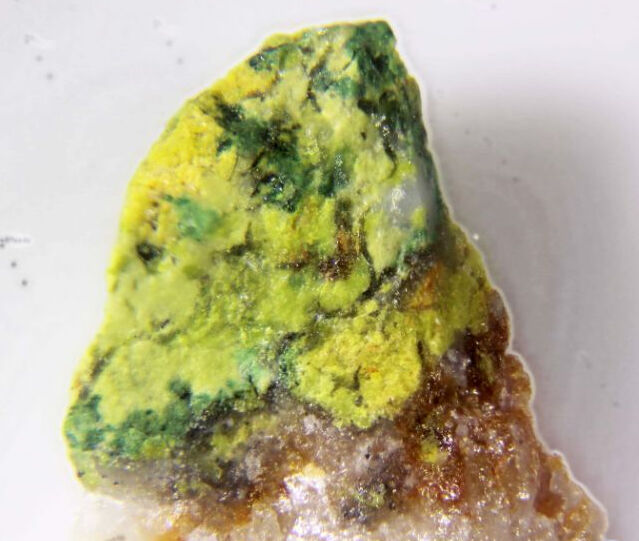
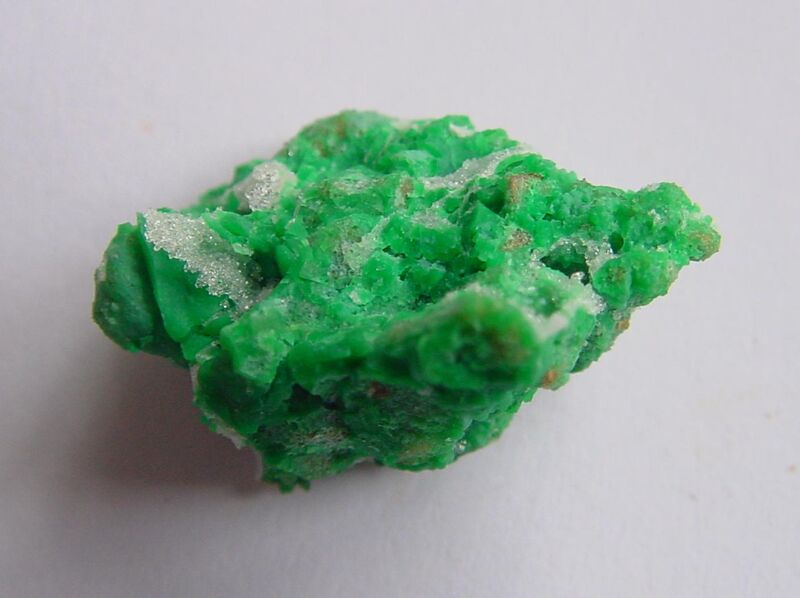
- Green · blue-green yellow-green
- Density
- 3.084 g/cm³
Optical
- Optical type
- Biaxial (+/-)
- Refractive index
- 1.565 – 1.603
- Surface relief
- Moderate
- Principal indices
- nα 1.565 – 1.603 · nβ 1.565 – 1.603 · nγ 1.565 – 1.603
- Dispersion
- r > v strong
Δ = 0Δmax
PPLpleochroism per grain
XPLindependent extinctions · rotate the stage
PPLpleochroism only · colour blends on rotation
XPLinterference colour · extinct every 90°
Retardation0 nm
Order1st order
XPL colour
Crystallography
- Cell parameters
- a = 5.26 Å · b = 9.16 Å · c = 14.7 Å
- Cell angles
- β = 92 °
- Ratio a:b:c
- 1 : 1.741 : 2.795
- Z
- 4
- Morphology
Curved plates, spirals, and tubes, granular, massive.
- Type-locality form
Green grains, 0.1 to 5 mm in diameter, filling cracks a meteorite.
- Comment
Point Group: n.d.; Space Group: n.d.
Chemical composition
- Impurities
- Al
- Fe
- Mg
- Ca
- H2O
Synonyms
- IMA1969-005
- Pecoraiet
In other languages
- French
- pecoraite
- German
- IMA 1969-005 · Pecorait
- Italian
- pecoraite
Classification
Strunz
10th ed.9.ED.15
- 9SilicatesClass
- 9.EPhyllosilicatesDivision
- 9.EDPhyllosilicates with kaolinite layers composed of tetrahedral and octahedral netsGroup
- 9.ED.15PecoraiteSpecies
Dana
8th ed.71.01.2d.04
- 71Phyllosilicates Sheets of Six-membered RingsClass
- 71.01Sheets of 6-membered rings with 1:1 layersType
- 71.01.2d— unnamed intermediate level —Group
- 71.01.2d.04PecoraiteSpecies
CIM
—14.26.2
- 14Silicates not Containing AluminumClass
- 14.26Silicates of NiGroup
- 14.26.2PecoraiteSpecies
Group, growth & confusion
 AmesiteMg2Al(AlSiO5)(OH)4Mineral—
 AntigoriteMg3Si2O5(OH)4Mineral—
 Berthierine(Fe2+,Fe3+,Al)3(Si,Al)2O5(OH)4Mineral—
 Brindleyite(Ni,Al)3(Si,Al)2O5(OH)4Mineral—
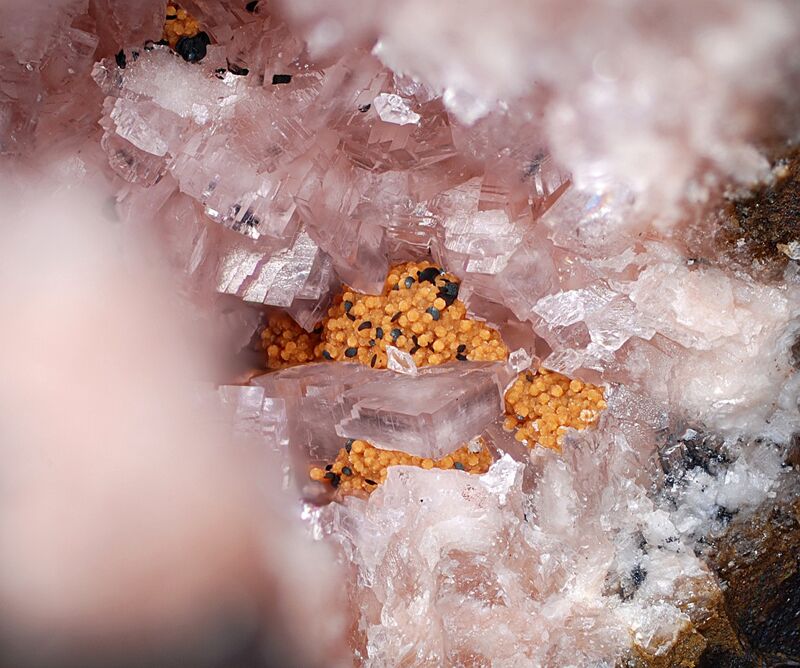 CaryopiliteMn2+3Si2O5(OH)4Mineral—
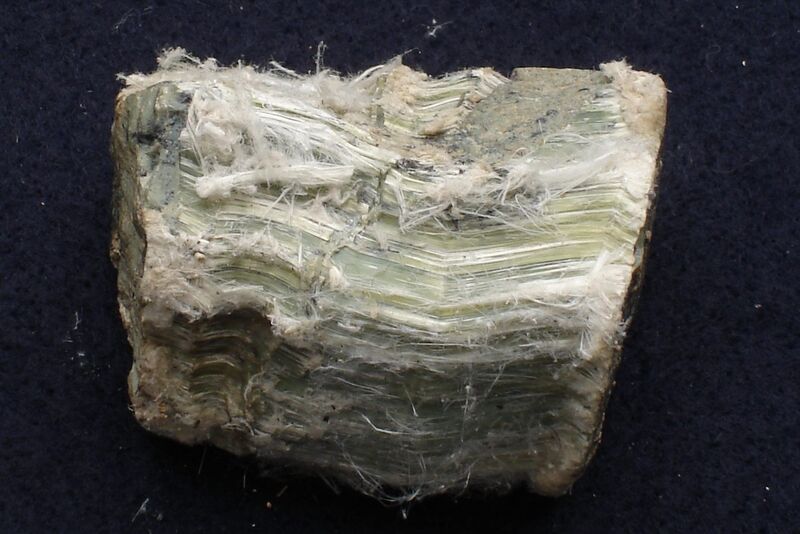 ChrysotileMg3Si2O5(OH)4Mineral—
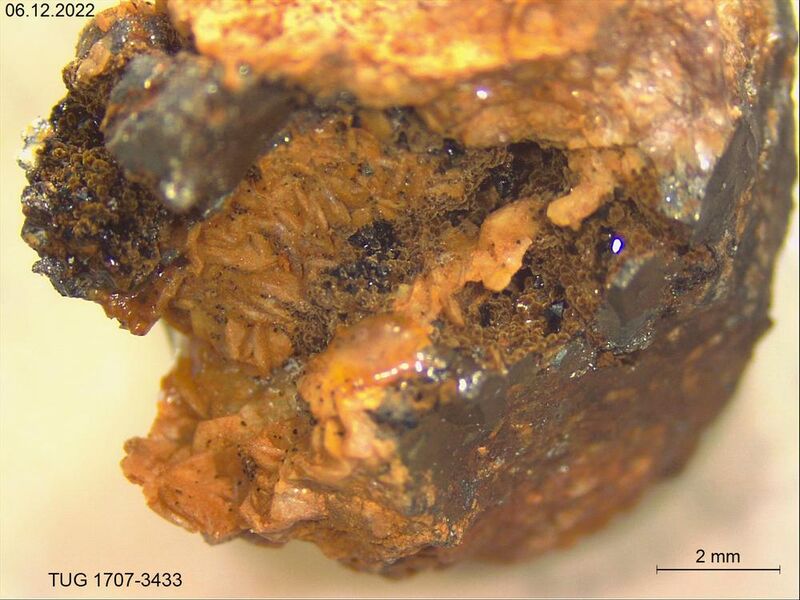 Cronstedtite(Fe2+,Fe3+)3(Si,Fe3+)2O5(OH)4Mineral—
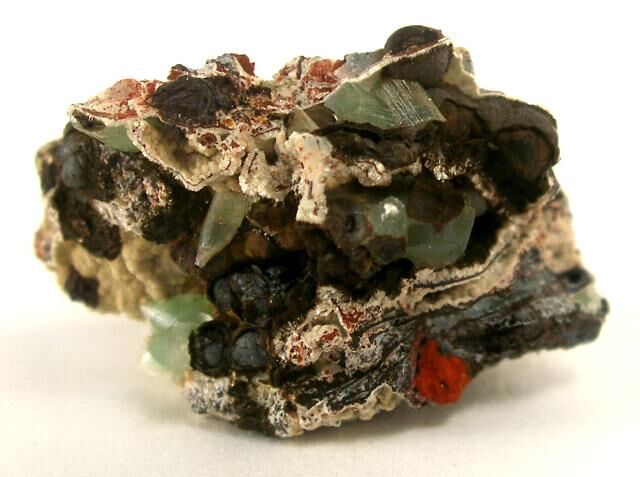 Fraipontite(Zn,Al)3(Si,Al)2O5(OH)4Mineral—
- GuidottiiteMn2Fe3+(SiFe3+)O5(OH)4Mineral—
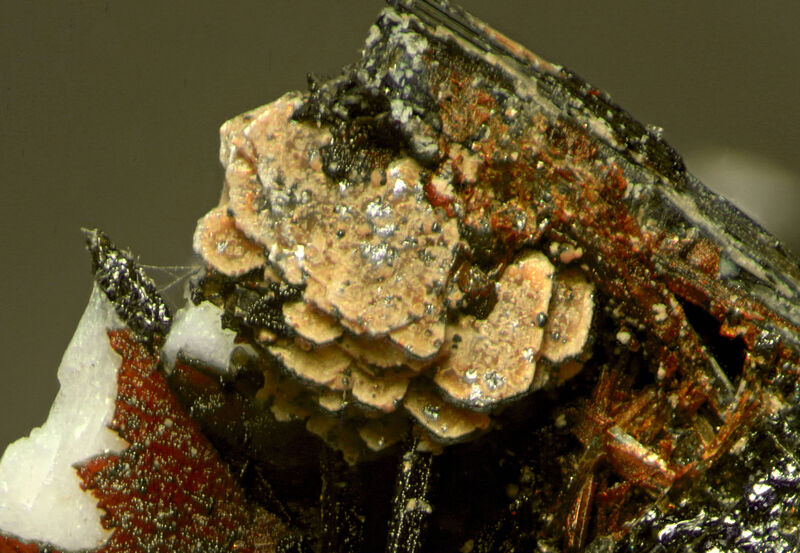 Kellyite(Mn2+,Mg,Al)3(Si,Al)2O5(OH)4Mineral—
Literature, links & citation
Citations
- 1969Fleischer, Michael (1969) New Mineral Names. American Mineralogist, 54 (11-12) 1737-1742
- 1969Faust, G. T., Fahey, J. J., Mason, B., Dwornik, E. J. (1969) Pecoraite, Ni6Si4O10(OH)8, Nickel Analog of Clinochrysotile, Formed in the Wolf Creek Meteorite. Science, 165 (3888). 59-60 doi:10.1126/science.165.3888.59DOI: 10.1126/science.165.3888.59
- 1973Faust, George T., Fahey, J.J., Mason, B.H., Dwornik, E.J. (1973) The disintegration of the Wolf Creek meteorite and the formation of pecoraite, the nickel analog of clinochrysotile. Professional Paper 384c. US Geological Survey doi:10.3133/pp384c DOI: 10.3133/pp384c
- 1983Milton, C., E.J. Dwornik, R.B. Finkelman (1983) Pecoraite, the nickel analogue of chrysotile, Ni3Si2O5(OH)4 from Missouri. Neues Jahrbuch für Mineralogie, Monatshefte 11: 513-523.
- 2001(2001) Pecoraite. Handbook of Mineralogy. Mineralogical Society of America
Cite this entry
Entry last updated
@misc{mineral2025,
  author    = {Mineral Index editorial board},
  title     = {Pecoraite — Mineral Index},
  year      = {2025},
  url       = {https://mineralindex.org/minerals/pecoraite-3139}
}