History
The story of magnetite begins long before it had that name. Lumps of the mineral lying on the ground occasionally carry a permanent magnetic field — they cling to iron and to each other. Ancient peoples noticed.
The earliest written record of this attraction comes from Greece in the 6th century BCE. The philosopher Thales of Miletus is credited with describing the way certain stones pulled iron toward themselves. A separate tradition in China runs in parallel: the Book of the Devil Valley Master, a text from the 4th century BCE, contains the earliest Chinese literary reference to the same property.
By the 2nd century BCE, Chinese geomancers — practitioners of an earth-divination craft — were carving lodestone into a south-pointing spoon. The ladle's handle settled toward the south when set on a polished bronze plate. This was the ancestor of the magnetic compass. The mineral had earned a job before it earned a modern name.
The compass took another thousand years to reach Europe. The first European mention is by the English scholar Alexander Neckam, around 1190. By that point the magnetic stone was widely known as lodestone — Middle English for leading stone, from an obsolete sense of lode meaning a journey or way; the Oxford English Dictionary glosses it more bluntly as way-stone, after its role in guiding mariners. The English name lodestone is recorded for the mineral as early as 1548.
The modern name magnetite is much younger. In 1845, the Austrian mineralogist Wilhelm Karl von Haidinger formalised it, drawing on the ancient Greek region of Magnesia, long associated with the magnetic stones.
Industrial & practical applications
Magnetite is, first and above all, iron ore. Together with hematite it supplies the metal that becomes nearly every steel object made. Roughly 98 percent of mined iron ore ends up in steelmaking. Magnetite carries 72.4 percent iron by weight, the highest of any common iron mineral.
As iron ore
The ore is reduced in blast furnaces to pig iron — crude high-carbon iron tapped molten from the furnace — or to sponge iron, the porous solid produced by reducing the ore without melting. Both feed the conversion to steel. Most magnetite extracted today comes from banded iron formations — finely layered sedimentary rocks where iron-rich bands alternate with silica. In North America these are known as taconite. The rock is hard and the magnetite grains are fine: the ore must be ground to between 32 and 45 µm before a low-silica concentrate can be magnetically separated out.
The world's largest concentrated source is the Pilbara region of Western Australia, currently producing about 844 million tonnes of iron ore per year and rising. Australia and Brazil together account for roughly two-thirds of global iron-ore exports. Recent production figures place Australia at 817 million tonnes annually, Brazil at 397 million, China at 375 million, India at 156 million, and Russia at 101 million. Major magnetite deposits outside these top producers include the Chilean Iron Belt in the Atacama region, Kiruna in Sweden, and the Adirondack Mountains of New York.
Outside the steel mill
A second long-standing use exploits the mineral's density rather than its iron. In coal washing, magnetite is suspended in water to make a fluid with intermediate density — between coal (1.3 to 1.4 tonnes per m³) and the shale waste (2.2 to 2.4 tonnes per m³). In the bath, coal floats and shale sinks. The magnetite is then magnetically recovered and reused.
Powdered magnetite-derived catalyst sits at the heart of the Haber Process — the industrial reaction that fixes atmospheric nitrogen into ammonia for fertiliser. Roughly 2 to 3 percent of the entire world energy budget runs through this reaction.
Magnetite at the nanoscale opens further uses. Ferrofluids — suspensions of magnetite nanoparticles in a carrier liquid — can be steered through the human body by external magnets. That allows targeted drug delivery, and the same particles serve as contrast agents in magnetic resonance imaging. In high-gradient magnetic separation, magnetite nanoparticles bind to contaminants in water — suspended solids, bacteria, plankton — and can then be pulled out with a magnet.
Where it forms, where it's found
- Geological setting
Common igneous accessory mineral. In sedimentary banded iron formations.
Varieties
- ChrommagnetiteFe2+(Fe3+,Cr3+)2O4Variety—
- IshkuliteFe2+(Fe3+,Cr3+)2O4Variety—
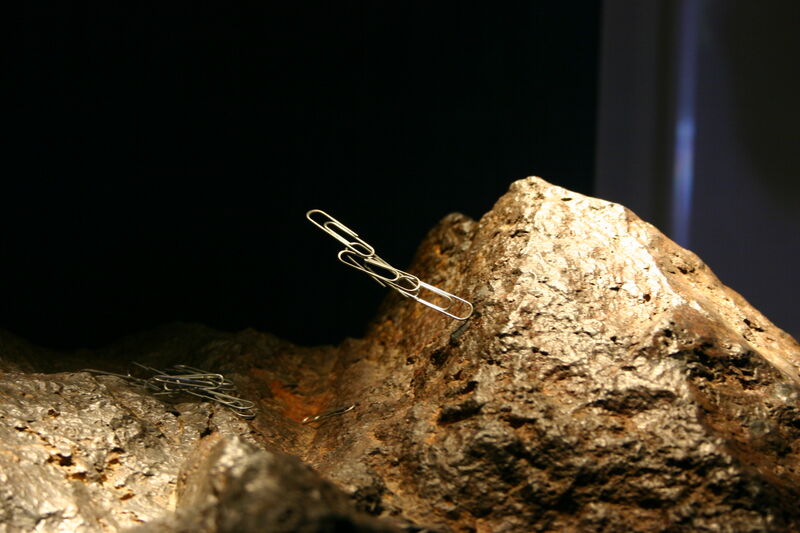 LodestoneFe2+Fe3+2O4Variety—
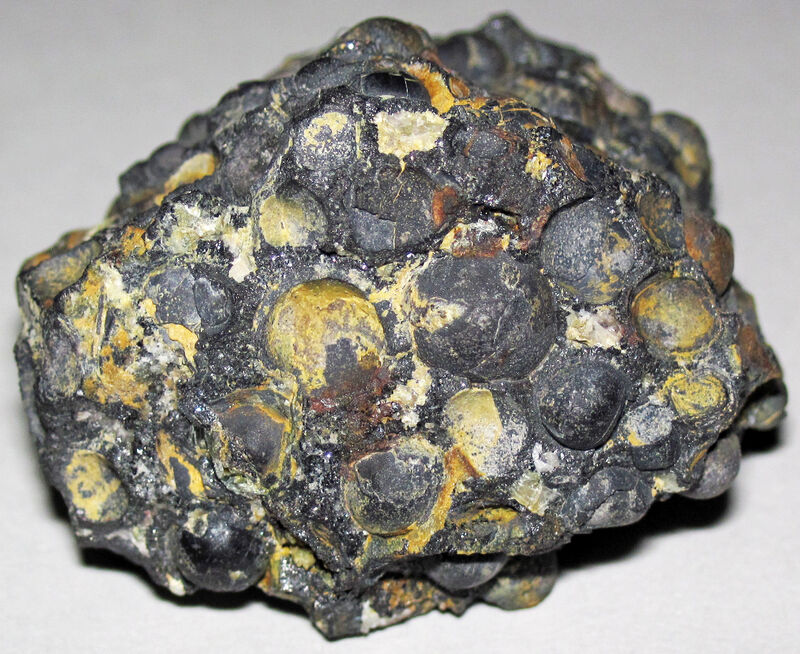 Magnomagnetite(Fe,Mg)Fe2O4Variety—
- MushketoviteFe2+Fe3+2O4Variety—
- Titanium-bearing MagnetiteFe2+(Fe3+,Ti)2O4Variety—
- Vanadium-bearing MagnetiteFe2+(Fe3+,V3+ )2O4Variety—
- Zinc-bearing Magnetite(Fe,Zn)Fe3O4Variety—
Physical
Optical
- Optical type
- Isotropic
- Surface relief
- Very high
- Principal indices
- n 2.42
- Pleochroism
- Non-pleochroic
- Optical colour
- Grey with brownish tint
- Tropism
- Isotropic
- Reflectance R%
- (22.3) 400, (21.8) 420, (21.3) 440, (20.8) 460, (20.5) 480, (20.3) 500, (20.3) 520, (20.4) 540, (20.5) 560, (20.6) 580, (20.6) 600, (20.7) 620, (20.8) 640, (20.9) 660, (21.0) 680, (21.2) 700
- Luminescence
- None
- UV response
- Not fluorescent in UV.
- Notes
Twin lamellae and zonal growth pattern exhibited in polished section by magnetite at times.
Crystallography
- Space group
- #222
- Cell parameters
- a = 8.396 Å
- Z
- 8
- Morphology
Crystals usually octahedral, sometimes dodecahedral, striated on (011) parallel [01_1]; less frequently with modifying (001) or {hhl}. Cubic (Balmat, NY), rare. Skeletonized microcrystals found in igneous rocks. Massive, granular, coarse to fine.
- Twinning
Common on (111), with the same face as the composition face. Twins flattened parallel to (111) (common spinel law twins), or as lamellar twins, producing striae on (111). Twin gliding, with K1(111), K2(11).
- Parting
- On (111), especially good. Also reported as parting planes: (001), (011), (138).
- Epitaxy
Hematite overgrowths on, and inclusions in, magnetite; ilmenite inclusions, rutile overgrowths, chlorite group overgrowths, pyrophanite inclusions; magnetite on hematite; inclusions in muscovite; inclusions in hematite; inclusions in ilmenite; magnetite overgrowths on olivine. Pseudobrookite on magnetite with pseudobrookite (100)[001] parallel to magnetite (111)[110].
Chemical composition
- Impurities
- Mg
- Zn
- Mn
- Ni
- Cr
- Ti
- V
- Al
Synonyms
- Aimant
- Aimantine
- Diamagnetite
- Eisenmohr
- Eisenmulm
- Eisenoxydoxydul
- Fer oxydé magnétique
- Fer oxydulé
- Ferro magnetico
- Ferro ossidolato
- Ferroferrit
- Ferroferrita
- Ferroferrite
- Hammerschlag
- Heraclion
- Hierro magnético
- Loadstone
- Magnet
- Magneteisenerz
- Magneteisenstein
- Magneti amica
- Magnetic Iron Ore
- Magnetischer Eisenstein
- Magnetjernmalm
- Magnetjernstein
- Minera Ferri attractoria
- Minera ferri nigricans
- Morpholit
- Morpholite
- Octahedral Iron Ore
- Oxydulated Iron
- Sideritis
- Siegelstein
- Svertmalm
- Syderit
- Syderita
- Syderite
In other languages
- French
- 1309-38-2 · 1317-61-9 · Aimantine · Diamagnétite · Fer oxydé magnétique · Fer oxydulé · Ferroferrite · Héraclion · magnétite · Morpholite · Pierre d'aimant
- German
- Eisenhammerschlag · Eisenmohr · Eisenmulm · Eisenoxydoxydul · Ferroferrit · Magneteisen · Magneteisenerz · Magneteisenstein · Magnetit · Morpholit
- Spanish
- magnetita
- Italian
- magnetite
- Portuguese
- magnetita · Magnetite
- Japanese
- マグネタイト · 磁鉄鉱
- Chinese
- 氧化铁(II,III) · 磁鐵礦 · 磁铁矿
- Simplified Chinese
- 磁铁矿
- Traditional Chinese
- 磁鐵礦
- Russian
- магнетит · Магнетитный песок · Магнитный железняк
- Arabic
- أكسيد الحديد الأسود · الماجنتيت · الماغنتيت · ماجنتيت · ماغنتيت · مغنيتيت
- Hindi
- मैग्नेटाइट
Classification
4.BB.05
- 4OxidesClass
- 4.BMetal: Oxygen = 3:4 and similarDivision
- 4.BBWith only medium-sized cationsGroup
- 4.BB.05MagnetiteSpecies
07.02.02.03
- 07Multiple OxidesClass
- 07.02AB2X4Type
- 07.02.02(Iron subgroup)Group
- 07.02.02.03MagnetiteSpecies
7.20.2
- 7Oxides and HydroxidesClass
- 7.20Oxides of FeGroup
- 7.20.2MagnetiteSpecies
Group, growth & confusion
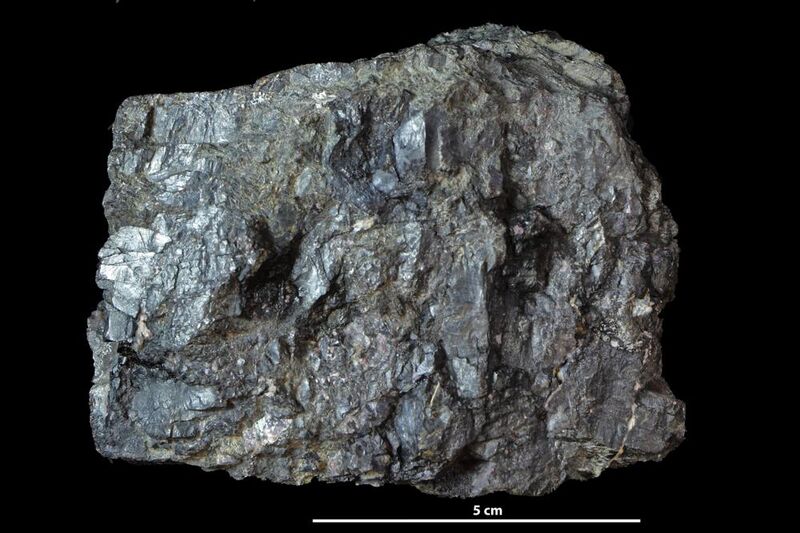
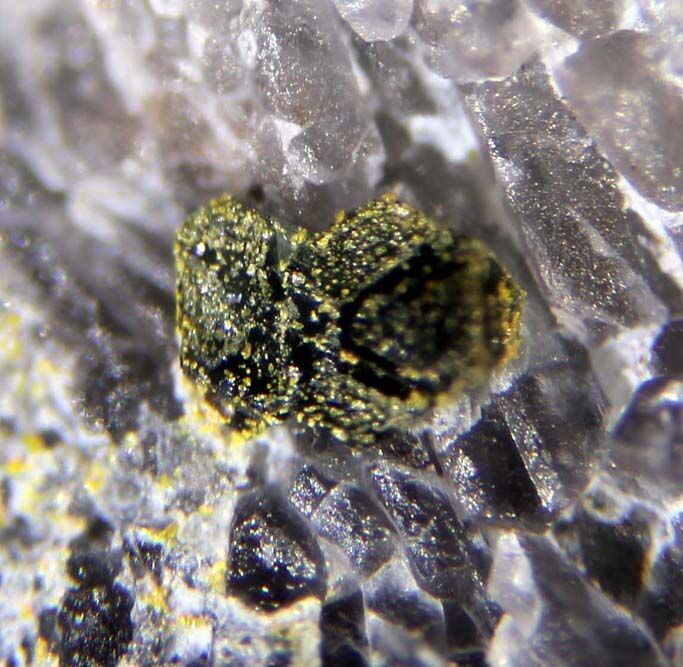
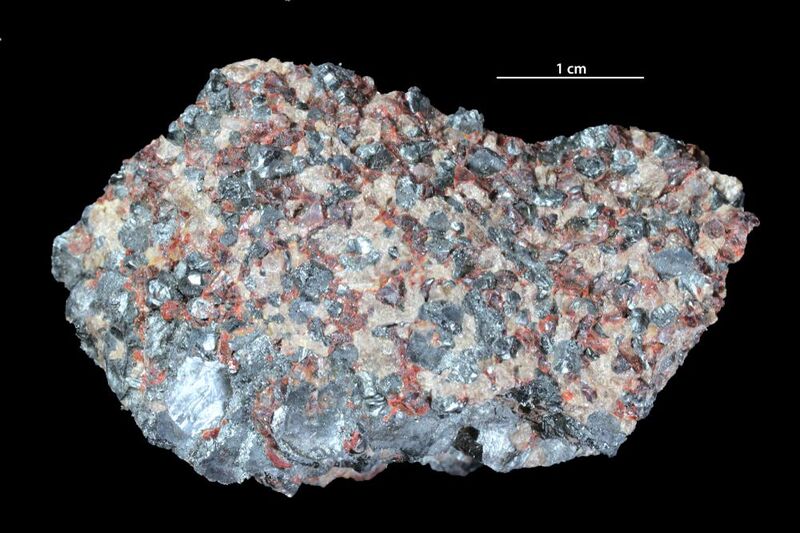
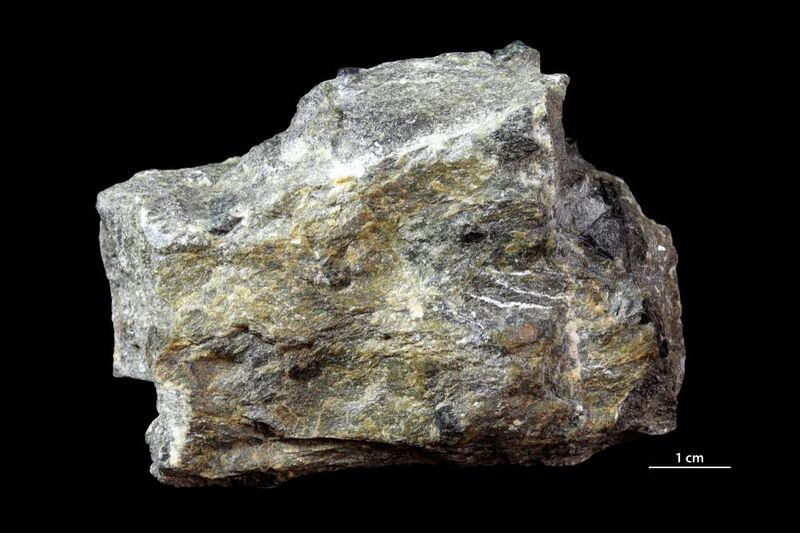
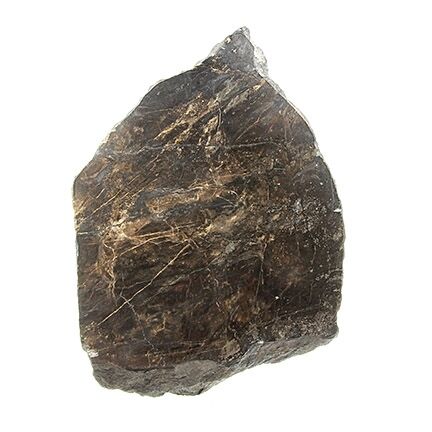
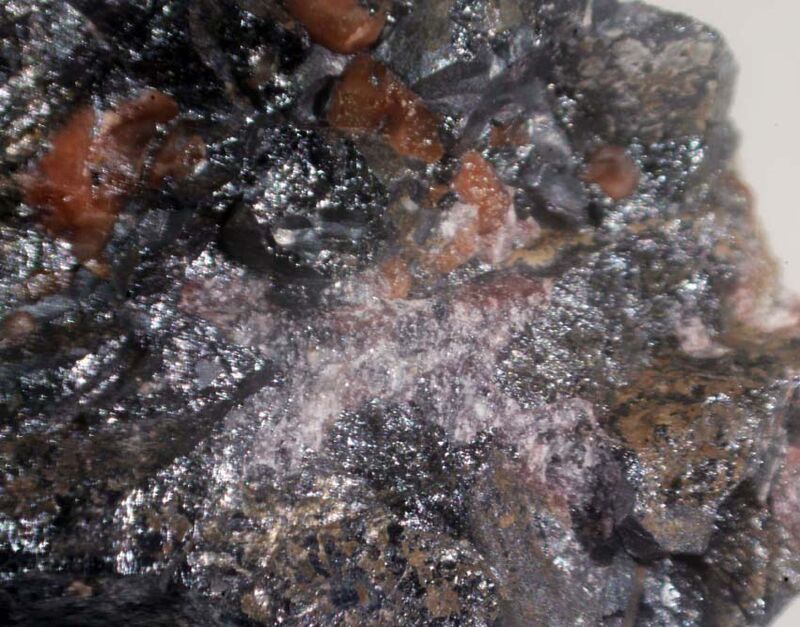 AdeliteCaMg(AsO4)(OH)Mineral—
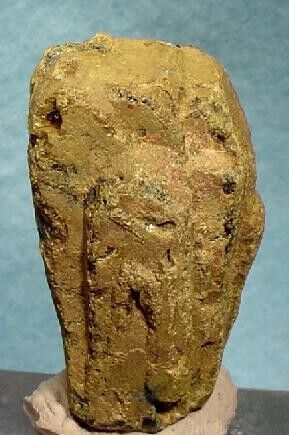 Aeschynite-(Nd)Nd(TiNb)O6Mineral—
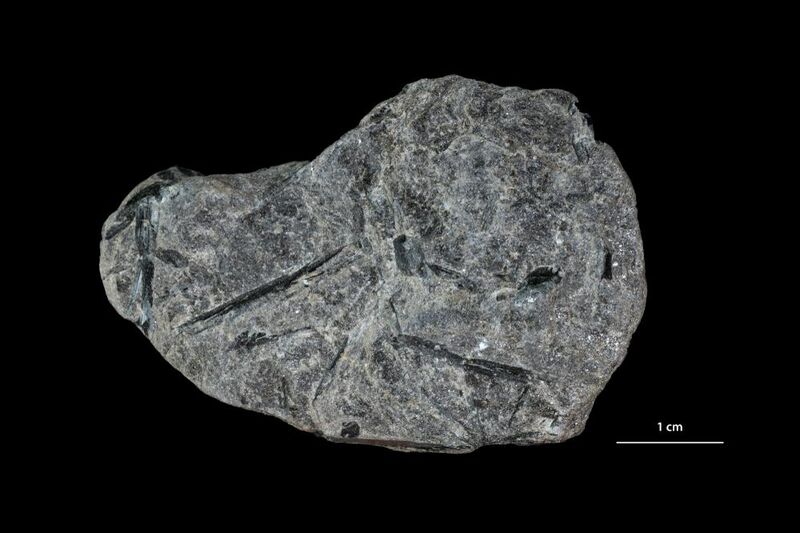 Andesine(Na,Ca)[Al(Si,Al)Si2O8]Variety—
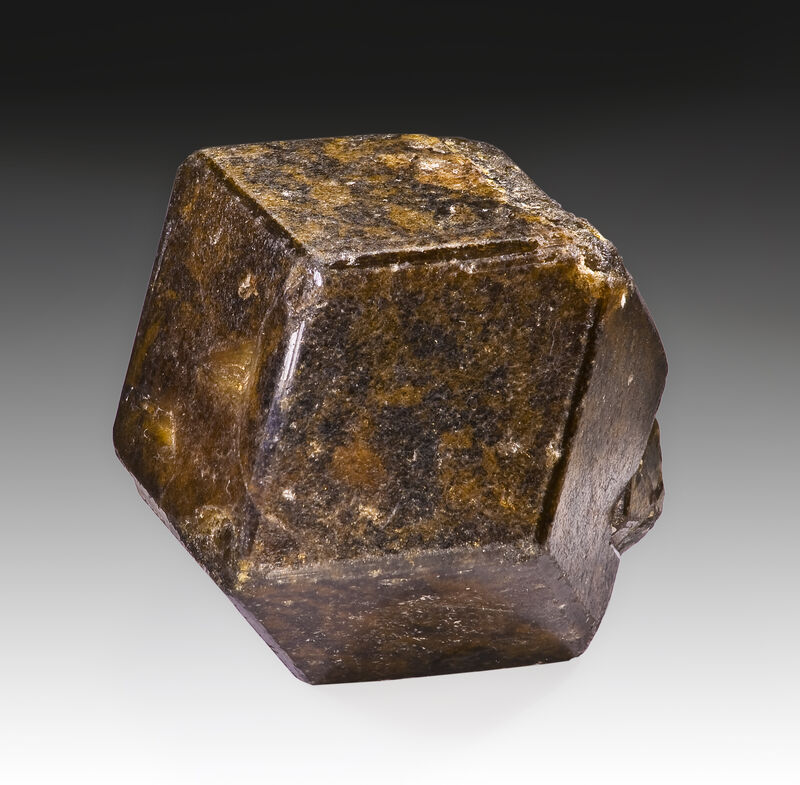 AndraditeCa3Fe3+2(SiO4)3Mineral—
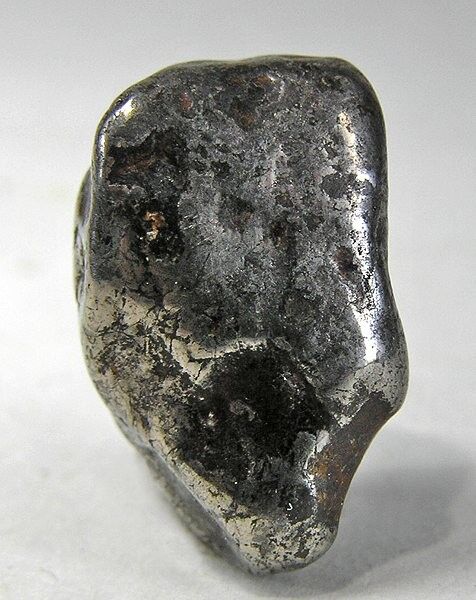 AwaruiteNi3FeMineral—
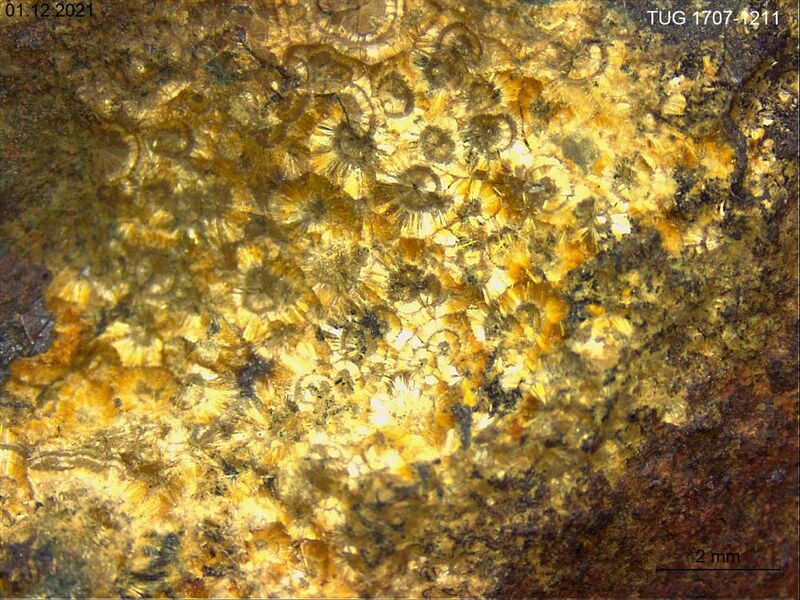 CacoxeniteFe3+24AlO6(PO4)17(OH)12 · 75H2OMineral—
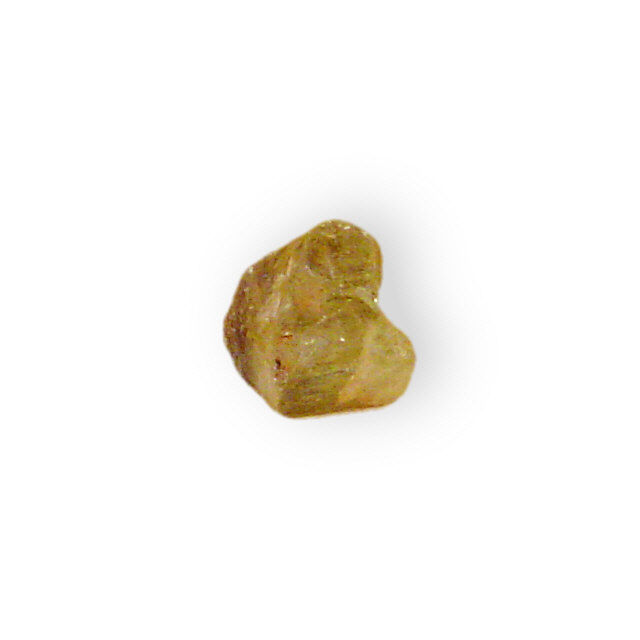 ChlorapatiteCa5(PO4)3ClMineral—
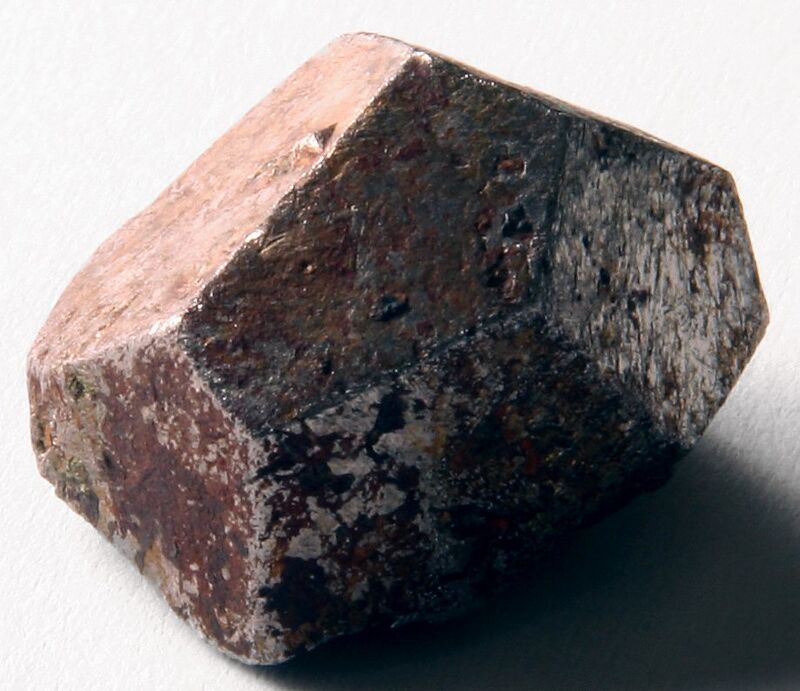 CobaltiteCoAsSMineral—
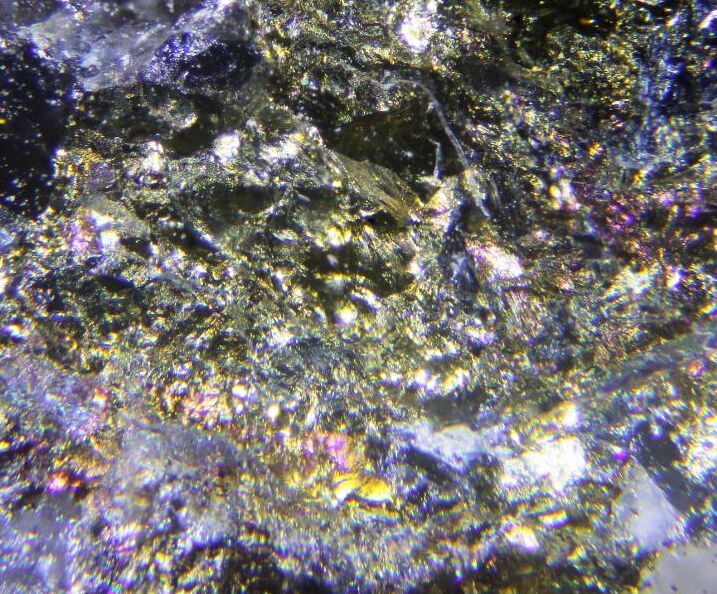 CobaltpentlanditeCo9S8Mineral—
- FerrokinoshitaliteBaFe2+3(Si2Al2)O10(OH)2Mineral—
Literature, links & citation
- —Byrne, J.M. & Amor, M. (2023): Biomagnetism: Insights Into Magnetic Minerals Produced by Microorganism. Elements, 19, 208-214.
- —https://en.wikipedia.org/wiki/Ferrimagnetism
- 1896Weiss, P. (1896) Magnetization of Crystallised Magnetite. Comptes Rendus Academie des Sciences, Paris: 122: 1405–1409.
- 1905Mügge (1905) Jb. Min., Beil.-Bd.: 16: 335.
- 1915BRAGG, W. H. (1915) The Structure of Magnetite and the Spinels. Nature, 95 (2386) 561 doi:10.1038/095561a0DOI: 10.1038/095561a0
Entry last updated
@misc{mineral2026,
  author    = {Mineral Index editorial board},
  title     = {Magnetite — Mineral Index},
  year      = {2026},
  url       = {https://mineralindex.org/minerals/magnetite-2538}
}