History
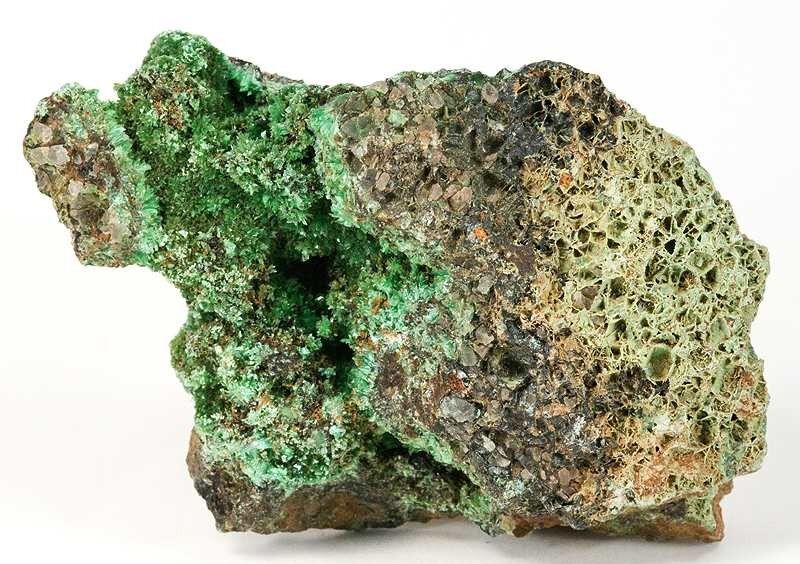
Miners working the silver and cobalt veins of Saxony knew the apple-green crust long before anyone gave it a proper name. They called it a bloom — a soft, earthy coating that spread over weathered ore.
Axel Fredrik Cronstedt put it in print first. In 1758 he mistook the green stuff for a nickel oxide and gave it the Latin name Ochra niccoli — nickel ochre. Twenty years later, in 1778, Wallerius renamed it nickel bloom.
The modern name arrived in 1852. Henry James Brooke and William Hallowes Miller described the mineral properly and named it after Annaberg, the silver-mining town in Saxony where some of the first specimens were collected.
The green colour was more than a curiosity to those miners. A bright stain on the rock face told them that nickel and arsenic ores lay nearby, hidden in the unweathered vein below. The mineral was a sign to follow, not a thing to dig out.
Industrial & practical applications
Annabergite is not an ore and is not mined for industry. It forms only as a thin secondary crust where nickel-arsenic minerals have weathered, so it never gathers in the quantity a metal works would need.
What demand exists comes from collectors. Well-formed crystals are rare; the mineral usually appears as soft earthy masses and encrustations, and a clean apple-green specimen is prized for its colour.
A specimen is also a piece of arsenic chemistry. The mineral is a nickel arsenate, Ni₃(AsO₄)₂·8H₂O, which means the toxic element arsenic is locked into its structure.
Where it forms, where it's found
- Geological setting
Oxide zone in a nickel-bearing sulfide deposit
An uncommon oxidation zone mineral in Ni-Co-As deposits, frequently post-mine on ores exposed to the atmosphere.
- Type locality
- Teichgräber Flacher vein
- Teichgräber deep adit
- Kippenhain Mine (Kippenhayn Mine)
- Schreckenberg
- Frohnau
- Annaberg-Buchholz
- Erzgebirgskreis
- Saxony
- Germany
Varieties
Safety & handling
Physical
- Hardness
- 1Talc
- 2Gypsum
- 3Calcite
- 4Fluorite
- 5Apatite
- 6Orthoclase
- 7Quartz
- 8Topaz
- 9Corundum
- 10Diamond
- Lustre
- Weakly adamantine · vitreous · earthy when powdery.
- Transparency
- Transparent · Translucent
- Colour
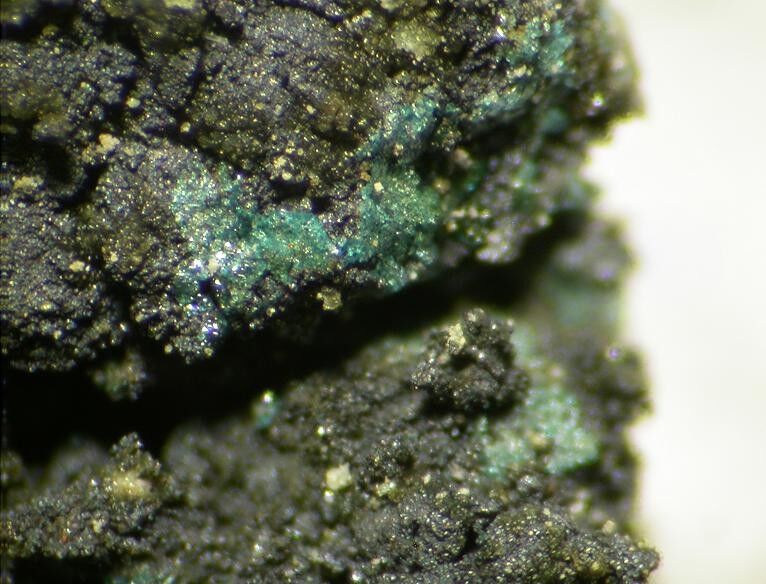
- Green · light grey to light apple green · white · pale rose red when rich in cobalt.
Color may be light pink or light rose at Co:Ni ~ 1:1 (50-50 rule), then becomes white or gray, pale green, and apple-green in the Annabergite end of the series.
- Streak
- Pale green to white (paler than the mineral color).
- Tenacity
- sectile
- Cleavage
- Perfect
Perfect on (010), indistinct on (100), (02).
Flexible in thin {010} laminae
- Density
- 3.07 g/cm³
Optical
- Optical type
- Biaxial (+/-) · 2V measured = 84° · 2V calc = 82°
- Refractive index
- 1.622 – 1.687
- Surface relief
- High
- Principal indices
- nα 1.622 · nβ 1.658 · nγ 1.687
- Birefringence
- 0.065
- Pleochroism
- Non-pleochroic
- Dispersion
- relatively weak r > v
- Extinction
- X=b, Z^c=36°
- Luminescence
- None?
- UV response
- Not fluorescent.
- Notes
Usually biaxial positive, may be biaxial negative
Crystallography
- Space group
- C2/m
- Cell parameters
- a = 10.179(2) Å · b = 13.309(3) Å · c = 4.725(1) Å
- Cell angles
- β = 105.00(1) °
- Ratio a:b:c
- 1 : 1.307 : 0.464
- Z
- 2
- Morphology
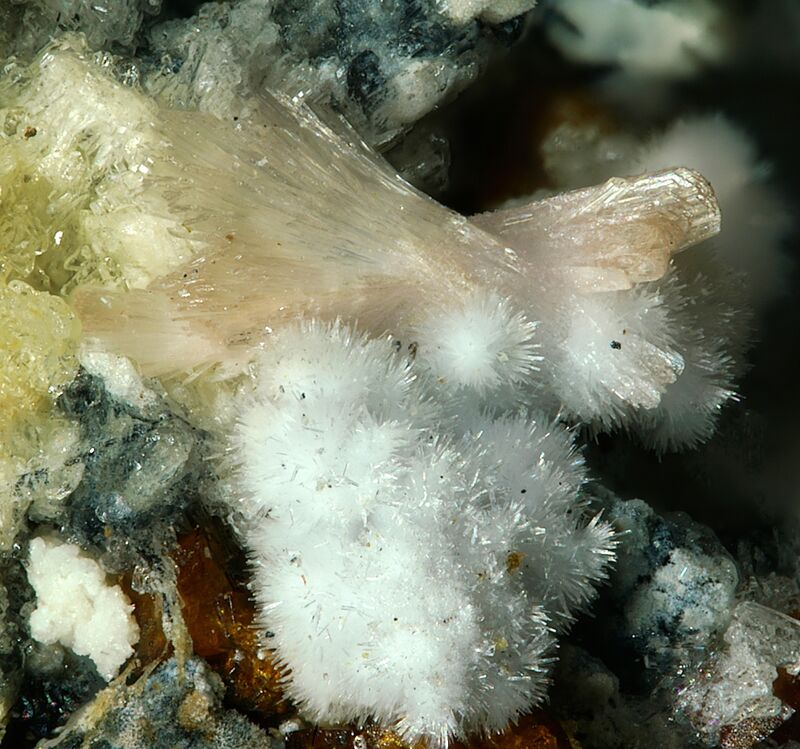
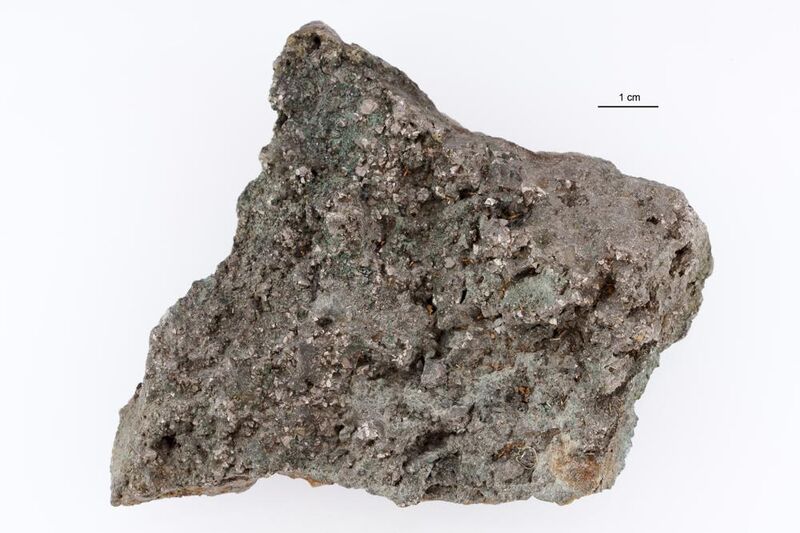
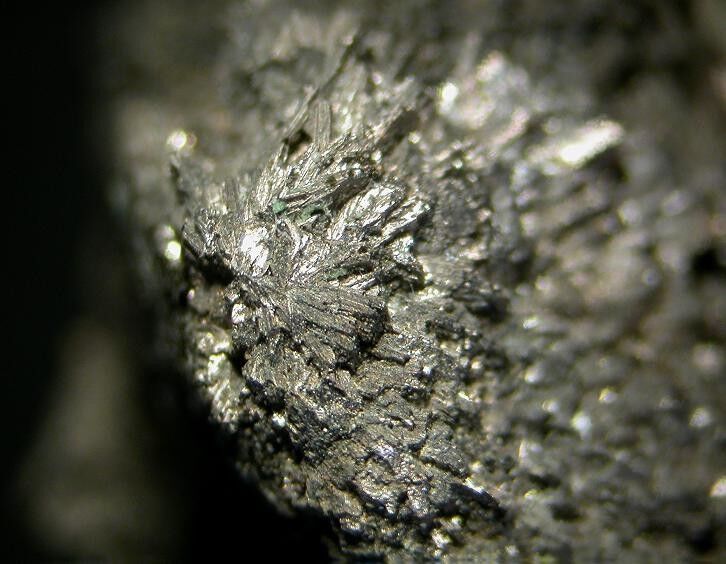
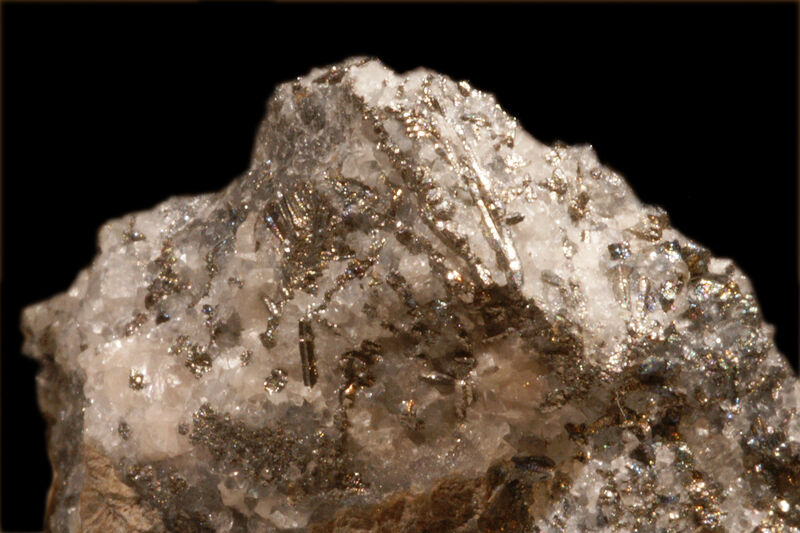
Crystals usually rare and of poor quality, prismatic to acicular [001] and flattened (010). Crystals are deeply striated or furrowed [001], also striated on (010) parallel to {h)l} or {_h0l}. Commonly as fine crystalline coatings or earthy.
- Translation gliding
- T(010), t[001].
- Type-locality form
Green bladed crystals and green coatings
Chemical composition
- Impurities
- Co
- Mg
- Ca
- Zn
- Fe
Synonyms
- Annabergitt
- Arsenate of Nickel
- Cordillerite
- Niccoli calciforme
- Nickel Arseniaté
- Nickel Bloom
- Nickel Green
- Nickel Ocher
- Nickelblüte
- Nickelblüthe
- Nickelocker
- Ochra niccoli
In other languages
- French
- Annabergite · Cabrérite · Dudgeonite · Fleur de nickel · Mine de Cobalt verte · Nickel arseniaté · Nickelocre · Nickeocre
- German
- Annabergit · Nickelblüte
- Spanish
- Annabergita
- Italian
- Annabergite
- Portuguese
- Annabergita · annabergite
- Japanese
- ニッケル華
- Chinese
- 鎳華
- Russian
- Аннабергит
Classification
8.CE.40
- 8Phosphates, Arsenates, VanadatesClass
- 8.CPhosphates without additional anions, with H2ODivision
- 8.CEWith only medium-sized cations, RO4:H2O about 1:2.5Group
- 8.CE.40AnnabergiteSpecies
40.03.06.04
- 40Hydrated Normal Phosphates, Arsenates and VanadatesClass
- 40.03A3(XO4)2·xH2OType
- 40.03.06Vivianite GroupGroup
- 40.03.06.04AnnabergiteSpecies
20.10.9
- 20Arsenates (also arsenates with phosphate, but without other anions)Class
- 20.10Arsenates of Co and NiGroup
- 20.10.9AnnabergiteSpecies
Group, growth & confusion
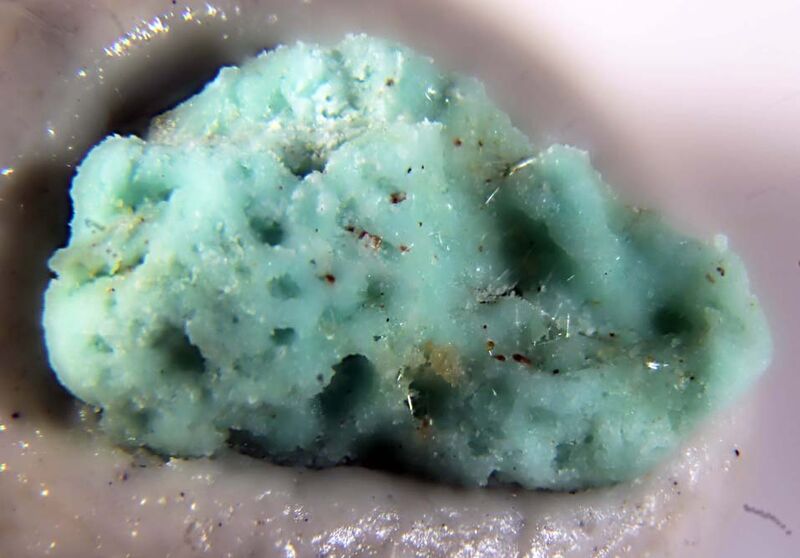 ArupiteNi3(PO4)2 · 8H2OMineral—
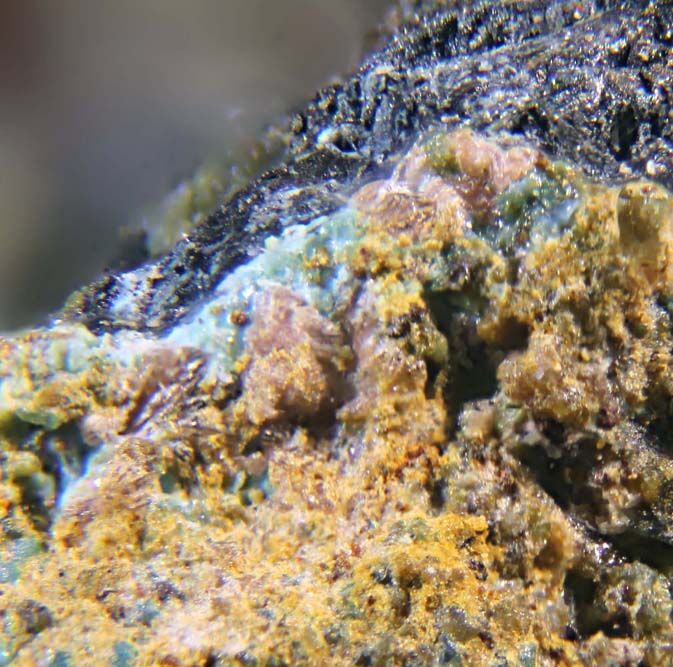 BabánekiteCu3(AsO4)2 · 8H2OMineral—
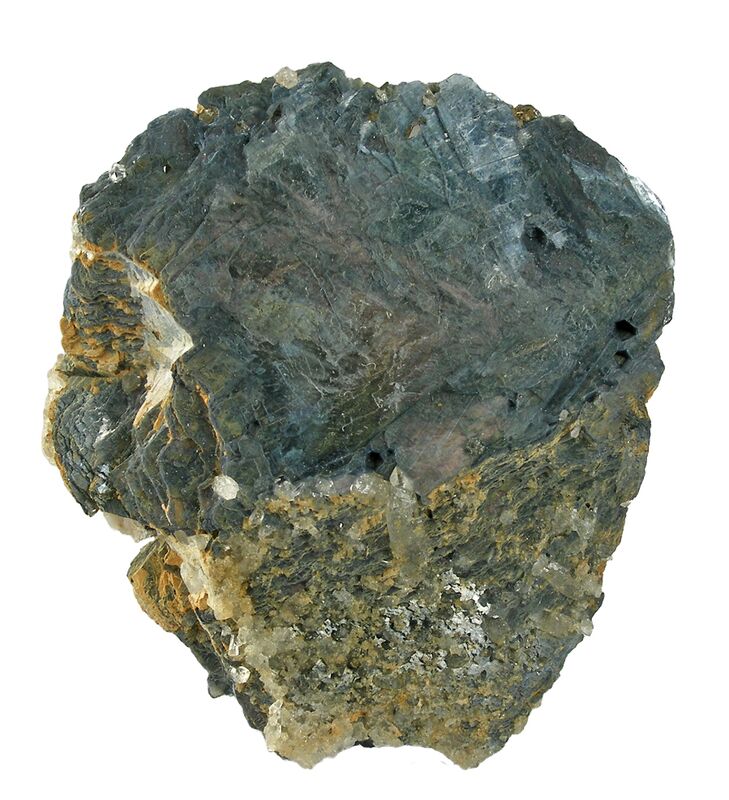 Barićite(Mg,Fe)3(PO4)2 · 8H2OMineral—
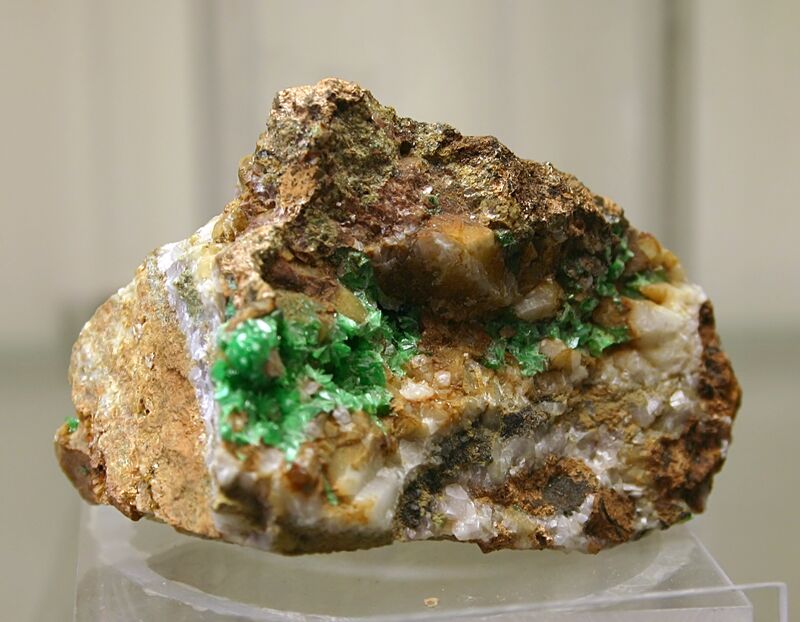 CabreriteNiMg2(AsO4)2·8H2OMineral—
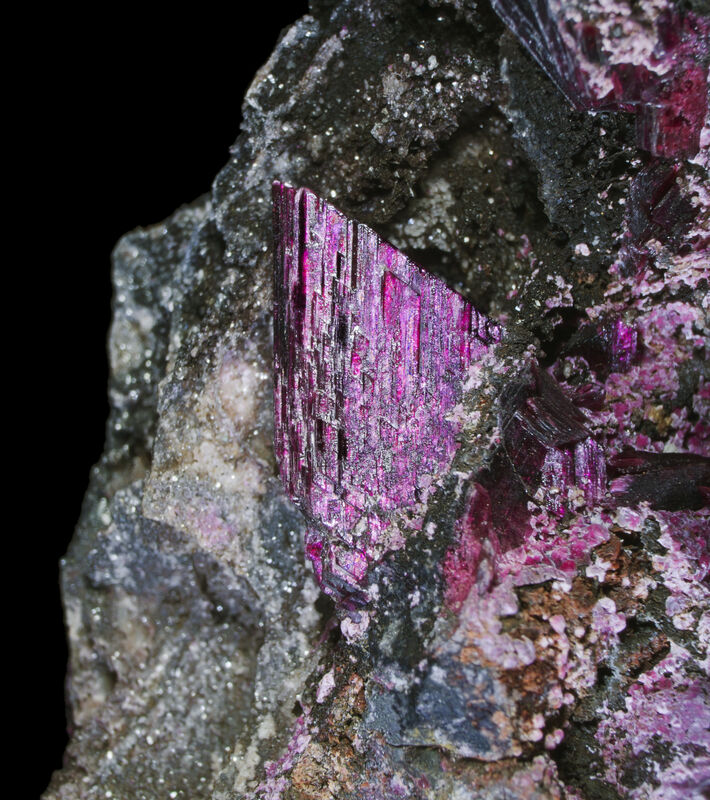 ErythriteCo3(AsO4)2 · 8H2OMineral—
- GritsenkoiteCoMg2(AsO4)2(H2O)8Mineral—
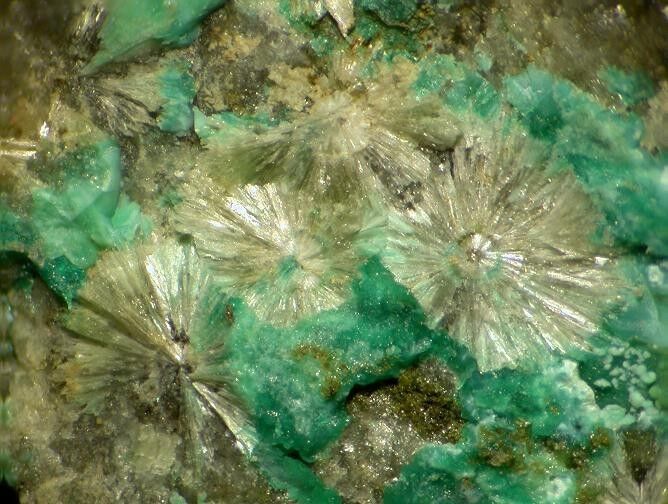 HörnesiteMg3(AsO4)2 · 8H2OMineral—
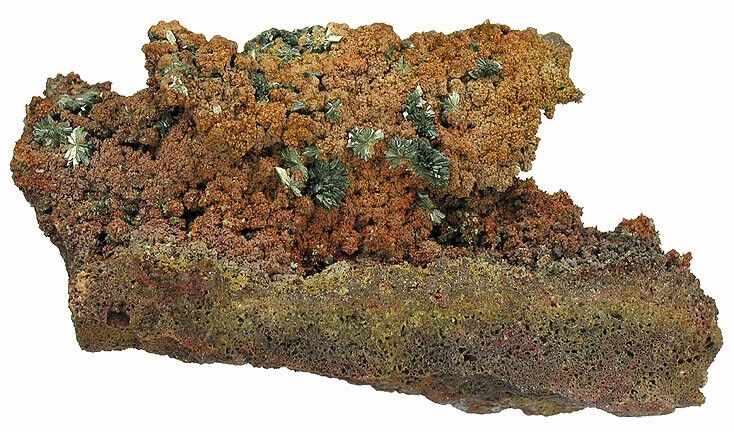 KöttigiteZn3(AsO4)2 · 8H2OMineral—
 ManganohörnesiteMn2+3(AsO4)2 · 8H2OMineral—
- MonteneroiteCu2+Mn2+2(AsO4)2 · 8H2OMineral—
Literature, links & citation
- 1758Cronstedt, Axel Fredrik (1758) Försök till en Mineralogie eller Mineral Rikets Upställning. J. A. Carlbohm, Stockholm.
- 1852Brooke, Henry J., Phillips, William (1852) An Elementary Introduction to Mineralogy (6th ed.)
- 1872Brezina (1872) Mineralogische und petrographische Mitteilungen, Vienna: 19.
- 1884Mügge (1884) Jahrbuch für Mineralogie: I: 53.
- 1889Heddle, Matthew Forster (1889) On Dudgeonite, Hydroplumbite, Plumbonacrite. and Plattnerite. Mineralogical Magazine, 8 (39) 200-203 doi:10.1180/minmag.1889.008.39.07 DOI: 10.1180/minmag.1889.008.39.07
Entry last updated
@misc{mineral2026,
  author    = {Mineral Index editorial board},
  title     = {Annabergite — Mineral Index},
  year      = {2026},
  url       = {https://mineralindex.org/minerals/annabergite-240}
}