History
Long before erythrite had a name, miners in Saxony knew its colour. Cobalt-bearing ore was being mined in Saxony by the 16th century to make smalt — a deep-blue glass pigment ground for use in ceramics and painting — and on the weathered faces of that ore the miners found a thin pink-to-crimson powder. They called it cobalt bloom, Kobaltblüte in German, and learned to read it as a sign that a workable cobalt vein lay underneath.
The ore itself had a bad reputation. It was poor in known metals and gave off poisonous arsenic-bearing fumes when smelted, so the miners blamed it on a mischievous mountain spirit, the Kobold. That name stuck. In 1735 the Swedish chemist Georg Brandt isolated the metal the ore contained and kept the miners' word, calling the new element cobalt.
The pink mineral itself got its scientific name almost a century later. In 1832, the French mineralogist François Sulpice Beudant described it formally and called it erythrite, from the Greek erythros — red — for its crimson-purple colour. The type locality was Grube Daniel, one of the cobalt mines at Schneeberg in Saxony.
Erythrite has a near twin. Replace its cobalt with nickel and the same crystal structure produces annabergite, a pale apple-green mineral that forms as nickel bloom on weathering nickel-arsenide ores. The two end-members are connected by every intermediate composition, so a single specimen can shade from pink toward green as nickel substitutes for cobalt.
For generations of prospectors the bright bloom was the most useful thing about the mineral. A patch of crimson powder on an outcrop is read as a guide to cobalt and to the silver-bearing arsenide ores cobalt often accompanies.
Industrial & practical applications
Erythrite has no significant industrial use of its own. It forms as thin secondary coatings and crusts on weathering cobalt-arsenic ore, not in the volumes a smelter would want, and has never been an economically important mineral.
Its crimson-to-peach surface bloom does still serve field geologists. A patch of pink powder on weathered outcrop is read as a guide to cobalt, and to the silver-bearing arsenide ores cobalt often accompanies. Beyond that, demand for erythrite is the demand of collectors and museums. Specimens from Bou Azzer in Morocco and from the historic Schneeberg cobalt district in Saxony are prized for their colour and their radiating crystal habit.
Where it forms, where it's found
- Geological setting
A secondary mineral in the oxidation zone of some Ni-Co-As mineral deposits.
- Type locality
- Daniel Mine (St. Daniel Mine)
- Neustädtel
- Schneeberg
- Erzgebirgskreis
- Saxony
- Germany
50.5789°, 12.6161°
Safety & handling
Physical
- Hardness
- 1Talc
- 2Gypsum
- 3Calcite
- 4Fluorite
- 5Apatite
- 6Orthoclase
- 7Quartz
- 8Topaz
- 9Corundum
- 10Diamond
- Transparency
- Transparent · Translucent
- Colour
- Crimson to peach red · pale rose · pink
Grades into paler shades and is still pale rose or pale pink at Co:Ni ~ 1:1. Single crystals might exhibit colour banding or may be tipped by material of a different colour.
- Streak
- Pale red to pink (paler than the colour)
- Tenacity
- sectile
- Cleavage
- Perfect
Perfect on (010), poor on (100)(02)
Flexible in thin {010} laminae; sectile
- Density
- 3.06 g/cm³
Optical
- Optical type
- Biaxial (+) · 2V measured = 85 – 90° · 2V calc = 88 – 90°
- Refractive index
- 1.626 – 1.701
- Surface relief
- High
- Principal indices
- nα 1.626 – 1.629 · nβ 1.662 – 1.663 · nγ 1.699 – 1.701
- Pleochroism
- Visible
X= paleish pink to pale rose Y= Pale violet to pale violet-rose Z= deep red
- Dispersion
- r > v
- Notes
May be biaxial negative
Crystallography
- Space group
- C2/m
- Cell parameters
- a = 10.24799(3) Å · b = 13.42490(7) Å · c = 4.755885(8) Å
- Cell angles
- β = 105.1116(3) °
- Ratio a:b:c
- 1 : 1.310 : 0.464
- Z
- 2
- Morphology
Crystals prismatic to acicular [001] and typically flattened on (010); deeply striated or furrowed [001]. Also striated on (010) parallel to {h0l} or {_h0l}. Crystals are rare; frequently as radial or stellate groups; globular or reniform shapes with drusy surfaces and columnar or coarse-fibrous structure. Earthy or powdery.
- Translation gliding
- T(010), t[001].
- Comment
[Co2.78Zn0.11Ni0.07Fe0.04]∑3.00(AsO4)2·8H2O.
Chemical composition
- Impurities
- Ni
- Fe
- Zn
Synonyms
- Arsenate of Cobalt
- Cobalt arseniaté
- Cobalt bloom
- Cobalt crust
- Cobalt Ocher
- Cobalt-mica
- Cobalti minera colore rubro
- Cobaltum Acido arsenico mineralisatum
- Erythrine
- Erythrita
- Erythrite (of Beudant)
- Flos Kobalti
- Kobaltblüte
- Kobold-Blüthe
- Kobolt Blomma
- Koboltbeschlag
- Koboltbeslag
- Koboltblüthe
- Ochra Cobalti rubra
- Red Cobalt
- Red cobalt ochre
- Rhodoial
- Rhodoîse
- Rhodoit
In other languages
- French
- érythrite
- German
- Erythrin
- Spanish
- eritrina
- Italian
- eritrite
- Japanese
- コバルト華
- Chinese
- 鈷華 · 钴华
- Traditional Chinese
- 鈷華
- Russian
- эритрин
- Arabic
- إريثريت
Classification
8.CE.40
- 8Phosphates, Arsenates, VanadatesClass
- 8.CPhosphates without additional anions, with H2ODivision
- 8.CEWith only medium-sized cations, RO4:H2O about 1:2.5Group
- 8.CE.40ErythriteSpecies
40.03.06.03
- 40Hydrated Normal Phosphates, Arsenates and VanadatesClass
- 40.03A3(XO4)2·xH2OType
- 40.03.06Vivianite GroupGroup
- 40.03.06.03ErythriteSpecies
20.10.1
- 20Arsenates (also arsenates with phosphate, but without other anions)Class
- 20.10Arsenates of Co and NiGroup
- 20.10.1ErythriteSpecies
Group, growth & confusion
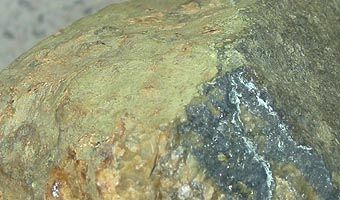 AnnabergiteNi3(AsO4)2 · 8H2OMineral—
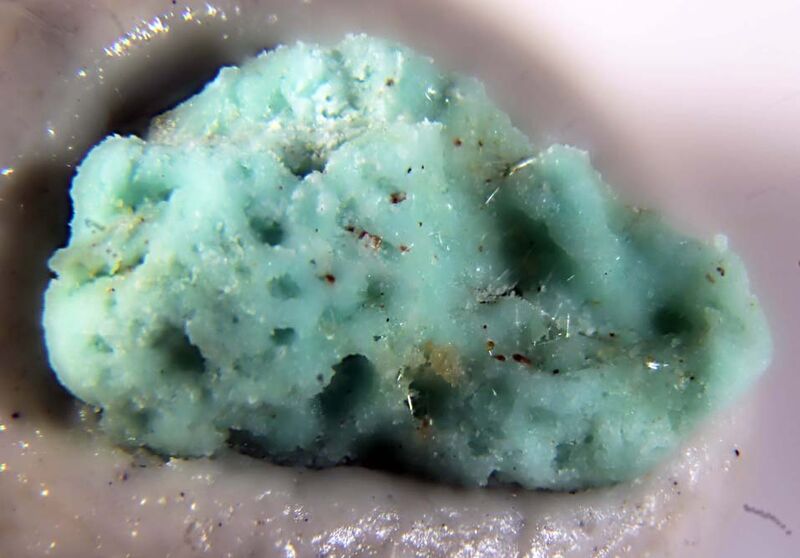 ArupiteNi3(PO4)2 · 8H2OMineral—
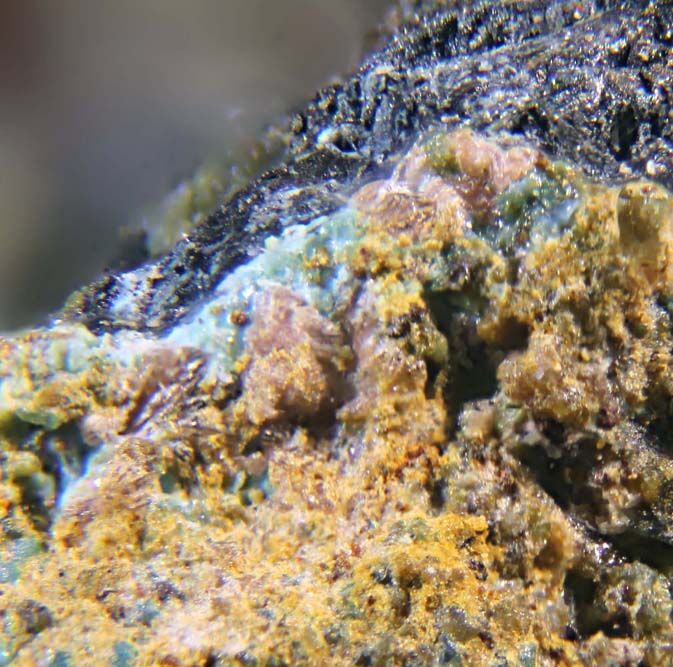 BabánekiteCu3(AsO4)2 · 8H2OMineral—
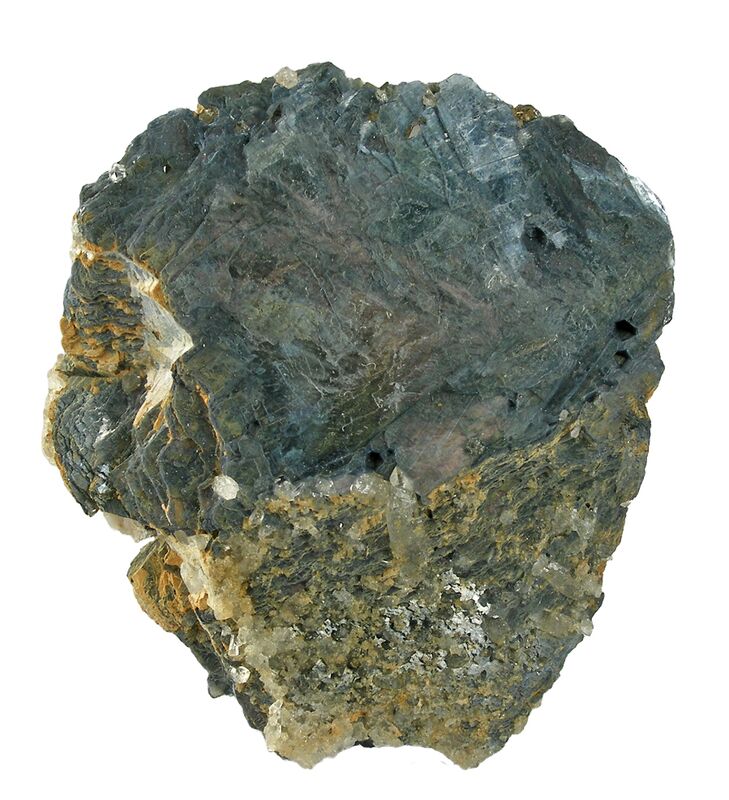 Barićite(Mg,Fe)3(PO4)2 · 8H2OMineral—
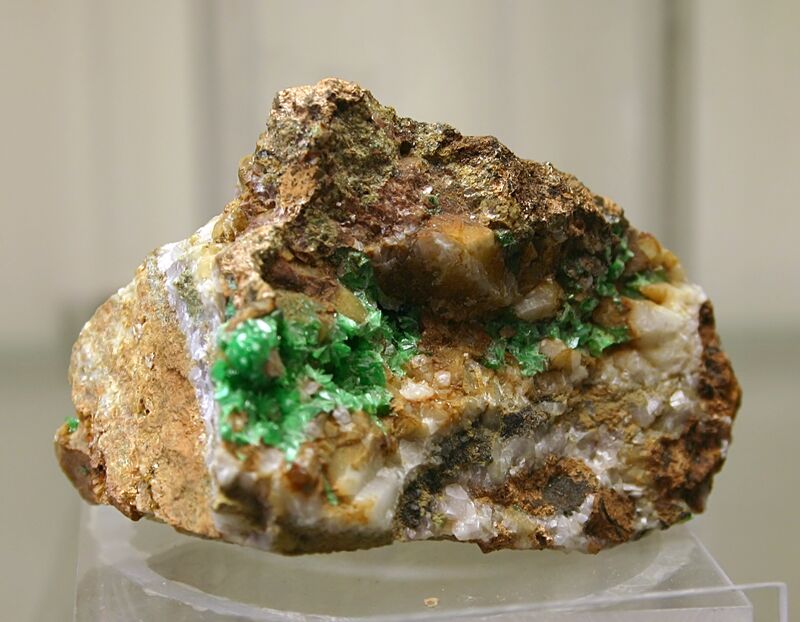 CabreriteNiMg2(AsO4)2·8H2OMineral—
- GritsenkoiteCoMg2(AsO4)2(H2O)8Mineral—
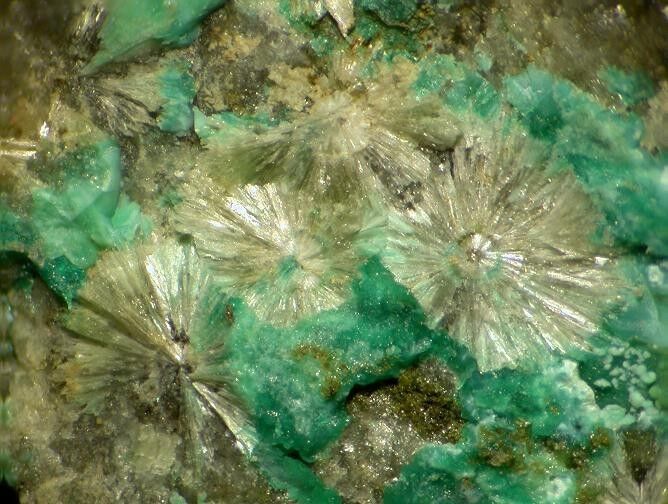 HörnesiteMg3(AsO4)2 · 8H2OMineral—
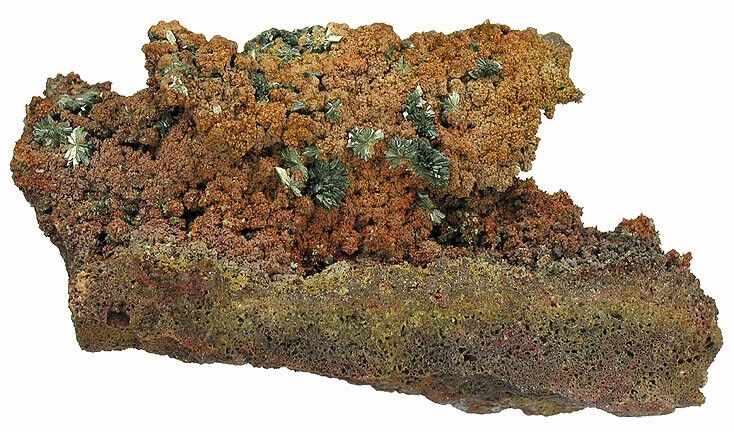 KöttigiteZn3(AsO4)2 · 8H2OMineral—
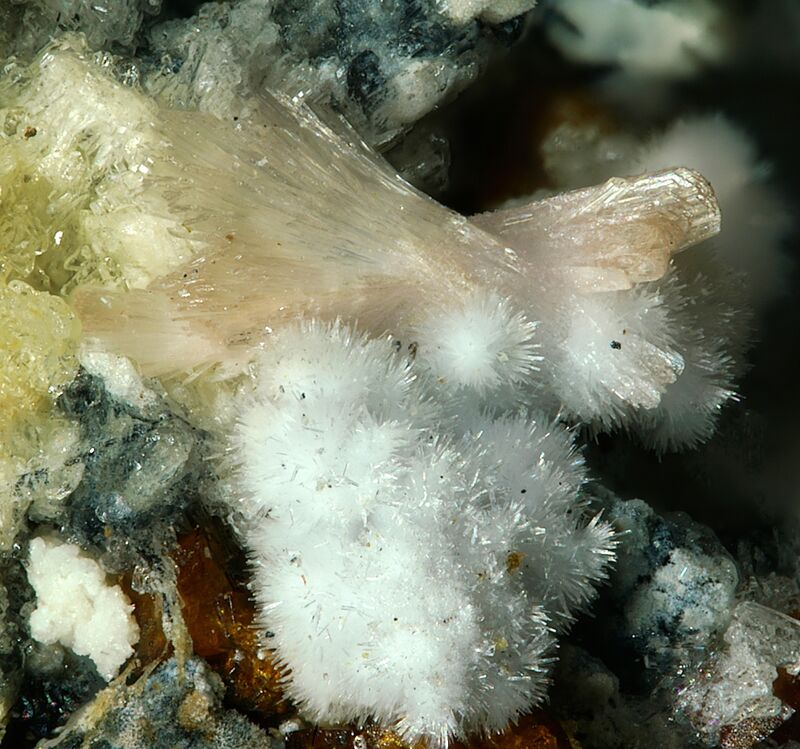 ManganohörnesiteMn2+3(AsO4)2 · 8H2OMineral—
- MonteneroiteCu2+Mn2+2(AsO4)2 · 8H2OMineral—
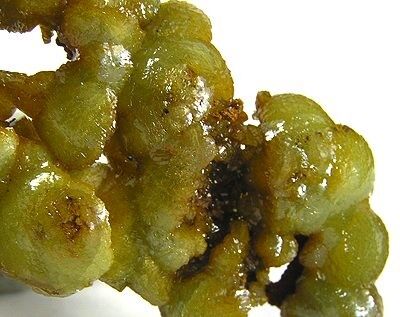 AdamiteZn2(AsO4)(OH)Mineral—
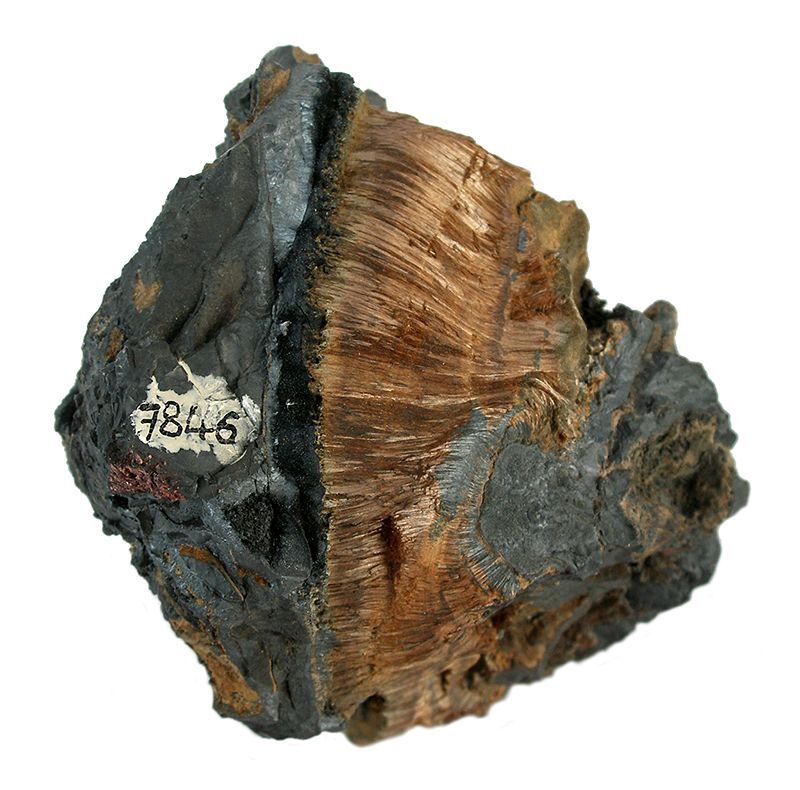 ArseniosideriteCa2Fe3+3O2(AsO4)3 · 3H2OMineral—
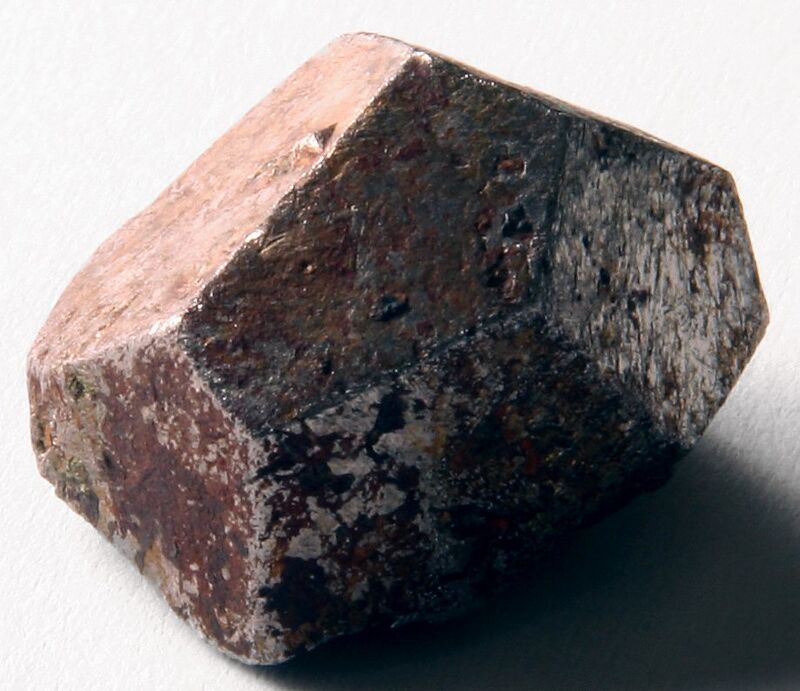 CobaltiteCoAsSMineral—
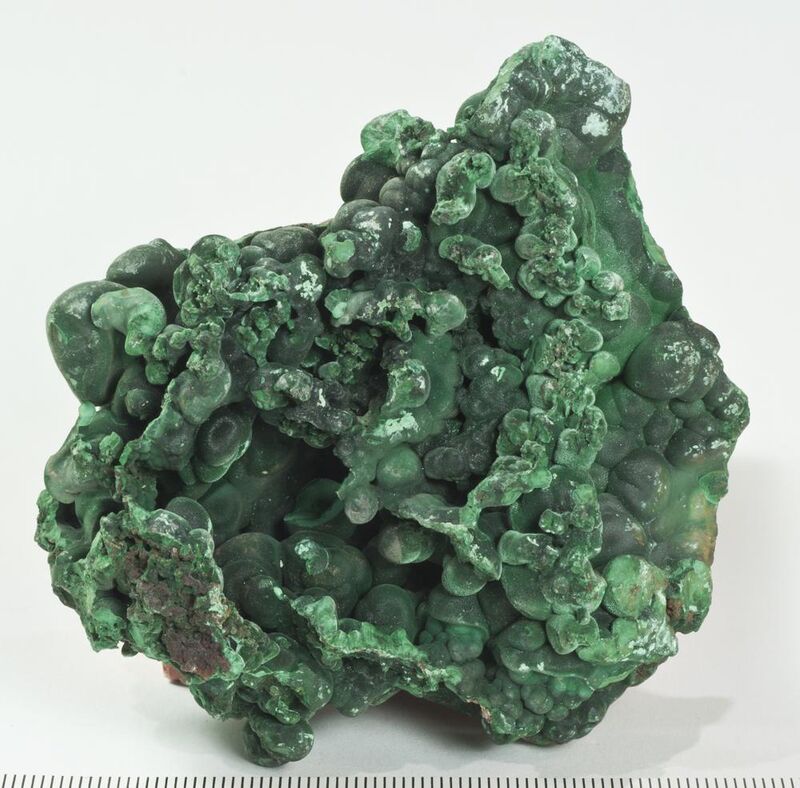 MalachiteCu2(CO3)(OH)2Mineral—
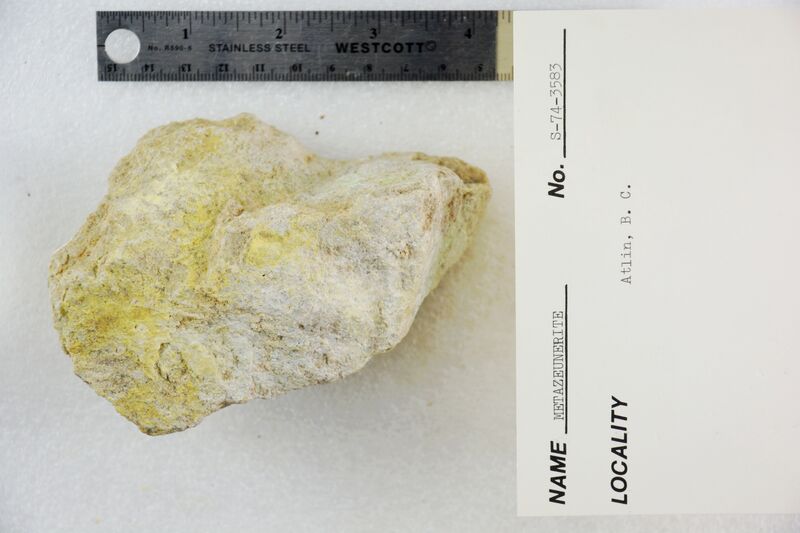 MetazeuneriteCu(UO2)2(AsO4)2 · 8H2OMineral—
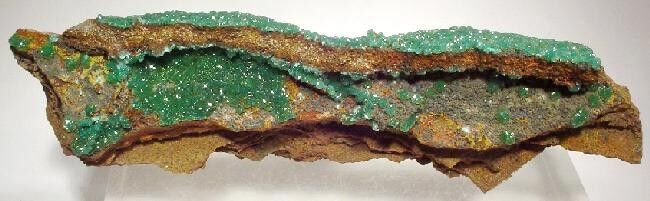 MixiteCu6Bi(AsO4)3(OH)6 · 3H2OMineral—
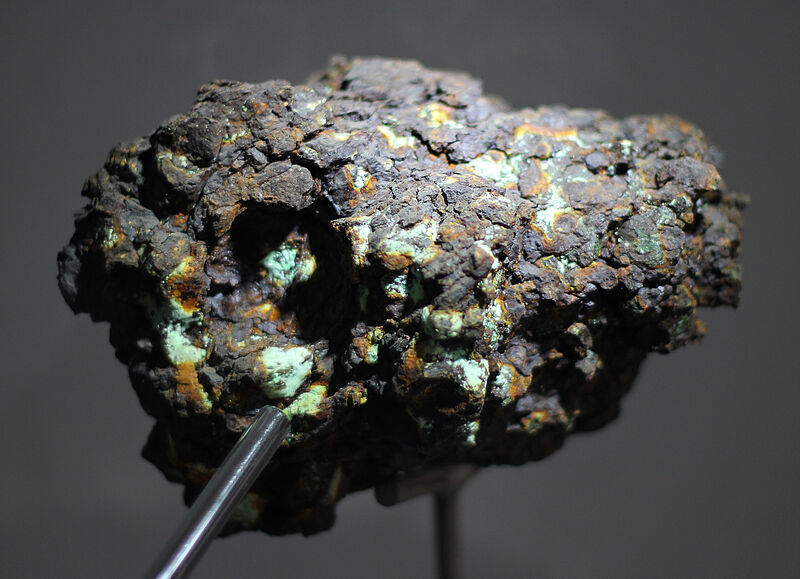 MorenositeNi(SO4) · 7H2OMineral—
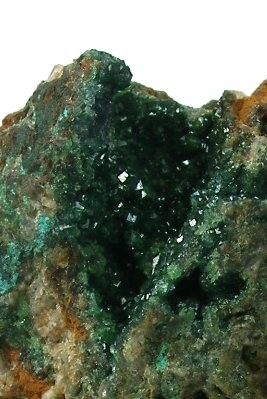 PharmacosideriteKFe3+4(AsO4)3(OH)4 · 6-7H2OMineral—
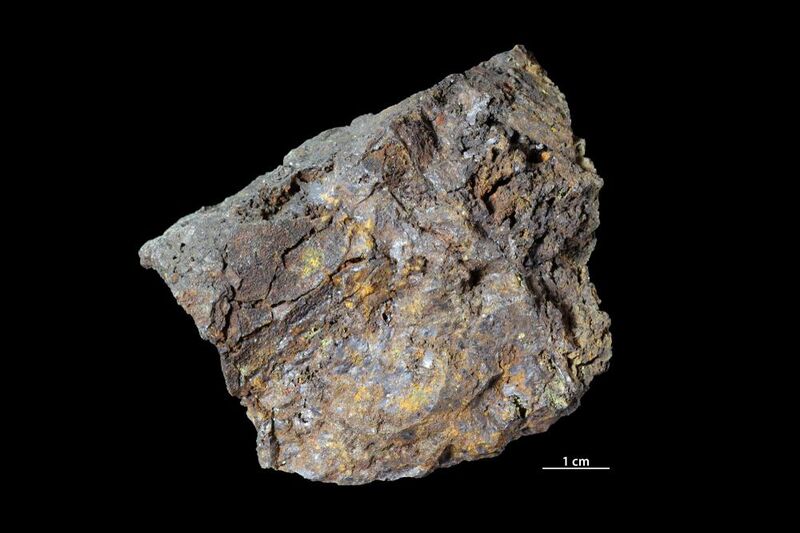 Pitticite[Fe,AsO4,SO4,H2O] (?)Mineral—
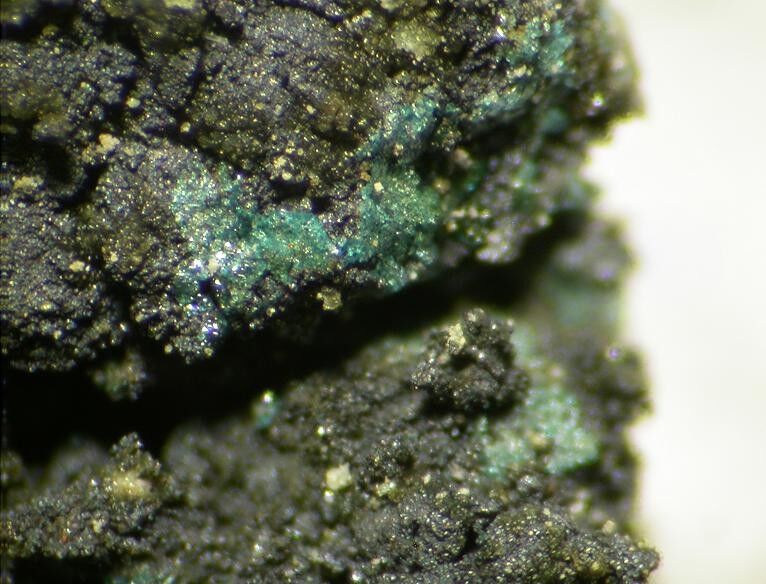 RetgersiteNi(SO4) · 6H2OMineral—
Literature, links & citation
- 1727Bruckmann (1727) Magnalia dei in locis subterraneis, part 1: 161 (as Kobold-Blüthe).
- 1747Wallerius, J.G (1747) Mineralogia, eller Mineralriket. Stockholm: 234 (as Kobalt Blomma, Flos Cobalti [crystals], Koboltbeslag [earthy & impure], Cobalti minera colore rubro).
- 1758Cronstedt, Axel Fredrik (1758) Försök till en Mineralogie eller Mineral Rikets Upställning. J. A. Carlbohm, Stockholm.
- 1780Bergmann, T. (1780) Opuscula of Tobernus Bergmann: 2: 444 (as Cobaltum Acido arsenico mineralisatum).
- 1783Bergman, Torbern (1783) Sciagraphia Regni Mineralis Secundum Principia Proxima Digesti [Sketch of the Mineral Kingdom According to the Proximate Principles of Digestion]. Apud Johannem Murray, Londini. 165pp.
Entry last updated
@misc{mineral2026,
  author    = {Mineral Index editorial board},
  title     = {Erythrite — Mineral Index},
  year      = {2026},
  url       = {https://mineralindex.org/minerals/erythrite-1407}
}