Where it forms, where it's found
- Geological setting
Deep mantle-derived rocks such as kimberlites, lamprophyres, and others. With decreasing pressure, the diamonds dissolve back into the rock. To occur and survive in a metastable state at the surface they must arrive from depth quickly and very often crystals show dissolution features because the transport to the surface is not quick enough. Since diamond is extremely hard, it survives in alluvia.
Varieties
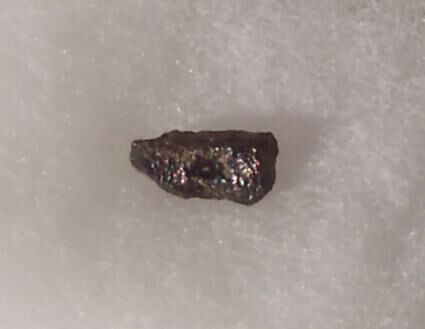
Physical
- Hardness
- 1Talc
- 2Gypsum
- 3Calcite
- 4Fluorite
- 5Apatite
- 6Orthoclase
- 7Quartz
- 8Topaz
- 9Corundum
- 10Diamond
- Lustre
- Adamantine
- Transparency
- Transparent · Translucent · Opaque
- Colour
- Colourless · yellowish to yellow · brown · black · blue · green or red · pink · champagne-tan · cognac-brown · lilac (very rare)
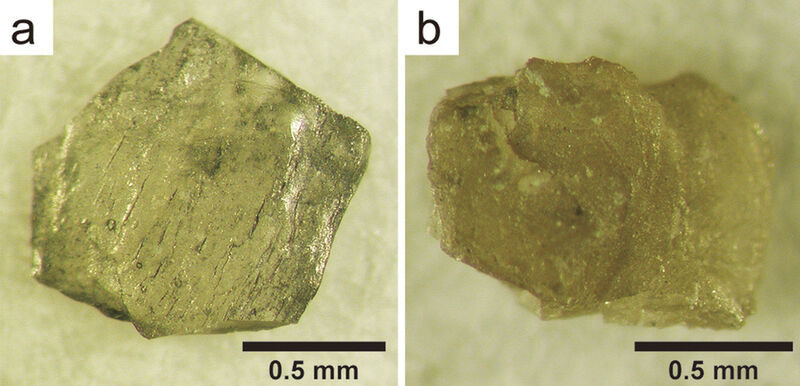
Eaton-Magaña, S., Ardon, T., Smit, K. V., Breeding, C. M., & Shigley, J. E. (2018). Natural-color Pink, Purple, Red, and Brown Diamonds: Band of Many Colors. Gems & Gemology, 54(4). The spectroscopic data show that the yellow color of this diamond is due to N3 and N2 defects, although other kind of defects were detected, i.e., N3VH0 defects and platelets. The incorporation of H and defects resulting from the nitrogen aggregation are related to high-temperature formation, supporting the hypothesis that growth started at depths compatible with mantle conditions. [[1]]
- Streak
- none
- Tenacity
- brittle
- Cleavage
- Perfect
Perfect octahedral (111)
- Fracture
- Irregular/Uneven
- Density
- 3.5 g/cm³
Optical
- Optical type
- Isotropic
- Surface relief
- Very high
- Principal indices
- n 2.4354
- Birefringence
- Strain birefringence common (Raman and Rendall, 1944; Lang 1967; Howell, 2012).
- Pleochroism
- Non-pleochroic
- Dispersion
- Strong
- Luminescence
- Some stones fluoresce pale blue, green, yellow, and, rarely, red.
- UV response
- Some - blue, also phosphorescent
- Notes
n = 2.4354 (486), 2.4175 (589), 2.4076 (687)
- Single index
- n = 2.435
Crystallography
- Space group
- Fd-3m
- Cell parameters
- a = 3.5595 Å
- Z
- 8
- Morphology
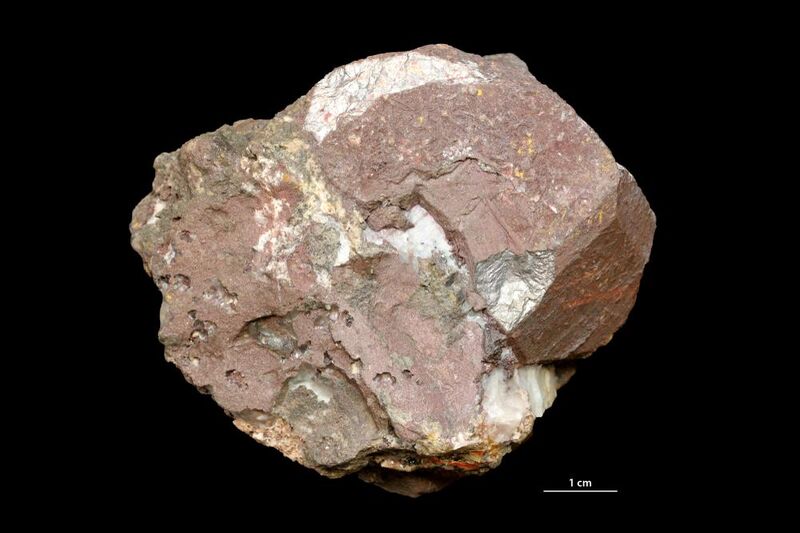
Octahedral crystals, also dodecahedrons, cubes, tetrahedral. Often has curved faces.
- Twinning
Spinel-type twinning on (111) (Slawson, 1950).
Chemical composition
Synonyms
- Adamas, punctum lapidis pretiosior auro
- Ademant
- Crinkled Stone
- Diamaunde
- Moonlight Diamonds
- Oesterreicher
In other languages
- French
- diamant
- German
- Diamant
- Spanish
- diamante
- Italian
- diamante
- Portuguese
- diamante
- Japanese
- ダイヤモンド · 金剛石
- Chinese
- 金刚石 · 金鋼石 · 鑽石 · 钻石
- Simplified Chinese
- 金刚石 · 钻石
- Traditional Chinese
- 金鋼石 · 鑽石
- Russian
- алмаз
- Arabic
- ألماس · الألماس
- Hindi
- हीरा
Classification
1.CB.10a
- 1ElementsClass
- 1.CMetalloids and NonmetalsDivision
- 1.CBCarbon-silicon familyGroup
- 1.CB.10aDiamondSpecies
01.03.06.01
- 01Native Elements and AlloysClass
- 01.03Semi-metals and non-metalsType
- 01.03.06Carbon Polymorph groupGroup
- 01.03.06.01DiamondSpecies
1.24
- 1Elements and Alloys (including the arsenides, antimonides and bismuthides of Cu, Ag and Au)Class
- 1.24— unnamed intermediate level —Group
- 1.24DiamondSpecies
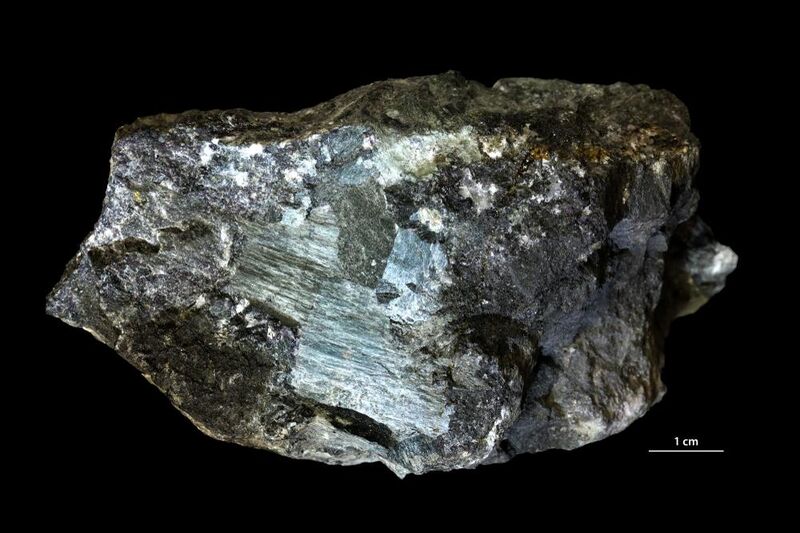
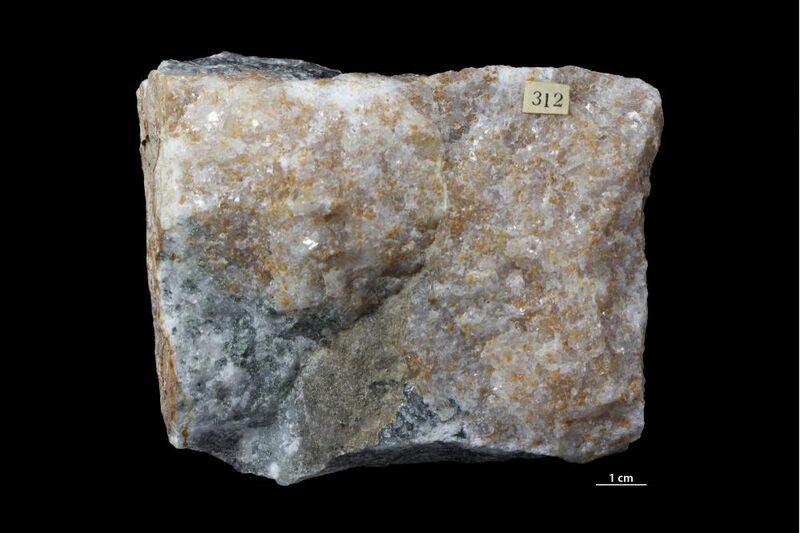
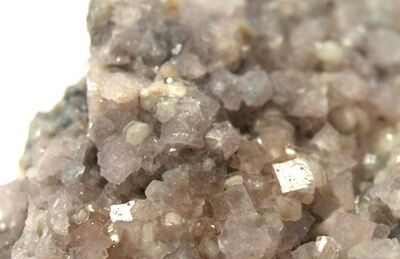
Group, growth & confusion
Literature, links & citation
- —Devlin, Stuart (undated) From the Diamonds of Argyle to the Champagne Jewels of Stuart Devlin (Goldsmith to the Queen). Sing Lee Printing Fty., Ltd. Hong Kong.
- 1864Goeppert, H.R. (1864) Ueber Einschlusse im Diamont. Haarlem: De Erven Loosjes.
- 1867Emmanuel, H. (1867) Diamonds and Precious Stones; Their History, Value, and Distinguishing Characteristics, 266pp., London.
- 1873Lindley, A.F., Capt. (1873) Adamantia - The Truth about the South African Diamond Fields. WH&L Collingridge, London.
- 1873Richmond, J.F. (1873) Diamonds, Unpolished and Polished. New York: Nelson & Phillips.
Entry last updated
@misc{mineral2026,
  author    = {Mineral Index editorial board},
  title     = {Diamond — Mineral Index},
  year      = {2026},
  url       = {https://mineralindex.org/minerals/diamond-1282}
}