Where it forms, where it's found
- Type locality
- Czech Republic
352recorded occurrences
Varieties
Physical
- Hardness
- 1Talc
- 2Gypsum
- 3Calcite
- 4Fluorite
- 5Apatite
- 6Orthoclase
- 7Quartz
- 8Topaz
- 9Corundum
- 10Diamond
- Lustre
- Vitreous
- Transparency
- Transparent · Translucent
- Colour
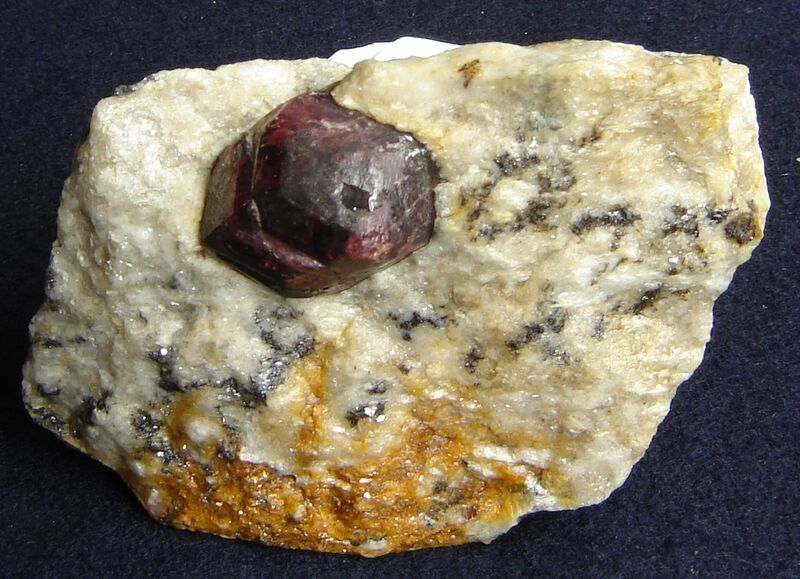
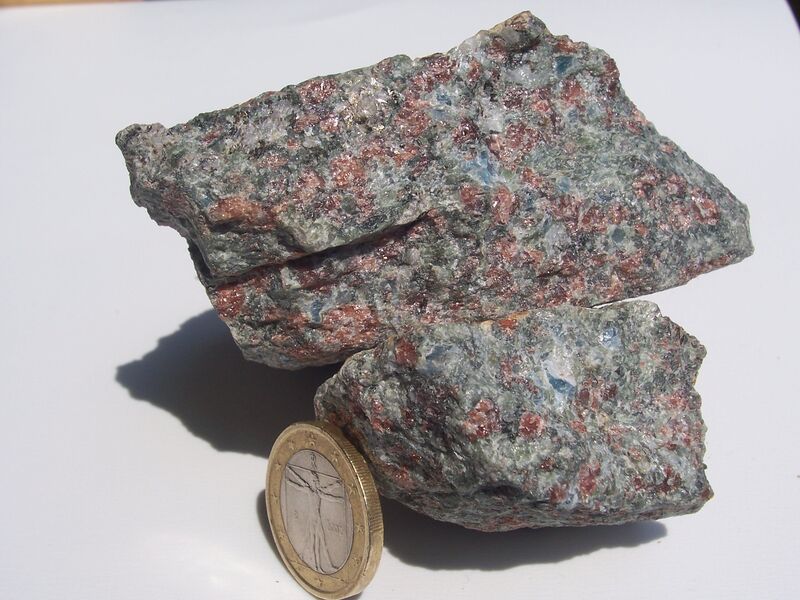
- Blood red · orange red · purple red · pink · black red · colorless.
The “alexandrite effect” is when its colour changes from green in the presence of daylight to purplish red under incandescent light. The UV-Vis spectra show two zones of transmittance, in the red region at 650–700 nm and the blue-green region at 460–510 nm. The absorption bands of Cr3+ and V3+ at 574 nm in the UV-Vis spectra are the main cause of the change in colour. see: Qiu, Yan, and Ying Guo
- Streak
- White
- Tenacity
- brittle
- Cleavage
- None Observed
None
- Fracture
- Conchoidal
- Density
- 3.582 g/cm³
Optical
- Optical type
- Isotropic
- Surface relief
- High
- Principal indices
- n 1.714
- Luminescence
- None
- Notes
R.I. value given for pure synthetic material. R.I. values for natural material typically fall between 1.720-1.770
PPL intrinsic colour; no change on stage rotation
XPL extinct at every orientation
- Single index
- n = 1.714
Crystallography
- Space group
- Ia3d
- Cell parameters
- a = 11.459 Å
- Z
- 8
- Morphology
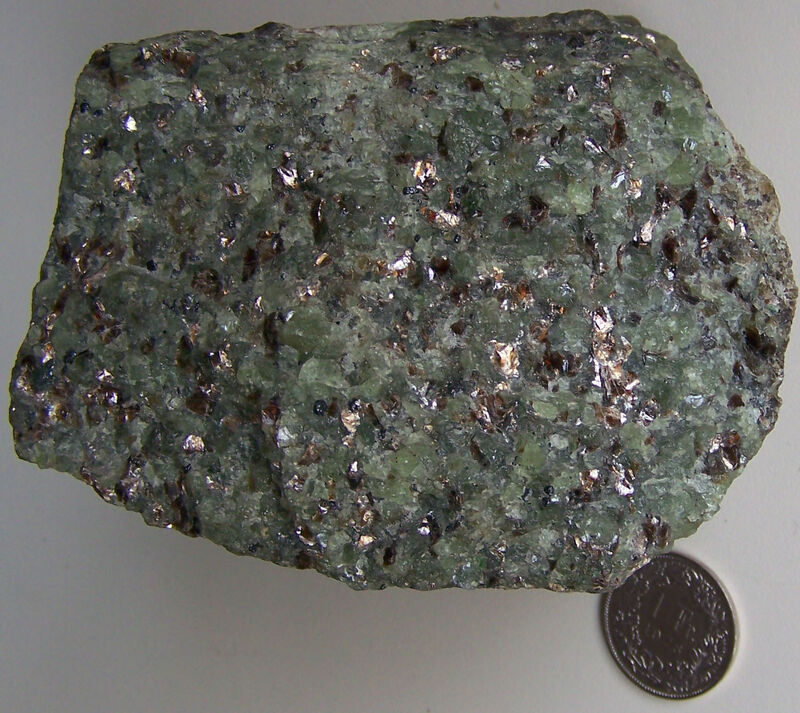
Subhedral to euhedral crystals, showing the dodecahedron or trapezohedral forms, to 20 cm; also granular, massive.
Crystal structure
Chemical composition
- Impurities
- Fe
- Mn
- Ca
Synonyms
- Arizona Ruby
- Bohemian Garnet
- Böhmischer Granat
- Cape Ruby
- Colorado Ruby
- Elie Ruby
- Pyrope Garnet
- Vogesit
- Vogesita
In other languages
- French
- pyrope
- German
- Pyrop
- Spanish
- piropo
- Italian
- piropo · Pyrope
- Japanese
- パイロープ · 苦礬柘榴石
- Chinese
- 紅榴石 · 鎂鋁榴石 · 镁铝榴石
- Simplified Chinese
- 镁铝榴石
- Traditional Chinese
- 鎂鋁榴石
- Russian
- пироп
- Arabic
- بيروب · سليكات المغنيسيوم والألومنيوم
Classification
Strunz
10th ed.9.AD.25
- 9SilicatesClass
- 9.ANesosilicatesDivision
- 9.ADNesosilicates without additional anions; cations in [6] and/or greater coordinationGroup
- 9.AD.25PyropeSpecies
Dana
8th ed.51.04.3a.01
- 51Nesosilicates Insular Sio4 Groups OnlyClass
- 51.04Insular SiO4 Groups Only with cations in [6] and >[6] coordinationType
- 51.04.3a— unnamed intermediate level —Group
- 51.04.3a.01PyropeSpecies
CIM
—16.7.1
- 16Silicates Containing Aluminum and other MetalsClass
- 16.7Aluminosilicates of MgGroup
- 16.7.1PyropeSpecies
Group, growth & confusion
 AlmandineFe2+3Al2(SiO4)3Mineral—
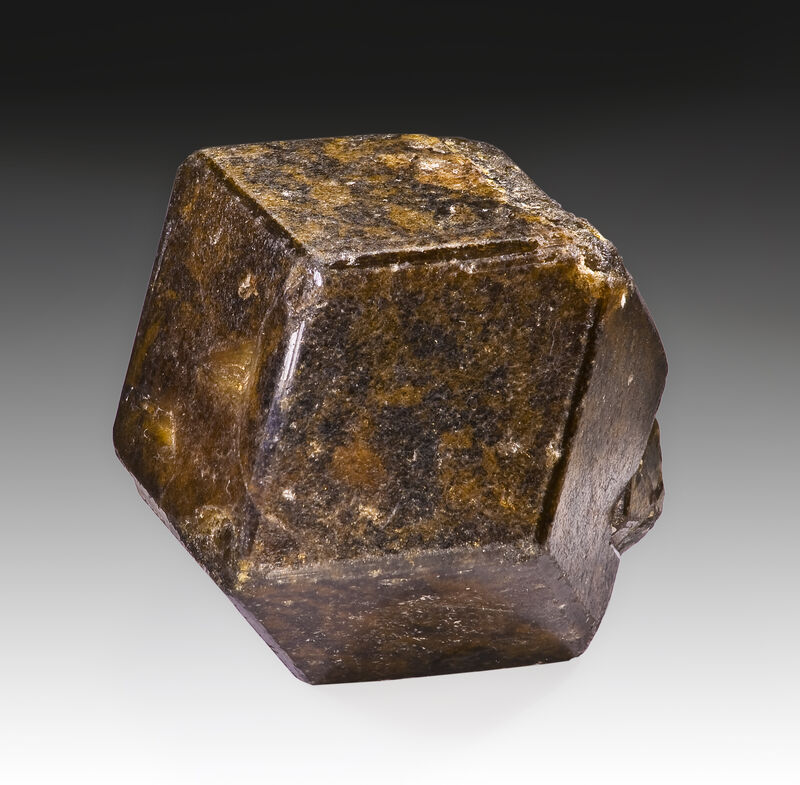 AndraditeCa3Fe3+2(SiO4)3Mineral—
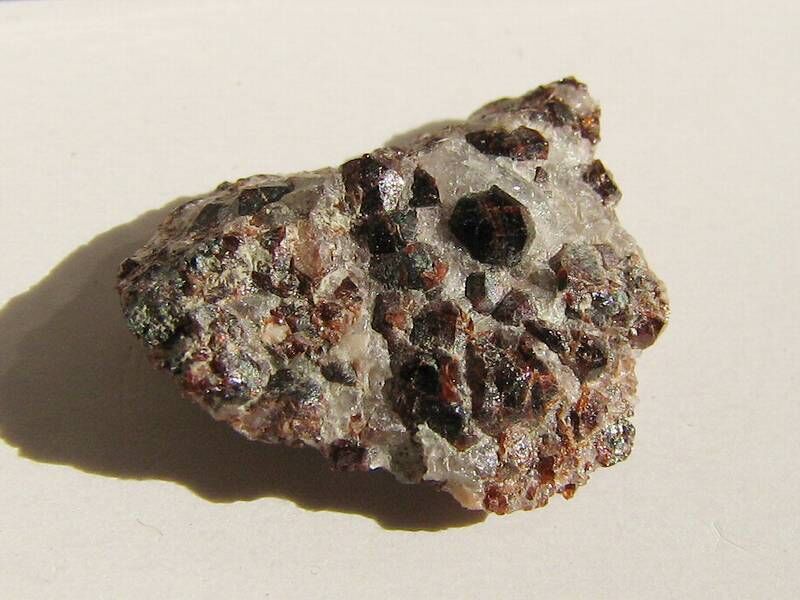 CalderiteMn2+3Fe3+2(SiO4)3Mineral—
- EringaiteCa3Sc2(SiO4)3Mineral—
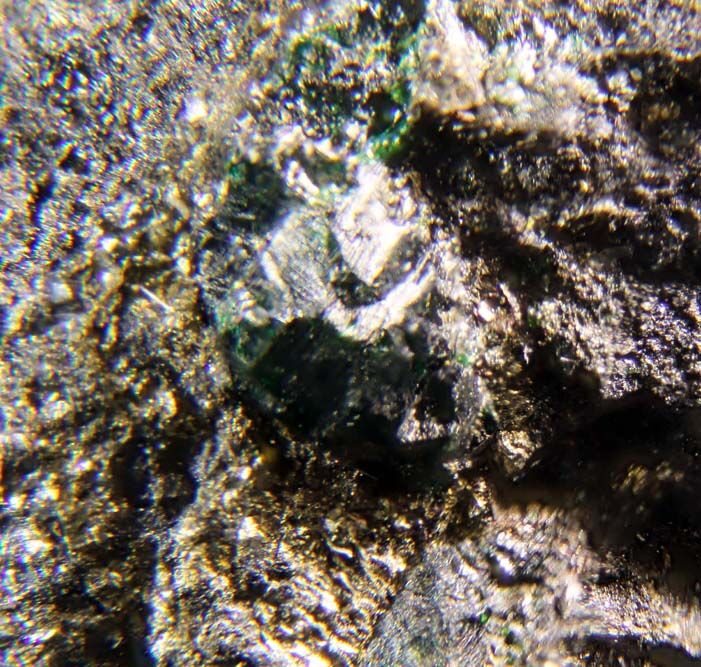 GoldmaniteCa3V3+2(SiO4)3Mineral—
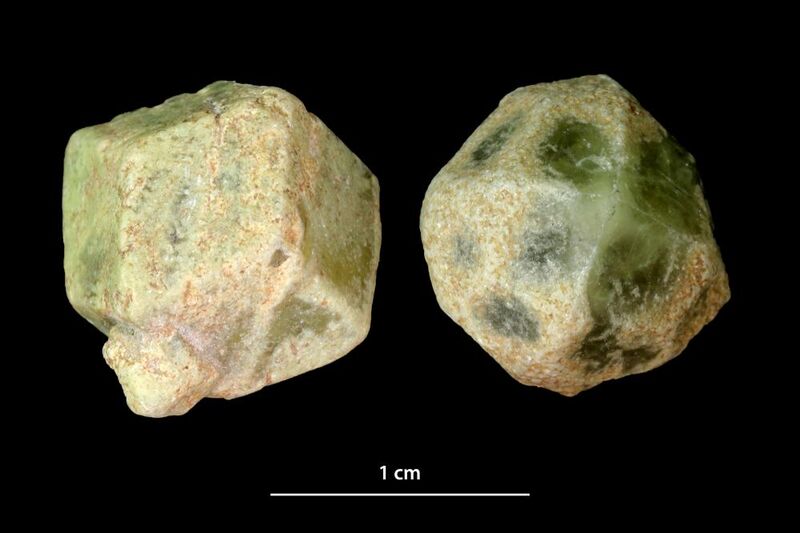 GrossularCa3Al2(SiO4)3Mineral—
- KnorringiteMg3Cr2(SiO4)3Mineral—
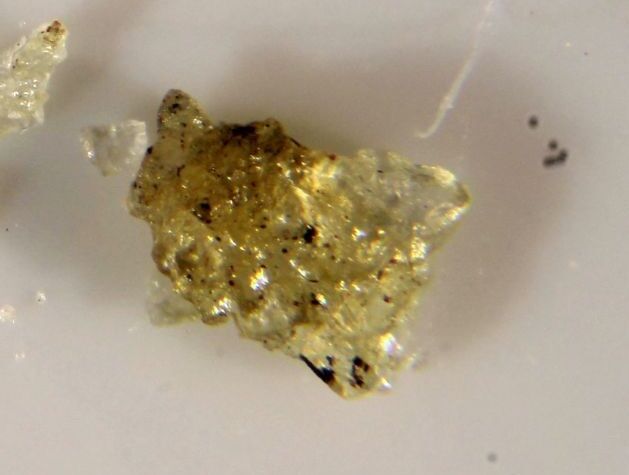 MajoriteMg3(MgSi)(SiO4)3Mineral—
- Menzerite-(Y)(CaY2)Mg2(SiO4)3Mineral—
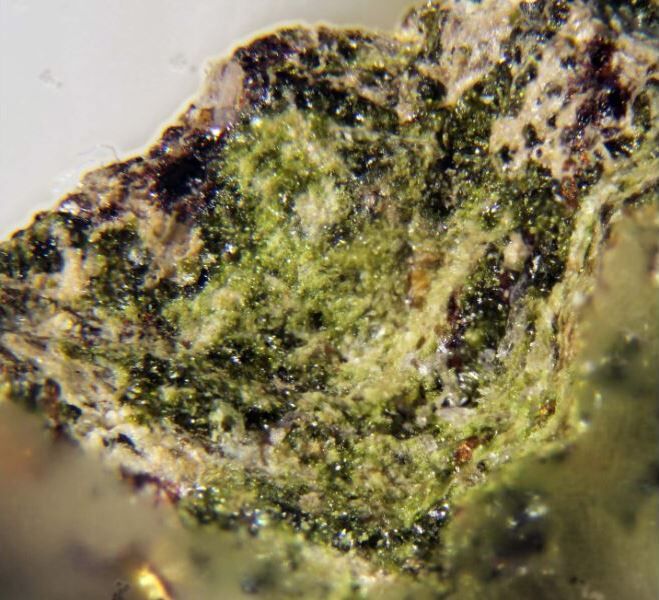 MomoiiteMn2+3V3+2(SiO4)3Mineral—
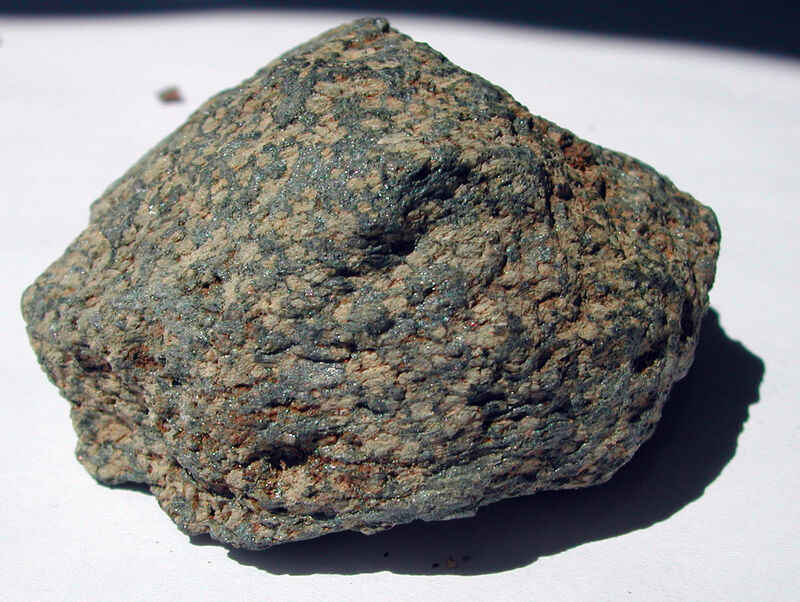
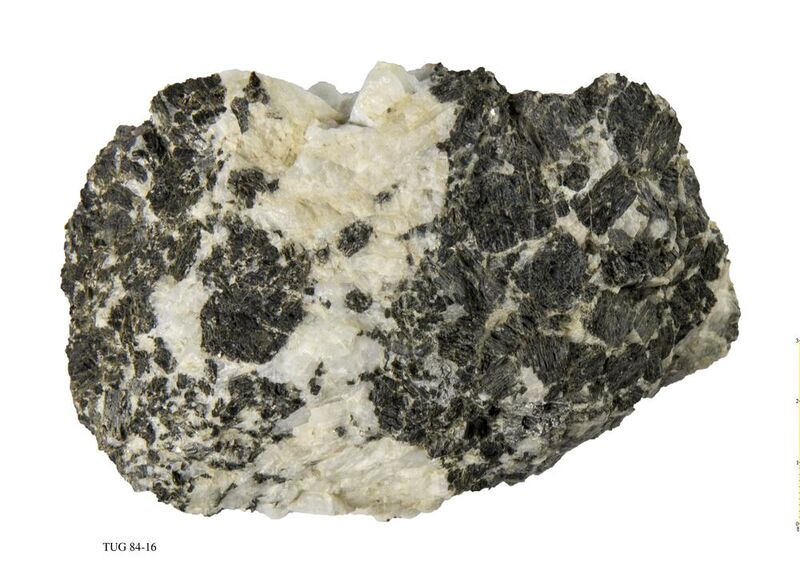
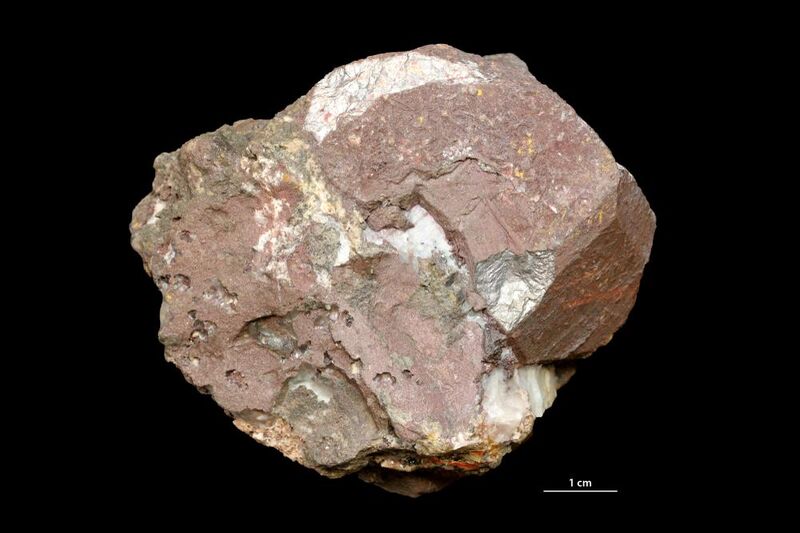
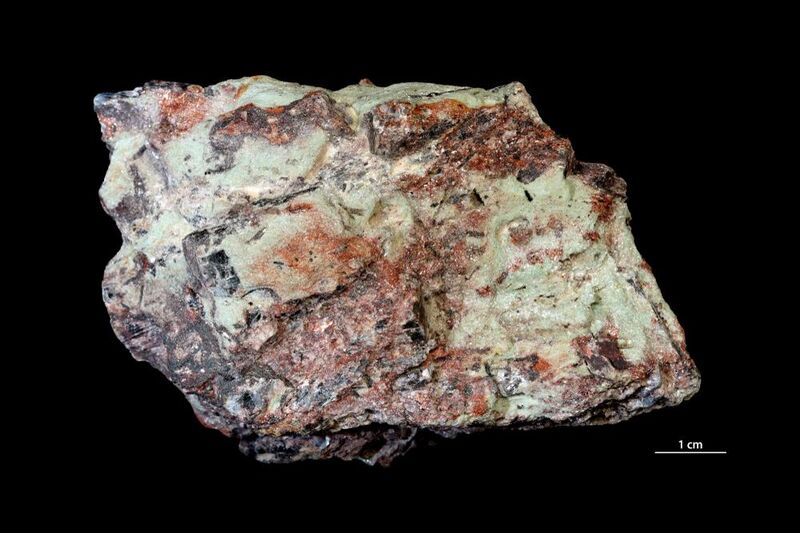
Literature, links & citation
Citations
- 1797Klaproth, M. H. (1797) XXIX. Untersuchung des böhmischen Granats. In Beiträge zur chemischen Kenntniss der Mineralkörper Vol. 2. Rottmann. p.16-21.
- 1803Ludwig C F (1803) Sippschaft des granats. Pyrop. in Handbuch der Mineralogie nach A. G. Werner, Siegfried Lebrécht Crusius (Leipzig) 62-67
- 1971Novak, G. A., Gibbs, G. V. (1971) The crystal chemistry of the silicate garnets. American Mineralogist, 56 (5-6) 791-825
- 1977Kolesnik, Y.N., Nogteva, V.V., Paukov, I.Y. (1977) The specific heat of pyrope at 13 to 300 K and the thermodynamic parameters of some natural varieties of garnet. Geochemistry International 1977: 126-133.
- 1984Richet, Pascal, Bottinga, Yan (1984) Anorthite, andesine, wollastonite, diopside, cordierite and pyrope: thermodynamics of melting, glass transitions, and properties of the amorphous phases. Earth and Planetary Science Letters, 67 (3) 415-432 doi:10.1016/0012-821x(84)90179-1DOI: 10.1016/0012-821x(84)90179-1
Cite this entry
Entry last updated
@misc{mineral2026,
  author    = {Mineral Index editorial board},
  title     = {Pyrope — Mineral Index},
  year      = {2026},
  url       = {https://mineralindex.org/minerals/pyrope-3321}
}