History
The name diopside does not refer to seeing double through the crystal, as is sometimes assumed. It comes from the Greek dis — twice — and opsis — appearance. The reference is to the prism itself, which can be oriented in two distinct ways.
Diopside was first described in 1800 by the Brazilian naturalist José Bonifácio de Andrada e Silva. The species predates the modern International Mineralogical Association and is carried in the lists as a pre-IMA valid species from that date. The formal name we still use was coined a few years later, in 1806, by the French mineralogist René Just Haüy.
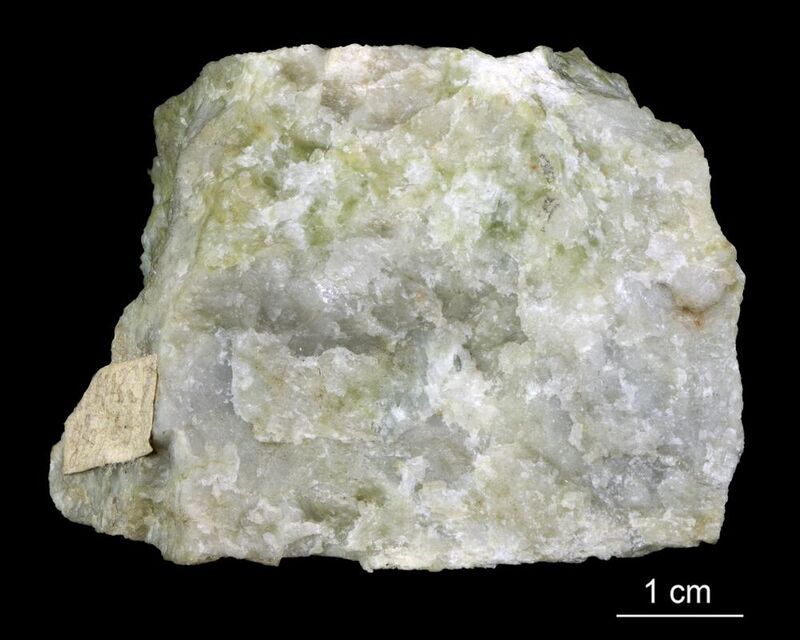
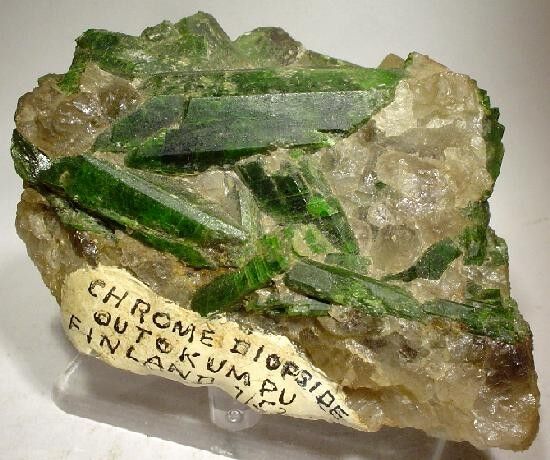
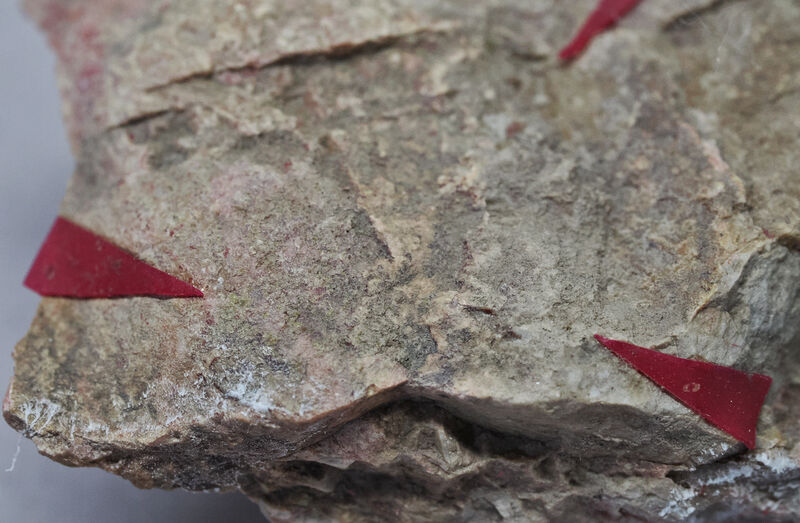
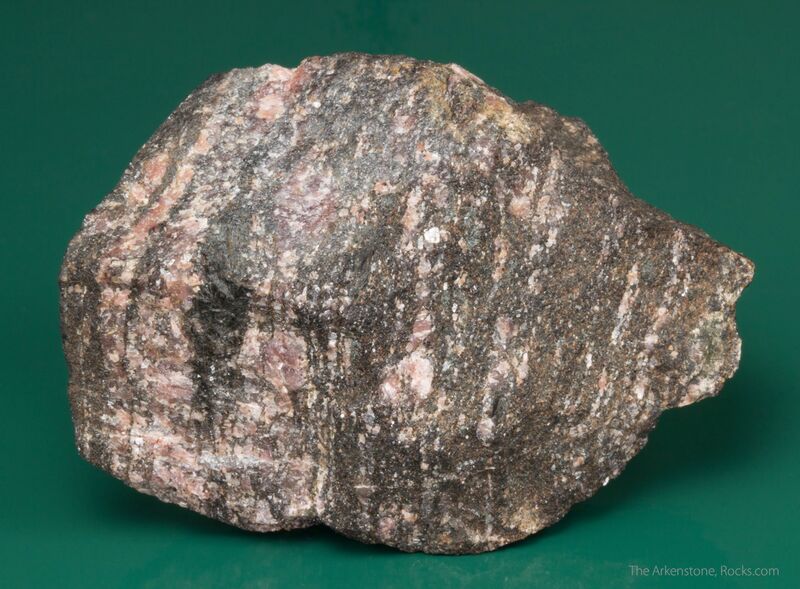
A handful of varietal names entered the literature alongside the species. Violane is the violet to light-blue, manganese-rich form, long known from Val d'Aosta in the Italian Alps. Chrome diopside — green crystals coloured by traces of chromium — and star diopside, a black variety whose polished cabochons show a four-rayed star, are the two forms that eventually carried diopside into the jewellery trade.
Industrial & practical applications
Diopside is, in industrial terms, a mineral of potential more than scale. The composition is attractive — a calcium-magnesium silicate that tolerates high temperatures and accepts many trace substitutions. Natural deposits, however, are rarely large enough, pure enough, and close enough to markets to support economic mining. Most of the modern interest sits in the laboratory and in the gem case.
The most actively researched uses are in ceramics and glass-ceramics. Diopside-based versions of these materials have been studied as biomaterials — bone-contacting implant coatings and scaffolds. They have also been investigated as matrices for the immobilisation of nuclear waste. The same family has been tried as sealing layers in solid oxide fuel cells. A glass that softens and bonds at the right temperature is what holds the cell stack airtight.
One named product reached the demonstration stage. In the 1980s, researchers at Imperial College in London developed a diopside-based glass-ceramic called silceram, made from blast-furnace slag and other industrial waste streams.
The gem trade is the only domain where diopside is mined deliberately rather than recovered from broader rock-processing. Three varieties carry that trade. Chrome diopside — vivid green from a trace of chromium — is the workhorse, an affordable alternative to emerald and tsavorite garnet. Most of the chrome diopside set into commercial jewellery today comes from a small number of localities in Siberia, Russia. The stone's main weakness is durability. It has two directions of perfect cleavage and a Mohs hardness of only 5.5 to 6.5, which rules out rings that take daily wear.
Star diopside, a black cabochon material whose polished surface shows a four-rayed star, is one of the least expensive gems with obvious asterism. Violane, the violet-to-blue manganese-rich form, is rare enough that it almost never reaches the market.
Where it forms, where it's found
- Type locality
- Piedmont
- Italy
Varieties
Physical
- Hardness
- 1Talc
- 2Gypsum
- 3Calcite
- 4Fluorite
- 5Apatite
- 6Orthoclase
- 7Quartz
- 8Topaz
- 9Corundum
- 10Diamond
- Lustre
- Vitreous
- Transparency
- Transparent · Opaque
- Colour
- Light to dark green · blue · brown · colourless · snow white · grey · pale violet
Variable colours are caused by trace to minor contents of Fe (common), Mn, Ti, V, Cr.
- Streak
- White
- Tenacity
- brittle
- Cleavage
- Distinct/Good
on (110)
- Fracture
- Irregular/Uneven · Conchoidal
- Density
- 3.22 g/cm³
Optical
- Optical type
- Biaxial (+) · 2V measured = 58 – 63° · 2V calc = 56 – 64°
- Refractive index
- 1.663 – 1.728
- Surface relief
- High
- Principal indices
- nα 1.663 – 1.699 · nβ 1.671 – 1.705 · nγ 1.693 – 1.728
- Dispersion
- weak to distinct r > v
- Extinction
- Y = b; Z ∧ c = -38° on (010); X ∧ a = -22°.
- UV response
- Bright blue-white (white coloured material) (SW UV)
Crystallography
- Space group
- C2/c
- Cell parameters
- a = 9.746 Å · b = 8.899 Å · c = 5.251 Å
- Cell angles
- β = 105.79 °
- Ratio a:b:c
- 1 : 0.913 : 0.539
- Z
- 4
- Morphology
Prismatic crystals with square cross sections.
- Twinning
Simple or multiple twins on (100) or (010) common.
- Parting
- on (100) and probably (010)
Chemical composition
- Impurities
- Fe
- V
- Cr
- Mn
- Zn
- Al
- Ti
- Na
- K
Synonyms
- Acantoide
- Acimite-diopside
- Alalita
- Alalite
- Alalith
- Chromaugit
- Chrome-Augite
- Coccolita
- Coccolite
- Coccolith
- Cyclopéite
- Dekalbit
- Dekalbita
- Dekalbite
- Diopsidic pyroxene
- Diopsidos
- Leucaugita
- Leukaugit
- Malacolit
- Malacolita
- Malacolite
- Malakolith
- Mussite (of Bonvoisin)
- Protheit
- Protheite
- Sahlit
- Sahlita
- Sahlite
- Salit
- Salita
- Tashmarine
- Traversellite
In other languages
- French
- Acantoide · Alalite · Coccolite · Dekalbite · diopside · Kokkolith · Maclurite · Malacolite · Prothéite · Pyroxène granuliforme · Pyroxène gris verdâtre · Sahlite · Wallérite
- German
- Diopsid
- Spanish
- diópsido
- Italian
- Diopside
- Portuguese
- diópsido
- Japanese
- サーラ輝石 · ダイオプサイド · 異剥石 · 異剥輝石 · 透輝石
- Chinese
- 透輝石
- Russian
- виолан · джефферсонит · диопсид · лавровит · шефферит
- Arabic
- ديوبسيد · ديوبسيدي
Classification
9.DA.15
- 9SilicatesClass
- 9.DInosilicatesDivision
- 9.DAInosilicates with 2-periodic single chains, Si2O6; pyroxene familyGroup
- 9.DA.15DiopsideSpecies
65.01.3a.01
- 65Inosilicates Single-width, Unbranched Chains, (w=1)Class
- 65.01Single-Width Unbranched Chains, W=1 with chains P=2Type
- 65.01.3a— unnamed intermediate level —Group
- 65.01.3a.01DiopsideSpecies
14.6.12
- 14Silicates not Containing AluminumClass
- 14.6Silicates of Ca with alkali or Mg or bothGroup
- 14.6.12DiopsideSpecies
Group, growth & confusion
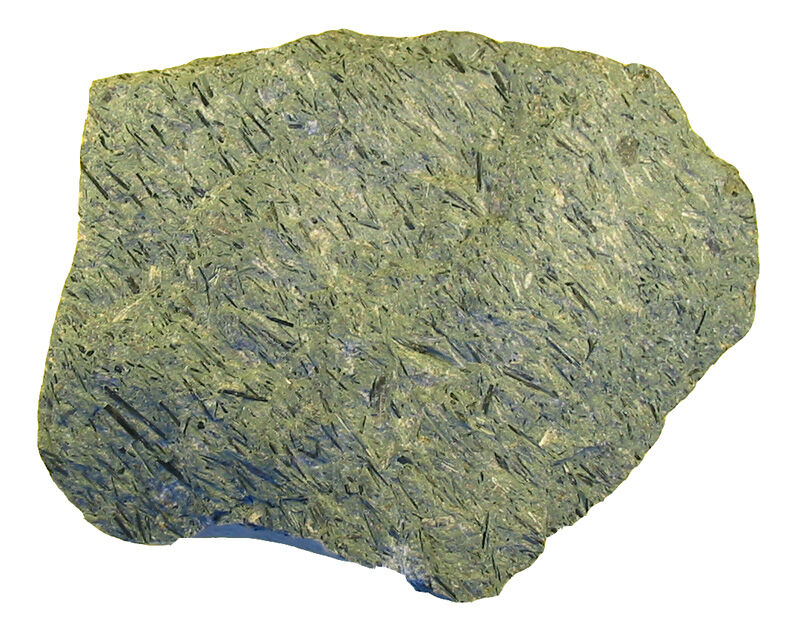 AegirineNaFe3+Si2O6Mineral—
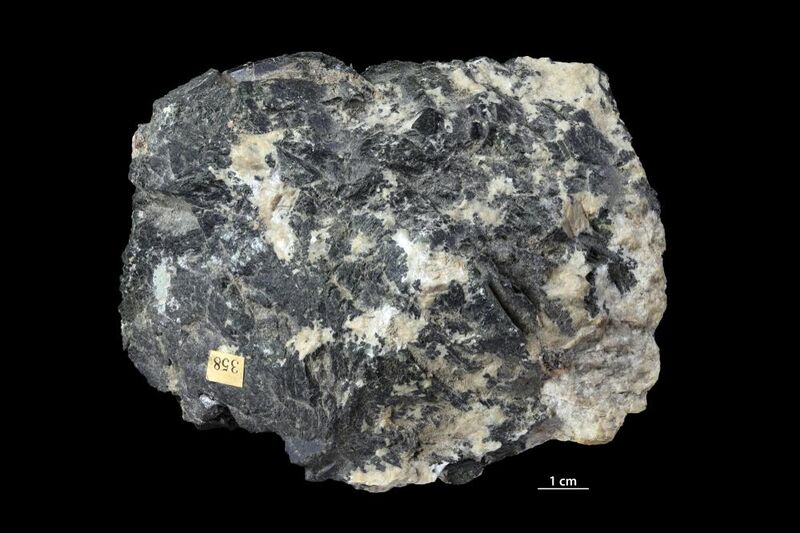 Aegirine-augite(Ca,Na)(Fe3+,Mg,Fe2+)Si2O6Mineral—
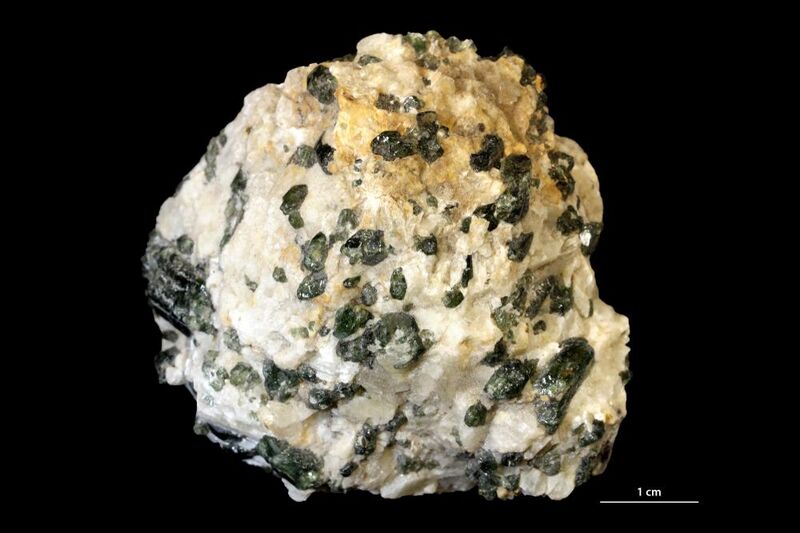 Augite(Ca,Mg,Fe)2Si2O6Mineral—
- BurnettiteCaVAlSiO6Mineral—
- ClinoenstatiteMg2Si2O6Mineral—
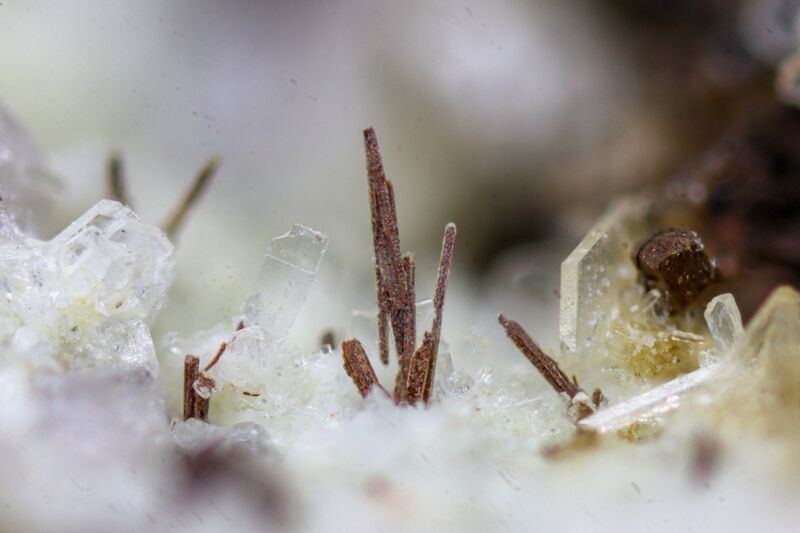 ClinoferrosiliteFe2+2Si2O6Mineral—
- ColomeraiteNaTi3+Si2O6Mineral—
- DavisiteCaScAlSiO6Mineral—
 EsseneiteCaFe3+AlSiO6Mineral—
- GrossmaniteCa(Ti3+,Mg,Ti4+)AlSiO6Mineral—
 Actinolite◻Ca2(Mg4.5-2.5Fe2+0.5-2.5)Si8O22(OH)2Mineral—
 ÅkermaniteCa2MgSi2O7Mineral—
 BustamiteMn2Ca2MnCa(Si3O9)2Mineral—
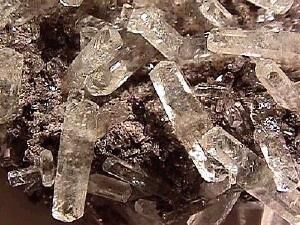 CalciteCa(CO3)Mineral—
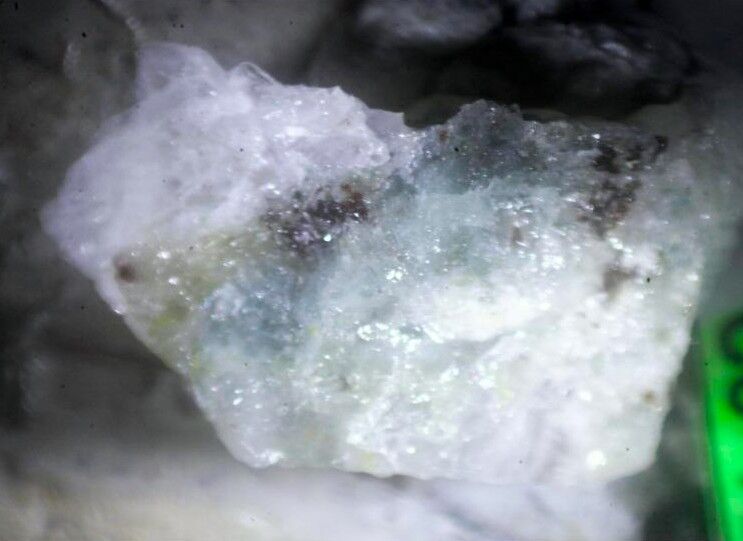 Cerchiaraite-(Al)Ba4Al4(Si4O12)O2(OH)4Cl2[Si2O3(OH)4]Mineral—
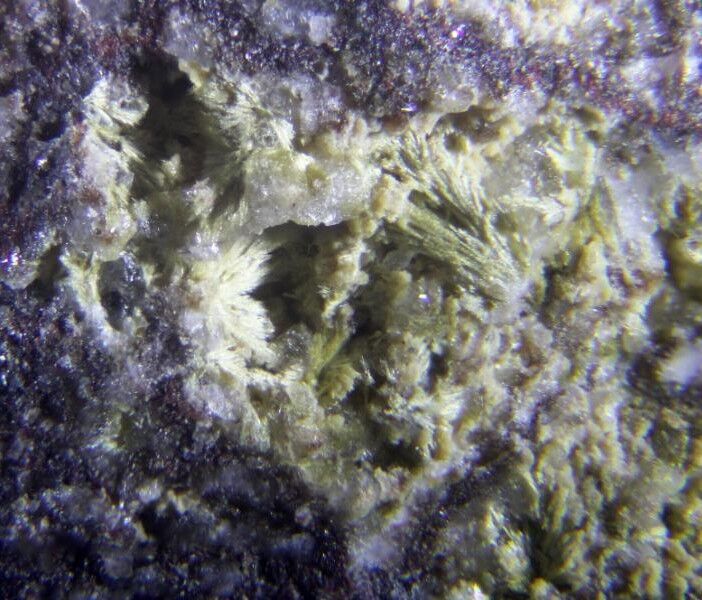 Cerchiaraite-(Fe)Ba4Fe3+4(Si4O12)O2(OH)4Cl2[Si2O3(OH)4]Mineral—
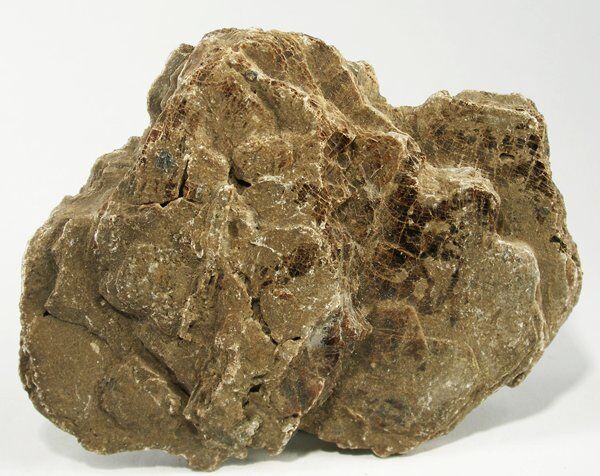 ClintoniteCaAlMg2(SiAl3O10)(OH)2Mineral—
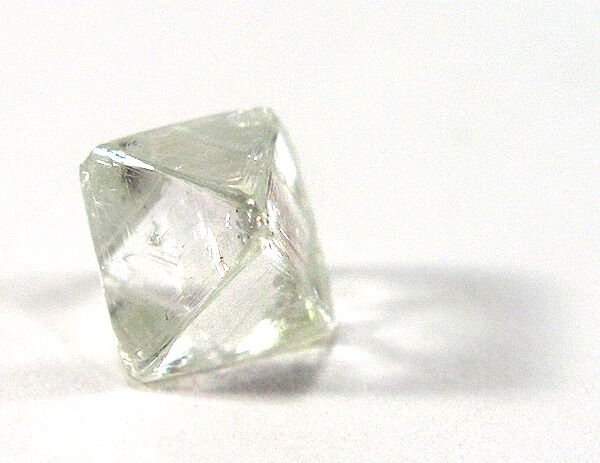 DiamondCMineral—
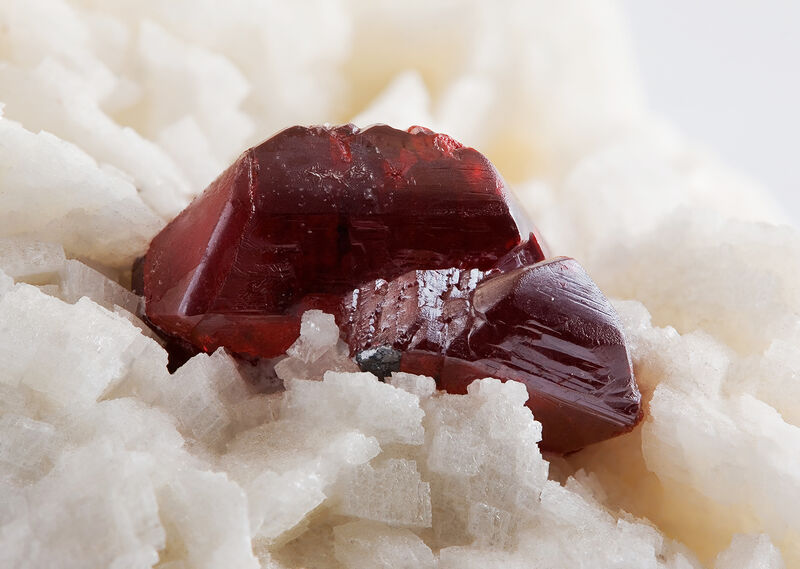 DolomiteCaMg(CO3)2Mineral—
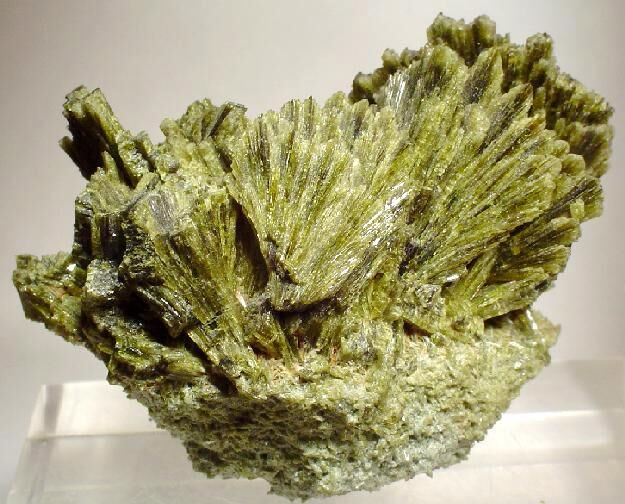 EpidoteCa2(Al2Fe3+)[Si2O7][SiO4]O(OH)Mineral—
Literature, links & citation
- 1800d' Andrada [e Silva], [José Bonifácio] (1800) Kurze Angabe der Eigenschaften und Kennzeichen einiger neuen Fossilien aus Schweden und Norwegen : nebst einigen chemischen Bemerkungen über dieselben [A brief description of the properties and characteristics of some new fossils from Sweden and Norway : together with some chemical remarks on the same]. Allgemeines Journal der Chemie, S. 1 Vol. 4 (19). 28-39
- 1801d’Andrada, J.B. (1801) Description of some new fossils. A Journal of Natural Philosophy, Chemistry, and the Arts, 5. 193-196; 211-213
- 1891Liebisch, T. (1891) Physikalisch Krystallographie, Tafel VI, figs. 4, 5, and 6.
- 1942Osborn, E.F. (1942) The system CaSiO3-diopside-anorthite. American Journal of Science, 240: 11: 751-788.
- 1942Schairer, J. F., Bowen, N. L. (1942) The binary system CaSiO3-diopside, and the relations between CaSiO3 and akermanite. American Journal of Science, 240 (10). 725-742 doi:10.2475/ajs.240.10.725DOI: 10.2475/ajs.240.10.725
Entry last updated
@misc{mineral2026,
  author    = {Mineral Index editorial board},
  title     = {Diopside — Mineral Index},
  year      = {2026},
  url       = {https://mineralindex.org/minerals/diopside-1294}
}