Where it forms, where it's found
- Type locality
- Ananai mine
- Nankoku city
- Kochi Prefecture
- Japan
33.6917°, 133.6472°
9recorded occurrences
Physical
- Transparency
- Translucent
- Cleavage
- Perfect
parallel to (001)
Optical
- Optical type
- Biaxial (-) · 2V calc = 62°
- Refractive index
- 1.737 – 1.792
- Surface relief
- High
- Principal indices
- nα 1.737 · nβ 1.780 · nγ 1.792
- Pleochroism
- Visible
X: pale greenish yellow, and Y = Z: pale reddish brown to brownish pink
- Optical colour
- pale reddish brown to brown
Δ = 0Δmax
PPLpleochroism per grain
XPLindependent extinctions · rotate the stage
PPLpleochroism only · colour blends on rotation
XPLinterference colour · extinct every 90°
Retardation550 nm
Order1st order
XPL colour
Crystallography
- Space group
- #15
- Cell parameters
- a = 8.928(5) Å · b = 5.652(1) Å · c = 10.244(5) Å
- Cell angles
- β = 114.46(4) °
- Ratio a:b:c
- 1 : 0.633 : 1.147
- Unit cell volume
- 470.5 ų
- Z
- 2
- Type-locality form
prismatic crystals up to 1 cm in length
Crystal structure
Chemical composition
Synonyms
- Epidoot-(Sr)
- IMA2006-055
In other languages
- German
- Epidot-(Sr) · IMA 2006-055
- Italian
- epidote-(Sr)
- Japanese
- ストロンチウム緑簾石
Classification
Strunz
10th ed.9.BG.05a
- 9SilicatesClass
- 9.BSorosilicatesDivision
- 9.BGSorosilicates with mixed SiO4 and Si2O7 groups; cations in octahedral [6] and greater coordinationGroup
- 9.BG.05aEpidote-(Sr)Species
Dana
8th ed.58.02.02.03
- 58Sorosilicates Insular, Mixed, Single, and Larger Tetrahedral GroupsClass
- 58.02Insular, Mixed, Single, and Larger Tetrahedral Groups with cations in [6] and higher coordination; single and double groups (n = 1, 2)Type
- 58.02.02Pumpellyite groupGroup
- 58.02.02.03Epidote-(Sr)Species
Group, growth & confusion
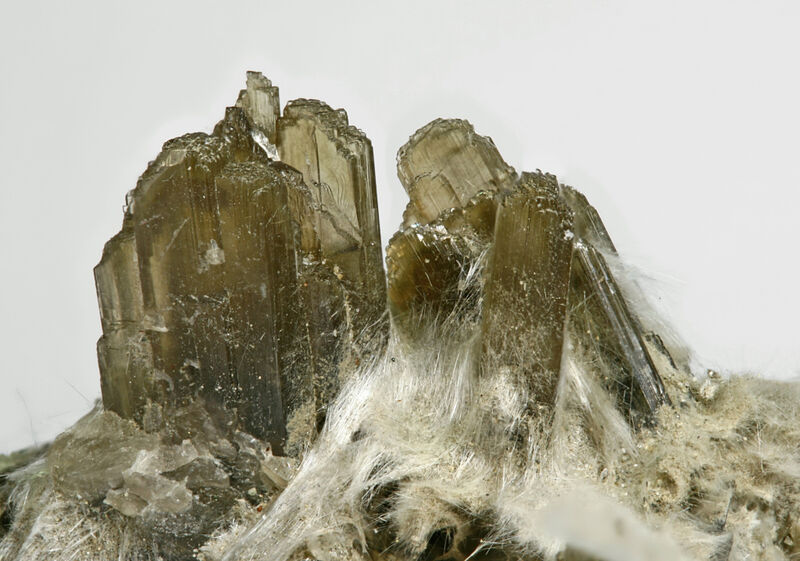 ClinozoisiteCa2Al3[Si2O7][SiO4]O(OH)Mineral—
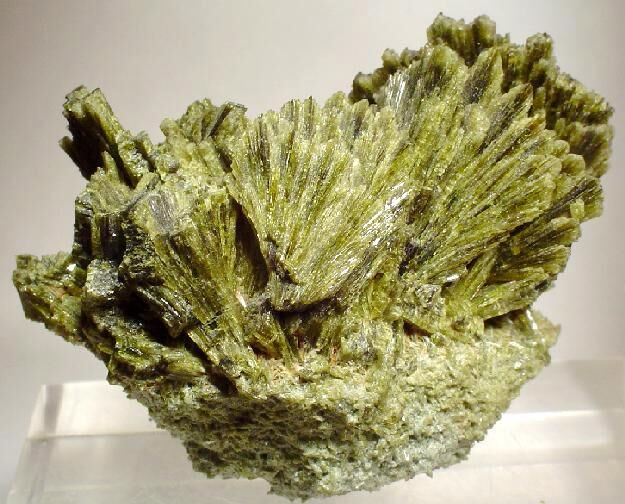 EpidoteCa2(Al2Fe3+)[Si2O7][SiO4]O(OH)Mineral—
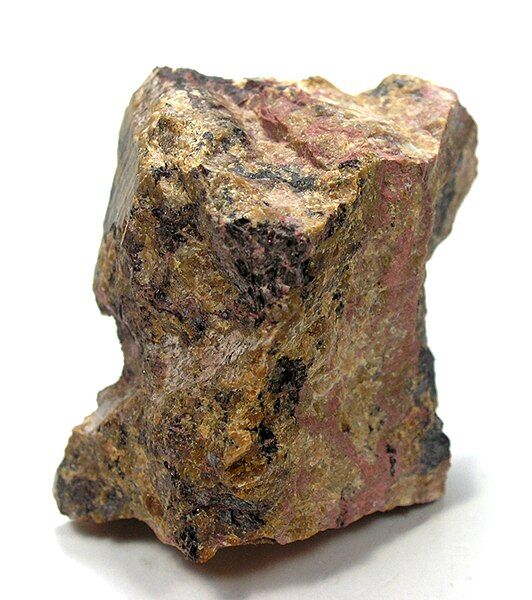 HancockiteCaPb(Al2Fe3+)[Si2O7][SiO4]O(OH)Mineral—
- HeflikiteCa2(Al2Sc)(Si2O7)(SiO4)O(OH)Mineral—
- MukhiniteCa2(Al2V3+)[Si2O7][SiO4]O(OH)Mineral—
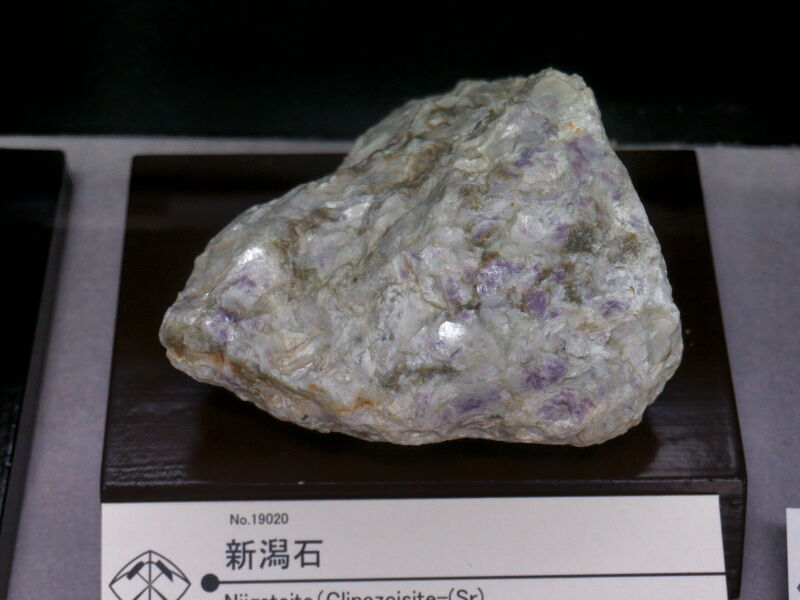 NiigataiteCaSrAl3[Si2O7][SiO4]O(OH)Mineral—
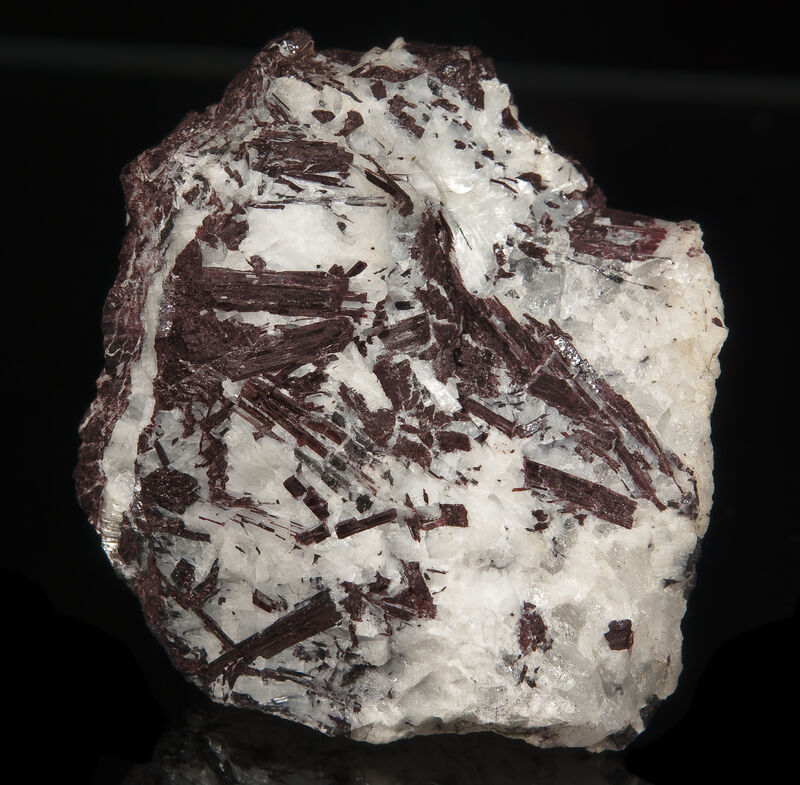 PiemontiteCa2(Al2Mn3+)[Si2O7][SiO4]O(OH)Mineral—
- Piemontite-(Pb)CaPb(Al2Mn3+)[Si2O7][SiO4]O(OH)Mineral—
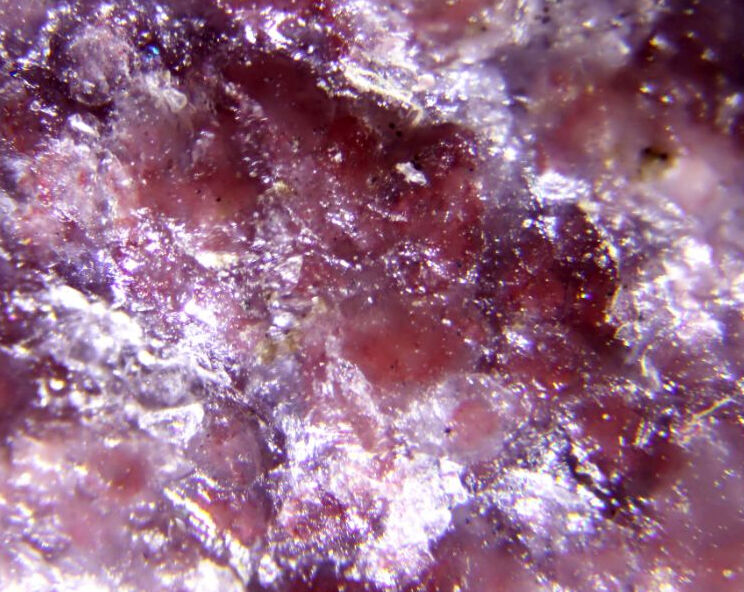 Piemontite-(Sr)CaSr(Al2Mn3+)[Si2O7][SiO4]O(OH)Mineral—
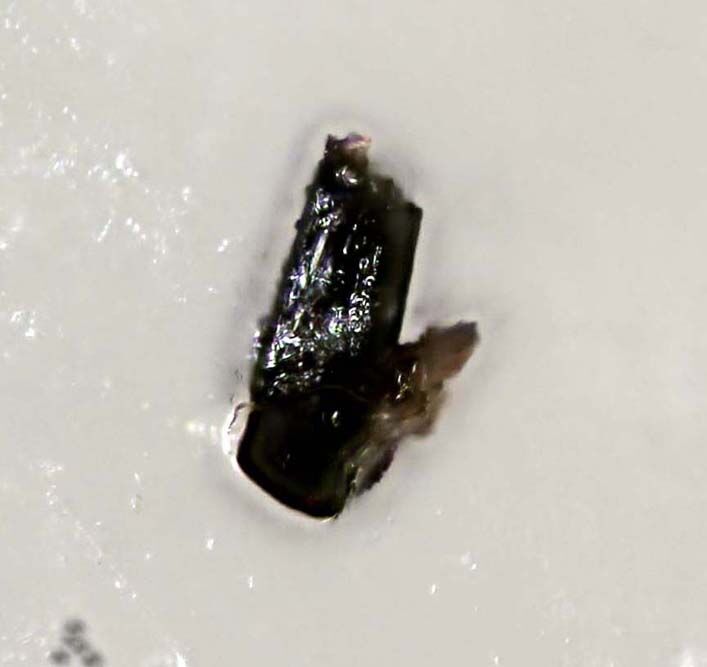 TweddilliteCaSr(Mn3+2Al)[Si2O7][SiO4]O(OH)Mineral—
Literature, links & citation
Citations
- 2008Minakawa, Tetsuo, Fukushima, Hiroyuki, Nishio-Hamane, Daisuke, Miura, Hiroyuki (2008) Epidote-(Sr), CaSrAl2Fe3+(Si2O7)(SiO4)(OH), a new mineral from the Ananai mine, Kochi Prefecture, Japan. Journal of Mineralogical and Petrological Sciences, 103 (6) 400-406 doi:10.2465/jmps.071220 DOI: 10.2465/jmps.071220
- 2011(2011) Epidote-(Sr). Handbook of Mineralogy. Mineralogical Society of America
- 2013Minakawa, Tetsuo (2013) Epidote-(Sr), a new mineral from the Ananai manganese deposit, Kochi Prefecture, Japan. Japanese Magazine of Mineralogical and Petrological Sciences, 42 (1) 30-33 doi:10.2465/gkk.121129 DOI: 10.2465/gkk.121129
- 2024Kropáč, Kamil, Dolníček, Zdeněk, Uher, Pavel, Buriánek, David, Urubek, Tomáš (2024) Crystal chemistry and origin of epidote-(Sr) in alkaline rocks of the teschenite association (Silesian Unit, Outer Western Carpathians, Czech Republic) Mineralogy and Petrology, 118 (1) 55-70 doi:10.1007/s00710-023-00847-wDOI: 10.1007/s00710-023-00847-w
Cite this entry
Entry last updated
@misc{mineral2025,
  author    = {Mineral Index editorial board},
  title     = {Epidote-(Sr) — Mineral Index},
  year      = {2025},
  url       = {https://mineralindex.org/minerals/epidote-sr-31558}
}