History
The name epidote is a confession of crystal geometry. In 1801, the French mineralogist René-Just Haüy coined it from the Greek epidosis — addition, or increase given — in reference to one face of the ideal prism running longer than the others it should match. Haüy was not naming a colour; he was naming a measurement his eye had caught. The pistachio-green tint that now serves as the mineral's visual signature came later, in popular usage.
The 19th century then filled in the map. Well-formed epidote crystals turned up in the Ala valley and Traversella in Piedmont, at Arendal in Norway, and at Le Bourg-d'Oisans in the French Dauphiné. The Knappenwand vein near Großvenediger in the Austrian Tyrol became a classic locality for the species — dark green crystals on matrix, occasionally transparent enough to be cut as gemstones, alongside similar gem-quality material from Brazil. Across the Atlantic, deposits at Haddam in Connecticut and on Prince of Wales Island in Alaska extended the record into North America.
Industrial & practical applications
Epidote is not an industrial commodity. It is mined nowhere at scale and substituted in no major chemical chain. Its modern roles are smaller and more specific — useful, but honestly so.
The most visible use is lapidary. The clearest dark green crystals from Knappenwand in Austria and from Brazil are occasionally faceted as gemstones. Faceted epidote remains an uncommon stone, sought by collectors of unusual gems rather than the mainstream jewellery trade. More familiar is unakite, a rock rather than a mineral: an altered granite in which epidote provides the green and pink feldspar provides the pink. Unakite is widely used in jewellery and ornamental work. The Australian Dragon Bloodstone, another mixed ornamental rock, draws its green from the same source.
The other role is petrologic, a tool more than a commodity. Geologists read epidote as an indicator of metamorphic grade — the temperature and pressure regime that produced the rock. In altered igneous rocks, epidote tells a different story. It forms by hydrothermal alteration, when feldspars, micas, pyroxenes, amphiboles, and garnets are reworked by hot water moving through the rock. A geologist mapping a hydrothermal ore deposit who finds epidote knows the system was warm and aqueous.
Beyond the lapidary and field-mapping uses, demand is essentially the museum and collector market, with well-formed Knappenwand crystals among the species' best-known specimens.
Where it forms, where it's found
- Geological setting
Regional and contact metamorphic rocks. Saussuritisation (alteration of plagioclase).
- Type locality
- Le Bourg-d'Oisans
- Grenoble
- Isère
- Auvergne-Rhône-Alpes
- France
45.0520°, 6.0301°
Varieties
Physical
- Hardness
- 1Talc
- 2Gypsum
- 3Calcite
- 4Fluorite
- 5Apatite
- 6Orthoclase
- 7Quartz
- 8Topaz
- 9Corundum
- 10Diamond
- Lustre
- Vitreous
- Transparency
- Transparent · Translucent · Opaque
- Colour
- Yellowish-green · green · brownish-green · black
- Streak
- Colourless
- Tenacity
- brittle
- Cleavage
- Perfect
Perfect on (001), imperfect on (100)
- Fracture
- Irregular/Uneven
- Density
- 3.38 g/cm³
Optical
- Optical type
- Biaxial (-) · 2V measured = 90 – 116° · 2V calc = 62 – 84°
- Refractive index
- 1.715 – 1.797
- Surface relief
- High
- Principal indices
- nα 1.715 – 1.751 · nβ 1.725 – 1.784 · nγ 1.734 – 1.797
- Pleochroism
- Strong
X= colourless, pale yellow, pale green Y= greenish yellow Z= yellowish green
- Dispersion
- strong r > v
Crystallography
- Space group
- #15
- Cell parameters
- a = 8.8877(14) Å · b = 5.6275(8) Å · c = 10.1517(12) Å
- Cell angles
- β = 115.383(14) °
- Ratio a:b:c
- 1 : 0.633 : 1.142
- Z
- 2
- Morphology
Crystals prismatic to 35 cm, also stubby, rarely tabular or pseudo-octahedral. Fibrous, coarse to finely granular, massive. Prismatic crystals may show a pseudo-hexagonal cross-section.
- Twinning
On (100), contact, lamellar, common.
Chemical composition
- Impurities
- Al
- Mg
- Mn
Synonyms
- Acanthicone
- Acanthikon
- Acanticonit
- Acanticonita
- Acanticonite
- Acantikonit
- Achmatit
- Achmatita
- Achmatite
- Aescherit
- Aescherita
- Aescherite
- Akanthicone
- Akanthikone
- Allochit
- Allochita
- Allochite
- Arendalit
- Arendalita
- Arendalite (of Blumenbach)
- Arendit
- Arendita
- Arendite
- Delphinite
- Eisenepidot
- Epidosyte
- Epidotit
- Epidotita
- Escherit
- Escherita
- Escherite
- Ferriepidote
- Ferriepidoto
- Iron Epidote
- Oisanite (of de Saussure)
- Pistachite
- Pistacit
- Pistacita
- Pistazit
- Posstrevorit
- Posstrevorita
- Posstrevorite
- Puschkinit
- Puschkinita
- Puschkinite
- Pushkinit
- Pushkinita
- Pushkinite
- Scorza
- Selphinit
- Selphinita
- Selphinite
- Strahslstein (of Werner)
- Thallit
- Thallita
- Thallite
In other languages
- French
- acanticone · acanticonite · allochite · arendalite · beustite · épidosite · épidosyte · épidote · épidotite · pistachite · rayonnante vitreuse · rosstrévorite · schorl vert du Dauphiné · scorza · thallite
- German
- Epidot · Pistazit · Puschkinit · Tawmawit · Withamit
- Spanish
- epidota
- Italian
- Epidoto
- Portuguese
- epídoto
- Japanese
- 緑簾石
- Chinese
- 綠簾石
- Simplified Chinese
- 绿帘石
- Traditional Chinese
- 綠簾石
- Russian
- Клиноцоизит · Пистацит · Пушкинит · Пьемонит · Пьемонтит · эпидот
- Arabic
- إيبيدوت · الإيبيدوت
Classification
9.BG.05a
- 9SilicatesClass
- 9.BSorosilicatesDivision
- 9.BGSorosilicates with mixed SiO4 and Si2O7 groups; cations in octahedral [6] and greater coordinationGroup
- 9.BG.05aEpidoteSpecies
58.02.1a.07
- 58Sorosilicates Insular, Mixed, Single, and Larger Tetrahedral GroupsClass
- 58.02Insular, Mixed, Single, and Larger Tetrahedral Groups with cations in [6] and higher coordination; single and double groups (n = 1, 2)Type
- 58.02.1a— unnamed intermediate level —Group
- 58.02.1a.07EpidoteSpecies
16.21.2
- 16Silicates Containing Aluminum and other MetalsClass
- 16.21Aluminosilicates of Fe and CaGroup
- 16.21.2EpidoteSpecies
Group, growth & confusion
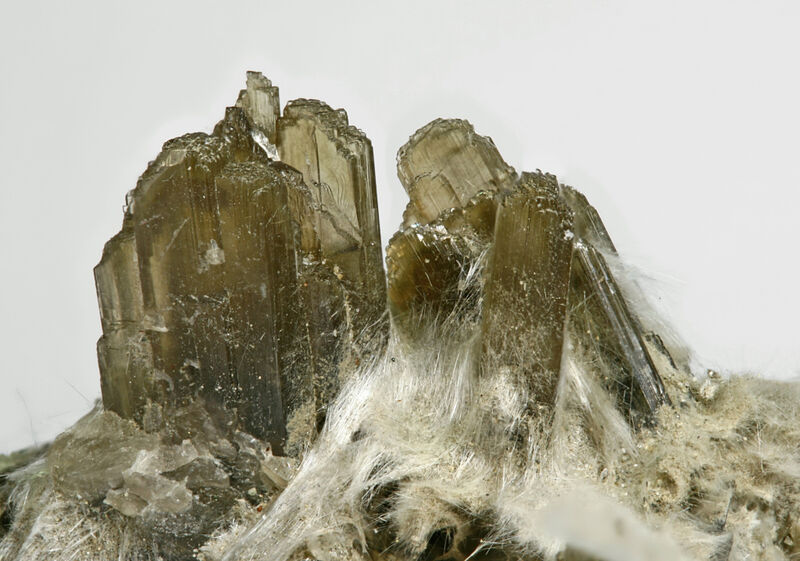 ClinozoisiteCa2Al3[Si2O7][SiO4]O(OH)Mineral—
- Epidote-(Sr)CaSr(Al2Fe3+)[Si2O7][SiO4]O(OH)Mineral—
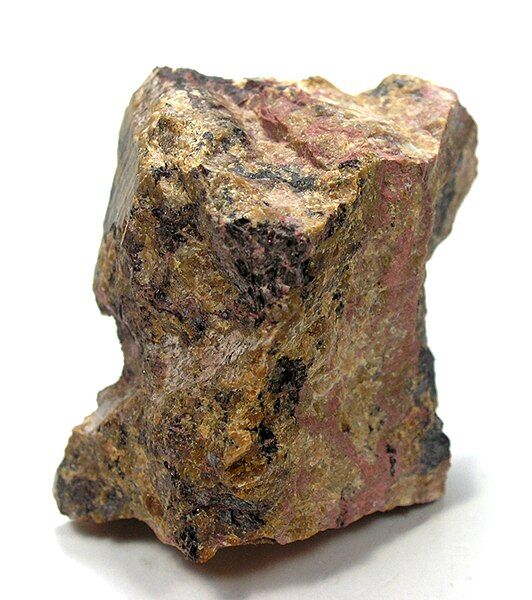 HancockiteCaPb(Al2Fe3+)[Si2O7][SiO4]O(OH)Mineral—
- HeflikiteCa2(Al2Sc)(Si2O7)(SiO4)O(OH)Mineral—
- MukhiniteCa2(Al2V3+)[Si2O7][SiO4]O(OH)Mineral—
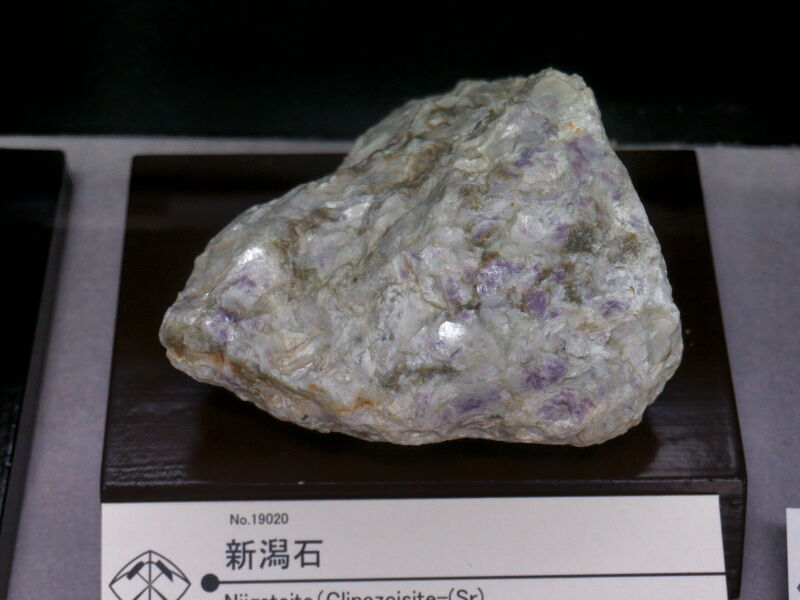 NiigataiteCaSrAl3[Si2O7][SiO4]O(OH)Mineral—
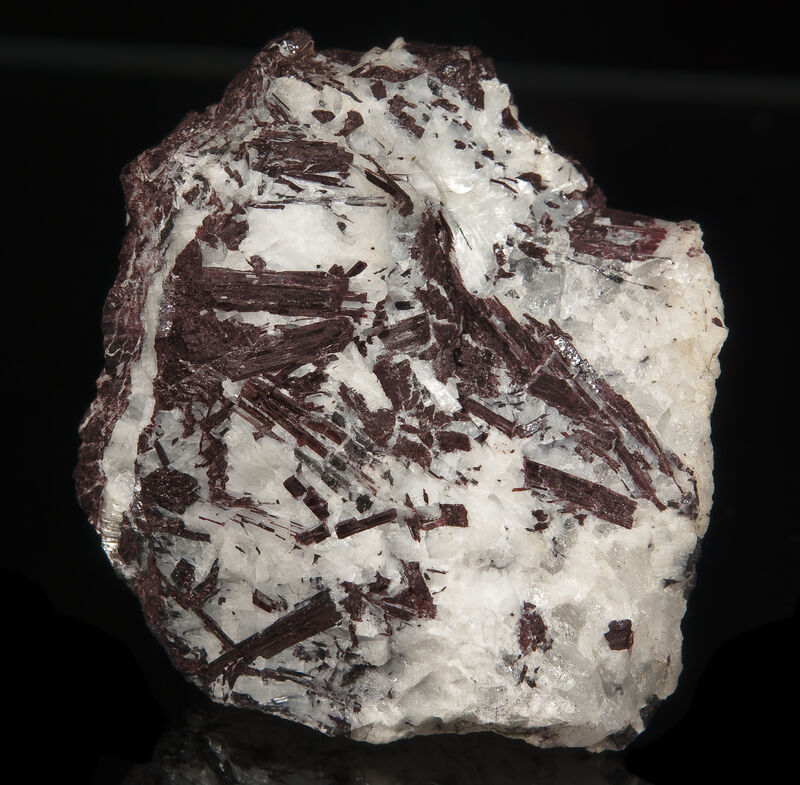 PiemontiteCa2(Al2Mn3+)[Si2O7][SiO4]O(OH)Mineral—
- Piemontite-(Pb)CaPb(Al2Mn3+)[Si2O7][SiO4]O(OH)Mineral—
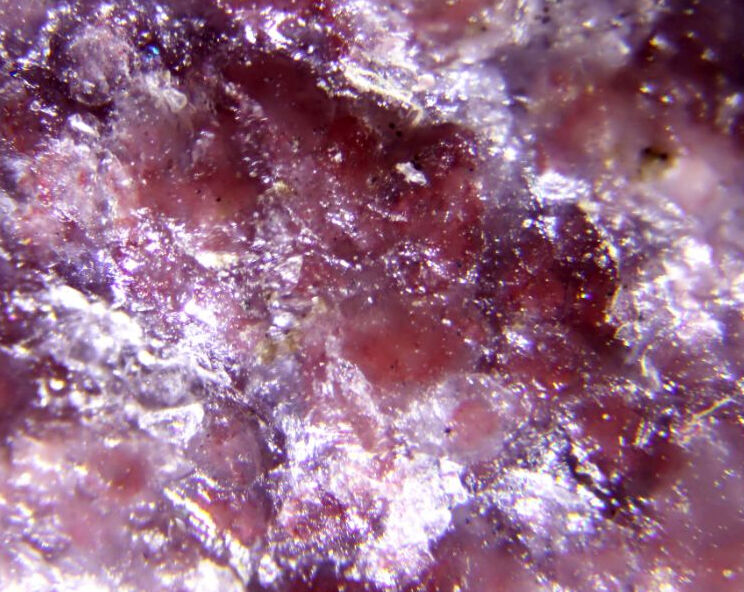 Piemontite-(Sr)CaSr(Al2Mn3+)[Si2O7][SiO4]O(OH)Mineral—
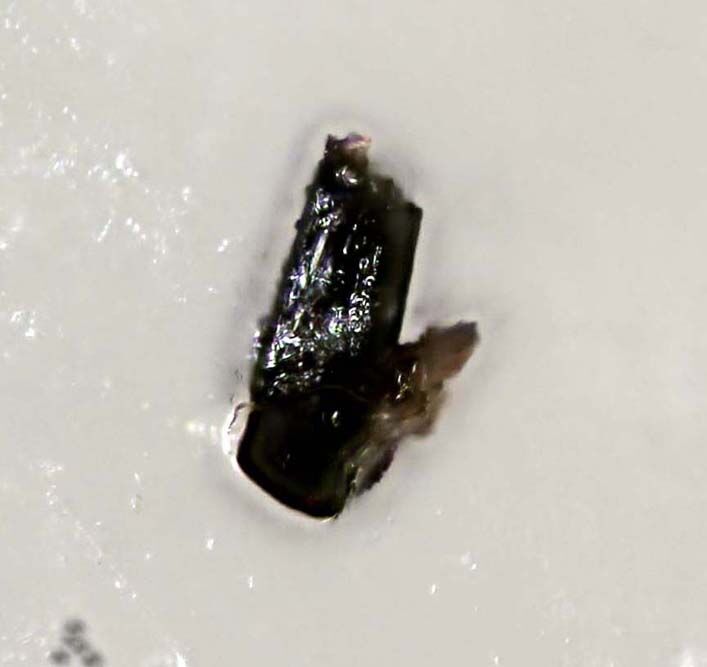 TweddilliteCaSr(Mn3+2Al)[Si2O7][SiO4]O(OH)Mineral—
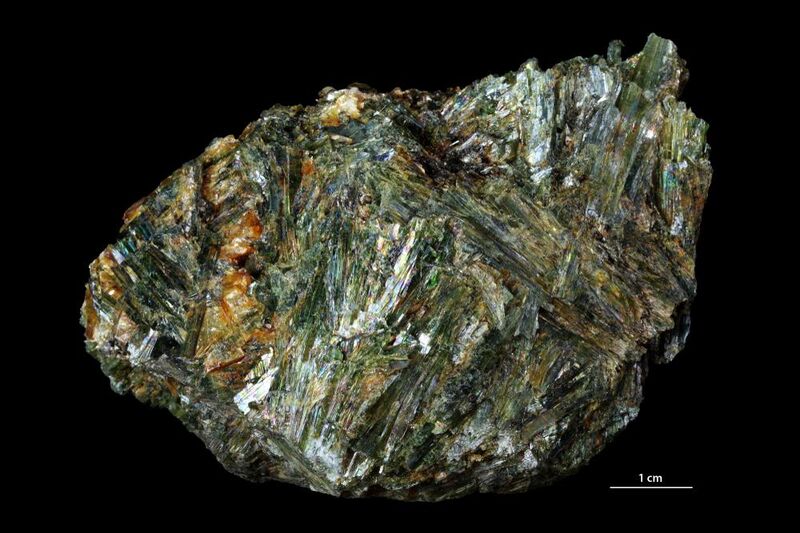 Actinolite◻Ca2(Mg4.5-2.5Fe2+0.5-2.5)Si8O22(OH)2Mineral—
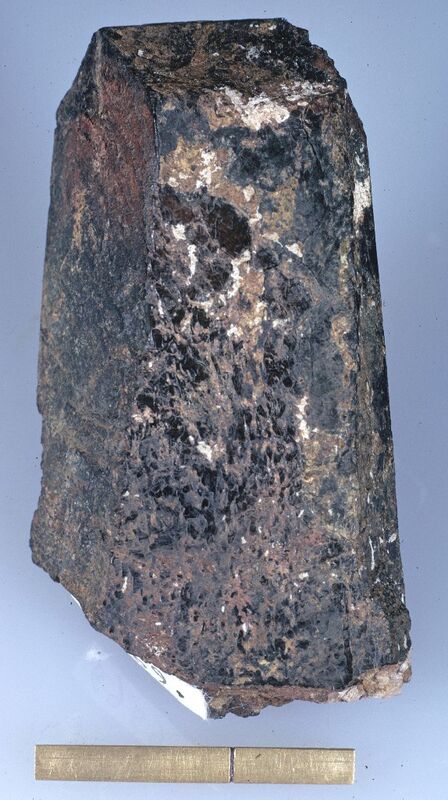 Allanite-(Ce)CaCe(Al2Fe2+)[Si2O7][SiO4]O(OH)Mineral—
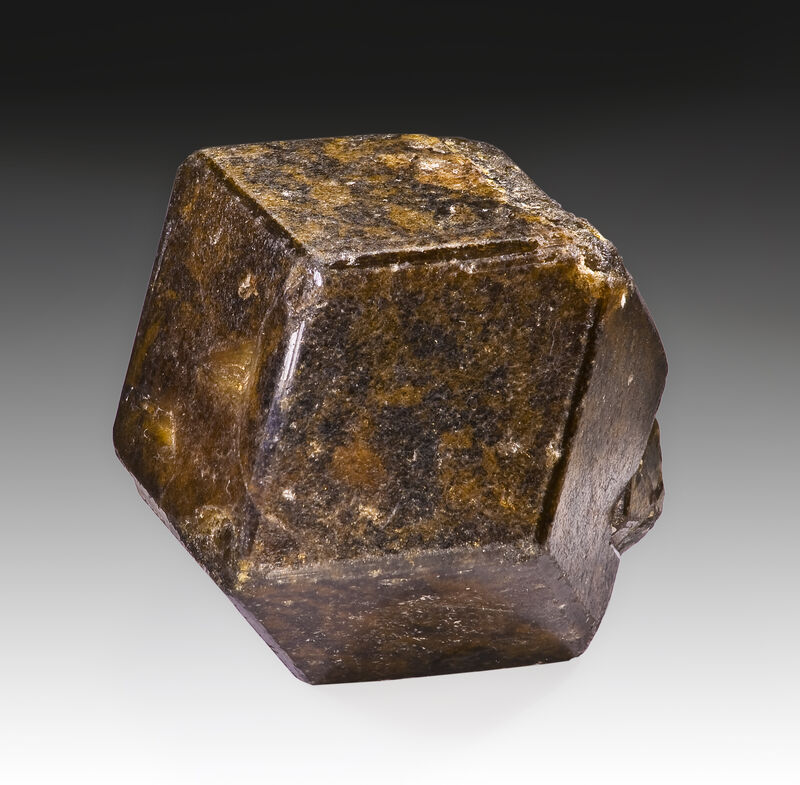 AndraditeCa3Fe3+2(SiO4)3Mineral—
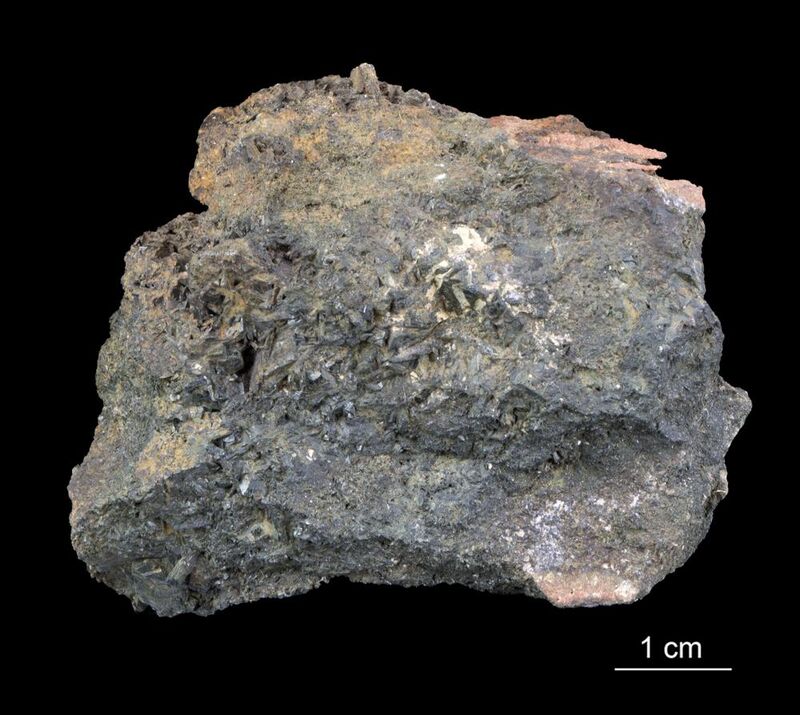 BabingtoniteCa2Fe2+Fe3+Si5O14(OH)Mineral—
 CalciteCa(CO3)Mineral—
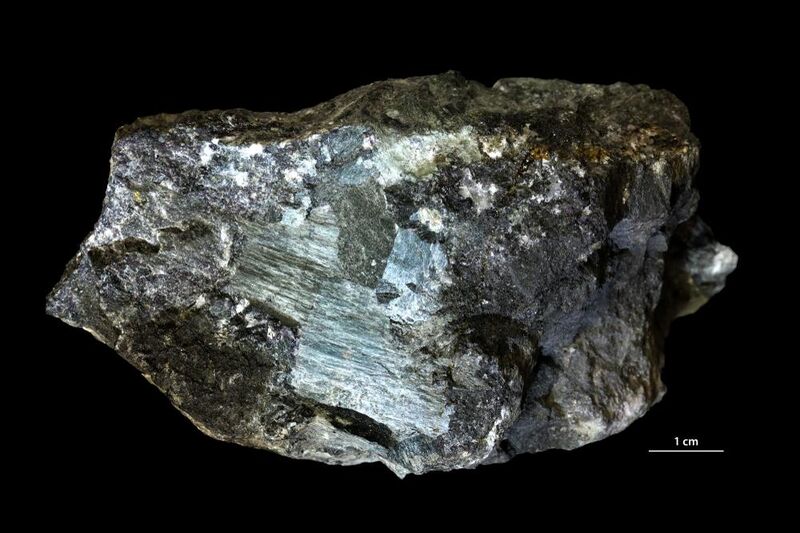 DiopsideCaMgSi2O6Mineral—
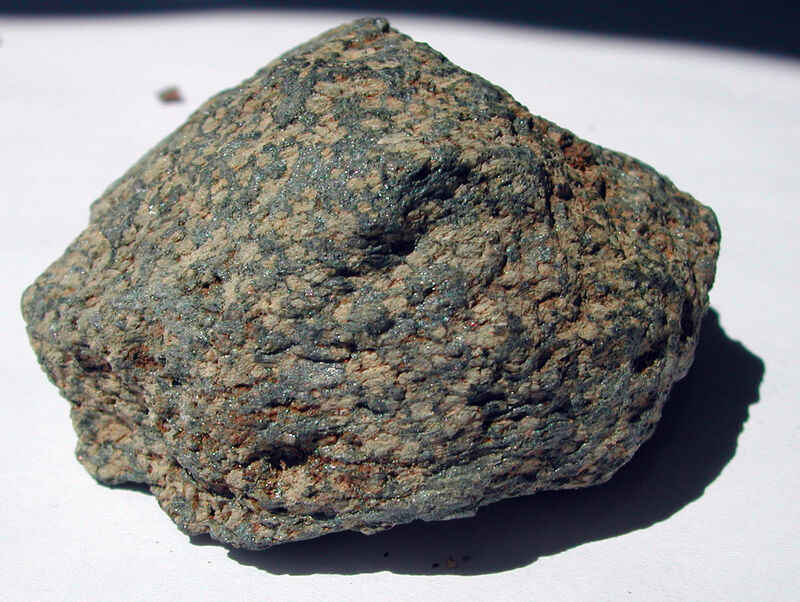 Glaucophane◻Na2(Mg3Al2)Si8O22(OH)2Mineral—
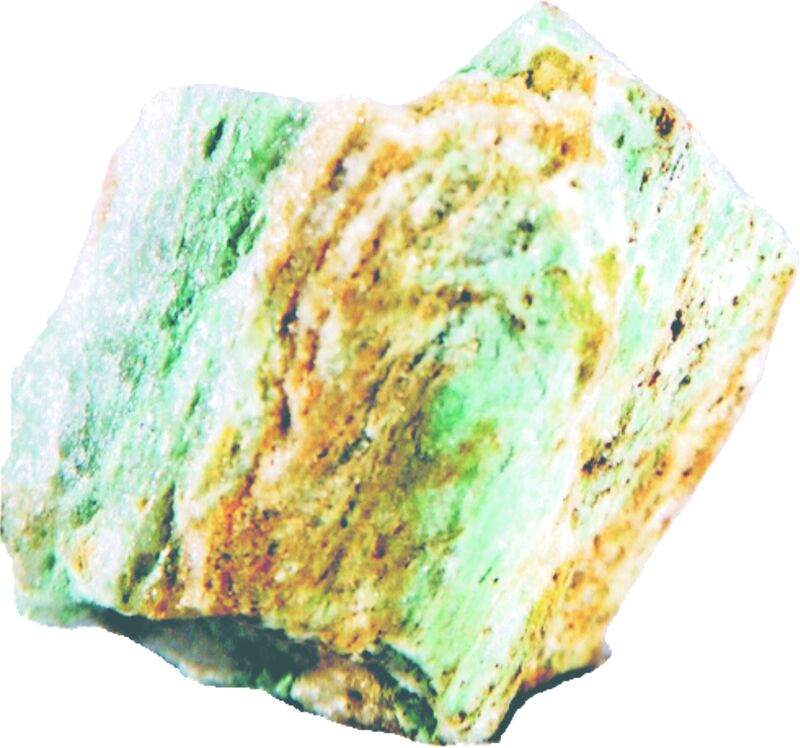 HastingsiteNaCa2(Fe2+4Fe3+)(Si6Al2)O22(OH)2Mineral—
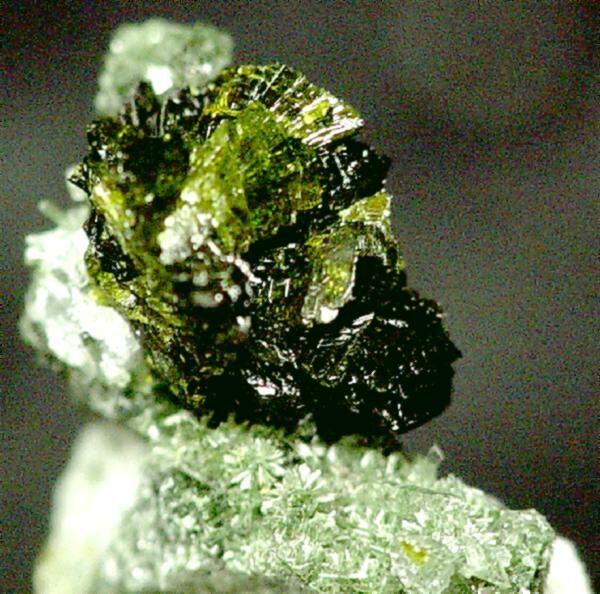 Pumpellyite-(Mg)Ca2MgAl2(Si2O7)(SiO4)(OH)2 · H2OMineral—
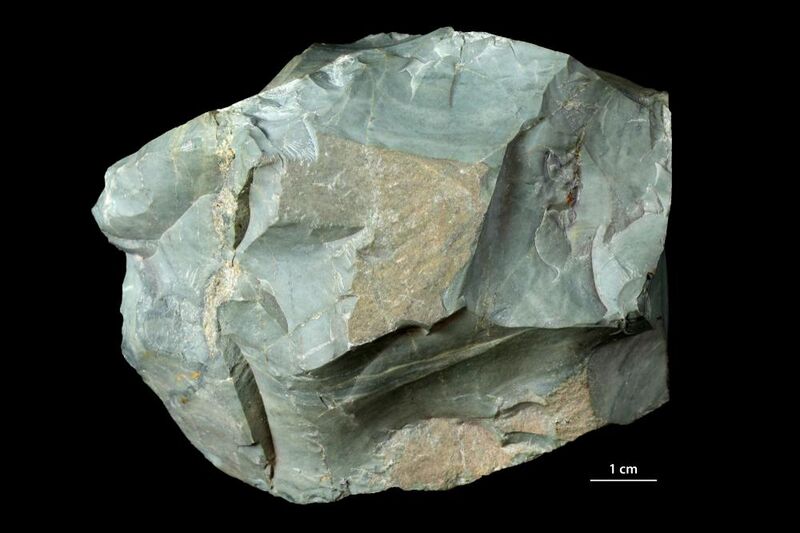 QuartzSiO2Mineral—
Literature, links & citation
- —Tempel, Horst G. (1938): Influence of rare earths and other components on physico-optic properties of the epidote group. Chemie der Erde 11, 525-551.
- 1892Dana, Edward Salisbury; Dana, James Dwight (1892) A System of Mineralogy (6th ed.). John Wiley & Sons, Inc.
- 1954Gottardi G. (1954) Dati ed osservazioni sulla struttura dell'epidoto. Periodico di Mineralogia: 245-250.
- 1959Seki., Yôtarô (1959) Relation between chemical composition and lattice constants of epidote. American Mineralogist, 44 (7-8) 720-730
- 1962Chatterjee, Niranjan Deb (1962) Vesuvianite-epidote paragenesis as a product of greenschist facies of regional metamorphism in the Western Alps. Beiträge zur Mineralogie und Petrographie, 8 (6). 432-439 doi:10.1007/bf01082095DOI: 10.1007/bf01082095
Entry last updated
@misc{mineral2026,
  author    = {Mineral Index editorial board},
  title     = {Epidote — Mineral Index},
  year      = {2026},
  url       = {https://mineralindex.org/minerals/epidote-1389}
}