History
For centuries the most coveted red gems in royal treasuries were not what their owners believed. The stones the world called balas rubies were spinel — a different mineral entirely, sharing only the colour.
Before chemistry could tell them apart, red spinel and red corundum travelled under the same name. The word carbuncle, then later ruby, covered both. Transparent red spinels were sold as spinel-rubies or balas rubies. Balas itself was a place name — a worn-down form of Balascia, the older name for Badakhshan, a mountain region in the upper Panj River valley of central Asia. For centuries the mines of Badakhshan, in what is now Tajikistan, supplied most of the red and pink spinels that reached European courts.
The confusion left its mark on some of the most famous gems in Europe. The Black Prince's Ruby and the Timur Ruby, both set in the British Crown Jewels, are spinels rather than corundum. So is the Côte de Bretagne, a 100-carat dragon-shaped stone once part of the French Crown Jewels. The largest known spinel of all, the Samarian Spinel, weighs 500 carats — about 100 grams — and is held in the Iranian Crown Jewels.
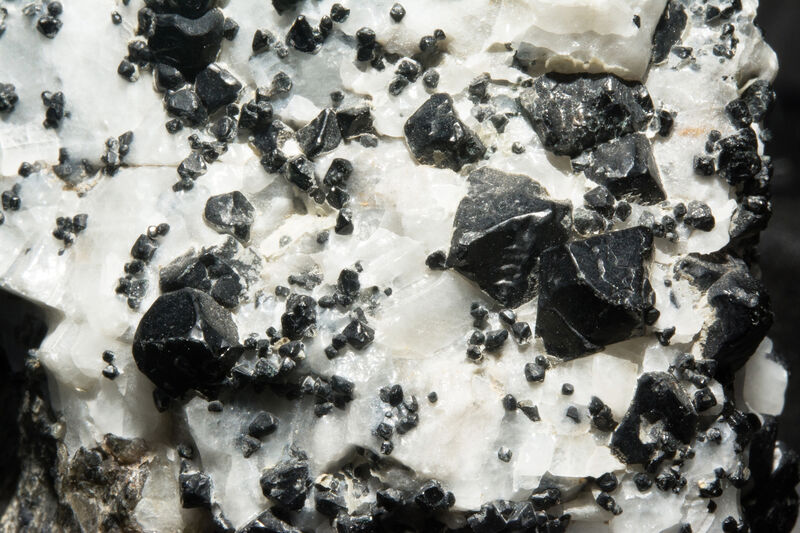
The mineral acquired its modern name in 1779. The Belgian physician and naturalist Jean Démeste drew it from the Latin spinella, a diminutive of spine. The word pointed to the sharp octahedral crystals — eight-faced, with a pointed look — the mineral forms when it grows freely. The older balas ruby slowly fell out of mineralogical use, though it still appears in jewellery catalogues.
Spinel later gave its name to a much larger family. The cubic structure of magnesium aluminium oxide turned out to be shared by dozens of other minerals. Magnetite, chromite, hercynite and gahnite all share the same atomic arrangement, the formula AB₂O₄. Mineralogists call the whole family the spinel group, with spinel itself as the type species.
Industrial & practical applications
Spinel works two jobs today. It is cut as a gemstone, and — far more quietly — it lines the inside of some of heavy industry's hottest furnaces. A third role belongs not to the mineral itself but to the atomic arrangement it gave its name to, which sits at the heart of modern magnetic ceramics.
As a gemstone
Natural red, pink, blue and purple spinels are cut as gems, and the stone serves as the birthstone of August in modern jewellery calendars. Most red spinels in the trade come from Mogok in Myanmar, the Mahenge and Tunduru areas of Tanzania, and Ilakaka in Madagascar — alongside the older Badakhshan sources.
Synthetic spinel is also made in quantity. It is grown by the Verneuil method — a flame-fusion process that drops powdered oxide through a flame onto a rotating seed — and by a flux method, a slower growth from a molten salt bath. Light blue synthetic spinel is sold as an inexpensive imitation of aquamarine. Green synthetic spinel passes for emerald or tourmaline in cheap settings.
As an industrial material
The largest current industrial role of spinel is as a refractory — a material engineered to hold its shape and its chemistry under extreme heat. Bricks made of magnesium-aluminium spinel line the hottest zones of cement rotary kilns, steelmaking ladles, and glass-tank regenerators. In a cement kiln they face temperatures above 1400 °C and constant attack by clinker and alkali vapours; the spinel structure resists both.
The bricks also develop fine micro-cracks under thermal cycling, and those small cracks stop larger ones from running through the lining. In a steel ladle they slow the chemical attack of molten slag by binding with the iron and manganese oxides the slag carries. Magnesia-alumina spinel bricks have gained ground over the older magnesia-chrome bricks, because they avoid the hexavalent-chromium contamination chrome refractories generate at end of life.
A second industrial direction is transparent spinel. Powdered spinel can be sintered — pressed and heated below its melting point — into clear sheets several times harder than glass. The same sintered material is investigated as a substrate for high-power lasers and as an infrared window. Few hard ceramics stay clear from the visible range into the infrared, and that is its main appeal.
The mineral has also lent its name to a much wider family of materials. Any compound whose atoms arrange themselves in the cubic AB₂O₄ pattern of magnesium-aluminium oxide is said to have the spinel structure. That structure is the framework of the ferrites — magnetic ceramics whose atoms align under a field. Magnetite (Fe₃O₄) is the natural example; synthetic ferrites such as magnesioferrite (MgFe₂O₄) and jacobsite (MnFe₂O₄) are used in transformer cores, microwave components and magnetic recording. A lithium-substituted spinel, LiNi₀·₅Mn₁·₅O₄, is also studied as a high-energy cathode material for lithium-ion batteries.
Where it forms, where it's found
- Geological setting
As an accessory mineral in igneous rocks, principally basalts, peridotites, kimberlites. In marbles, pegmatites.
Varieties
Physical
- Hardness
- 1Talc
- 2Gypsum
- 3Calcite
- 4Fluorite
- 5Apatite
- 6Orthoclase
- 7Quartz
- 8Topaz
- 9Corundum
- 10Diamond
- Lustre
- Vitreous
- Transparency
- Transparent · Translucent
- Colour
- Black · blue · red · violet · green · brown · pink
Natural spinel usually contains some minor and trace elements (e.g., Cr, Co, Fe, V) that may cause various hues. The ratios of these chromophores directly affect the color composition. The red color in spinel is attributed to the combination of significant Cr and V. Magenta and purple to blue and green colors in spinels are affected by the significant Fe concentration, whereas orange color in spinel shows the contribution of significant V content compared to Cr and Fe. After the heating experiment, advanced gemological investigation reveals some noteworthy characteristic features. X-ray absorption spectroscopy (XAS) indicates a greater change in oxidation state, as well as disordering of Fe and V. Broadening of the dominant peak at around 406 cm−1 with occurrences of additional small peaks at around 715–719 cm−1 in Raman spectra, as well as broadening of the 685 nm (R-line) and poorly defined structure of additional peaks (N-lines) in photoluminescence spectra should be significant indicators of spinel undergone heat treatment. Pluthametwisute et. al. (2022) The trace element contents of the four areas are different. Burmese spinel is poor in Fe and Zn (Fe: 135.68–3925 ppm; Zn: 338.58–1312 ppm), while Burmese red spinel is rich in Cr (up to 7387 ppm). Vietnamese spinel is rich in Fe (3669.63–19,425 ppm) and poor in Ti content (<89 ppm), while Tanzanian spinel is rich in Zn (5129.96–7008 ppm). High content of Cr + V can lead to the red color in spinel, and the contents of Cr and V change obviously with color. Spinels appear red when Cr content is higher than V, while spinels appear orange when V content is higher than Cr. The red, pink, and orange spinels are colored by Cr3+ and V3+, showing a wide absorption band centered at 400 nm and 550 nm. Fe plays a dominant role in purple spinels. The purple spinel is colored by Fe3+ and Fe2+.[[1]]
- Streak
- Greyish white
- Tenacity
- brittle
- Cleavage
- None Observed
- Fracture
- Irregular/Uneven · Splintery · Conchoidal
- Density
- 3.6 g/cm³
Optical
- Optical type
- Isotropic
- Surface relief
- High
- Principal indices
- n 1.719
- Pleochroism
- Non-pleochroic
Anomalous in some blue Zn-bearing varieties.
- Tropism
- Isotropic
- Single index
- n = 1.719
Crystallography
- Space group
- #222
- Cell parameters
- a = 8.0898(9) Å
- Z
- 8
- Morphology
Usually octahedral; less often modified by a(010) or d(011); dodecahedral or cubic rare. Massive, coarse-granular to compact.
- Twinning
Common on (111) (spinel law), with twinned aggregates often flattened parallel to (111), the composite plane. Sixlings due to repeated twinning noted.
- Parting
- Separation plane (111) indistinct and probably represents parting rather than cleavage.
- Comment
On synthetic material
Chemical composition
- Impurities
- Ti
- Fe
- Zn
- Mn
- Ca
Synonyms
- Akerit
- Candite
- Ceylanite
- Espinella
- Gelblicher Rubin
- Gruppo degli spinelli
- Lychnis
- Rubis spinelli octaëdre
- Spinel-ruby
- Spinelit
- Spinelita
- Spinelite
- Spinella
- Strongit
- Strongite
- Talcspinel
- Zeilanite
- Zeylanit
In other languages
- French
- 1302-67-6 · Akerite · Candite · MgAl2O4 · Rubace · Rubacelle · Rubis balais · spinelle
- German
- Spinell
- Spanish
- espinela
- Italian
- spinello
- Portuguese
- espinela · Espinélio
- Japanese
- スピネル · 尖晶石
- Chinese
- 尖晶石
- Simplified Chinese
- 尖晶石
- Traditional Chinese
- 尖晶石
- Russian
- шпинели · шпинель
- Arabic
- إسبينل · لعل
Classification
4.BB.05
- 4OxidesClass
- 4.BMetal: Oxygen = 3:4 and similarDivision
- 4.BBWith only medium-sized cationsGroup
- 4.BB.05SpinelSpecies
07.02.01.01
- 07Multiple OxidesClass
- 07.02AB2X4Type
- 07.02.01(Aluminum subgroup)Group
- 07.02.01.01SpinelSpecies
7.4.9
- 7Oxides and HydroxidesClass
- 7.4Oxides of Be, Mg and the alkaline earthsGroup
- 7.4.9SpinelSpecies
Group, growth & confusion
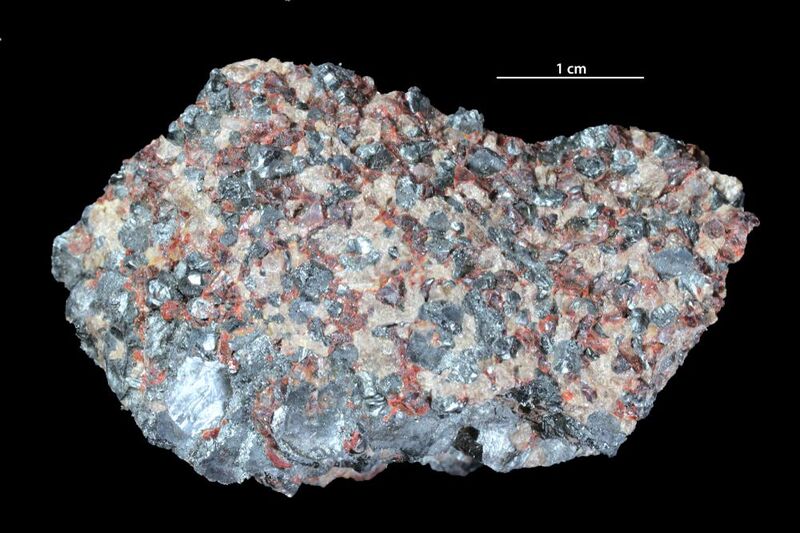
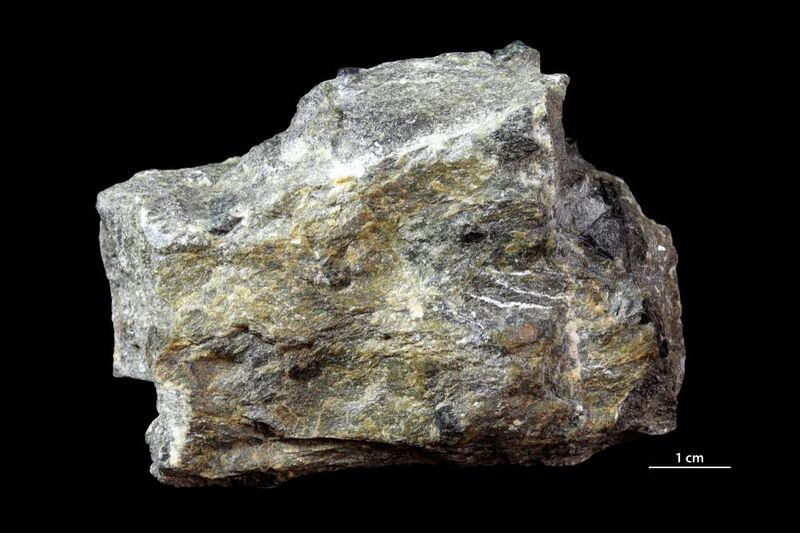
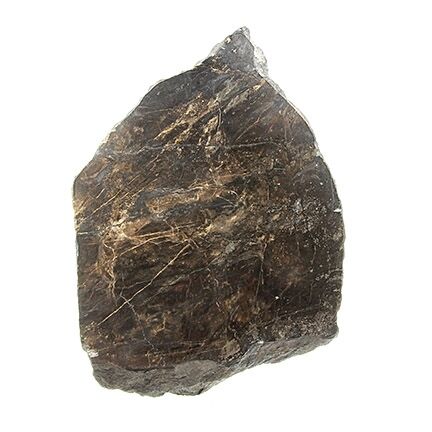
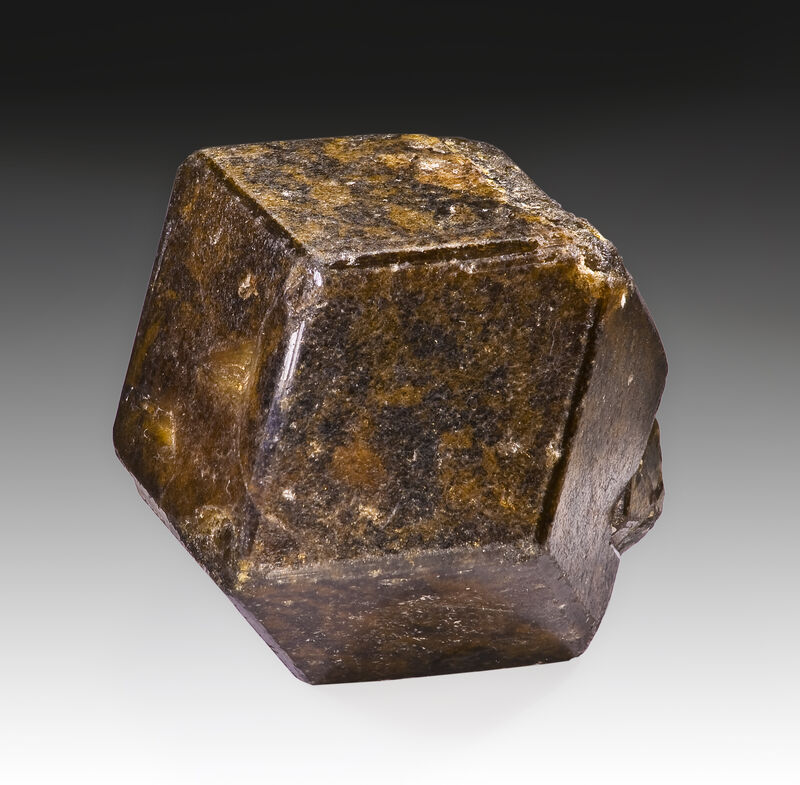 AndraditeCa3Fe3+2(SiO4)3Mineral—
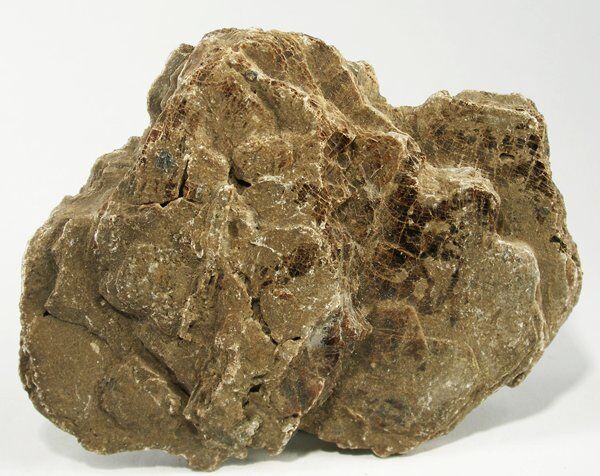 ClintoniteCaAlMg2(SiAl3O10)(OH)2Mineral—
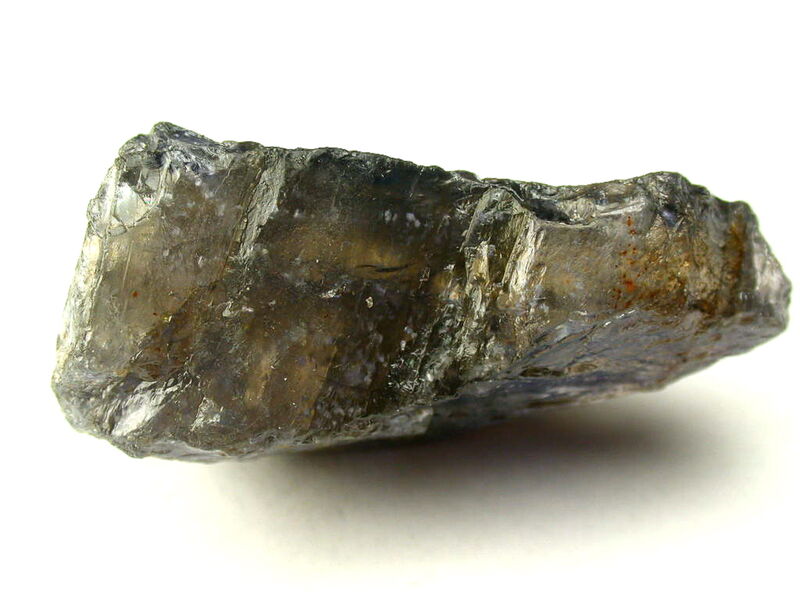 CordieriteMg2Al4Si5O18Mineral—
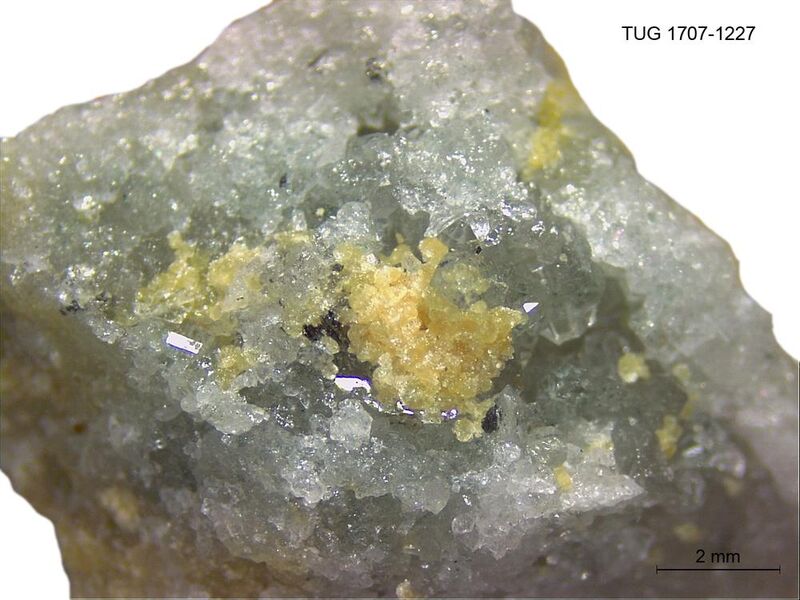 FluorapatiteCa5(PO4)3FMineral—
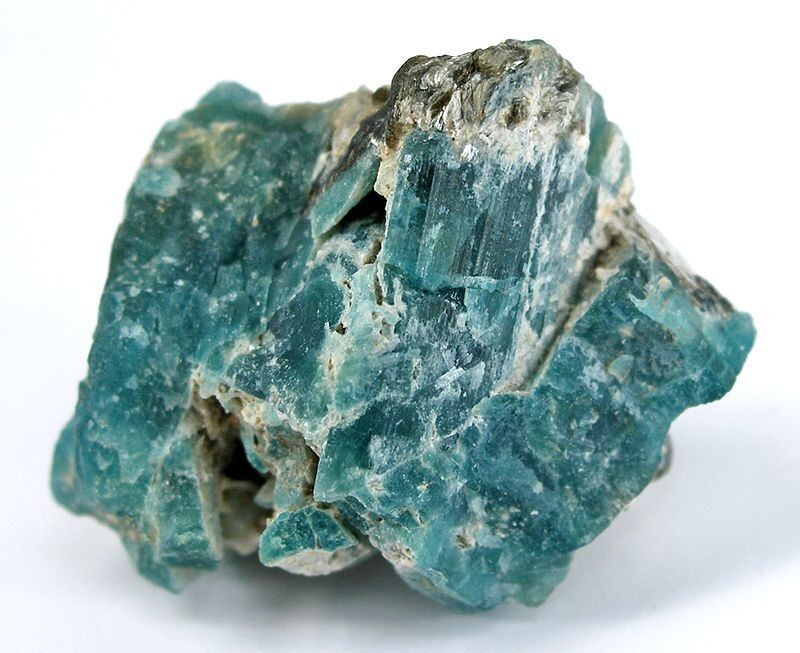 GrandidieriteMgAl3O2(BO3)(SiO4)Mineral—
- GrossiteCaAl4O7Mineral—
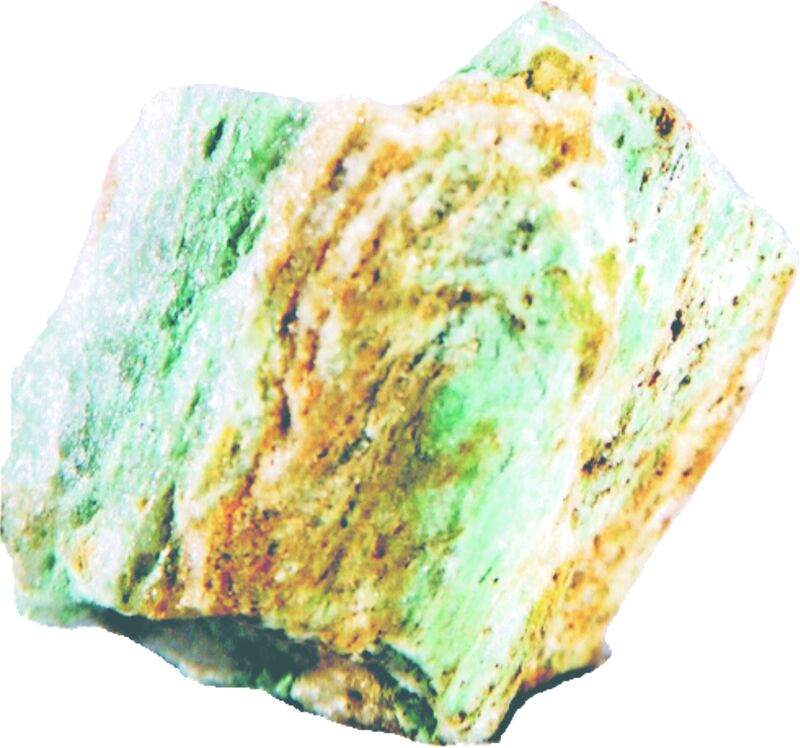 HastingsiteNaCa2(Fe2+4Fe3+)(Si6Al2)O22(OH)2Mineral—
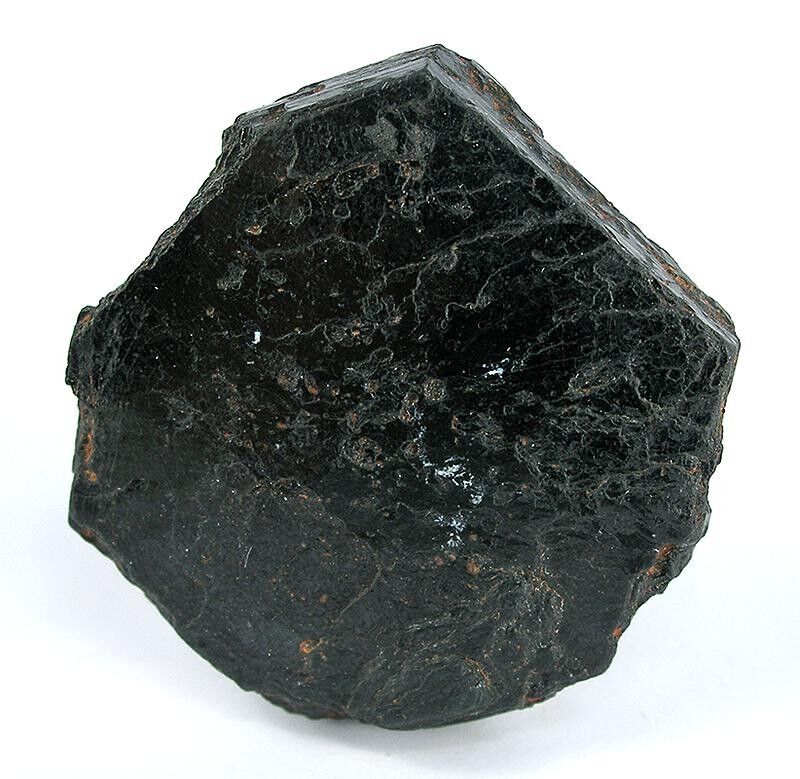 HiboniteCaAl12O19Mineral—
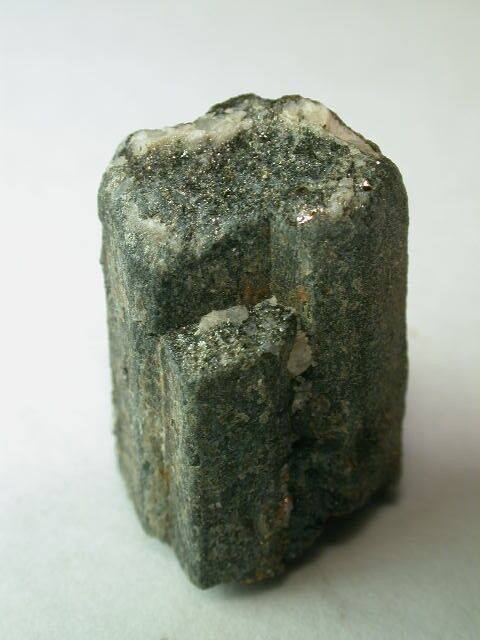 Kornerupine(Mg,Fe2+,Al,◻)10(Si,Al,B)5O21(OH,F)2Mineral—
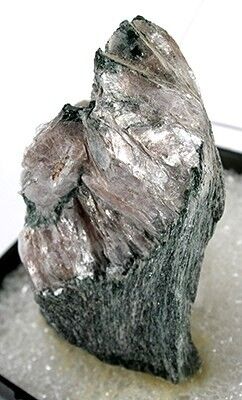 MargariteCaAl2Si2Al2O10(OH)2Mineral—
Literature, links & citation
- 1797Klaproth, M. H. (1797) XXVII. Untersuchung des Spinells. In Beiträge zur chemischen Kenntniss der Mineralkörper Vol. 2. Rottmann. p.1-11.
- 1923Weigel (1923) Jb. Min., Beil.-Bd.: 48: 274.
- 1923Tilley, C. E. (1923) Paragenesis of the Minerals of the Three Component System MgO-Al2O3-SiO2 in Thermal Metamorphism. Geological Magazine, 60 (3) 101-107 doi:10.1017/s0016756800084727DOI: 10.1017/s0016756800084727
- 1930Schlossmacher (1930) Zs. Kr.: 72: 468.
- 1937Anderson, B. W., Payne, C. J. (1937) Magnesium-zinc-spinels from Ceylon. Mineralogical Magazine and Journal of the Mineralogical Society, 24 (158) 547-554 doi:10.1180/minmag.1937.024.158.01 DOI: 10.1180/minmag.1937.024.158.01
Entry last updated
@misc{mineral2026,
  author    = {Mineral Index editorial board},
  title     = {Spinel — Mineral Index},
  year      = {2026},
  url       = {https://mineralindex.org/minerals/spinel-3729}
}