Where it forms, where it's found
- Geological setting
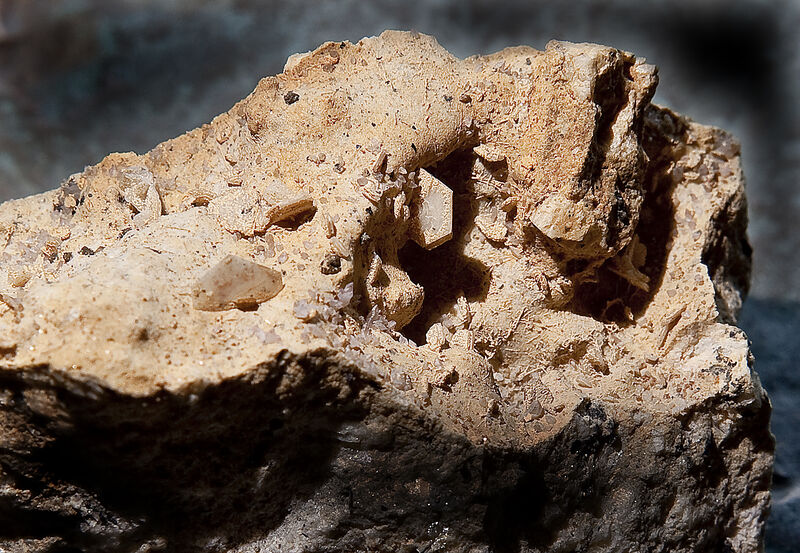
A meteor impact crater in sandstone.
Meteorite impact craters
- Type locality
- Meteor Crater
- Meteor Crater area
- Coconino County
- Arizona
- USA
35.0281°, -111.0225°
29recorded occurrences
Physical
- Hardness
- 1Talc
- 2Gypsum
- 3Calcite
- 4Fluorite
- 5Apatite
- 6Orthoclase
- 7Quartz
- 8Topaz
- 9Corundum
- 10Diamond
- Transparency
- Transparent
- Colour
- Colourless
- Streak
- White
- Density
- 4.35 g/cm³
Optical
- Optical type
- Uniaxial (+)
- Refractive index
- 1.799 – 1.845
- Surface relief
- Very high
- Principal indices
- nω 1.799 – 1.800 · nε 1.826 – 1.845
Δ = 0Δmax
PPLpleochroism per grain
XPLindependent extinctions · rotate the stage
PPLpleochroism only · colour blends on rotation
XPLinterference colour · extinct every 90°
Retardation360 nm
Order1st order
XPL colour
Crystallography
- Space group
- #190
- Cell parameters
- a = 4.1772(7) Å · c = 2.6651(4) Å
- Z
- 2
- Morphology
Aggregates of submicron particles.
- Type-locality form
Aggregates of submicron size.
- Comment
Synthetic material
Crystal structure
Chemical composition
Synonyms
- Stipoverit
- Stipoverita
- Stipoverite
In other languages
- French
- 13778-37-5 · stishovite
- German
- Stishovit
- Spanish
- stipoverita · stishovita
- Italian
- stishovite
- Japanese
- スティショバイト · スティショフ石
- Chinese
- 斯石英 · 超石英
- Simplified Chinese
- 斯石英
- Traditional Chinese
- 斯石英
- Russian
- стишовит
- Arabic
- ستيشوفيت
Classification
Strunz
10th ed.4.DA.40
- 4OxidesClass
- 4.DMetal: Oxygen = 1:2 and similarDivision
- 4.DAWith small cations: Silica familyGroup
- 4.DA.40StishoviteSpecies
Dana
8th ed.04.04.01.09
- 04Simple OxidesClass
- 04.04AX2Type
- 04.04.01Rutile group (Tetragonal: P4/mnm)Group
- 04.04.01.09StishoviteSpecies
CIM
—7.8.4
- 7Oxides and HydroxidesClass
- 7.8Oxides of SiGroup
- 7.8.4StishoviteSpecies
Group, growth & confusion
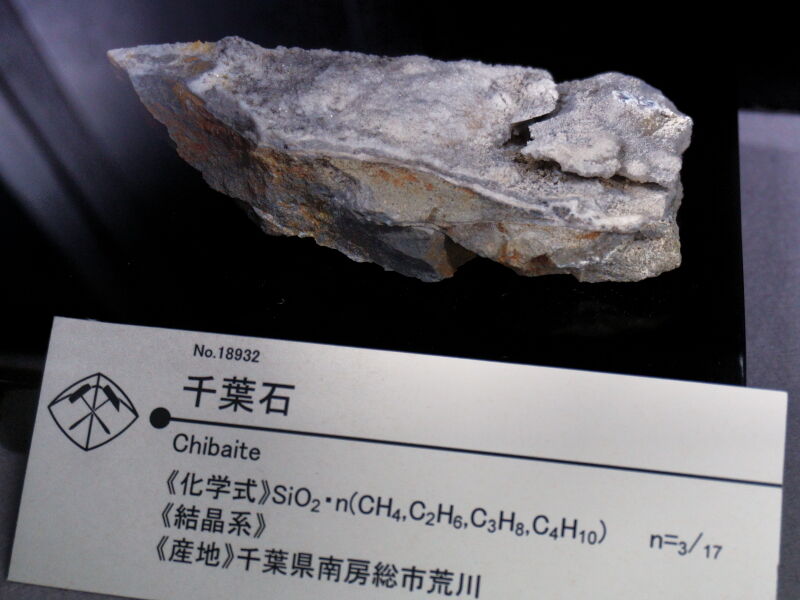
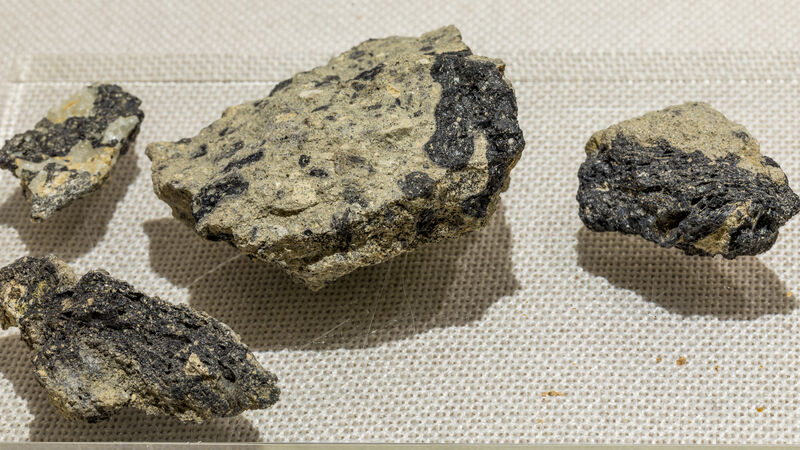
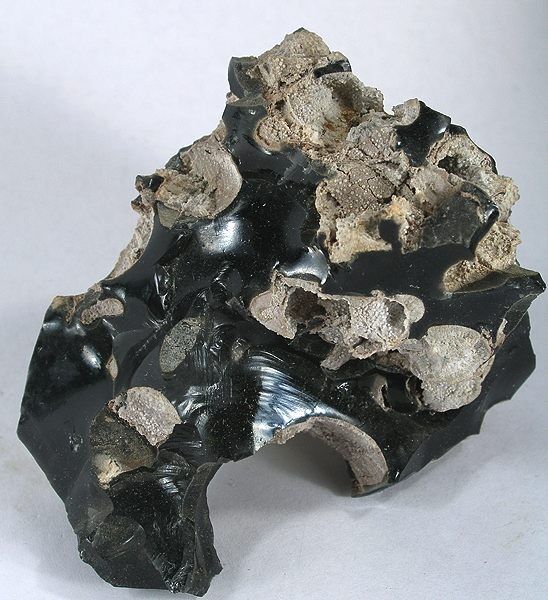
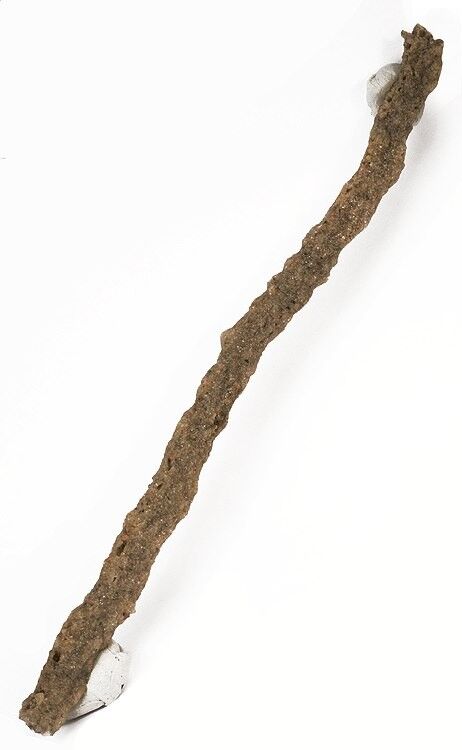
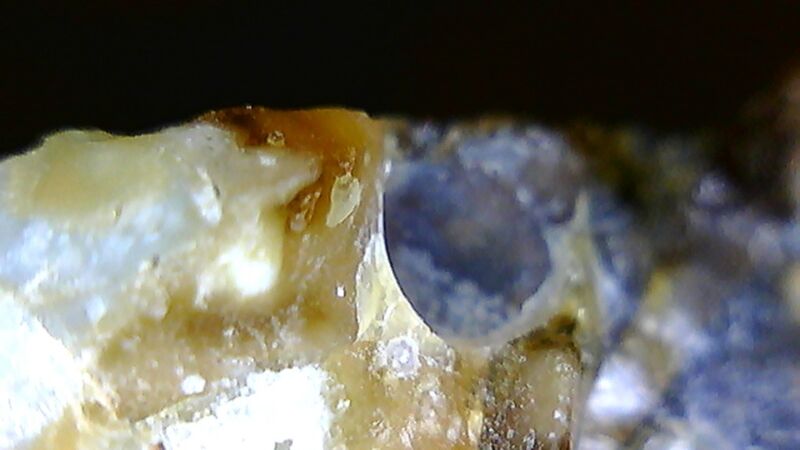
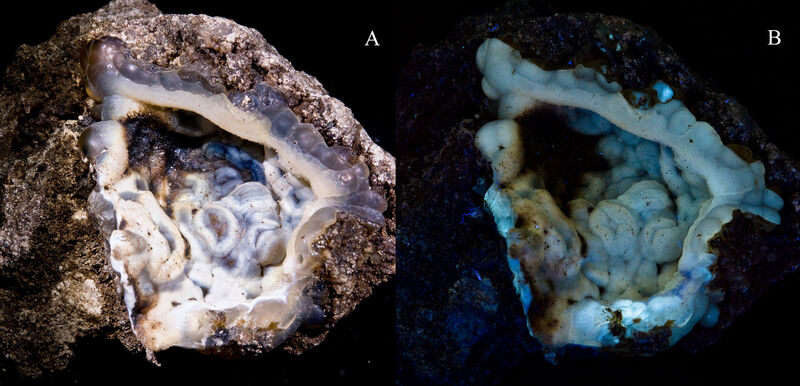
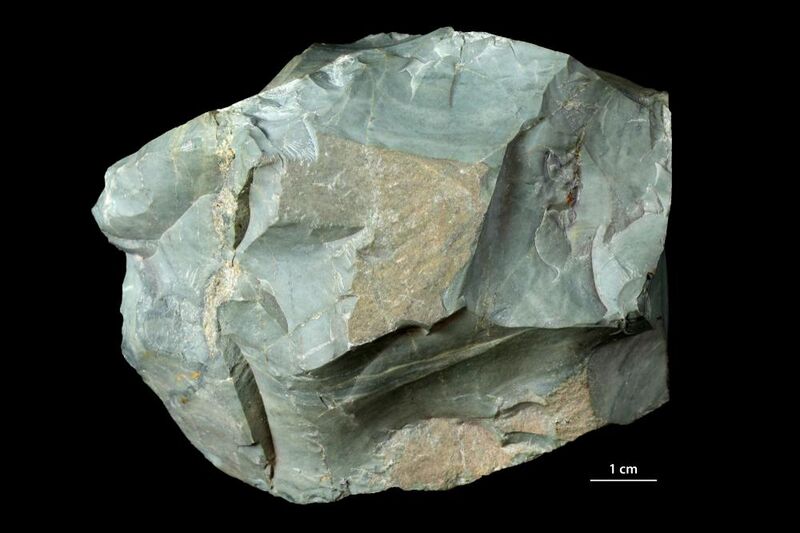
Literature, links & citation
Citations
- —Litvin, Yu.A., Spivak, A.V., Kuzyura, A.V. (2024): Variability of Stishovite Genesis under Terrestrial Conditions: Physicogeochemical Aspects. Geochemistry International, 62, 124-139.
- 1961Stishov, S.M., Popova, S.V. (1961) A new modification of silica. Geochemistry: 10: 923-926.
- 1962Fleischer, Michael; Foster, Margaret D. (1962) New mineral names. American Mineralogist, 47 (5-6). 805-812
- 1962Chao, E. C. T., Fahey, J. J., Littler, Janet, Milton, D. J. (1962) Stishovite, SiO2, a very high pressure new mineral from Meteor Crater, Arizona. Journal of Geophysical Research, 67 (1) 419-421 doi:10.1029/jz067i001p00419DOI: 10.1029/jz067i001p00419
- 1962Preisinger, A. (1962) Struktur des Stishovits, Höchstdruck-SiO2. Naturwissenschaften: 49: 345.
Cite this entry
Entry last updated
@misc{mineral2025,
  author    = {Mineral Index editorial board},
  title     = {Stishovite — Mineral Index},
  year      = {2025},
  url       = {https://mineralindex.org/minerals/stishovite-3790}
}