History
The Ancient Greeks called clear quartz krystallos, from kruos ("icy cold") and stellein ("to contract" or "to solidify"). They believed the mineral was a form of permanently solidified ice. The earliest recorded use of the name comes from Theophrastus, around 300–325 BCE. Pliny the Elder carried the same belief into Roman natural philosophy, holding that quartz was ice permanently frozen after great lengths of time.
Through medieval Europe and the Middle East, the clear varietal was among the most commonly used materials for jewellery and hardstone carving. It went by rock crystal in English, Bergkristall in German — names that preserved the older Greek root.
The modern name first appeared in print in 1505, in an anonymous mining tract from Freiberg, Saxony. It was attributed to the physician Ulrich Rülein von Kalbe. A 20th-century hypothesis traces the German quarz to miners' vocabulary in the Erzgebirge ore region. Saxon miners called silver-bearing cross-veins Querkluftertz — cross-vein-ore — a clumsy word that condensed over generations into Quertz and finally Quarz.
In 1530, Georgius Agricola used both quarzum and querze in his Latin treatises, alongside competing names — crystallum, silicum, silex — drawn from older traditions. The word took more than a century to settle.
In 1669, Nicolaus Steno obliquely formulated what would later be called the constancy of interfacial angles, in the caption of an illustration of quartz crystals.
The principle holds that a given mineral always crystallises with the same angles between its faces — a foundational law of crystallography.
The same year, Erasmus Bartholinus used variant spellings of crystal to mean species other than quartz, and any "bodies with angles" more broadly. Only in the second half of the 18th century did quartz settle as the name for this particular mineral. By then, crystal had become a generic term for any body with angles.
Industrial & practical applications
Slice a synthetic quartz crystal thin, apply a voltage, and it vibrates at a fixed frequency. That property — piezoelectricity — makes quartz the timekeeper inside the small machines of daily life. Properly cut plates of quartz keep the frequency in radios, televisions, and electronic communications equipment, and the time in crystal-controlled clocks and watches. The quartz clock — a clock built around a quartz oscillator — is one familiar example. Almost all the quartz used this way is synthetic, grown by a hydrothermal process — a high-pressure heated-water bath — from natural-quartz feedstock.
The mineral's purest form goes into the silicon industry. High-purity quartz is the starting ore for the silicon used in chips and solar cells.
Volume use looks different. Vast tonnages of quartz sand — silica sand — feed the glass and ceramics industries. Fused quartz — the glass made by melting silica — is used in optics for its ability to transmit ultraviolet light.
Industrial sand has its own range of uses. Crushed quartz makes the abrasive grain on sandpaper. Silica sand sets concrete, filters water, and — under the trade name fracing sand — props open the fractures that oil wells create deep underground.
Where it forms, where it's found
- Geological setting
Most of them...
Varieties
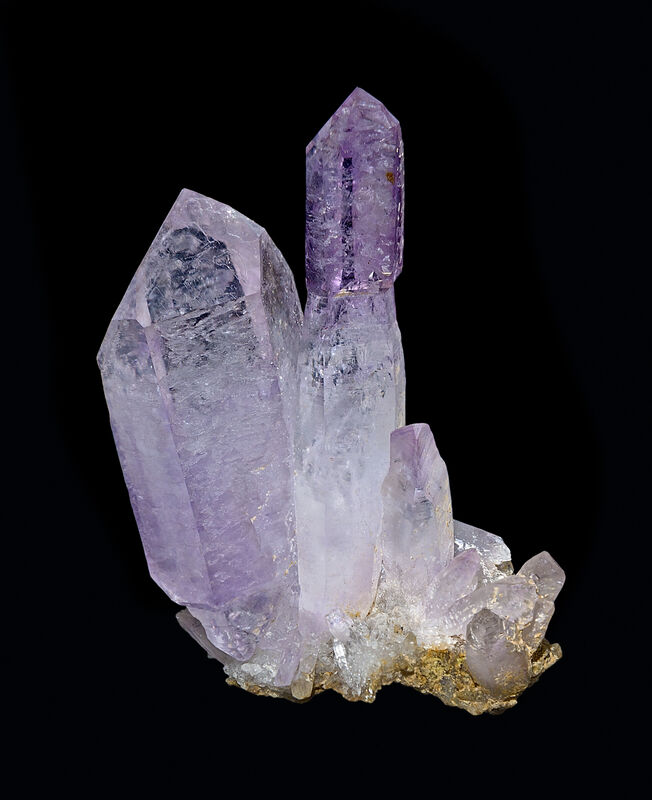
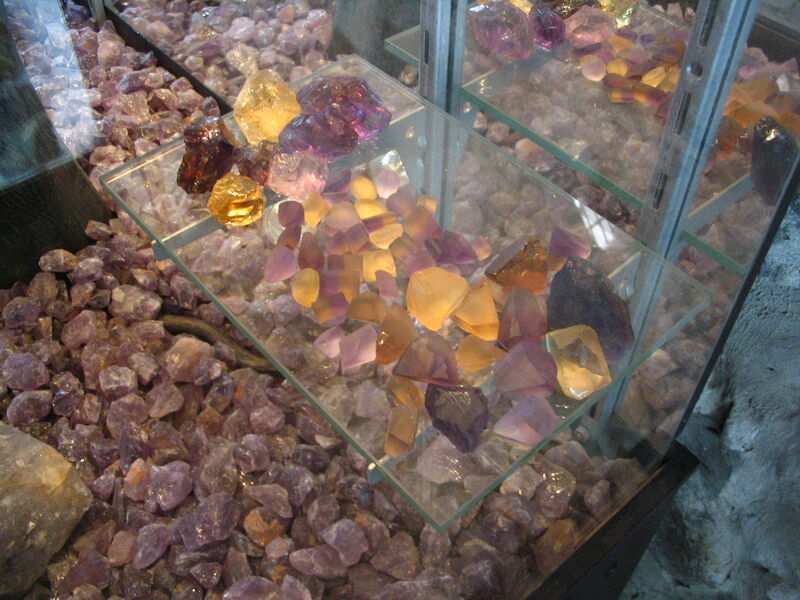
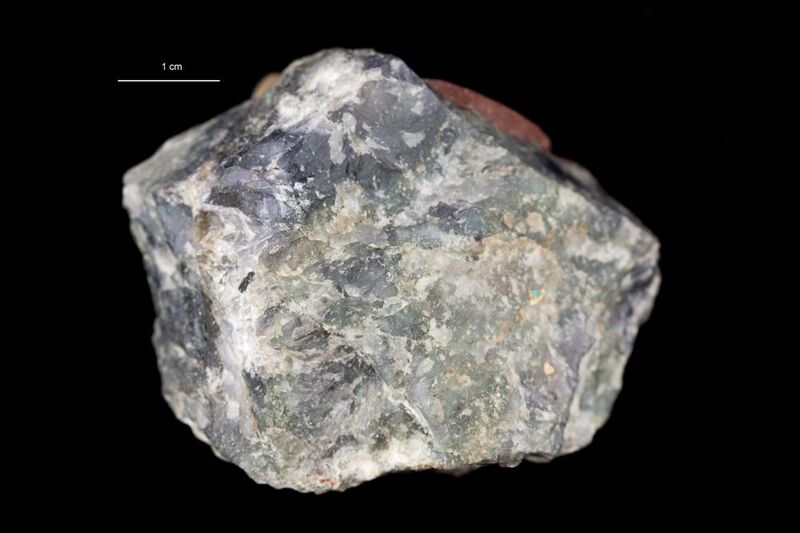
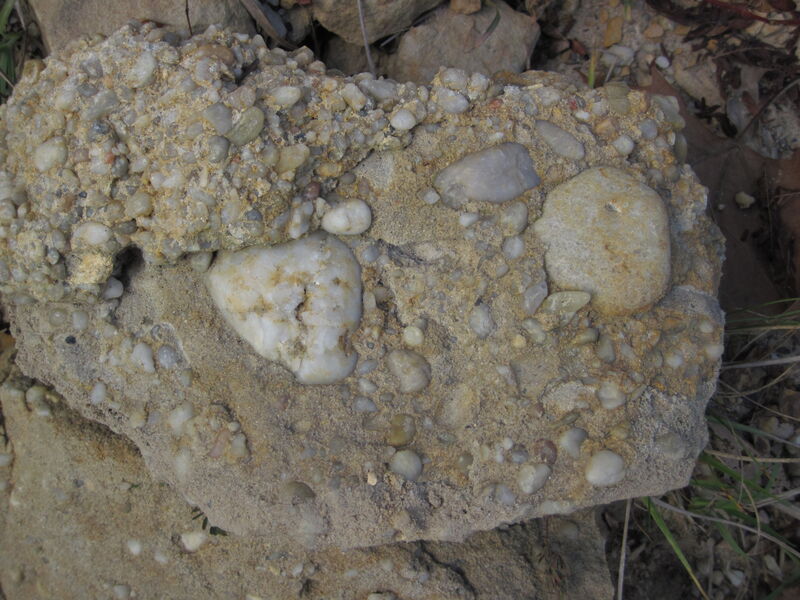
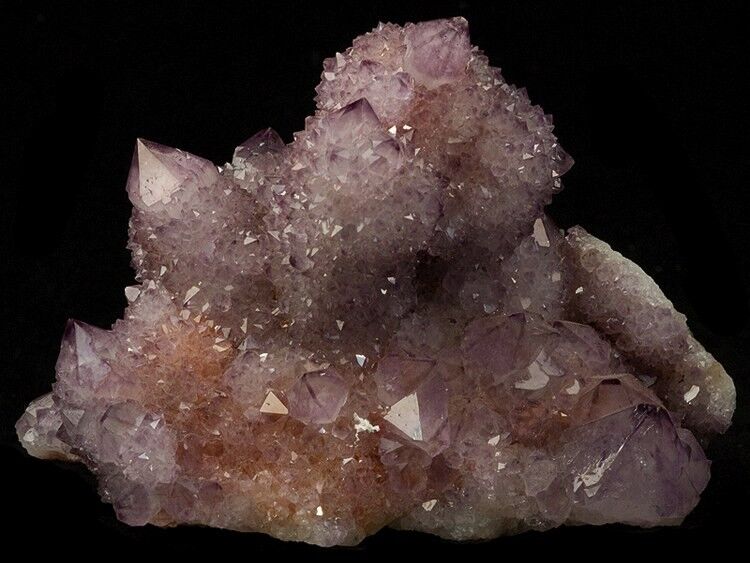
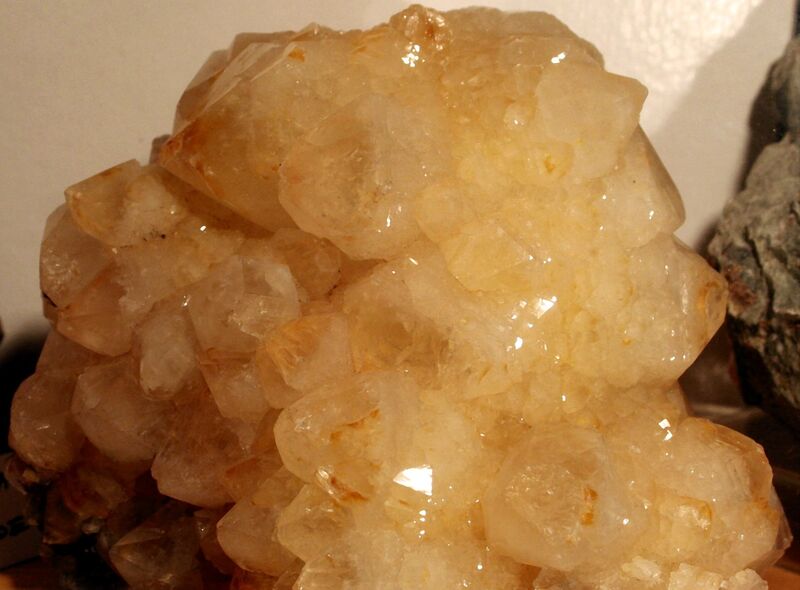
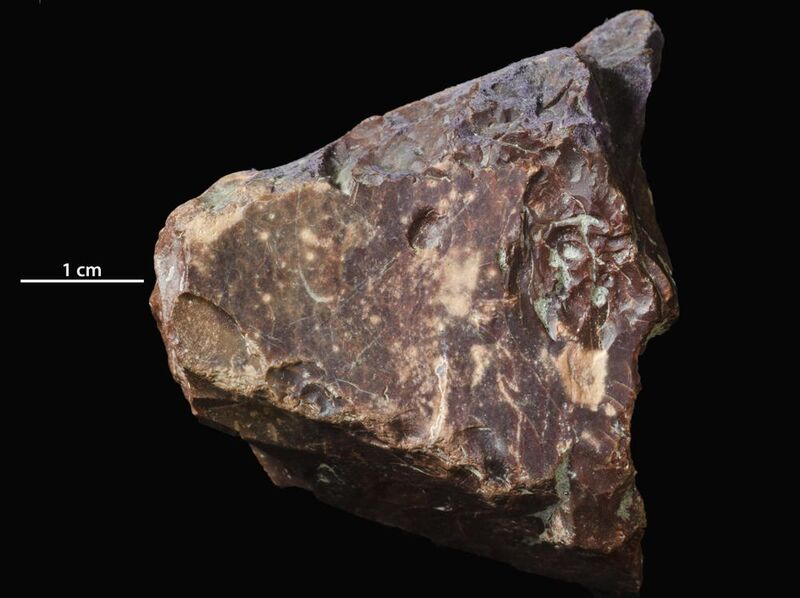
Physical
- Hardness
- 1Talc
- 2Gypsum
- 3Calcite
- 4Fluorite
- 5Apatite
- 6Orthoclase
- 7Quartz
- 8Topaz
- 9Corundum
- 10Diamond
- Lustre
- Vitreous
- Transparency
- Transparent · Translucent
- Colour
- Colorless · purple · rose · red · black · yellow · brown · green · blue · orange · etc.
- Streak
- White
- Tenacity
- brittle
- Cleavage
- Poor/Indistinct
The rhombohedral cleavage r(101) is most often seen, there are at least six others reported.
Tough when massive
- Fracture
- Conchoidal
- Density
- 2.65 g/cm³
Optical
- Optical type
- Uniaxial (+)
- Refractive index
- 1.544 – 1.553
- Surface relief
- Moderate
- Principal indices
- nω 1.544 · nε 1.553
- Pleochroism
Varieties colored by trace elements built into the crystal lattice, as opposed to varieties colored by inclusions, generally show dichroism: smoky quartz, amethyst, citrine, prasiolite, "rose quartz in crystals" (a.k.a. pink quartz), are pleochroic.
- Dispersion
- low
- Luminescence
- Triboluminescent
Crystallography
- Space group
- #89
- Cell parameters
- a = 4.9133 Å · c = 5.4053 Å
- Z
- 3
- Twinning
Dauphiné law. Brazil law. Japan law. Others for beta-quartz...
- Comment
Space group is P3121 for left-handed crystals and P3221 for right-handed crystals
Chemical composition
- Impurities
- H
- Al
- Li
- Fe
- Ti
- Na
- Mg
- Ge
- etc
Synonyms
- Alpha-Quartz
- Azetulite
- Brazillian Pebble
- Conite (of Macculloch)
- Cornish Diamond
- Grian Cloch
- Kammquarz
- Kiesel
- Konilit
- Konilite
- Lake County Diamonds
- Lemurian Seed Crystal
- Lodolite
- Low Quartz
- Mexican Diamond
- Quartz-alpha
- Quartz-α
- Quertz
- Salinarquarz
- Vatovelona
- α-Quartz
- β-Quartz (of Geophys. Lab)
In other languages
- French
- 14808-60-7 · Azetulite · Azeztulite · Cristal de roche · Dragonite · Konilite · Lodolite · quartz
- German
- Quarz · SiO2 · Tiefquarz · α-Quarz
- Spanish
- cristal de roca · cuarzo · cuarzo de diversos colores · Cuarzo hialino · cuarzo rosa
- Italian
- Cristalli di quarzo · Quarzi · quarzo
- Portuguese
- cristal quartzo · quartzo
- Japanese
- ケイ砂 · 水晶 · 水晶末 · 玻璃 · 珪砂 · 白石英 · 石英
- Chinese
- 水晶 · 石英 · 石英石 · 粉晶 · 黃水晶
- Russian
- SiO2 · Бингемит · кварц
- Arabic
- الكوارتز · كوارتز · مرو
- Hindi
- क्वार्ट्ज · स्फटिक
Classification
4.DA.05
- 4OxidesClass
- 4.DMetal: Oxygen = 1:2 and similarDivision
- 4.DAWith small cations: Silica familyGroup
- 4.DA.05QuartzSpecies
75.01.03.01
- 75Tectosilicates Si Tetrahedral FrameworksClass
- 75.01Si Tetrahedral Frameworks - SiO2 with [4] coordinated SiType
- 75.01.03— unnamed intermediate level —Group
- 75.01.03.01QuartzSpecies
7.8.1
- 7Oxides and HydroxidesClass
- 7.8Oxides of SiGroup
- 7.8.1QuartzSpecies
Group, growth & confusion
 AbelsoniteNiC31H32N4Mineral—
- AbswurmbachiteCu2+Mn3+6O8(SiO4)Mineral—
 AcanthiteAg2SMineral—
 AdamiteZn2(AsO4)(OH)Mineral—
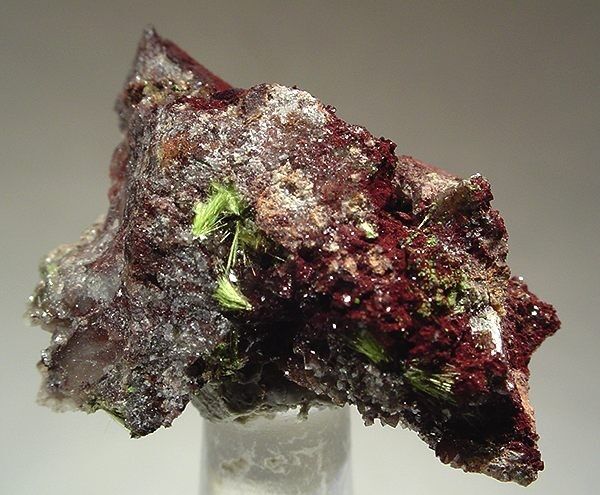 Agardite-(La)LaCu2+6(AsO4)3(OH)6 · 3H2OMineral—
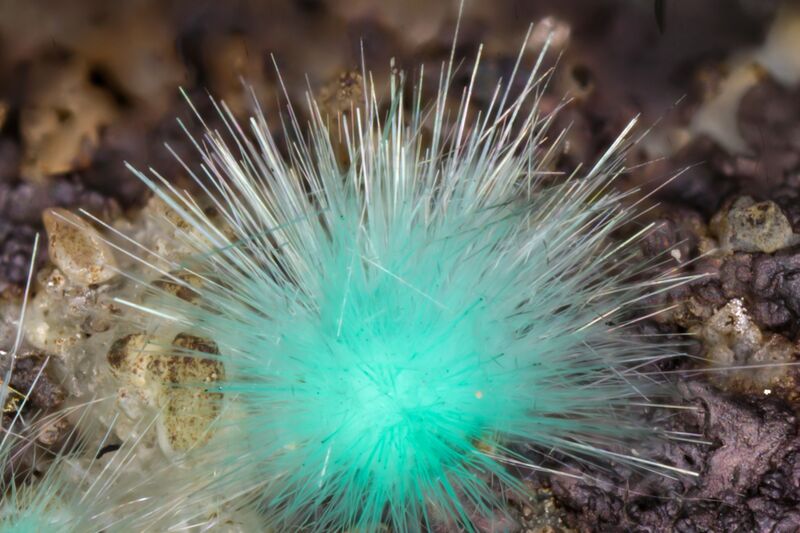 Agardite-(Y)YCu2+6(AsO4)3(OH)6 · 3H2OMineral—
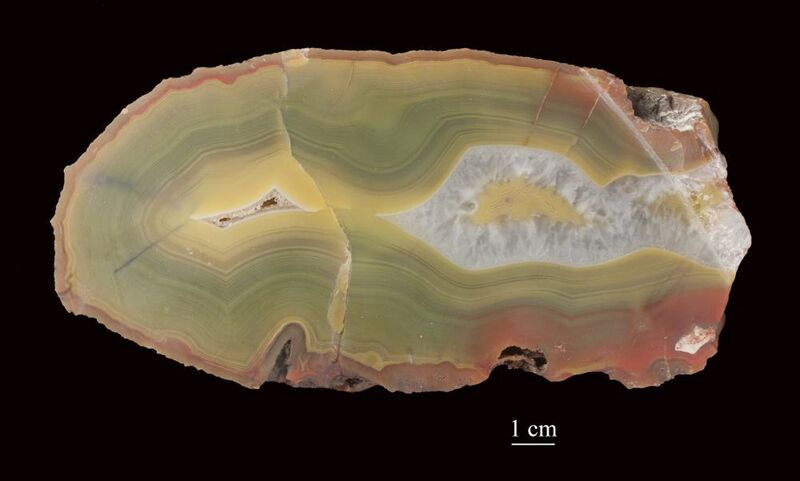 AgateSiO2Variety—
 AgrelliteNaCa2Si4O10FMineral—
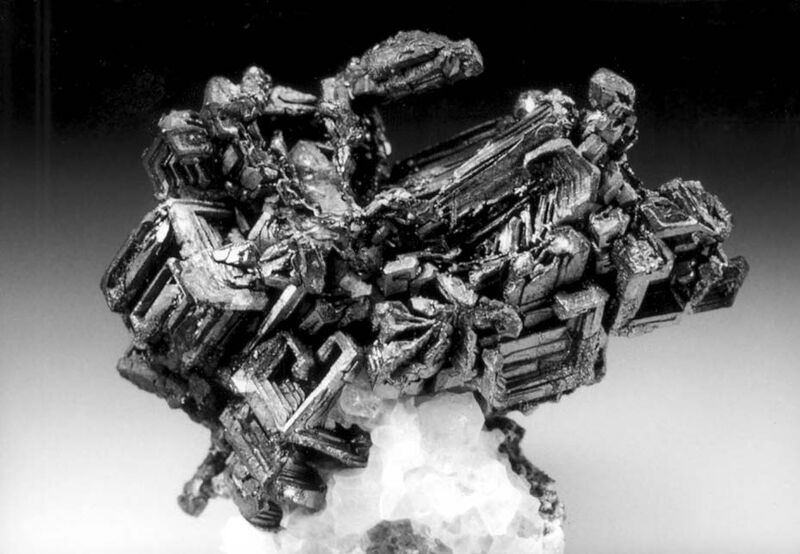 AguilariteAg4SeSMineral—
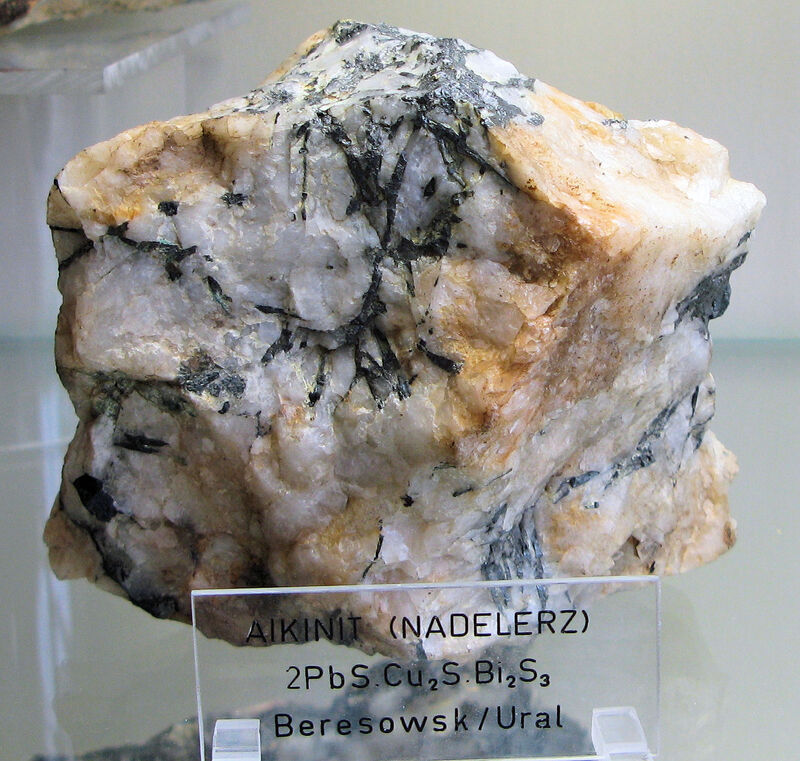 AikiniteCuPbBiS3Mineral—
Literature, links & citation
- —De natura fossilium - Lib. I-X
- —Mullis, J. (1996): P-T-t path of quartz formation in extensional veins of the Central Alps. Schweizerische Mineralogische und Petrographische Mitteilungen, 76, 159-164.
- 1527Rülein von Calw, U. (1527) Querz. in: Ein nützlich Bergbüchlin: von allen Metallen / als Golt / Silber / Zcyn / Kupferertz / Eisenstein / Bleyertz / und vom Quecksilber, Loersfelt (Erffurd) 25, 38.
- 1530Agricola, G. (1530) Quarzum. in: Bermannus, Sive De Re Metallica, in aedibus Frobenianis (Basileae) 88, 129.
- 1778Bras-de-Fer, L. (1778) (84) Terre (Élément). in: Explication Morale du Jeu de Cartes; Anecdote Curieuse et Interessante, (Bruxelles), 99-100.
Entry last updated
@misc{mineral2026,
  author    = {Mineral Index editorial board},
  title     = {Quartz — Mineral Index},
  year      = {2026},
  url       = {https://mineralindex.org/minerals/quartz-3337}
}