Where it forms, where it's found
- Type locality
- Faial
- Azores
- Portugal
463recorded occurrences
Varieties
Physical
Optical
- Optical type
- Biaxial (-) · 2V measured = 74 – 47° · 2V calc = 54 – 66°
- Refractive index
- 1.731 – 1.875
- Surface relief
- Very high
- Principal indices
- nα 1.731 – 1.824 · nβ 1.76 – 1.864 · nγ 1.773 – 1.875
- Pleochroism
- Visible
X = pale yellow Y = orange-yellow, reddish-brown Z = pale yellow
- Dispersion
- weak
Δ = 0Δmax
PPLpleochroism per grain
XPLindependent extinctions · rotate the stage
PPLpleochroism only · colour blends on rotation
XPLinterference colour · extinct every 90°
Retardation465 nm
Order1st order
XPL colour
Crystallography
- Cell parameters
- a = 4.79 Å · b = 10.39 Å · c = 6.06 Å
- Ratio a:b:c
- 1 : 2.169 : 1.265
- Z
- 4
- Comment
Space group Pbnm (non-standard setting).
Crystal structure
Chemical composition
- Impurities
- Mn
- Mg
Synonyms
- Eisenglas
- Eisenperidot
- Faialit
- Fe-rich olivine
- Iron-Chrysolite
In other languages
- French
- fayalite · péridot ferrugineux
- German
- Fayalit · Hortonolith · Knebelit
- Spanish
- fayalita
- Italian
- Fayalite
- Portuguese
- Faialita · faialite
- Japanese
- 鉄カンラン石
- Chinese
- 铁橄榄石
- Simplified Chinese
- 铁橄榄石
- Traditional Chinese
- 鐵橄欖石
- Russian
- фаялит
- Arabic
- فاياليت
Classification
Strunz
10th ed.9.AC.05
- 9SilicatesClass
- 9.ANesosilicatesDivision
- 9.ACNesosilicates without additional anions; cations in octahedral [6] coordinationGroup
- 9.AC.05FayaliteSpecies
Dana
8th ed.51.03.01.01
- 51Nesosilicates Insular Sio4 Groups OnlyClass
- 51.03Insular SiO4 Groups Only with all cations in octahedral [6] coordinationType
- 51.03.01Olivine groupGroup
- 51.03.01.01FayaliteSpecies
CIM
—14.19.1
- 14Silicates not Containing AluminumClass
- 14.19Silicates of FeGroup
- 14.19.1FayaliteSpecies
Group, growth & confusion
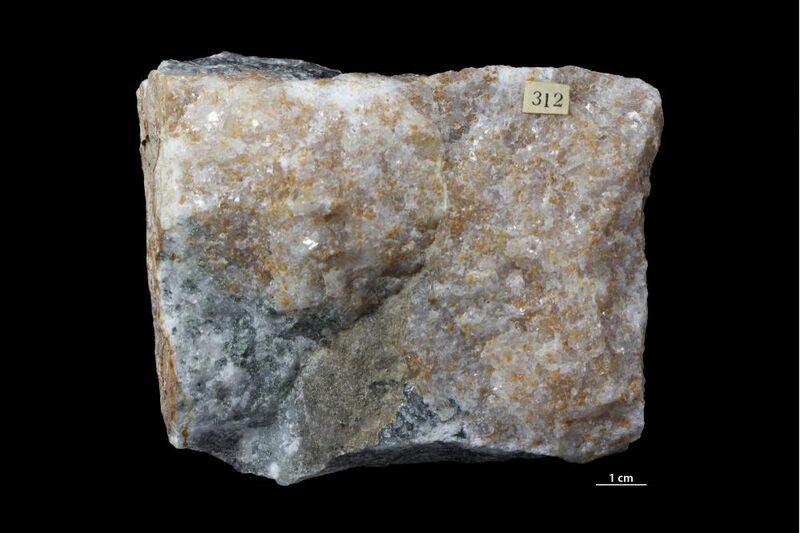
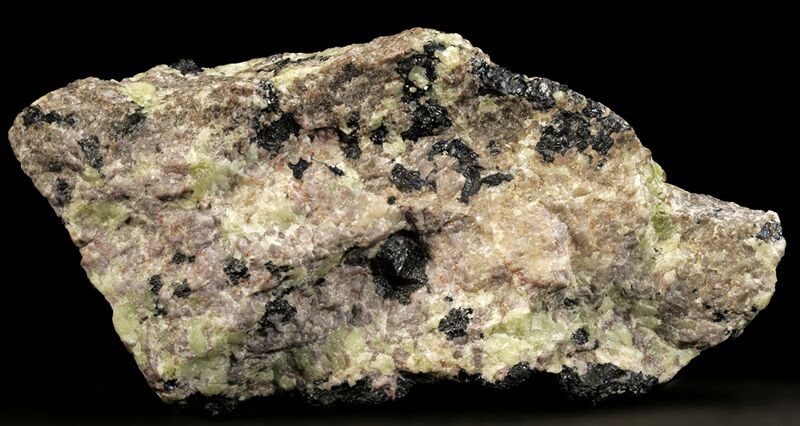
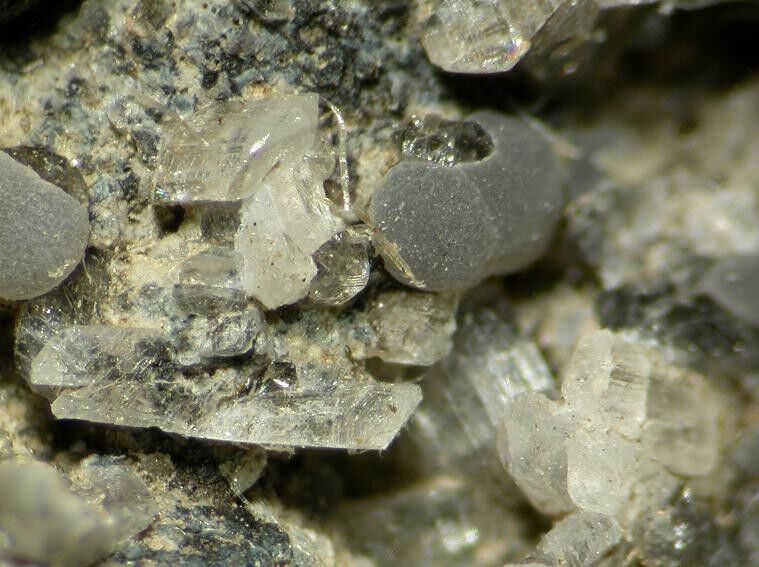
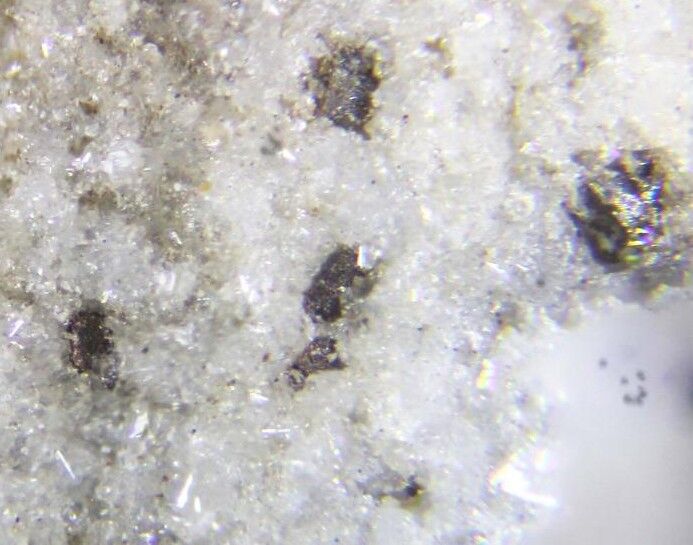
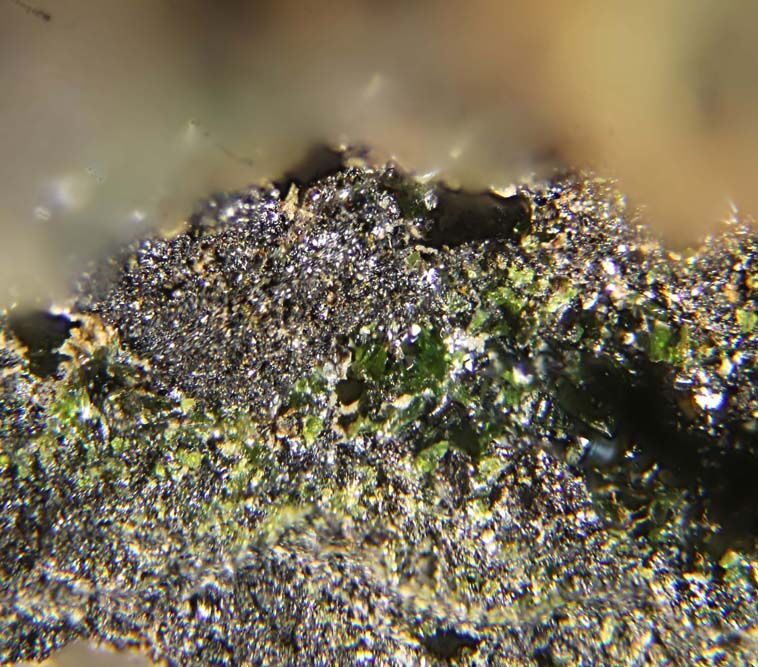
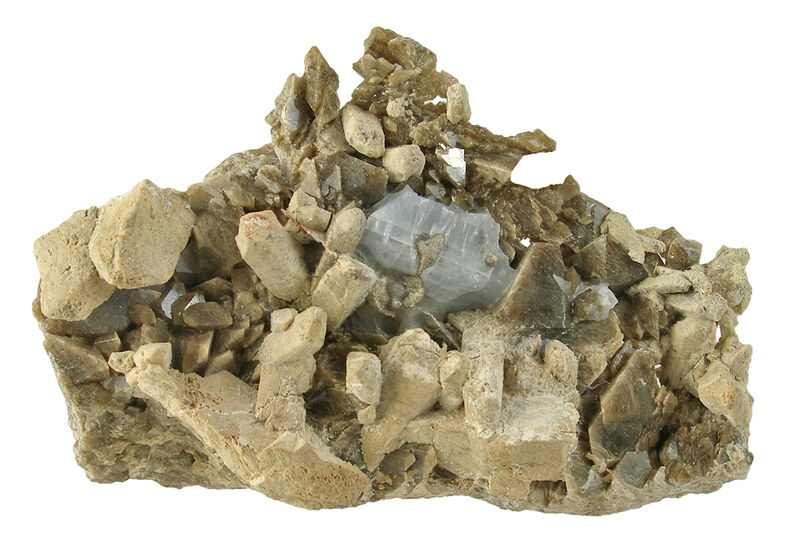
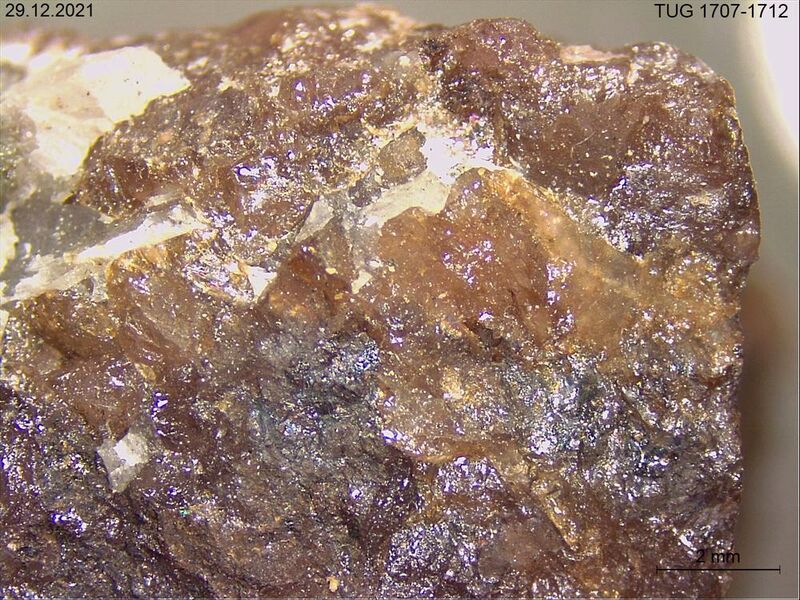
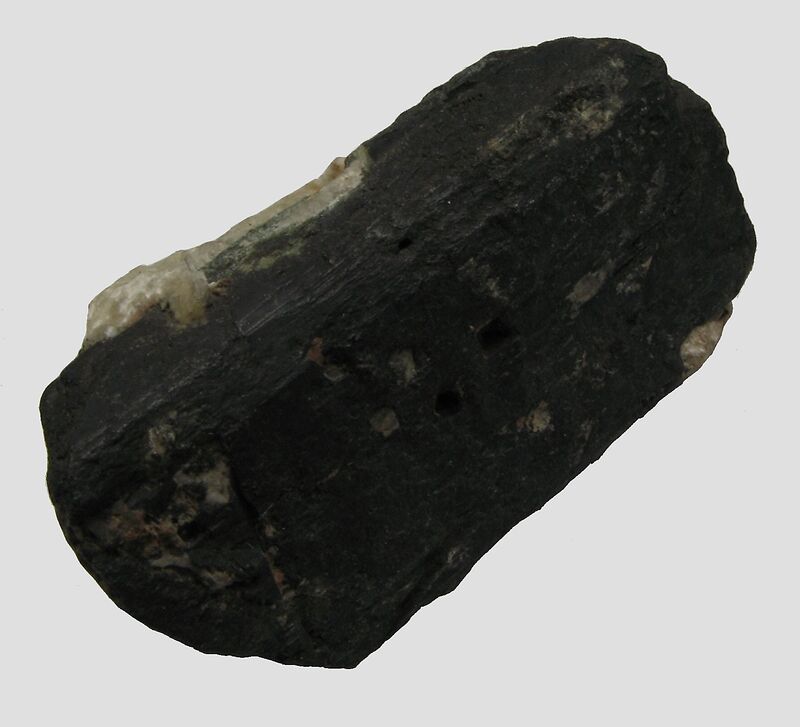
Literature, links & citation
Citations
- 1840Gmelin, C.G. (1840) Chemische Untersuchung des Fayalites. Annalen der Chemie und Physik: 127(2/051): 160.
- 1840von Fellenberg, R.L. (1840) Analyse des Eisenperidots, eines neuen vulkanischen Minerals von den Azoren. Annalen der Physik und Chemie: 127(2/051): 261.
- 1884Gorgeu, Alex. (1884) Sur la production artificielle de la Fayalite. Bulletin de Minéralogie, 7 (2) 61-62 doi:10.3406/bulmi.1884.1855DOI: 10.3406/bulmi.1884.1855
- 1969Fisher, G.W., Medaris, L.G. (1969) Cell dimensions and X-ray determinative curve for synthetic Mg-Fe olivines. American Mineralogist: 54: 741-753.
- 1972Burns, Roger G., Huggins, Frank E. (1972) Cation determinative curves for Mg-Fe-Mn olivines from vibrational spectra. American Mineralogist, 57 (5-6) 967-985
Cite this entry
Entry last updated
@misc{mineral2026,
  author    = {Mineral Index editorial board},
  title     = {Fayalite — Mineral Index},
  year      = {2026},
  url       = {https://mineralindex.org/minerals/fayalite-1458}
}