Where it forms, where it's found
- Geological setting
Common in ocean floor manganese nodules; found in manganese oxide deposits; late stage coating in granite pegmatite
- Type locality
- Todoroki mine
- Yoichi District
- Shiribeshi Subprefecture
- Hokkaidō Prefecture
- Japan
43.0083°, 140.9250°
448recorded occurrences
Physical
Optical
- Optical type
- Biaxial (-)
- Refractive index
- 2.31 – 2.35
- Surface relief
- Very high
- Principal indices
- nα 2.31 · nβ 2.35
- Pleochroism
- Visible
Pleochroic in brown.
- Extinction
- Y=b, Z>X
- UV response
- Not fluorescent in ultraviolet
Crystallography
- Space group
- #13
- Cell parameters
- a = 9.75 Å · b = 2.84 Å · c = 9.59 Å
- Cell angles
- β = 90 °
- Ratio a:b:c
- 1 : 0.291 : 0.984
- Z
- 1
- Morphology
Spongy banded and/or reniform aggregates composed of minute lathlike to fibrous crystals. Crystals flattened (010) and elongated [001] with terminal edges inclined about 60° and 70° to [001].
- Twinning
Contact twins with c ^ ć about 60°.
- Type-locality form
Very fine fibrous flakes, < 0.05 mm in length. The flakes are arranged in lamellar layers, in which the lamellae are vertical to the surface of the layer.
- Comment
β may be variable; formerly given as orthorhombic or tetragonal
Crystal structure
Chemical composition
- Impurities
- Ba
- K
- Na
Synonyms
- Delatorreite
- Todorokiet
In other languages
- German
- Todorokit
- Spanish
- Todorokita
- Italian
- todorokite
- Japanese
- 轟石
- Russian
- Тодорокит
Classification
Strunz
10th ed.4.DK.10
- 4OxidesClass
- 4.DMetal: Oxygen = 1:2 and similarDivision
- 4.DKWith large (+- medium-sized) cations; tunnel structuresGroup
- 4.DK.10TodorokiteSpecies
Dana
8th ed.07.08.01.01
- 07Multiple OxidesClass
- 07.08AB3X7Type
- 07.08.01— unnamed intermediate level —Group
- 07.08.01.01TodorokiteSpecies
CIM
—7.4.19
- 7Oxides and HydroxidesClass
- 7.4Oxides of Be, Mg and the alkaline earthsGroup
- 7.4.19TodorokiteSpecies
Group, growth & confusion
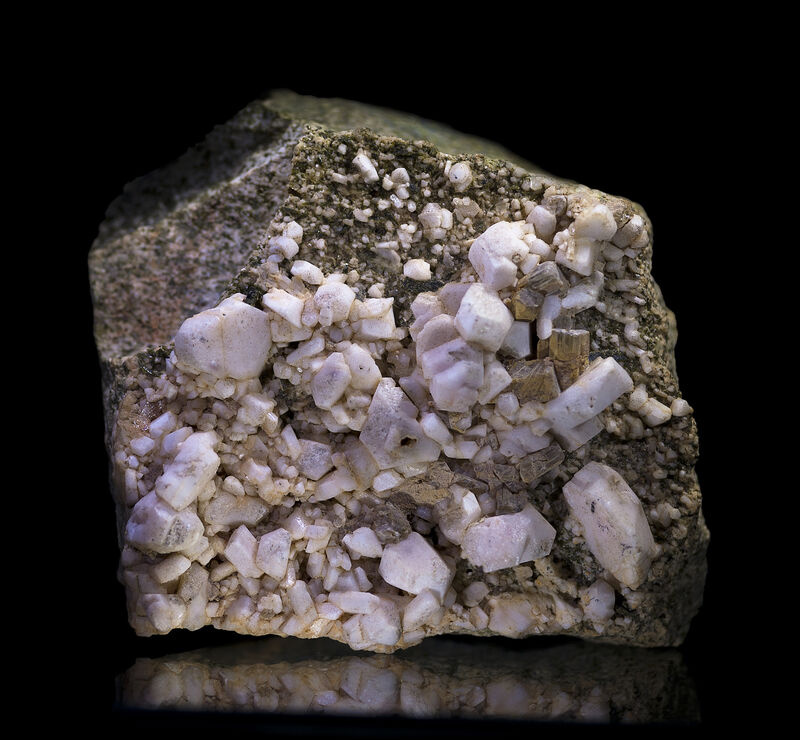 AlbiteNa(AlSi3O8)Mineral—
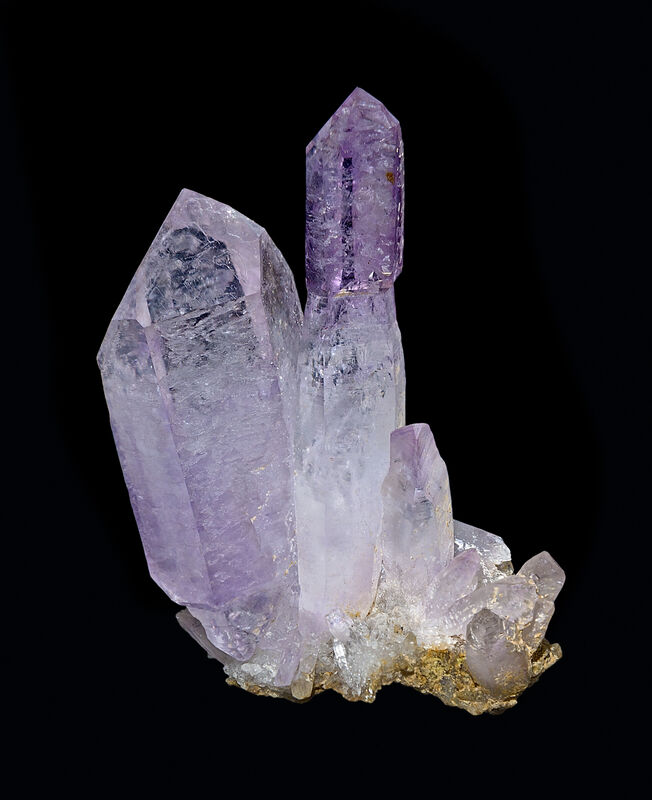 AmethystSiO2Variety—
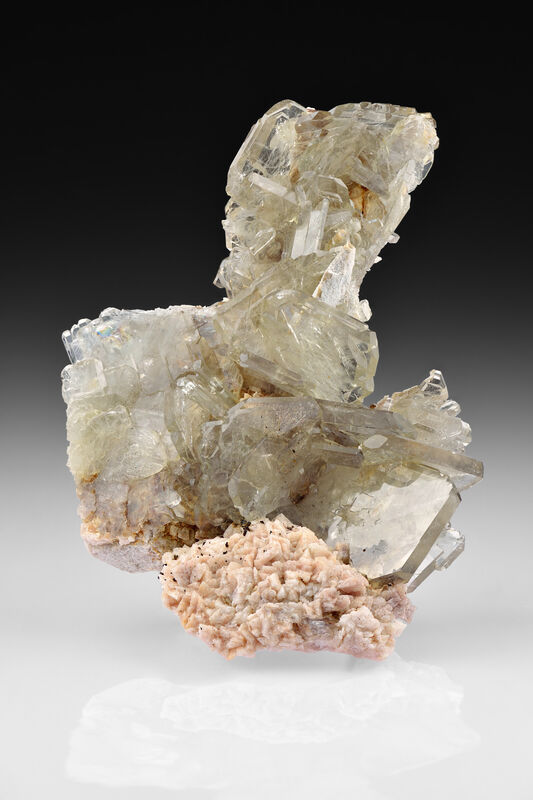 BaryteBa(SO4)Mineral—
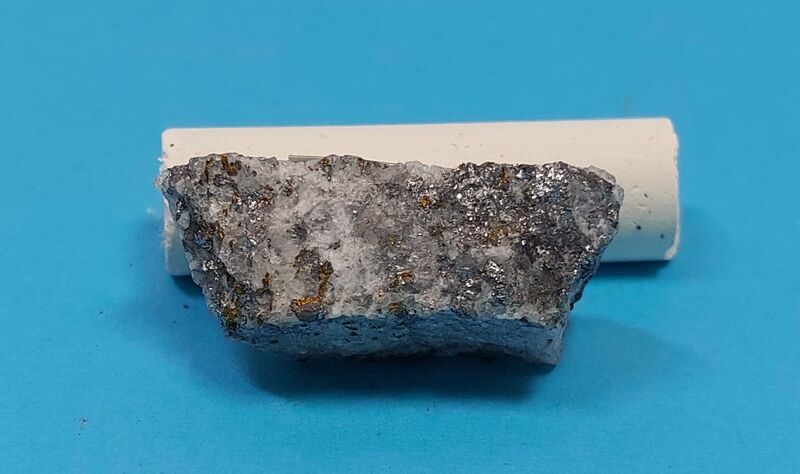 Birnessite(Na,Ca,K)0.6(Mn4+,Mn3+)2O4 · 1.5H2OMineral—
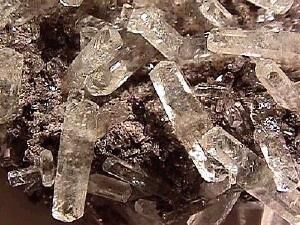 CalciteCa(CO3)Mineral—
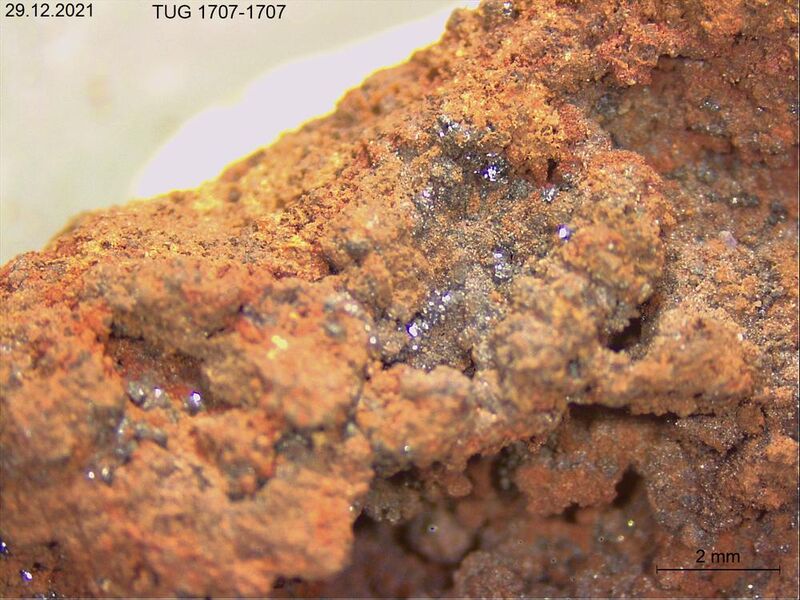 ChalcophaniteZnMn4+3O7 · 3H2OMineral—
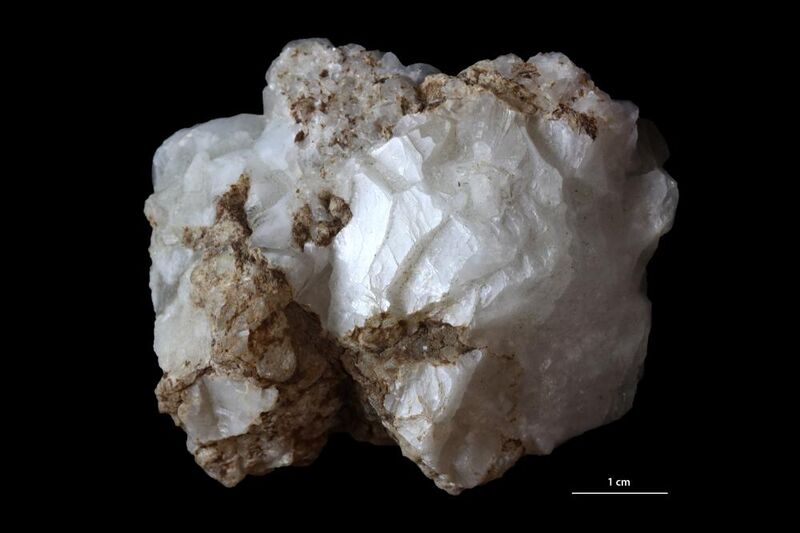 ColemaniteCaB3O4(OH)3 · H2OMineral—
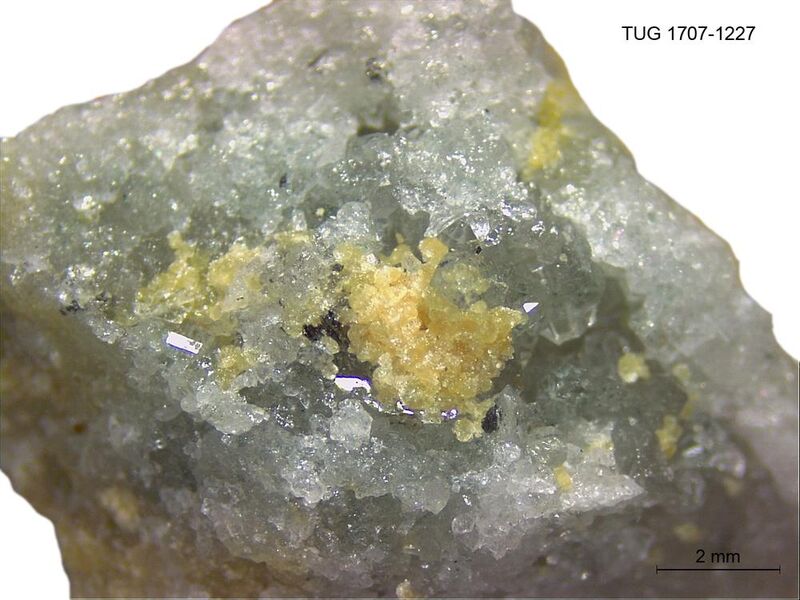 FluorapatiteCa5(PO4)3FMineral—
 GypsumCa(SO4) · 2H2OMineral—
 HollanditeBa(Mn4+6Mn3+2)O16Mineral—
Literature, links & citation
Citations
- 1934Yoshimura, T. (1934) Todorokite, a new manganese mineral from the Todoroki Mine, Hokkaido, Japan. Journal of the Faculty of Science, Hokkaido University. Series 4, Geology and mineralogy, 2 (4). 289-297
- 1935Foshag, W.F. (1935) New mineral names. American Mineralogist: 20: 678-678.
- 1960Levinson, A. A. (1960) Second occurrence of todorokite. American Mineralogist, 45 (7-8) 802-807
- 1960Frondel, C., Marvin, U. B., Ito, J. (1960) New occurrences of todorokite. American Mineralogist, 45 (11-12) 1167-1173
- 1967Radtke, Arthur S., Taylor, Charles M., Hewett, D. F. (1967) Aurorite, argentian todorokite, and hydrous silver-bearing lead manganese oxide. Economic Geology, 62 (2) 186-206 doi:10.2113/gsecongeo.62.2.186DOI: 10.2113/gsecongeo.62.2.186
Cite this entry
Entry last updated
@misc{mineral2026,
  author    = {Mineral Index editorial board},
  title     = {Todorokite — Mineral Index},
  year      = {2026},
  url       = {https://mineralindex.org/minerals/todorokite-3988}
}