History
The name gypsum comes from the Greek gypsos, meaning "plaster" — and people were calling it that long before anyone called it a mineral. The Greek philosopher Theophrastus used the word in his treatise On Stones around 300–325 BCE. By that point the substance had already been worked for thousands of years.
In ancient Egypt, builders burned raw gypsum in open fires, ground it to powder, and mixed it with water. The result was a workable paste used as mortar between the limestone blocks of the pyramids. The basic chemistry has not changed since: heat drives off the water bound inside the crystal, and adding water back sets the powder hard.
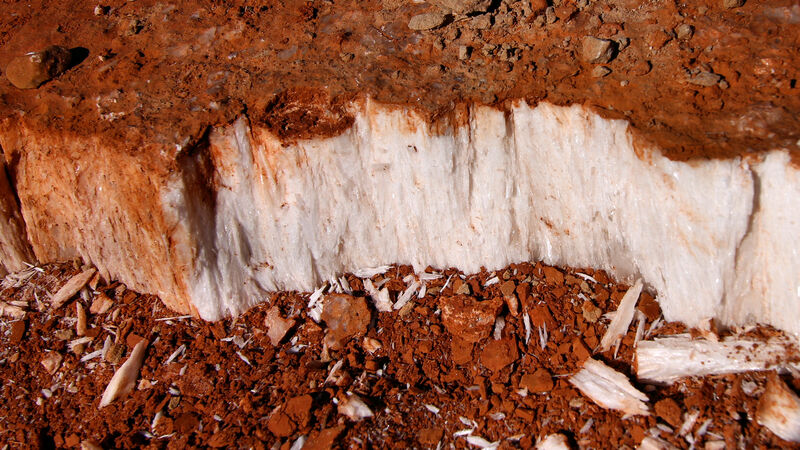
The same mineral acquired an Old English name from a different feature. Anglo-Saxons called it spærstān — "spear stone" — for the long needle-like crystals it sometimes grows in.
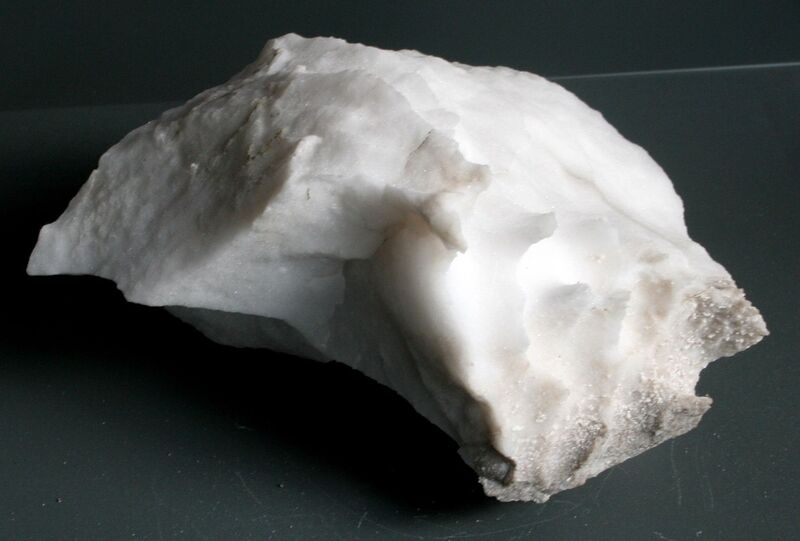
A finer-grained, lightly tinted form of gypsum carried its own name and its own trade: alabaster. Soft enough to carve with a knife but compact enough to hold polish, it was the sculptor's stone before steel chisels made marble tractable. Ancient Egyptian, Mesopotamian, Roman, and Byzantine workshops all worked it. In medieval England, the Nottingham alabasters became a religious-statuary export across Europe. During the Middle Ages and Renaissance, alabaster was often preferred even to marble.
The most familiar modern name was earned by geography. The hill of Montmartre, on the northern edge of Paris, sits on one of the richest gypsum deposits in Europe. Its quarries have long supplied burnt gypsum — calcined, meaning heated to drive off its water. The powder traded out of Paris became known across the continent as plaster of Paris.
In the mid-18th century, the German clergyman and agriculturalist Johann Friderich Mayer investigated and publicized gypsum's value as a fertilizer. His work helped move the mineral from the mason's shed to the farmer's field.
Industrial & practical applications
A typical new American home contains more than 7 metric tons of gypsum. Almost all of it arrives as plasterboard — the paper-faced gypsum panels that line interior walls and ceilings under the trade names drywall, sheetrock, or wallboard. The construction industry is what makes gypsum a major mined commodity rather than a curiosity. Roughly three-quarters of all crude gypsum is calcined — heated to drive off most of its water — before being used as plaster or board.
The second large demand sits inside Portland cement. A small amount of gypsum is added to the cement clinker as a retarder: it slows the otherwise near-instant "flash setting" reaction. That extra working time is what lets fresh concrete be poured, finished, and shaped at scale.
A third domain is agriculture. Gypsum delivers two secondary plant macronutrients — calcium and sulfur — and, unlike lime, it does not raise soil pH. That neutrality makes it useful on land where alkalinity must stay flat. It is spread on large tracts of farmland and on heavy clay soils, where it also helps break up compaction.
Smaller but distinctive uses fill out the picture. Crude gypsum serves as a fluxing agent in some smelting and ceramic processes, and as a filler in paper and textiles. Food-grade calcium sulfate is the standard coagulant for tofu, the soybean curd. That makes industrial gypsum an indirect source of dietary calcium across East Asia. The fine-grained variety alabaster is still carved and polished for ornamental work. The same calcination chemistry sets the orthopedic plaster casts used to stabilize broken bones.
Mining is geographically wide but concentrated. China dominates output; Iran ranks second among national producers, with significant tonnages also coming from Thailand, Spain — the main European producer — and the United States. The deposits themselves form by evaporation of ancient sea and lake water, and they tend to be enormous. The Fort Dodge field in Iowa sits on one of the world's largest. The Naica Mine in Chihuahua, Mexico, has yielded gypsum crystals up to 11 metres long.
Where it forms, where it's found
- Geological setting
The commonest of the sulphate minerals, gypsum is found in marine evaporites, in caves where the air is dry enough to allow it to be deposited and remain, at fumaroles, and in the oxidized zones of sulfide deposits on occasion.
Varieties
Physical
- Hardness
- 1Talc
- 2Gypsum
- 3Calcite
- 4Fluorite
- 5Apatite
- 6Orthoclase
- 7Quartz
- 8Topaz
- 9Corundum
- 10Diamond
- Transparency
- Transparent · Translucent · Opaque
- Colour
- Colourless to white · often tinged other hues due to impurities · colourless in transmitted light.
- Streak
- White.
- Tenacity
- flexible
- Cleavage
- Perfect
Perfect (eminent) and easy on (010), almost micaceous in some samples; on (100), distinct, yielding a surface with a conchoidal fracture; on (011), yielding a fibrous fracture (001).
Also inelastic. Breakage depends on orientation.
- Fracture
- Splintery · Conchoidal
- Density
- 2.312 g/cm³
Optical
- Optical type
- Biaxial (+) · 2V measured = 58° · 2V calc = 58 – 68°
- Refractive index
- 1.519 – 1.53
- Surface relief
- Moderate
- Principal indices
- nα 1.519 – 1.521 · nβ 1.522 – 1.523 · nγ 1.529 – 1.530
- Birefringence
- 0.010
- Dispersion
- Strong r > v inclined
- Extinction
- Y = b; Z ∧ c = 52°.
- UV response
- Common and varied. The most common colours of fluorescence are baby blue and shades of golden yellow to yellow. Selenite crystals often exhibit zoned "hourglass" fluorescence in zones that may, or may not, be evident in ordinary light.
Crystallography
- Cell parameters
- a = 5.679(5) Å · b = 15.202(14) Å · c = 6.522(6) Å
- Cell angles
- β = 118.43 °
- Ratio a:b:c
- 1 : 2.677 : 1.148
- Z
- 4
- Morphology
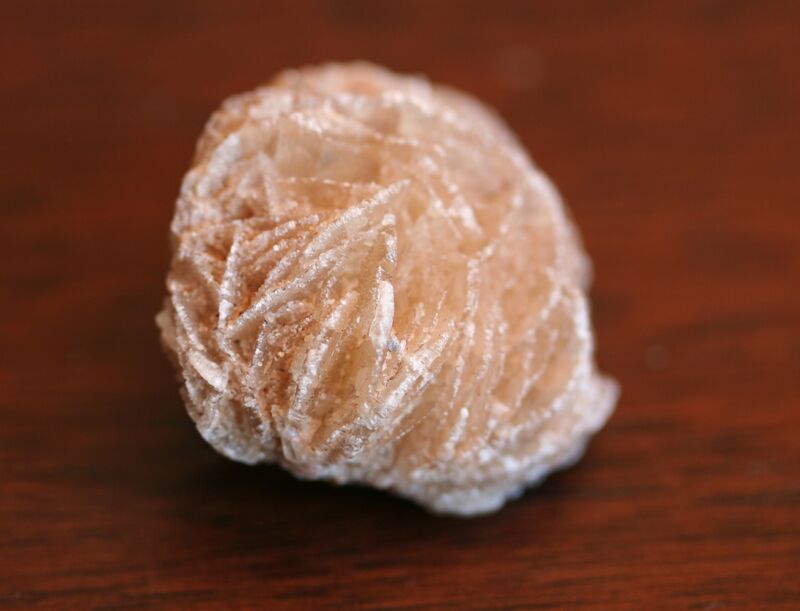
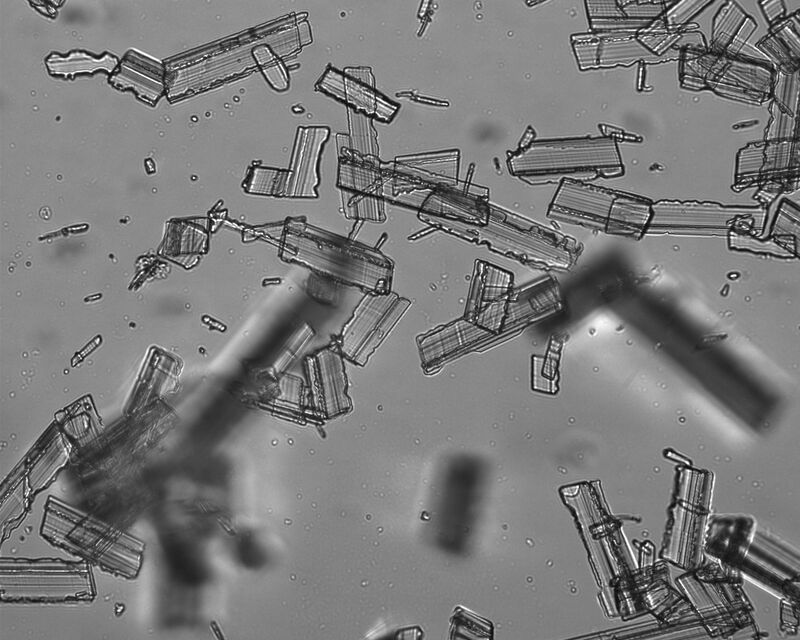
Thin to thick tabular crystals, (010) with (11) and (120); also prismatic [001], stout to acicular, with the prism zone often striated. Crystals may have warped surfaces or may be bent or twisted. Rosette-like clusters of lenticular crystals are common. Also found as granular masses, massive beds, and fibrous masses ("satin spar").
- Twinning
(100) ("swallow-tail"), very common, with a re-entrant angle formed ordinarily by (11); on (01) as contact twins ("butterfly" or "heart-shaped"), along (11); on (09); also as cruciform penetration twins.
- Translation gliding
- Readily undergoes translation gliding with T(010), t{[001], which can also be generated by torsion about [001], or bending (010) about [010].
- Comment
Data for I2/c cell (non-standard setting). There is another setting with space group C2/c and beta ~ 127°, and a further C2/c setting with a ~6.27, b ~15.20, c ~5.67 A, beta ~114°.
Chemical composition
Synonyms
- Acido vitriolo saturata
- Aljez
- Aphroselenon
- Atlasgips
- Chaux sulfatée
- Geso
- Gipsrose
- Gyps
- Gypsit
- Gypsite
- Gypsum Rose
- Lapis Specularis
- Marmor fugax
- Montmartrite
- Oulopholit
- Oulopholite
- Spectacle-Stone
- Sulphate of Lime
In other languages
- French
- 10101-41-4 · Aphroselenon · CaSO4,2H2O · gypse · Gypseux · Montmartrite · Ordite · Oulopholite
- German
- Analin · Atlasspat · Bologneser Kreide · Calciumsulfat-Dihydrat · Estrichgips · Fasergips · Federspat · Gips · Gipsspat · Kalziumsulfat-Dihydrat · Leichtspat
- Spanish
- aljez · piedra de yeso · yeso
- Italian
- gesso
- Portuguese
- gipsita · Gipsite
- Japanese
- せっこう · セレナイト · バサニ石 · 二水石膏 · 半水石膏 · 焼石膏 · 石こう · 石膏 · 軟石膏 · 透明石膏
- Chinese
- 生石膏 · 石膏
- Simplified Chinese
- 石膏
- Russian
- гипс · Каменный гипс
- Arabic
- الجبس · الجص · جبس · جبص · جص
- Hindi
- जिप्सम · हरसौंठ
Classification
7.CD.40
- 7SulfatesClass
- 7.CSulfates (selenates, etc.) without additional anions, with H2ODivision
- 7.CDWith only large cationsGroup
- 7.CD.40GypsumSpecies
29.06.03.01
- 29Hydrated Acid and Normal SulfatesClass
- 29.06AXO4·xH2OType
- 29.06.03— unnamed intermediate level —Group
- 29.06.03.01GypsumSpecies
25.4.3
- 25SulphatesClass
- 25.4Sulphates of Ca, Sr and BaGroup
- 25.4.3GypsumSpecies
Group, growth & confusion
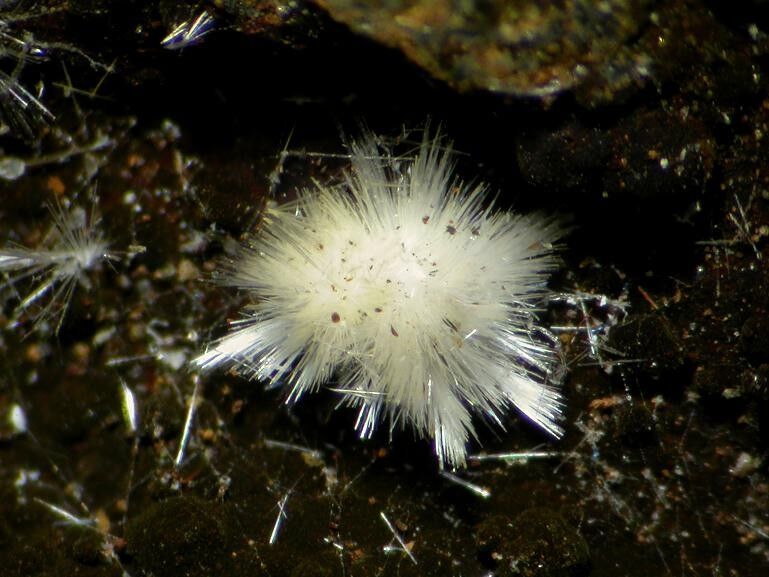
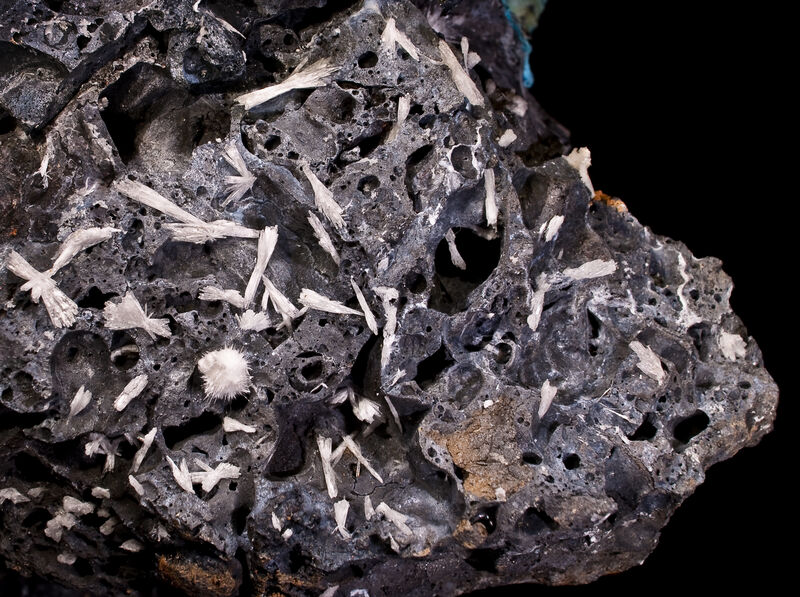
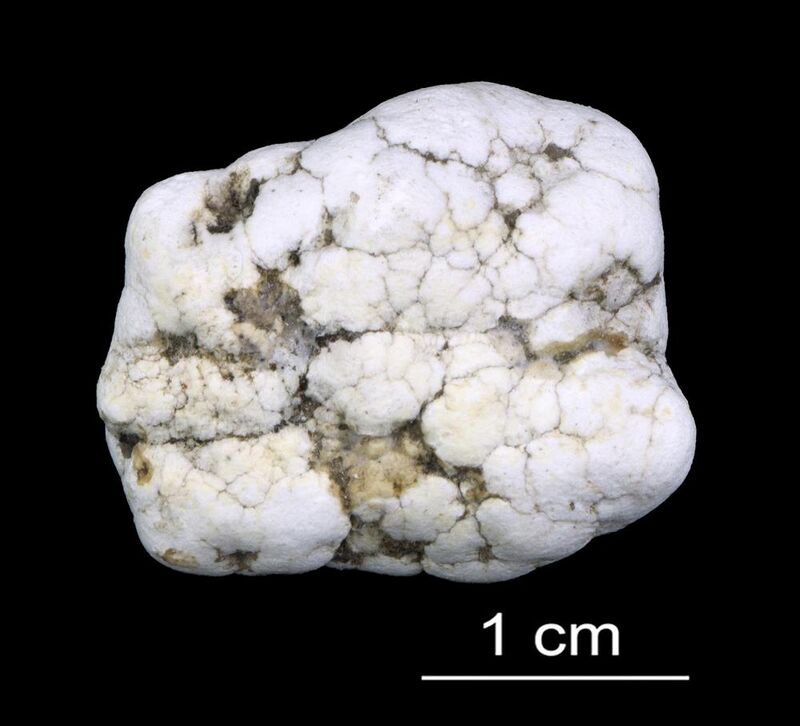 AluminiteAl2(SO4)(OH)4 · 7H2OMineral—
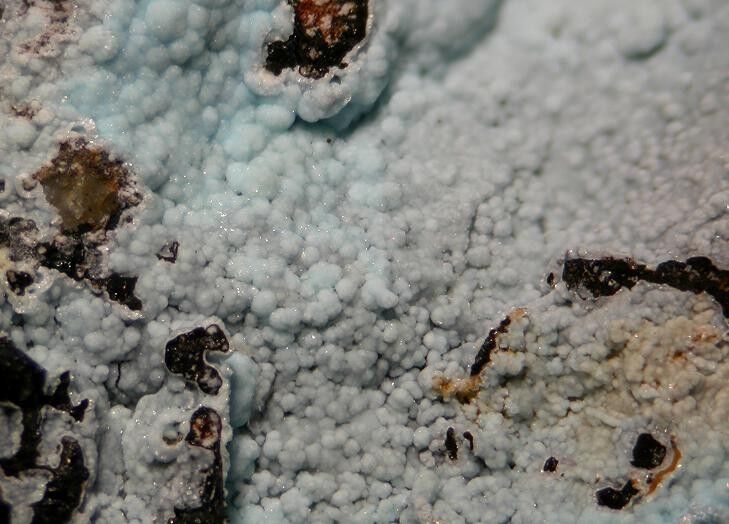 AlumohydrocalciteCaAl2(CO3)2(OH)4 · 4H2OMineral—
 AluniteKAl3(SO4)2(OH)6Mineral—
 AlunogenAl2(SO4)3(H2O)12 · 5H2OMineral—
- Ammoniojarosite(NH4)Fe3+3(SO4)2(OH)6Mineral—
 AndersoniteNa2Ca(UO2)(CO3)3 · 5-6H2OMineral—
 AnglesitePb(SO4)Mineral—
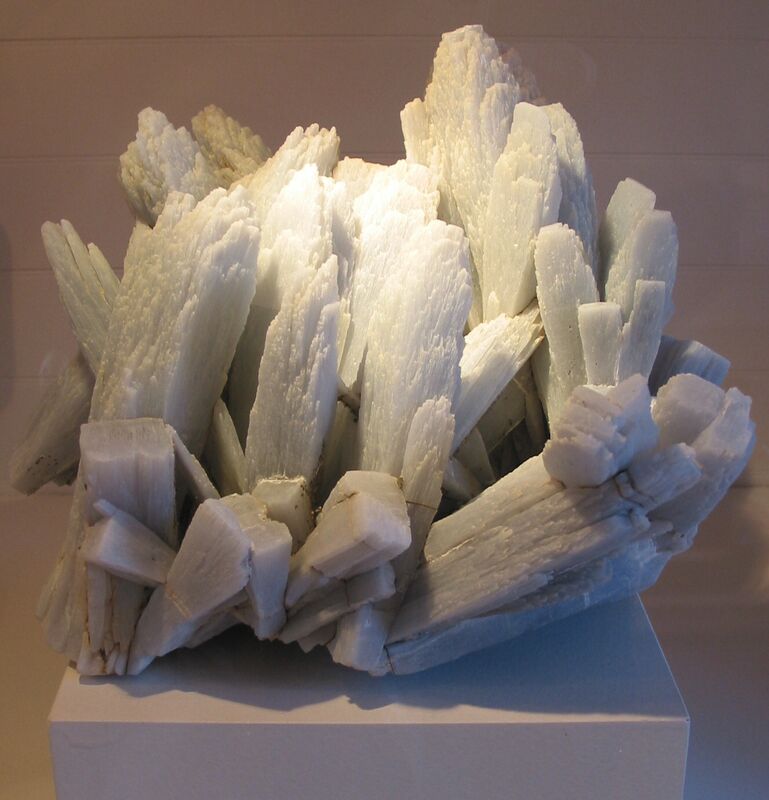 AnhydriteCa(SO4)Mineral—
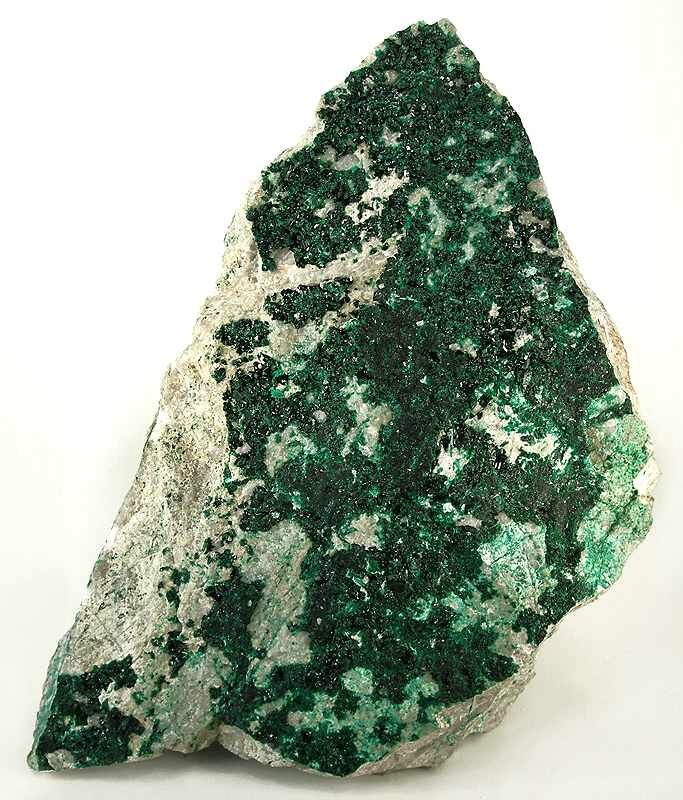 AntleriteCu2+3(SO4)(OH)4Mineral—
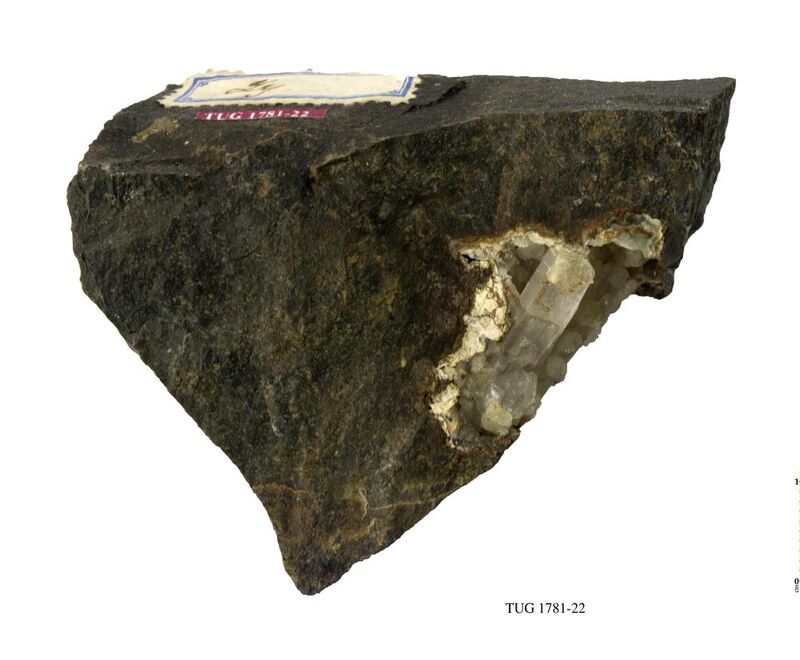 AragoniteCa(CO3)Mineral—
Literature, links & citation
- —De natura fossilium - Lib. I-X
- 1736Linnaeus, C. (1736) Systema Naturae of Linnaeus (as Marmor fugax).
- 1812Delamétherie, J.C. (1812) Leçons de minéralogie. 8vo, Paris: volume 2: 380 (as Montmartrite).
- 1869Reusch, E. (1869) Die Körnerprobe am krystallisirten Gyps. Annalen der Physik: 136: 135-137.
- 1875Baumhauer (1875) Akademie der Wissenschaften, Munich, Sitzber.: 169.
Entry last updated
@misc{mineral2026,
  author    = {Mineral Index editorial board},
  title     = {Gypsum — Mineral Index},
  year      = {2026},
  url       = {https://mineralindex.org/minerals/gypsum-1784}
}