History
Aurichalcite carries the ancient name of brass. The Greeks called the yellow alloy of copper and zinc oreichalkos — literally mountain copper. The Romans Latinised the word as aurichalcum, and French mineralogists later glossed the same idea as cuivre de Corinthe, Corinthian copper.
In 1839, the German chemist Th. Böttger picked up that classical thread for a then-new mineral. The pale blue-green crusts he was describing were a basic carbonate of zinc and copper — the two metals that together make brass. Naming the mineral aurichalcite was a pun in mineralogical Latin. The ancient word for the alloy now labelled the mineral whose chemistry yielded the alloy's constituents.
The type locality lies in the Altai of southern Siberia. It is the Loktevskoye Mine on the Upper Loktevka River, in Altai Krai, Russia. Like most aurichalcite finds since, it came from the weathered upper part of a zinc-copper orebody. There, descending rainwater had altered the primary sulfide ore into a suite of brightly coloured secondary minerals. The mineral has no medieval or ancient story of its own — the Greek word lent its name, not its history.
Industrial & practical applications
Aurichalcite has no industrial career to speak of. It is, at best, a very minor ore of zinc and copper. Where it forms, it sits alongside far more important zinc minerals — smithsonite, hemimorphite, hydrozincite — and rides into the smelter with them. No operation targets aurichalcite on its own.
What aurichalcite is valued for is the cabinet. Its silky pale blue-green tufts and acicular sprays — acicular meaning needle-shaped — are sought by collectors. The mineral is also a useful field signpost. Wherever it crusts a rock, the weathered upper part of a zinc-copper orebody is not far away.
Where it forms, where it's found
- Geological setting
A secondary mineral in oxidized copper and zinc ore deposits, typically as crusts.
- Type locality
- Loktevskoye Mine (Loktevskii Mine)
- Upper Loktevka River
- Altai Krai
- Russia
51.4000°, 81.3833°
Physical
- Hardness
- 1Talc
- 2Gypsum
- 3Calcite
- 4Fluorite
- 5Apatite
- 6Orthoclase
- 7Quartz
- 8Topaz
- 9Corundum
- 10Diamond
- Lustre
- Pearly
- Transparency
- Transparent
- Colour
- Pale green · sky blue · or greenish blue · colourless to light shades of blue or green in transmitted light
- Streak
- Light blue
- Tenacity
- fragile
- Cleavage
- Perfect
Perfect on (010) and (100).
- Fracture
- Irregular/Uneven
- Density
- 3.96 g/cm³
Optical
- Optical type
- Biaxial (-) · 2V measured = 1 – 4° · 2V calc = 22°
- Refractive index
- 1.655 – 1.744
- Surface relief
- High
- Principal indices
- nα 1.655 · nβ 1.74 · nγ 1.744
- Pleochroism
- Weak
X = Colourless Y = Blue-green Z = Blue-green
- Dispersion
- relatively strong r < v
- Luminescence
- None
- UV response
- None
Crystallography
- Space group
- #15
- Cell parameters
- a = 13.82 Å · b = 6.419 Å · c = 5.29 Å
- Cell angles
- β = 101.04 °
- Ratio a:b:c
- 1 : 0.464 : 0.383
- Z
- 2
- Morphology
Prismatic crystals elongated on [100], striated in (100) parallel to (001), (010), producing a fine grid-like appearance corresponding to cleavage planes or twinning directions. Delicate acicular or lath-like crystals; tufted, feathery, or plumose incrustations; columnar structure rare, granular.
- Twinning
Observed in X-ray studies.
- Parting
- None
Chemical composition
Synonyms
- Auricalcocita
- Aurichalcita
- Aurichalcitt
- Blue Calamine
- Buratit
- Buratita
- Buratite
- Calamine verdâtre
- Kupferzincblüthe
- Messingblüthe
- Messingit
- Messingite
- Mine de Laiton
- Mine de Laiton de Pise en Toscane
- Orichalcit
- Orichalcite
- Risseit
- Risséite
In other languages
- French
- Auricalcite · Aurichalcite · Buratite · Calamine verdâtre · Messingite · Orichalcite · Risséite
- German
- Aurichalcit · Buratit · Kupferzinkblüte · Messingblüte · Messingit · Orichalcit · Risseit
- Spanish
- Auricalcita
- Italian
- Auricalcite · Fiore d'ottone
- Japanese
- 水亜鉛銅鉱
- Chinese
- 绿铜锌矿
- Simplified Chinese
- 绿铜锌矿
- Traditional Chinese
- 綠銅鋅礦
- Russian
- Аурихалцит · Аурихальцит
- Arabic
- أوريكالسيت · الأورنشينشت
Classification
5.BA.15
- 5CarbonatesClass
- 5.BCarbonates with additional anions, without H2ODivision
- 5.BAWith Cu, Co, Ni, Zn, Mg, MnGroup
- 5.BA.15AurichalciteSpecies
16a.04.02.01
- 16aAnhydrous Carbonates Containing Hydroxyl or HalogenClass
- 16a.04(AB)5(XO3)2ZqType
- 16a.04.02— unnamed intermediate level —Group
- 16a.04.02.01AurichalciteSpecies
11.6.5
- 11CarbonatesClass
- 11.6Carbonates of Zn and CdGroup
- 11.6.5AurichalciteSpecies
Group, growth & confusion
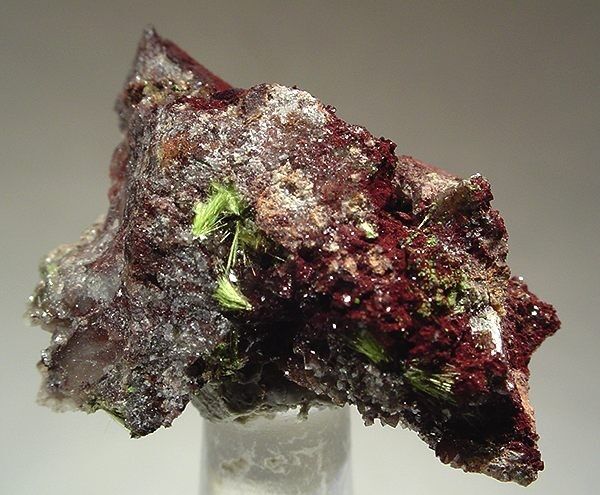 Agardite-(La)LaCu2+6(AsO4)3(OH)6 · 3H2OMineral—
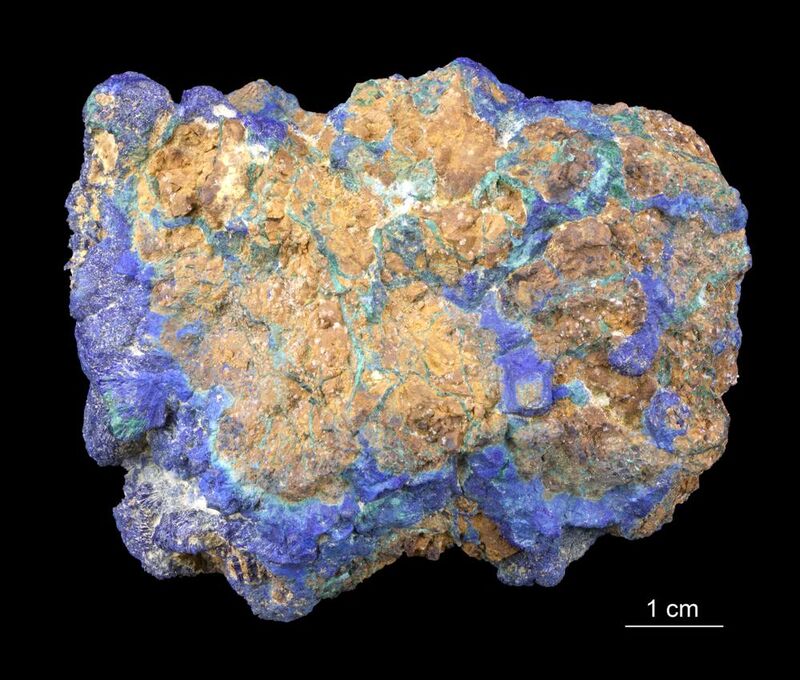 AzuriteCu3(CO3)2(OH)2Mineral—
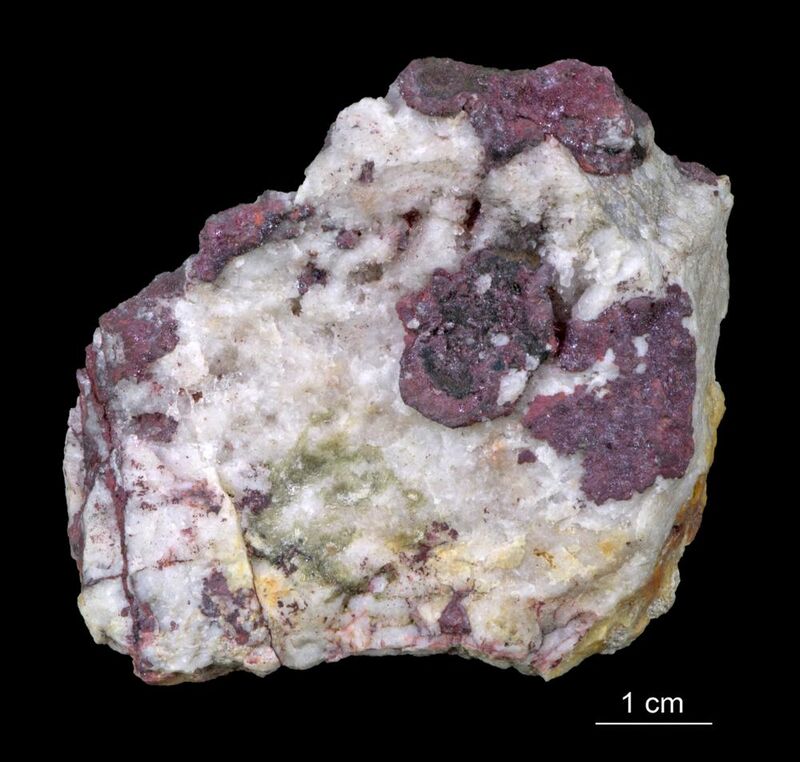 CupriteCu2OMineral—
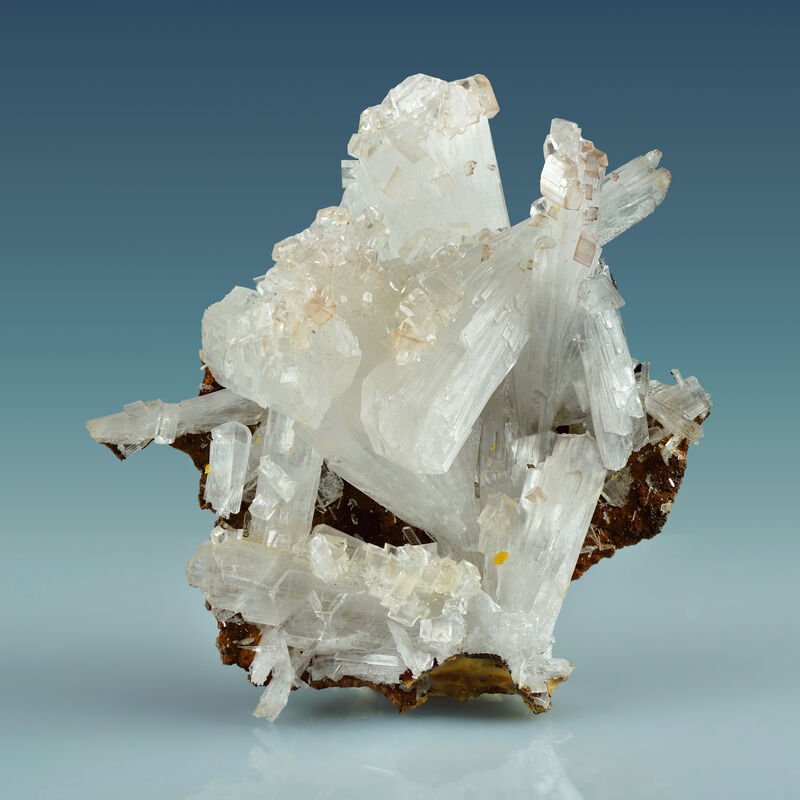 HemimorphiteZn4(Si2O7)(OH)2 · H2OMineral—
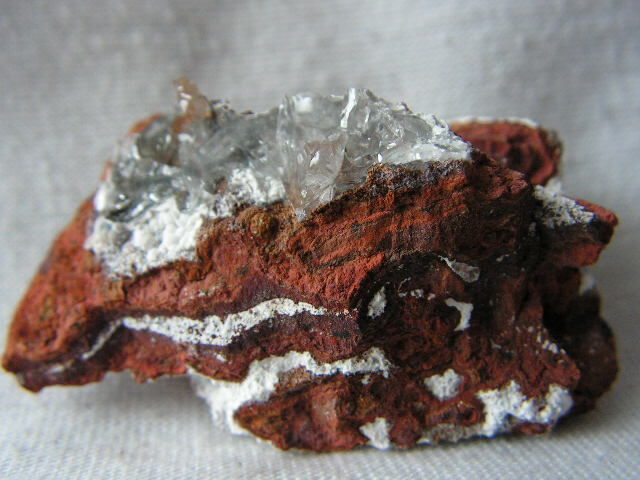 HydrozinciteZn5(CO3)2(OH)6Mineral—
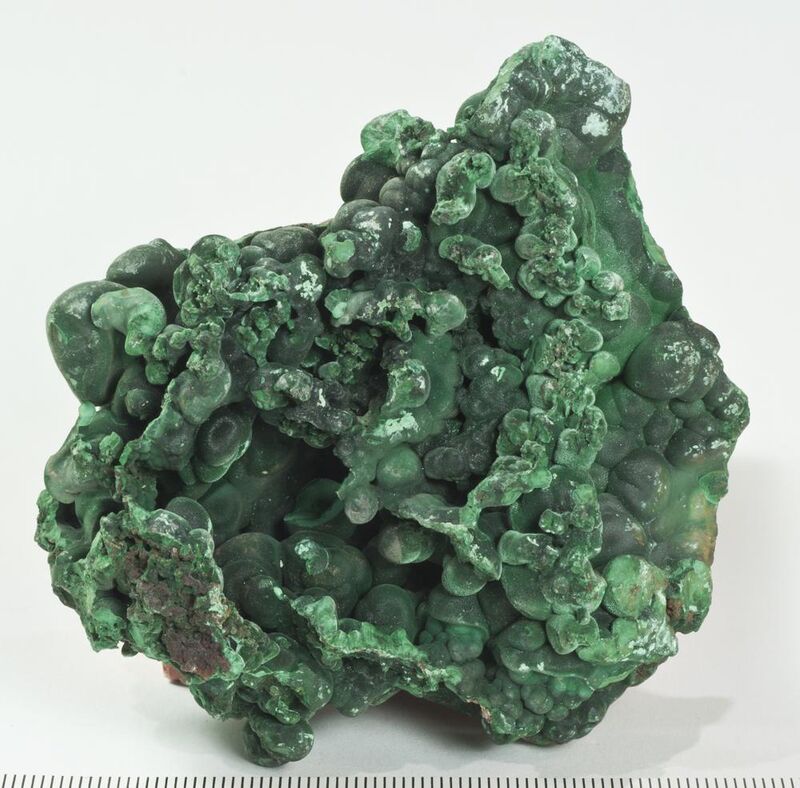 MalachiteCu2(CO3)(OH)2Mineral—
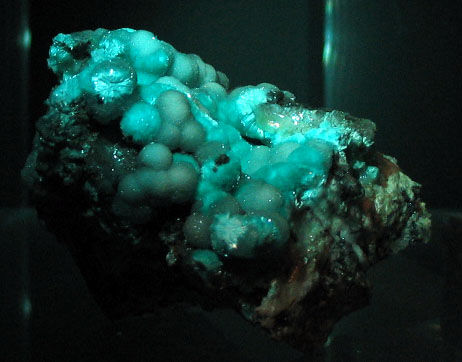 RosasiteCuZn(CO3)(OH)2Mineral—
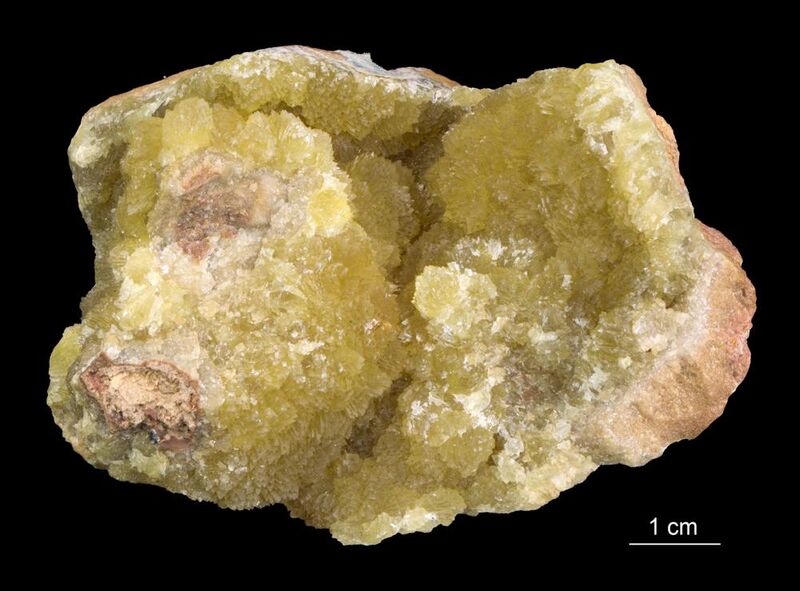 SmithsoniteZn(CO3)Mineral—
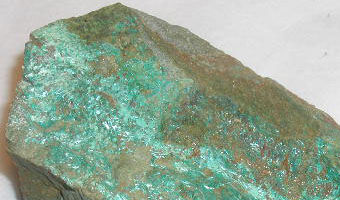 TyroliteCa2Cu9(AsO4)4(CO3)(OH)8 · 11H2OMineral—
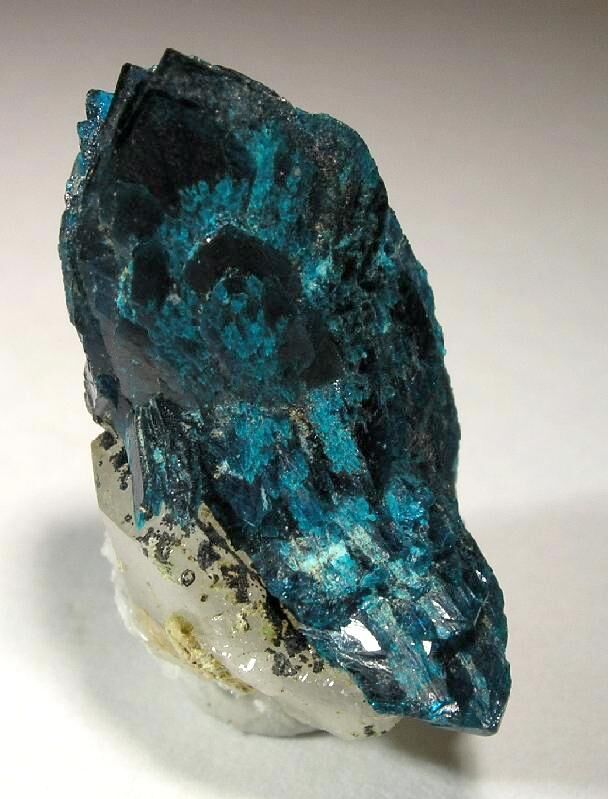 Veszelyite(Cu,Zn)2Zn(PO4)(OH)3 · 2H2OMineral—
Literature, links & citation
- —Gorniy Zhournal: 8: 266-271.
- 1788Patrin, E.M.L. (1788) Aperçu sur les mines de Sibèrie. Journal de Physique et le radium, 33 (2), 81-96. (as "Calamine verdâtre")
- 1791Sage (1791) Le Journal de physique et le radium, Paris: 38: 155 (as "Mine de Laiton de Pise en Toscane").
- 1839Böttger, T. (1839) Chemische Untersuchung des Aurichalcits, eines neuen Kupfererzes vom Altai. Annalen der Physik, Halle, Leipzig: 48: 495 (as Aurichalcit).
- 1846Delesse (1846) Annales de chimie et de physique, Paris: 18: 478 (as Buratite).
Entry last updated
@misc{mineral2026,
  author    = {Mineral Index editorial board},
  title     = {Aurichalcite — Mineral Index},
  year      = {2026},
  url       = {https://mineralindex.org/minerals/aurichalcite-422}
}