Where it forms, where it's found
- Geological setting
In the oxidized portions of antimony-bearing lead deposits.
- Type locality
- Nerchinsk Ag-Pb-Zn deposit
- Nerchinsk
- Nerchinsky District
- Zabaykalsky Krai
- Russia
420recorded occurrences
Safety & handling
Physical
Optical
- Optical type
- Isotropic
- Surface relief
- Very high
- Principal indices
- n 1.84 – 1.87
PPL intrinsic colour; no change on stage rotation
XPL extinct at every orientation
- Single index
- n = 1.855
Crystallography
- Space group
- #222
- Cell parameters
- a = 10.4 Å
- Z
- 8
- Morphology
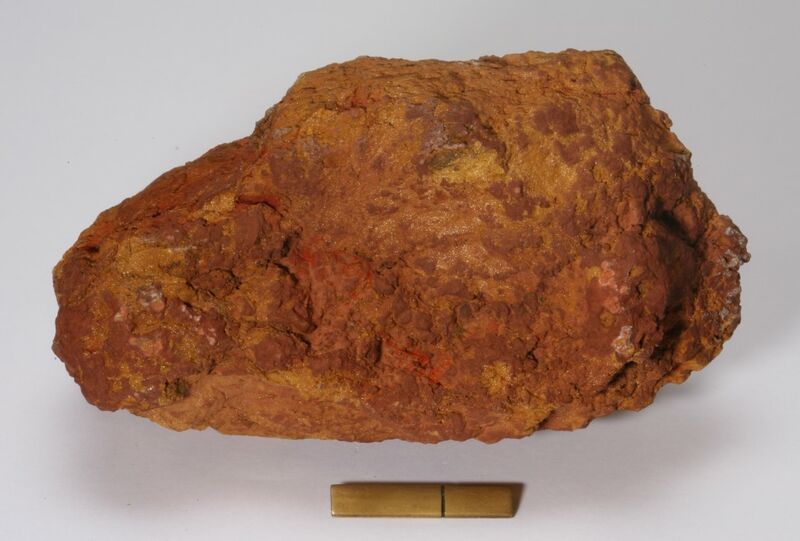
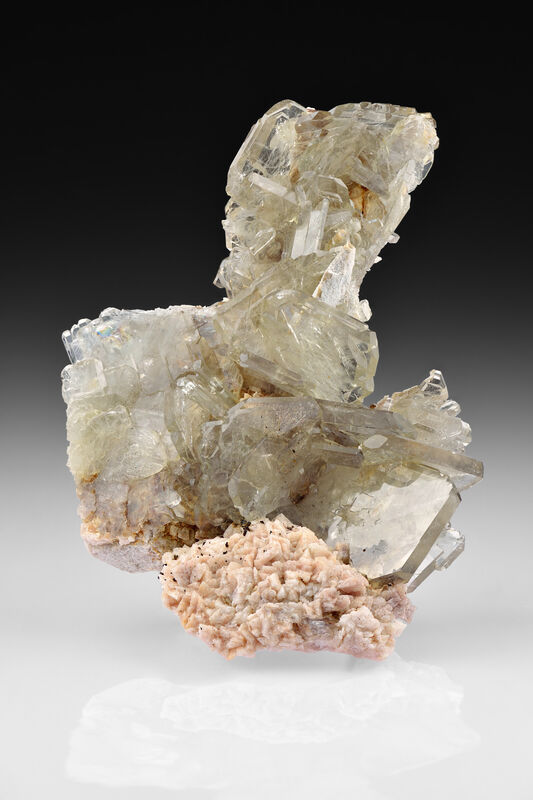
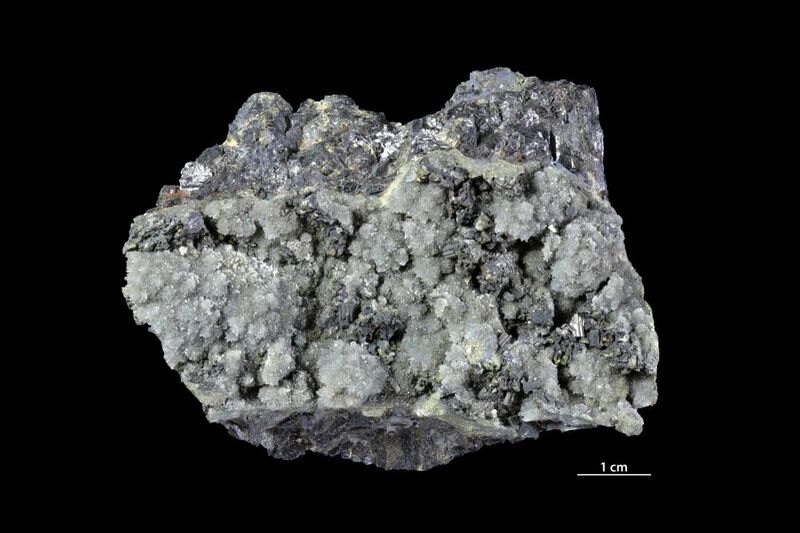
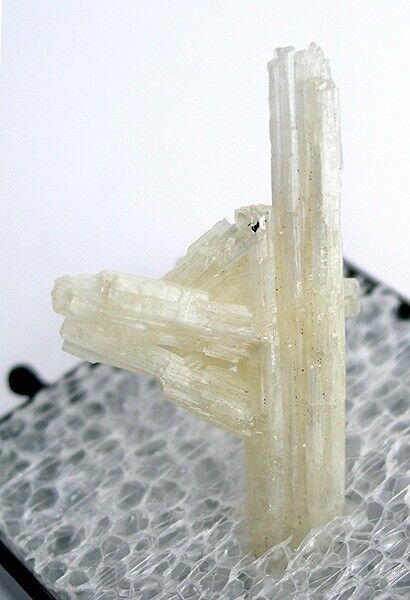
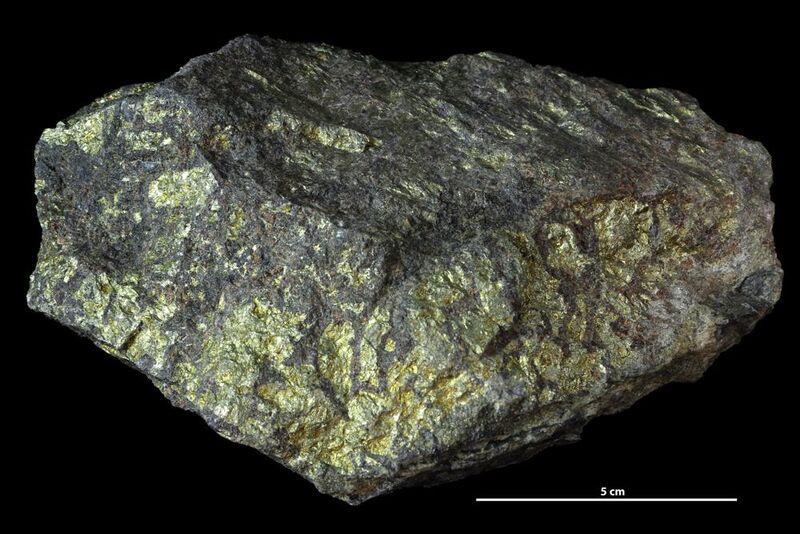
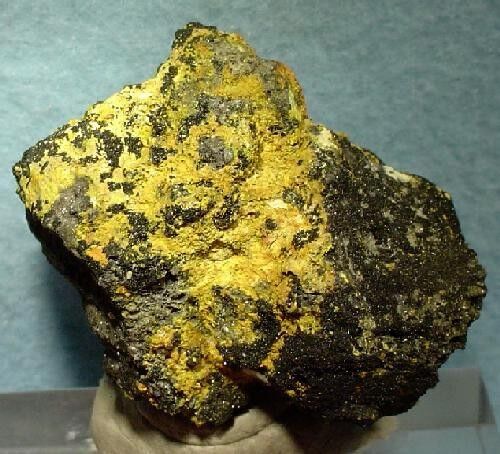
Fibrous (pseudomorphs?); dense to earthy cryptocrystalline masses and incrustations; rarely opaline.
Crystal structure
Chemical composition
- Impurities
- As
- Bi
- Ca
- Fe
- Na
Synonyms
- Antimonbleispath
- Antimoniate of Lead
- Antimonsaures Bleioxyd
- Arsenbleiniere
- Arsenbleinierite
- Bleiniere
- Bleinierite
- Blumit (of Fischer)
- Lead-kidney-ite
- Moffrasite
- Oxyplumboroméit
- Pfaffite (of Adam)
- Stibiogalenites
In other languages
- German
- Antimonbleispath · Antimonsaures Bleioxyd · Bindheimit · Bleiniere
- Spanish
- Bindheimita
- Italian
- bindheimite
- Russian
- Биндгеймит
Classification
Strunz
10th ed.4.DH.20
- 4OxidesClass
- 4.DMetal: Oxygen = 1:2 and similarDivision
- 4.DHWith large (+- medium-sized) cations; sheets of edge-sharing octahedraGroup
- 4.DH.20BindheimiteSpecies
Dana
8th ed.44.01.01.02
- 44AntimonatesClass
- 44.01A2X2O6(O,OH,F)Type
- 44.01.01Stibiconite GroupGroup
- 44.01.01.02BindheimiteSpecies
CIM
—24.3.5
- 24Antimonates and AntimonitesClass
- 24.3Antimonates of Ti and PbGroup
- 24.3.5BindheimiteSpecies
Group, growth & confusion
Literature, links & citation
Citations
- 1792Bindheim (1792) Schriften der Gesellschaft naturforschender Freunde in Berlin, Schr.: 10: 374
- 1800Karsten, D.L.G. (1800) Mineralogische Tabellen, Berlin. First edition: 77 (as Bleiniere).
- 1847Glocker, Ernst Friedrich (1847) Generum et specierum mineralium, secundum ordines naturales digestorum synopsis, omnium, quotquot adhuc reperta sunt, mineralium nomina complectens [A synopsis of the genera and species of minerals, according to their natural orders, including the names of all the minerals that have yet been discovered.]. Eduardus Anton. 348 pp.
- 1849Nicol, J. (1849) Manual of Mineralogy, Edinburgh: 319 (as Bleinierite).
- 1859Leymérie, A.F.G.A. (1859) Cours de minéraogie. Toulouse. Third edition, 2 volumes: 2: 283 (as Moffrasite).
Cite this entry
Entry last updated
@misc{mineral2026,
  author    = {Mineral Index editorial board},
  title     = {Bindheimite — Mineral Index},
  year      = {2026},
  url       = {https://mineralindex.org/minerals/bindheimite-676}
}