History
The name says exactly what the eye sees. Carminite is a deep carmine red — the rich crimson of the cochineal dye called carmine — and it was the colour, not a person, that earned the mineral its name.
The German mineralogist Fritz Sandberger first described it in 1850. He called it Carminspath, joining the colour word carmine to spath, the old German term for a crystalline, easily split mineral. The crystals he studied formed clusters of fine needles, carmine to tile red, and stay red even when light passes through them.
A few years later the name crossed into English. The American mineralogist James Dwight Dana anglicised Carminspath to carminite in the fourth edition of his System of Mineralogy, published in 1854. The shortened, Latin-suffixed form is the one still in use.
Carminite is a rare secondary mineral — one that forms not when rock first crystallises but later, as earlier minerals break down near the surface. It appears where arsenopyrite, an iron arsenic sulfide, weathers in the oxidised upper zones of some lead-bearing ore deposits. The original specimens came from the Louise Mine at Bürdenbach, in the Rhineland-Palatinate region of Germany, the locality that defines the species.
Industrial & practical applications
Carminite has no industrial use. It is far too rare to mine, and its mix of lead, iron, and arsenic offers nothing that cheaper, more abundant minerals do not supply better.
What value it has is to people who study and collect minerals. Its deep carmine-red needles make it a prized specimen, and as a rare secondary arsenate it draws interest from researchers describing the minerals that form when arsenic-bearing ores weather.
Where it forms, where it's found
- Type locality
- Louise Mine
- Bürdenbach
- Altenkirchen-Flammersfeld
- Altenkirchen
- Rhineland-Palatinate
- Germany
50.6054°, 7.5106°
Safety & handling
Physical
Optical
- Optical type
- Biaxial (+)
- Refractive index
- 2.05 – 2.08
- Surface relief
- Very high
- Principal indices
- nα 2.05 – 2.07 · nβ 2.05 – 2.07 · nγ 2.06 – 2.08
- Pleochroism
- Visible
X = Light yellowish red Y = Dark carmine-red Z = Dark carmine-red
- Dispersion
- r < v strong
- Extinction
- X = c; Y = a; Z = b.
Crystallography
- Space group
- #48
- Cell parameters
- a = 16.591 Å · b = 7.58 Å · c = 12.285 Å
- Ratio a:b:c
- 1 : 0.457 : 0.740
- Z
- 8
- Morphology
Crystals lath-like, flattened on (010), elongated [001] and exhibiting (010), (110), (011) plus other forms. As needle-like crystals; tufted or spherical aggregates; fibrous, drusy, massive.
Chemical composition
Synonyms
- Carmine Spar
- Carminiet
- Carminit
- Carminspath
- Karminspat
In other languages
- French
- Carminite
- German
- Karminit
- Spanish
- Carminita
- Italian
- carminite
- Russian
- Карминит
Classification
8.BH.30
- 8Phosphates, Arsenates, VanadatesClass
- 8.BPhosphates, etc., with additional anions, without H2ODivision
- 8.BHWith medium-sized and large cations, (OH,etc.):RO4 = 1:1Group
- 8.BH.30CarminiteSpecies
41.10.06.01
- 41Anhydrous Phosphates, Etc.containing Hydroxyl or HalogenClass
- 41.10(AB)3(XO4)2ZqType
- 41.10.06Carminite GroupGroup
- 41.10.06.01CarminiteSpecies
20.5.12
- 20Arsenates (also arsenates with phosphate, but without other anions)Class
- 20.5Arsenates of Ti and PbGroup
- 20.5.12CarminiteSpecies
Group, growth & confusion
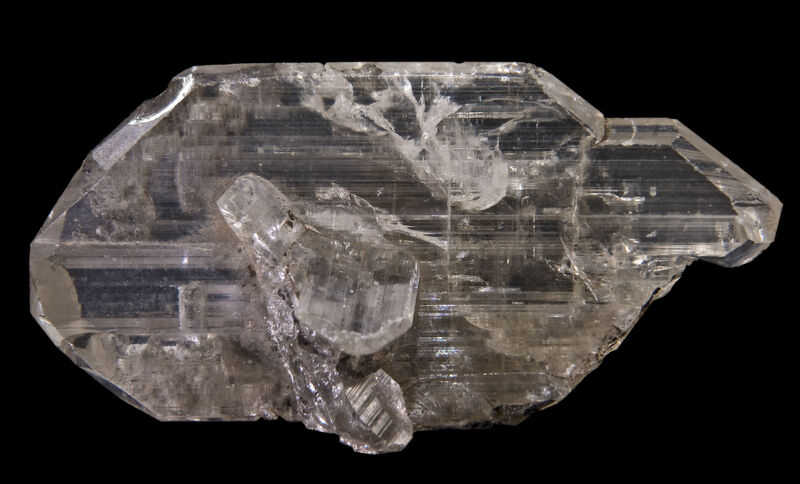 AnglesitePb(SO4)Mineral—
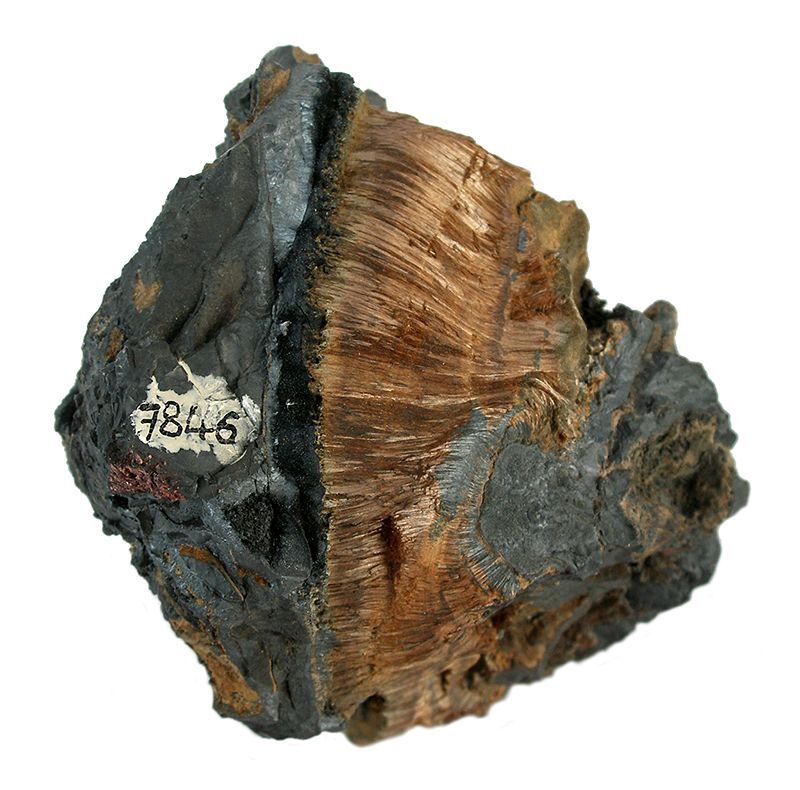 ArseniosideriteCa2Fe3+3O2(AsO4)3 · 3H2OMineral—
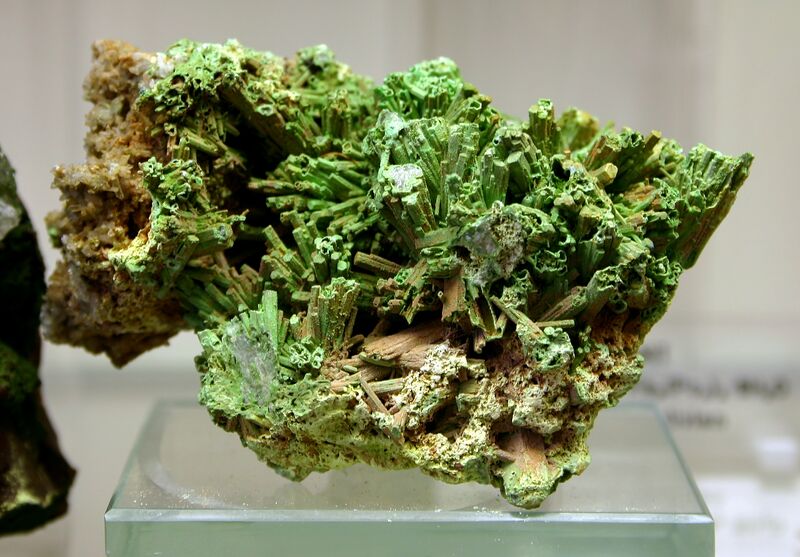 BayldoniteCu3PbO(AsO3OH)2(OH)2Mineral—
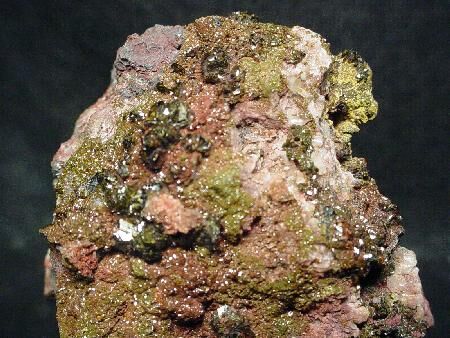 BeudantitePbFe3+3(AsO4)(SO4)(OH)6Mineral—
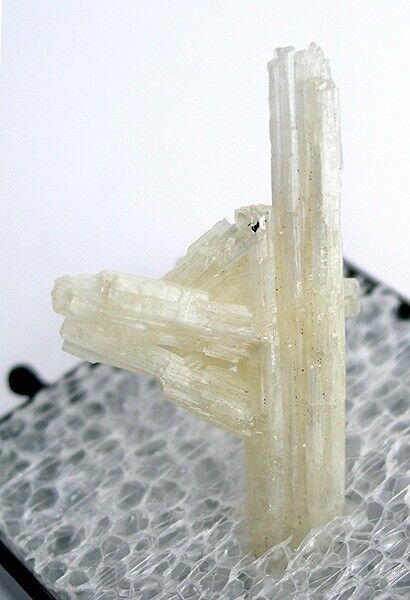 CerussitePb(CO3)Mineral—
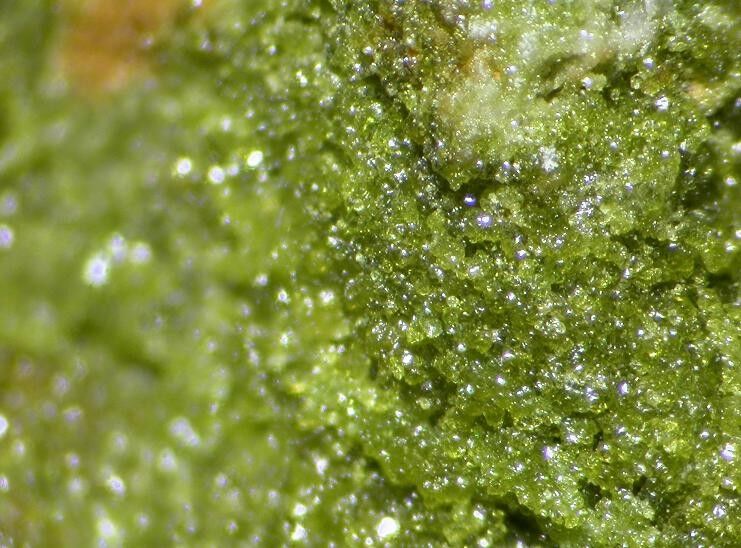 DussertiteBaFe3+3(AsO4)(AsO3OH)(OH)6Mineral—
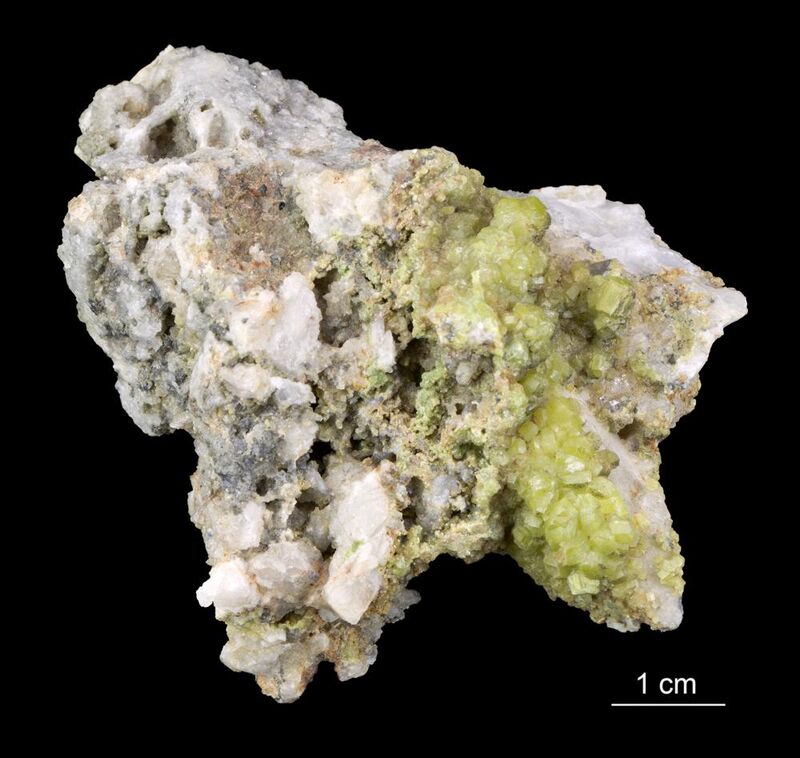 MimetitePb5(AsO4)3ClMineral—
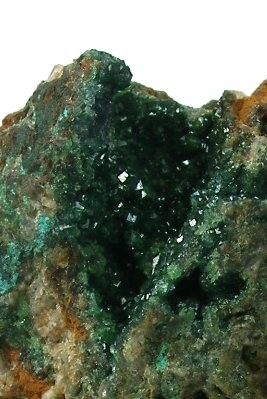 PharmacosideriteKFe3+4(AsO4)3(OH)4 · 6-7H2OMineral—
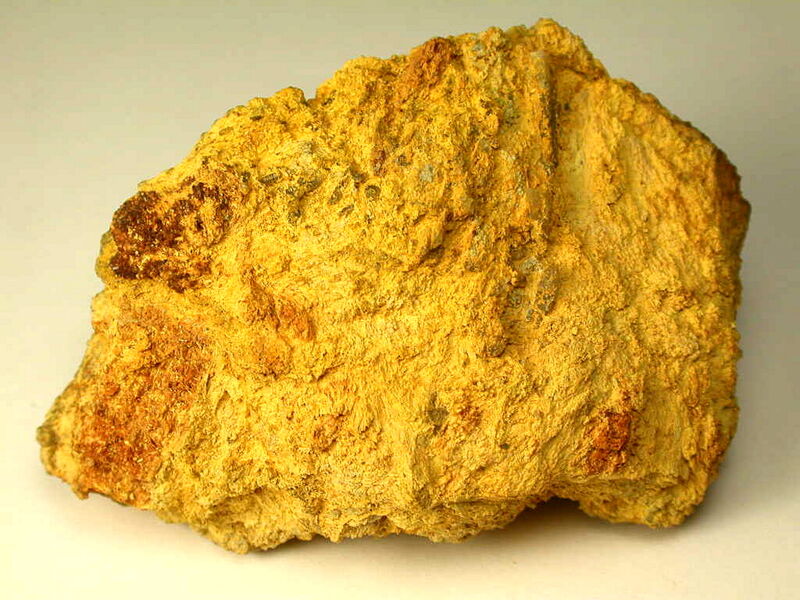 PlumbojarositePb0.5Fe3+3(SO4)2(OH)6Mineral—
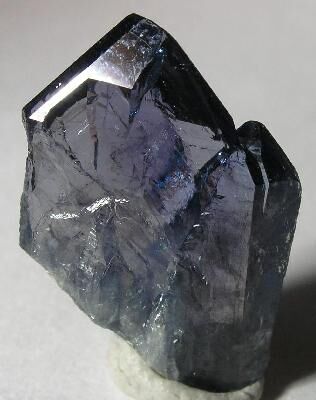 ScoroditeFe3+(AsO4) · 2H2OMineral—
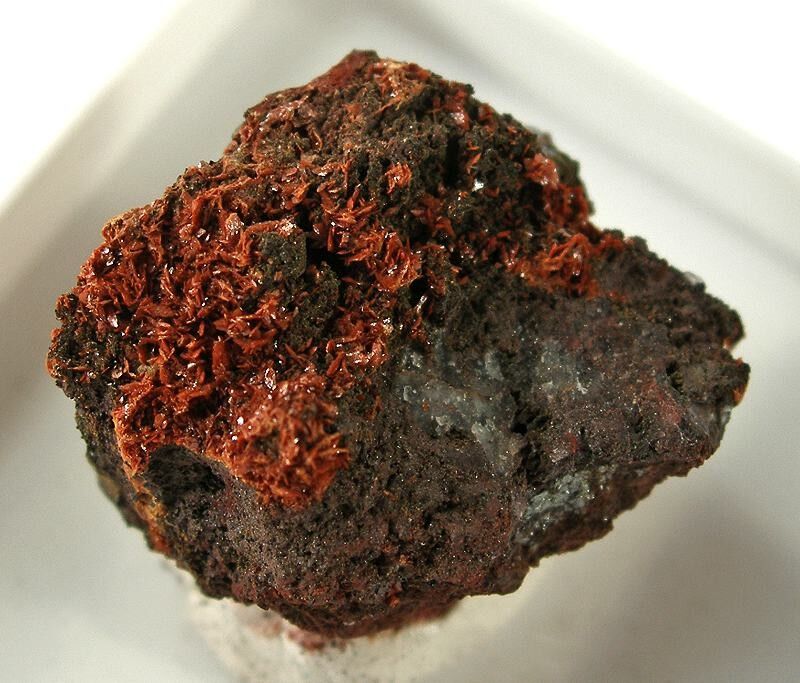
Literature, links & citation
- 1850von Sandberger (1850) Carminspath, ein neues mineral aus der Ordnung der Arseniate. Annalen der Physik und Chemie (Poggendorff), Halle, Leipzig: 80: 391-392 (as Carminspath).
- 1854Dana, James D. (1854) A System of Mineralogy (4th ed.). p.1-849.
- 1858von Sandberger (1858) Ueber den Carminspath. Annalen der Physik und Chemie (Poggendorff), Halle, Leipzig: 103: 345 (as Carminspath).
- 1910Russell, Arthur (1910) On the occurrence of the rare mineral Carminite in Cornwall. Mineralogical Magazine and Journal of the Mineralogical Society, 15 (71) 285-287 doi:10.1180/minmag.1910.015.71.03 DOI: 10.1180/minmag.1910.015.71.03
- 1934Larsen, E.S.; Berman, H. (1934) The microscopic determination of the nonopaque minerals. Bulletin of the US Geological Survey Vol. 848. US Geological Survey p.1-266. doi:10.3133/b848 DOI: 10.3133/b848
Entry last updated
@misc{mineral2026,
  author    = {Mineral Index editorial board},
  title     = {Carminite — Mineral Index},
  year      = {2026},
  url       = {https://mineralindex.org/minerals/carminite-905}
}