History
The name warns you what is inside. Pharmacosiderite joins two Greek words — pharmakon, meaning poison, and sideros, meaning iron. The poison is arsenic, which the mineral holds in quantity, and the iron is the metal it builds itself around.
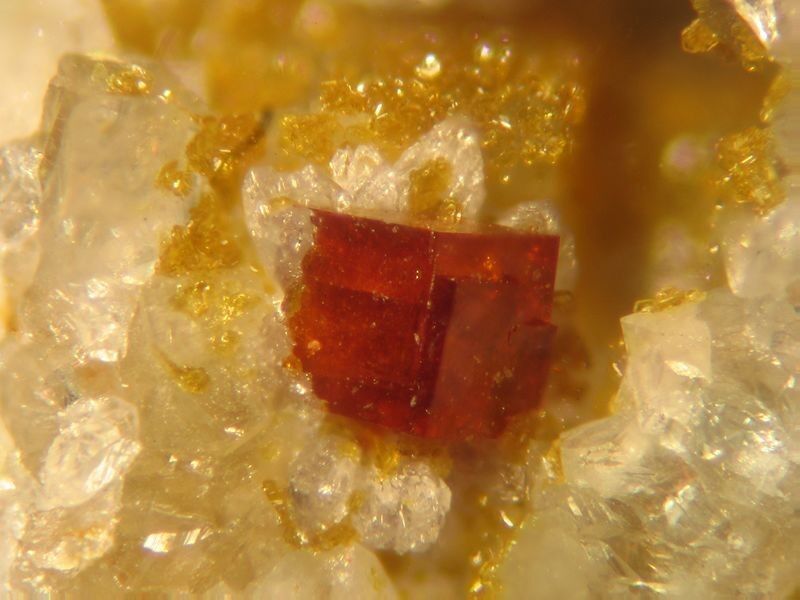
Before it carried that name, miners called it cube ore. The reason is in the crystals: pharmacosiderite grows as tiny, well-formed cubes, olive-green to honey-yellow and brown, that sit on the rock in plain sight. That blocky habit set it apart from the duller crusts around it long before anyone worked out its chemistry.
The modern name was given in 1813 by the German mineralogist Johann Friedrich Ludwig Hausmann, who built it from the Greek roots for the mineral's two defining elements. He chose poison and iron because those were the parts that mattered — a warning and a description in one word.
The mineral is best known from the copper and tin country of Cornwall, in south-west England, where it occurs in abundance. It is also familiar from Saxony and Bavaria in Germany, and from Utah in the United States.
Pharmacosiderite is a secondary mineral — one that forms not when the rock first crystallises but later, as older minerals break down. It appears in the oxidation zone, the weathered upper part of a deposit where air and water attack the ore. There it grows from the slow alteration of arsenic-bearing minerals such as arsenopyrite and tennantite.
Industrial & practical applications
Pharmacosiderite has no commercial or industrial use. It is too scarce, and forms in crusts too thin, to be mined for the arsenic or the iron it contains. The mineral is wanted mainly by collectors and museums, who prize its sharp little cubes of olive-green to honey-yellow as good display examples of a secondary arsenate.
For a geologist in the field it can also serve as a quiet signpost. Because it forms only where arsenic-bearing minerals are breaking down, its presence in the weathered cap of a deposit points to arsenic in the ore below.
One twist gives the mineral a second life by name only. Chemists have built synthetic frameworks that copy its three-dimensional cubic structure but swap titanium and silicon for the iron and arsenic. These pharmacosiderite-type titanosilicates act as ion exchangers, trapping radioactive caesium and strontium from contaminated water in cleanup research. The natural mineral itself is not used this way — only its atomic blueprint is.
A word of caution for anyone handling a specimen: pharmacosiderite contains arsenic, which is toxic. Do not lick, ingest, or breathe dust from the crystals, and wash your hands after handling them.
Where it forms, where it's found
- Geological setting
Oxidation zones of arsenic-bearing sulfide deposits; also in hydrothermal deposits.
- Type locality
- Carharrack Mine
- Gwennap
- Cornwall
- England
- UK
50.2345°, -5.1741°
Safety & handling
Physical
- Hardness
- 1Talc
- 2Gypsum
- 3Calcite
- 4Fluorite
- 5Apatite
- 6Orthoclase
- 7Quartz
- 8Topaz
- 9Corundum
- 10Diamond
- Transparency
- Transparent · Translucent
- Colour
- Pale green · green · emerald-green · dark brown · honey-yellow to yellow-brown · brownish red · hyacinth-red · green · yellow · light brown in transmitted light (biaxially sectored).
- Streak
- white
- Tenacity
- brittle
- Cleavage
- Imperfect/Fair
Imperfect to good on (001).
Described as "somewhat sectile"
- Fracture
- Irregular/Uneven
- Density
- 2.797 g/cm³
Optical
- Optical type
- Isotropic · 2V measured = 80 – 90°
- Refractive index
- 1.66 – 1.704
- Surface relief
- High
- Principal indices
- nα 1.660 – 1.697 · nβ 1.661 – 1.700 · nγ 1.663 – 1.704 · n 1.687 – 1.704
- Birefringence
- 0.005
- Pleochroism
- Non-pleochroic
- Extinction
- May have biaxial sectors
- UV response
- Not fluorescent in UV
- Notes
Virtually always anomalously biaxial + or - of tensional origin, with weak birefringence, possibly exhibiting six biaxial sectors based on the faces of (001). Measured 2V = large.
- Single index
- n = 1.696
Crystallography
- Space group
- P-4 3m
- Cell parameters
- a = 7.96(2) Å
- Z
- 1
- Morphology
Cubic crystals, striated diagonally or replaced by a vicinal trapezohedron near {1.1.40}; and exhibiting minor (111), (11), (011), and (122); also tetrahedral. Granular, earthy.
- Twinning
Lamellar, rarely as twinned tetrahedra.
Chemical composition
Synonyms
- Arsenate-zeolite
- Arsenicated Iron Ore
- Arseniksaures Eisen im Würfeln kryst.
- Cube Ore
- Fer arseniaté
- Hexaedrischer Liroconmalachit
- Pharmacosiderit
- Pharmakosidrit
- Pharmakosidrite
- Siderite (of Bergmann)
- Würfelerz
In other languages
- French
- Pharmacosidérite
- German
- Pharmakosiderit
- Spanish
- farmacosiderita
- Italian
- farmacosiderite
- Chinese
- 毒鐵石 · 毒铁石
- Russian
- фармакосидерит
Classification
8.DK.10
- 8Phosphates, Arsenates, VanadatesClass
- 8.DPhosphates, etc. with additional anions, with H2ODivision
- 8.DKWith large and medium-sized cations, (OH, etc.):RO4 > 1:1 and < 2:1Group
- 8.DK.10PharmacosideriteSpecies
42.08.1a.01
- 42Hydrated Phosphates, Etc.containing Hydroxyl or HalogenClass
- 42.08(AB)5(XO4)3Zq·xH2OType
- 42.08.1a— unnamed intermediate level —Group
- 42.08.1a.01PharmacosideriteSpecies
20.9.9
- 20Arsenates (also arsenates with phosphate, but without other anions)Class
- 20.9Arsenates of FeGroup
- 20.9.9PharmacosideriteSpecies
Group, growth & confusion
 BariopharmacosideriteBa0.5Fe3+4(AsO4)3(OH)4 · 5H2OMineral—
- CaesiumpharmacosideriteCsFe4[(AsO4)3(OH)4] · 4H2OMineral—
- Hydroniumpharmacosiderite(H3O)Fe3+4(AsO4)3(OH)4 · 4H2OMineral—
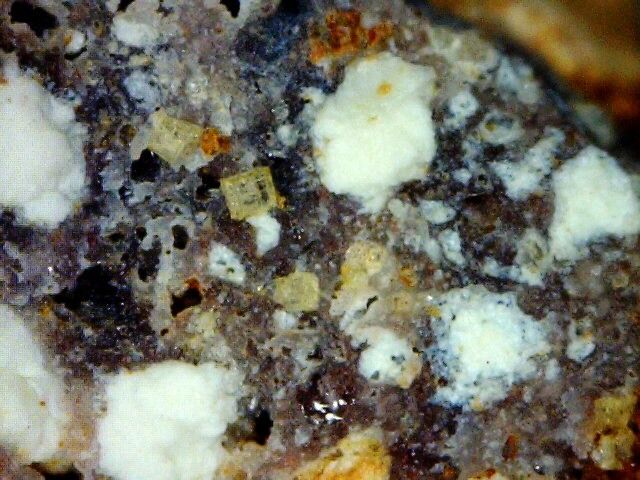 NatropharmacosideriteNaFe3+4(AsO4)3(OH)4 · 4H2OMineral—
- PlumbopharmacosideritePb0.5Fe3+4(AsO4)3(OH)4 · 5H2OMineral—
- StrontiopharmacosideriteSr0.5Fe4[(AsO4)3(OH)4] · 4H2OMineral—
- ThalliumpharmacosideriteTlFe4[(AsO4)3(OH)4] · 4H2OMineral—
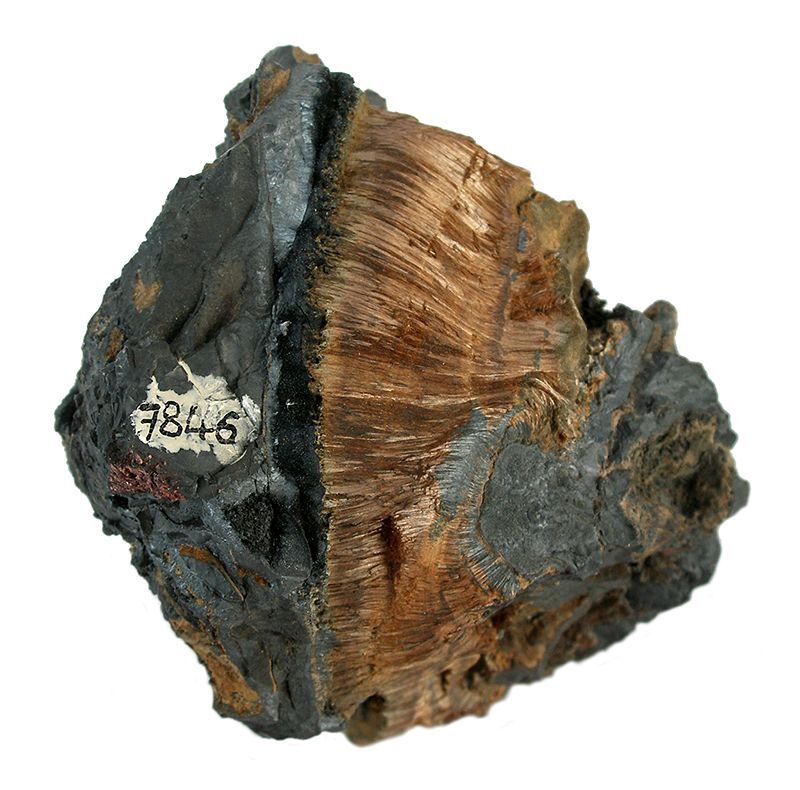 ArseniosideriteCa2Fe3+3O2(AsO4)3 · 3H2OMineral—
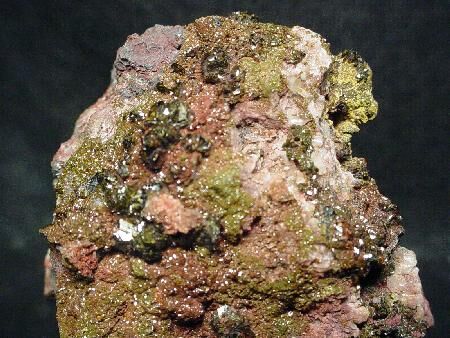 BeudantitePbFe3+3(AsO4)(SO4)(OH)6Mineral—
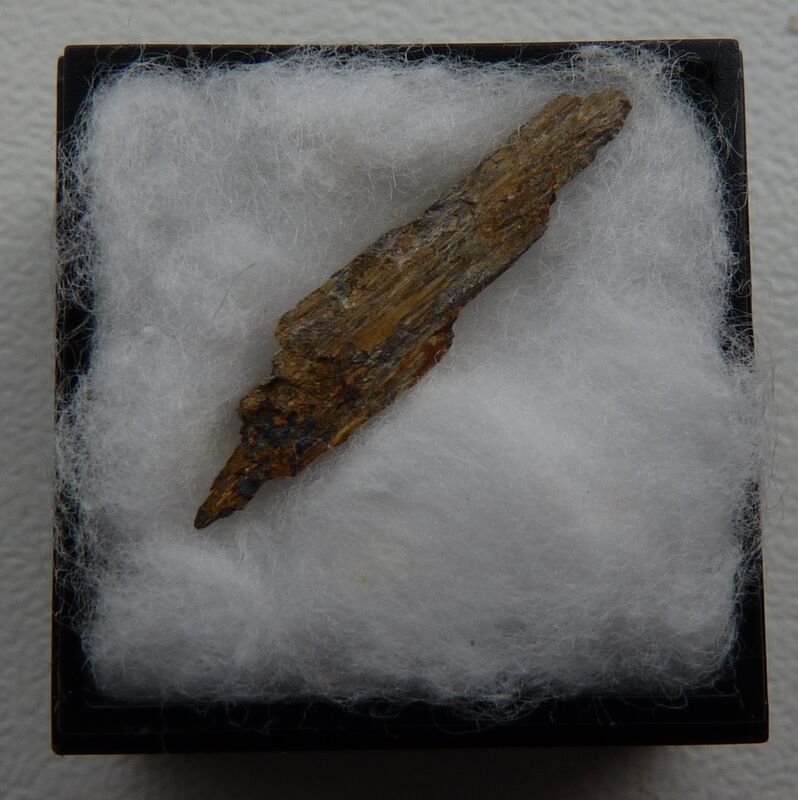 BismocliteBiOClMineral—
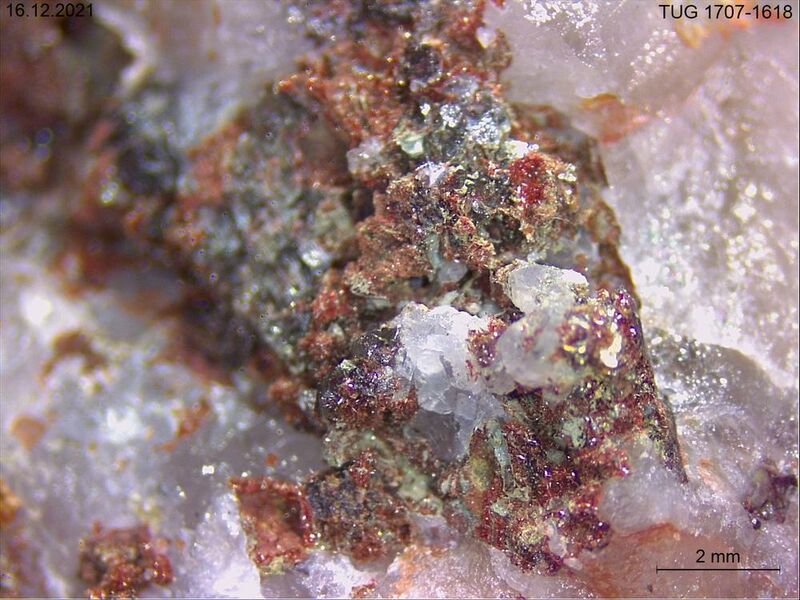 CarminitePbFe3+2(AsO4)2(OH)2Mineral—
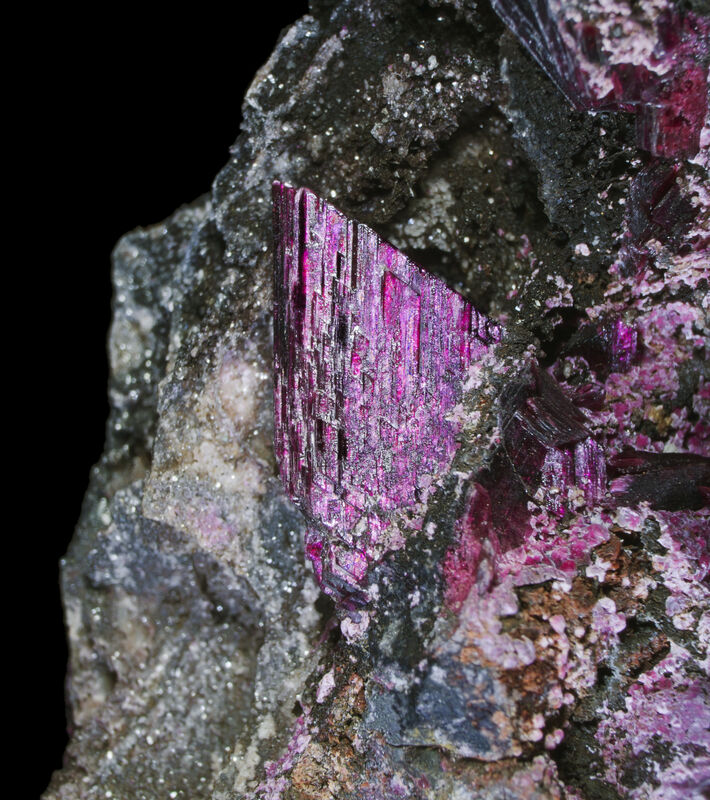 ErythriteCo3(AsO4)2 · 8H2OMineral—
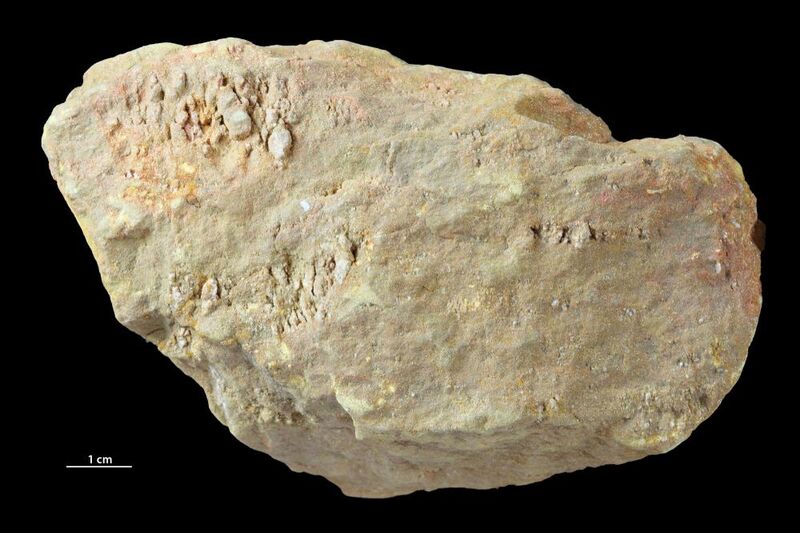 JarositeKFe3+3(SO4)2(OH)6Mineral—
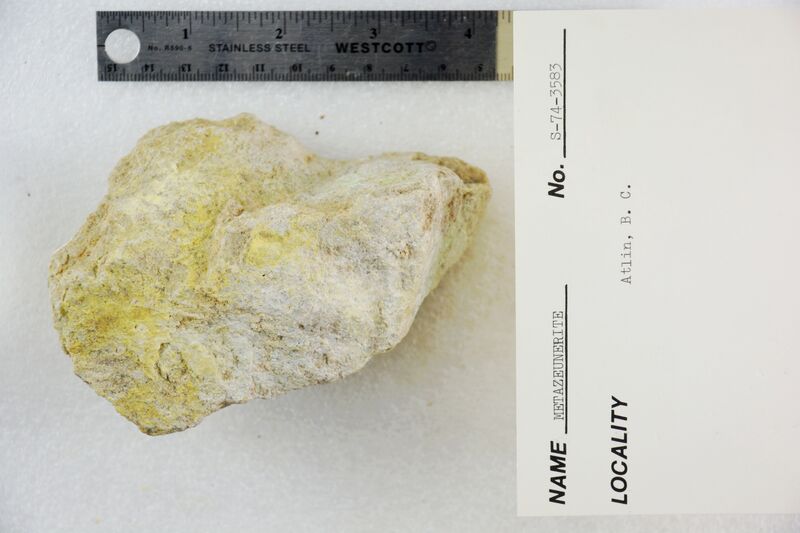 MetazeuneriteCu(UO2)2(AsO4)2 · 8H2OMineral—
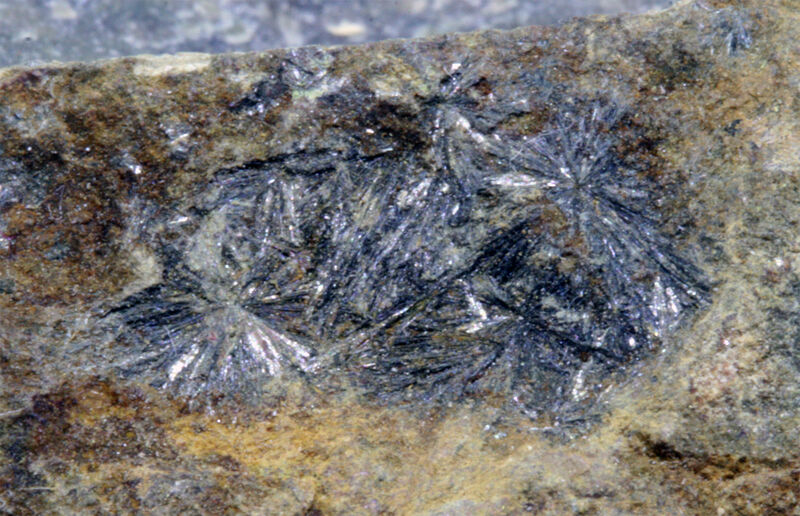 ParasymplesiteFe2+3(AsO4)2 · 8H2OMineral—
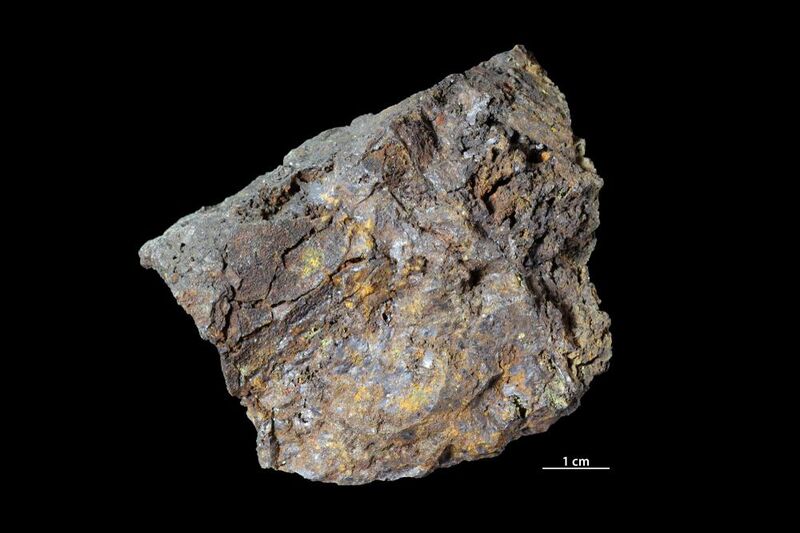 Pitticite[Fe,AsO4,SO4,H2O] (?)Mineral—
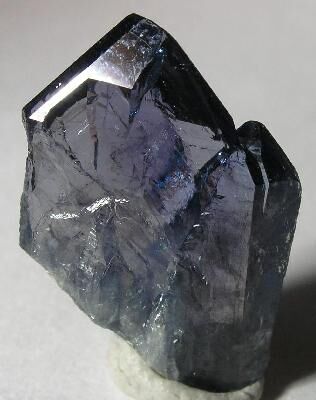 ScoroditeFe3+(AsO4) · 2H2OMineral—
Literature, links & citation
- 1786Klaproth (1786) Schriften der Gesellschaft naturforschender Freunde in Berlin, Schr.: 1: 161 (as Arseniksaures Eisen im Würfeln kryst.).
- 1794Lenz, D.G. (1794) Versuch einer vollständigen Anleitung zur Kenntniss der Mineralien. 2 volumes, Leipzig: 2: 18, 151 (as Würfelerz).
- 1794Richard Kirwan (1794) Elements of Mineralogy - second edition Vol. 1. P. Elmsly, The Strand.
- 1802Klaproth, M. H. (1802) XCIV. Untersuchung des Olivenerzes.IlI. Arseniksaures Eisenerz. In Beiträge zur chemischen Kenntniss der Mineralkörper Vol. 3. Rottmann. p.194-195.
- 1808Karsten, D.L.G. (1808) Mineralogische Tabellen, Berlin. second edition: 66: 1808 (as Würfelerz).
Entry last updated
@misc{mineral2026,
  author    = {Mineral Index editorial board},
  title     = {Pharmacosiderite — Mineral Index},
  year      = {2026},
  url       = {https://mineralindex.org/minerals/pharmacosiderite-3185}
}