History
The name hides a wrong turn. Turquoise comes from the Old French turquois — "Turkish" — yet no turquoise was ever mined in Turkey. The stone reached Europe along trade routes that ran through Turkish lands, and the name stuck to the road rather than the source. The original material came from Persia, in what is now Iran.
People prized the stone for thousands of years before anyone gave it a mineral name. The Romans knew it through Pliny the Elder, who called it callais. Far across the Atlantic, the Aztecs called it chalchihuitl. Each culture met the same blue-green stone and named it in its own tongue.
Ancient Egypt and Persia
The oldest documented use runs back to ancient Egypt. From at least the First Dynasty, around 3000 BCE, the Egyptians mined turquoise in the Sinai Peninsula. The two most important workings — Serabit el-Khadim and Wadi Maghareh — are among the oldest known mines anywhere. The goddess Hathor was tied to the stone so closely that one of her titles was "Lady of Turquoise". The most famous Egyptian piece is the gold burial mask of the pharaoh Tutankhamun, inlaid with turquoise alongside lapis lazuli and carnelian.
Persia worked the stone for at least two thousand years. The Iranians called it pērōzah — "victory" — and Persian craftsmen used it to face buildings, including the Shah Mosque of Isfahan. For Persia it was, in effect, a national stone for millennia. Most of that turquoise came from a mine-riddled region near Nishapur, below the peak of Ali-mersai.
The Americas, China, and the West
In the Americas the story is just as deep. Pre-Columbian peoples mined turquoise in New Mexico at Los Cerrillos, thought to hold the oldest mines on the continent. The Ancestral Puebloans of Chaco Canyon — also called the Anasazi — are believed to have prospered greatly from producing and trading turquoise objects. The Aztecs saw the stone as an embodiment of fire and set it, with gold, into mosaic masks such as that of Xiuhtecuhtli, their fire god.
China has worked turquoise for three thousand years or more, mostly from the silicified limestone of Hubei province. In the West, by contrast, the stone arrived late. Though one of the oldest gems, it did not become an important ornamental material in Europe until the 14th century.
A precise mineral definition came only in the modern era. The species was redefined by Foord and Taggart in 1998, who reserved the name turquoise for a single end-member composition. They also found that most gem material sold as "turquoise" is not pure. A related mineral, planerite, is the most common constituent in commercial stone.
Industrial & practical applications
Turquoise has one job today, and it has held it for thousands of years: it is a jewellery stone. There is no real industrial use — no metal smelted from it, no chemical drawn out of it. The whole market is ornamental. In contemporary Western wear it most often appears cut en cabochon — shaped into a smooth, rounded dome rather than faceted. The stones are set in silver rings and bracelets, frequently in the Native American style.
Two quirks set the trade apart. Turquoise is opaque, so it is priced by its physical size in millimetres rather than by weight, the way coral is. And because it is often porous, much of what sells has been treated to harden it and fix its colour.
Stabilizing and reconstituting
Most chalky American material would be unsaleable raw. To rescue it, dealers force epoxy and plastics into the stone under pressure — a process called bonding or stabilization. The epoxy binding technique dates to the 1950s and is attributed to Colbaugh Processing of Arizona. A separate proprietary method, developed by the electrical engineer and turquoise dealer James E. Zachery in the 1980s, improves the stability of medium- to high-grade stone.
The most extreme treatment is reconstitution: fragments too small to use alone are powdered and bonded with resin into a solid mass. Untreated turquoise always commands a higher price; bonded and reconstituted material is worth considerably less.
### Imitations
Where a real gem is valuable, fakes follow. The most common imitation is dyed howlite or magnesite, both naturally white stones coloured to pass as turquoise. A near-synthetic was introduced by Pierre Gilson in 1972, made in both a uniform colour and with the black "spiderweb matrix" veining collectors prize.
Where it forms, where it's found
- Geological setting
Secondary mineral in potassic alteration zone of porphyry copper deposits. Vein fillings in volcanic rocks and phosphate-rich sediments.
Varieties
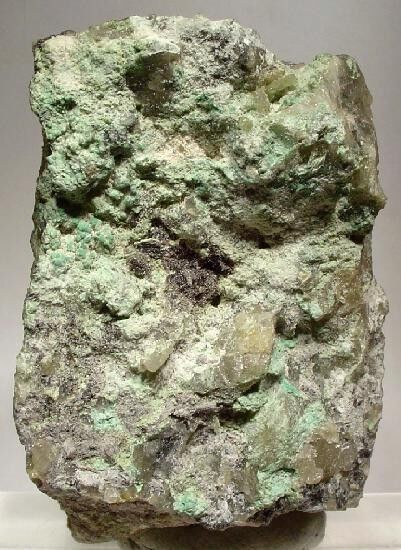
Physical
- Hardness
- 1Talc
- 2Gypsum
- 3Calcite
- 4Fluorite
- 5Apatite
- 6Orthoclase
- 7Quartz
- 8Topaz
- 9Corundum
- 10Diamond
- Transparency
- Transparent · Translucent · Opaque
- Colour
- Bright blue · sky-blue · pale green · blue-green · turquoise-blue · apple-green · green-gray
Ferric iron substitution may cause the color to be green.
- Streak
- Pale greenish blue to white
- Tenacity
- brittle
- Cleavage
- Perfect
on (001), good on (010)
- Fracture
- Irregular/Uneven · Sub-Conchoidal
- Density
- 2.6 g/cm³
Optical
- Optical type
- Biaxial (+) · 2V measured = 40° · 2V calc = 44°
- Refractive index
- 1.61 – 1.65
- Surface relief
- Moderate
- Principal indices
- nα 1.610 · nβ 1.615 · nγ 1.650
- Birefringence
- 0.040
- Pleochroism
- Weak
X= colorless Z= pale blue or pale green
- Dispersion
- r < v strong
- UV response
- Not fluorescent in UV
Crystallography
- Cell parameters
- a = 7.409(1) Å · b = 7.635(1) Å · c = 9.914(2) Å
- Cell angles
- α = 111.356 ° · β = 114.973 ° · γ = 69.532 °
- Ratio a:b:c
- 1 : 1.031 : 1.338
- Unit cell volume
- 449.39 ų
- Z
- 1
- Morphology
Crystals rare. Steep pinacoidal crystals exhibiting (010), (10) and (001). Fine granular, globular crusts, veinlets, massive.
Chemical composition
- Impurities
- Fe
- Ca
Synonyms
- Calait
- Calaita
- Calaite
- Callaica
- Callais (of Pliny)
- Chalchihuitl (of Blake)
- Chalchit
- Chalchita
- Chalchite
- Chalchuit
- Chalchuita
- Chalchuite
- Dootłʼizhii
- Firuzegi
- Forizego
- Henwoodit
- Henwoodita
- Hydrargillite (of Hausmann)
- Johnit
- Johnita
- Johnite
- Kalait
- Kallait
- Oriental Turquoise
- Orientalischer Türkis
- Turchesa
- Turchesia
- Turchine
- Turcica
- Turques
- Turquois
- Turquois orientale
- Turquoise de vieille roche
In other languages
- French
- turquoise
- German
- Kallait · Türkis
- Spanish
- turquesa
- Italian
- turchese
- Portuguese
- turquesa
- Japanese
- ターコイズ · トルコ石
- Chinese
- 绿松石
- Simplified Chinese
- 绿松石
- Traditional Chinese
- 緑松石
- Russian
- бирюза
- Arabic
- الفيروز · تراكواز · فيروز
- Hindi
- फीरोजा़
Classification
8.DD.15
- 8Phosphates, Arsenates, VanadatesClass
- 8.DPhosphates, etc. with additional anions, with H2ODivision
- 8.DDWith only medium-sized cations, (OH, etc.):RO4= 2:1Group
- 8.DD.15TurquoiseSpecies
42.09.03.01
- 42Hydrated Phosphates, Etc.containing Hydroxyl or HalogenClass
- 42.09(AB)7(XO4)4Zq·xH2OType
- 42.09.03Turquoise GroupGroup
- 42.09.03.01TurquoiseSpecies
19.2.8
- 19PhosphatesClass
- 19.2Phosphates of CuGroup
- 19.2.8TurquoiseSpecies
Group, growth & confusion
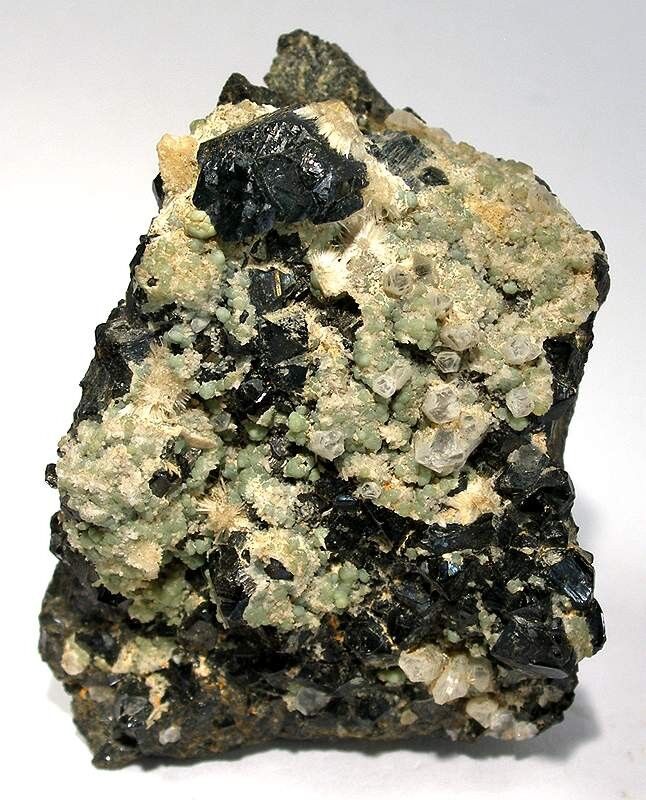
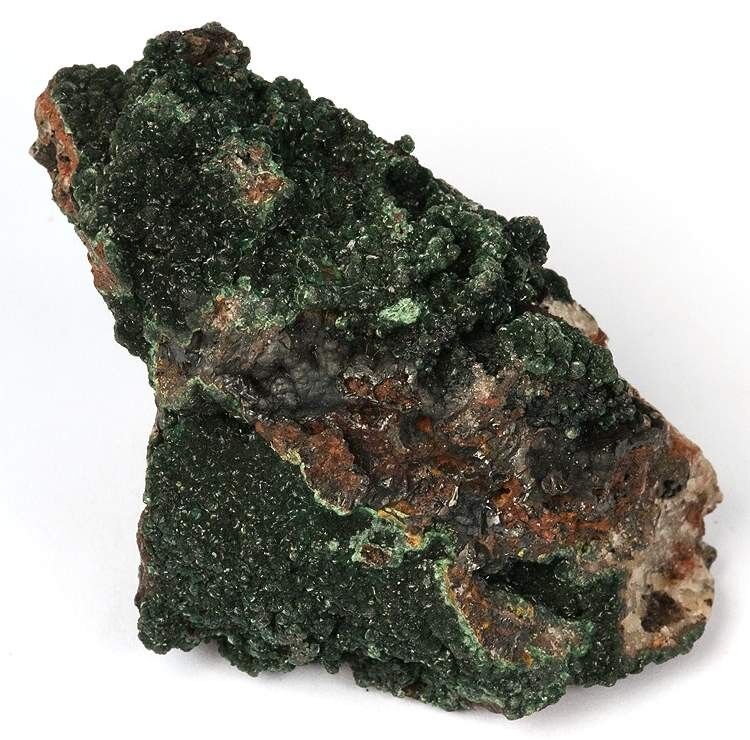
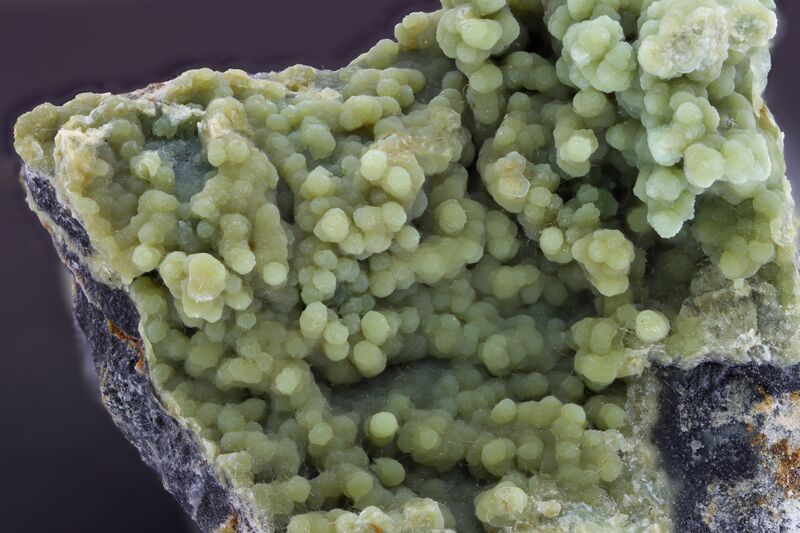
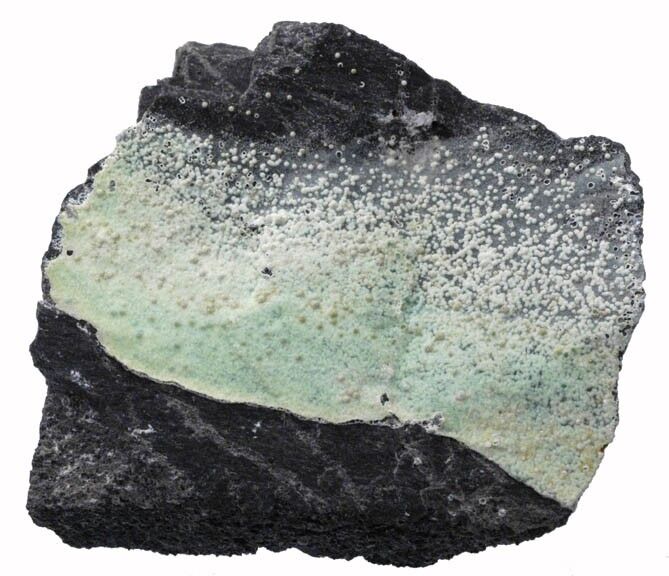
 AllophaneAl2O3(SiO2)1.3-2.0 · 2.5-3.0H2OMineral—
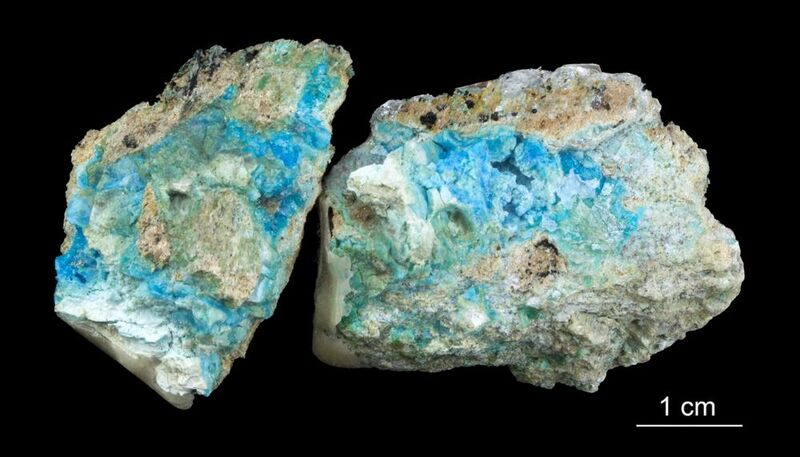
 ChalcedonySiO2Variety—
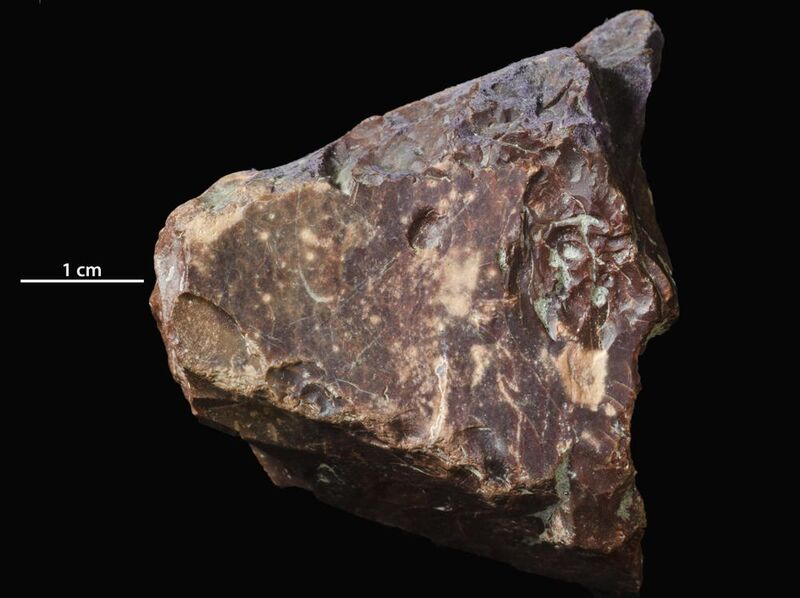
 KaoliniteAl2Si2O5(OH)4Mineral—
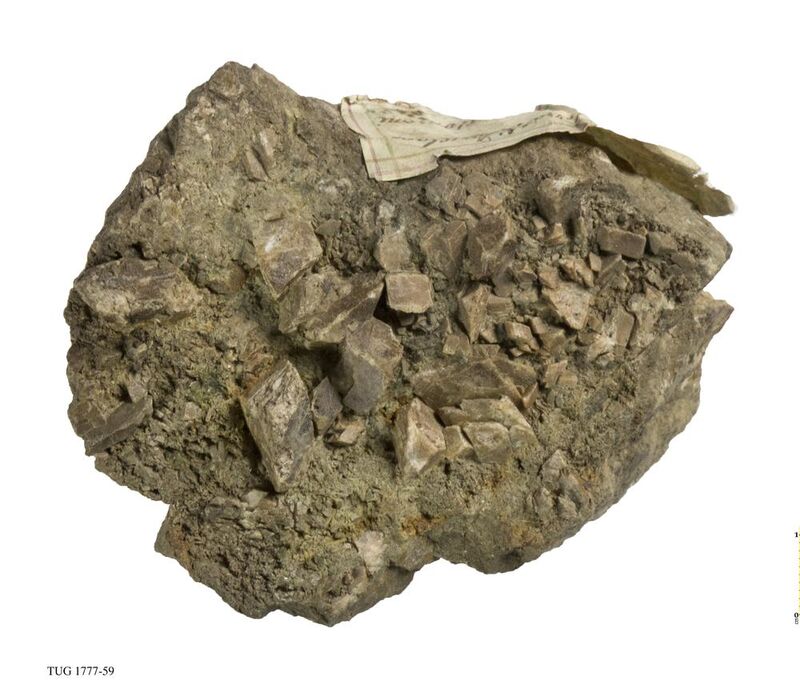
- KunatiteCuFe3+2(PO4)2(OH)2 · 4H2OMineral—
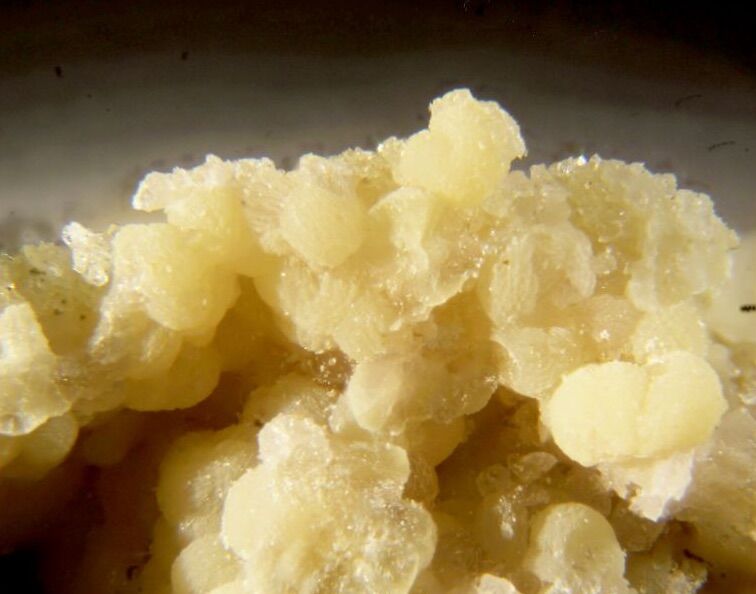 MillisiteNaCaAl6(PO4)4(OH)9 · 3H2OMineral—
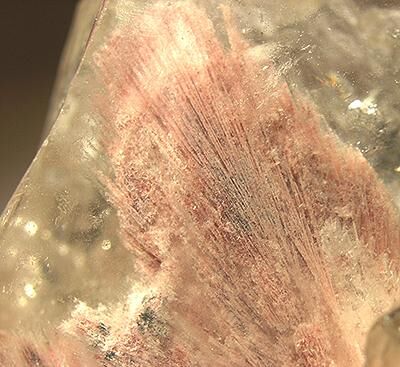 Montmorillonite(Na,Ca)0.3(Al,Mg)2Si4O10(OH)2 · nH2OMineral—
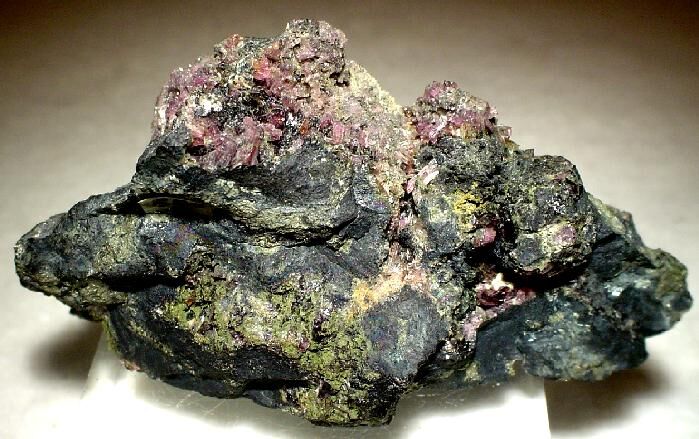 PhosphosideriteFe3+(PO4) · 2H2OMineral—
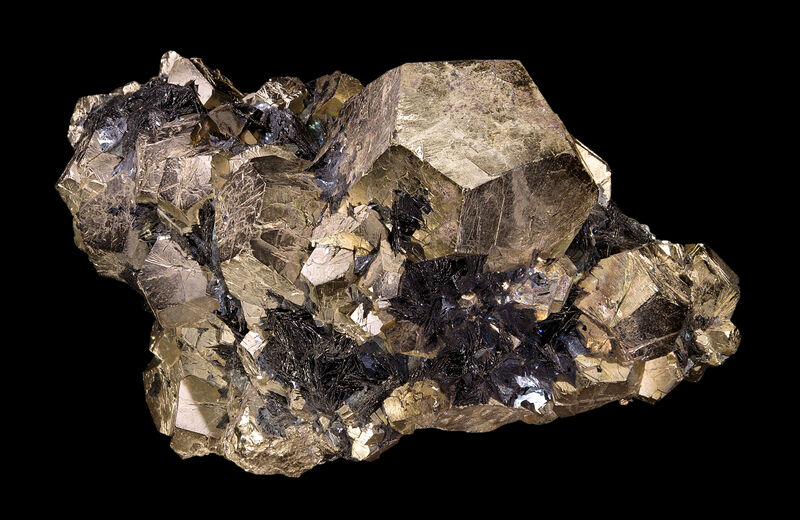 PyriteFeS2Mineral—
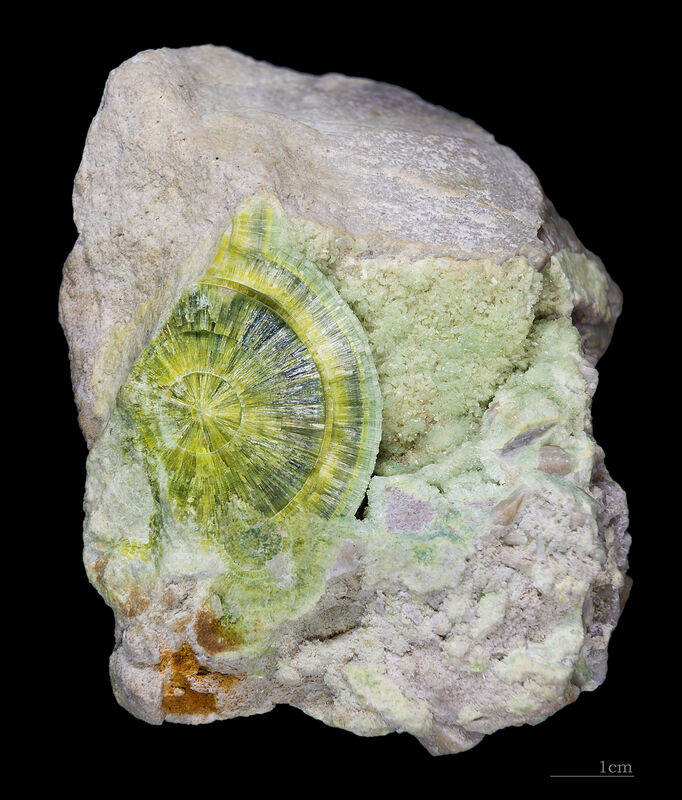 WavelliteAl3(PO4)2(OH)3 · 5H2OMineral—
Literature, links & citation
- —Zeitschrift für Kristallographie: 121: 87-113.
- 1678Tavernier (1678) Voy. en Turquie, en Persie, etc., Paris.
- 1697Bocconi (1697) Museo di Fisica, etc.: 278 (as Turchine).
- 1746Mortimer, C. (1746) XVII. Some remarks on the precious stone called the turquoise. Philosophical Transactions of the Royal Society of London: 44(482): 429-432.
- 1806Fischer (1806) Mem. Soc. nat. Moscou: 1 (as Turquois orientale).
Entry last updated
@misc{mineral2026,
  author    = {Mineral Index editorial board},
  title     = {Turquoise — Mineral Index},
  year      = {2026},
  url       = {https://mineralindex.org/minerals/turquoise-4060}
}