Where it forms, where it's found
- Geological setting
Small miarolytic cavities in nepheline syenite.
Alkalic rocks.
- Type locality
- Rouma Island
- Los Archipelago (Los Islands)
- Conakry Region
- Guinea
Physical
- Hardness
- 1Talc
- 2Gypsum
- 3Calcite
- 4Fluorite
- 5Apatite
- 6Orthoclase
- 7Quartz
- 8Topaz
- 9Corundum
- 10Diamond
- Transparency
- Transparent
- Colour
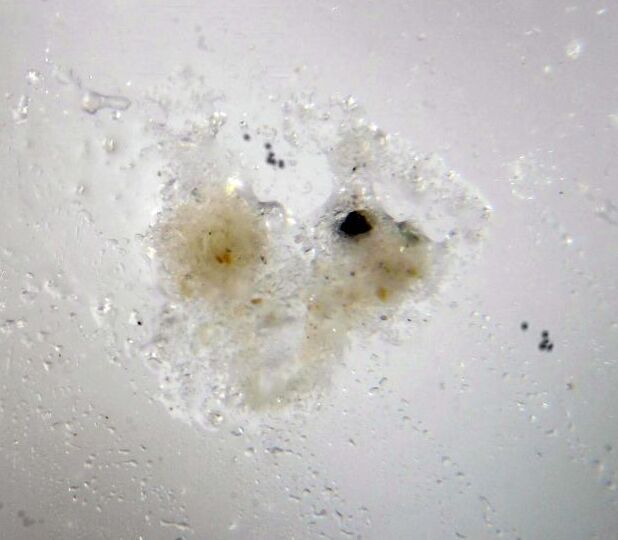
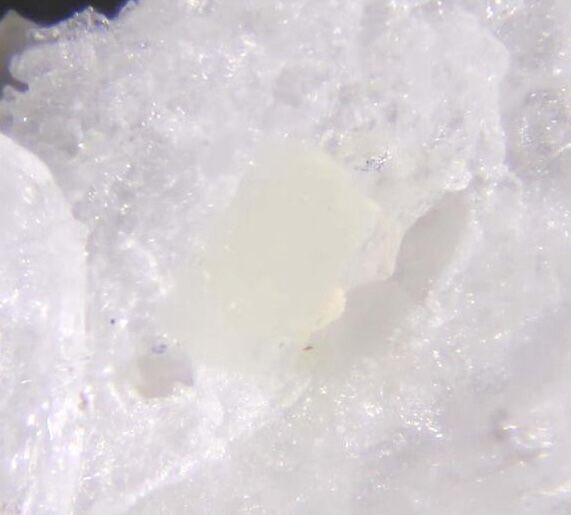
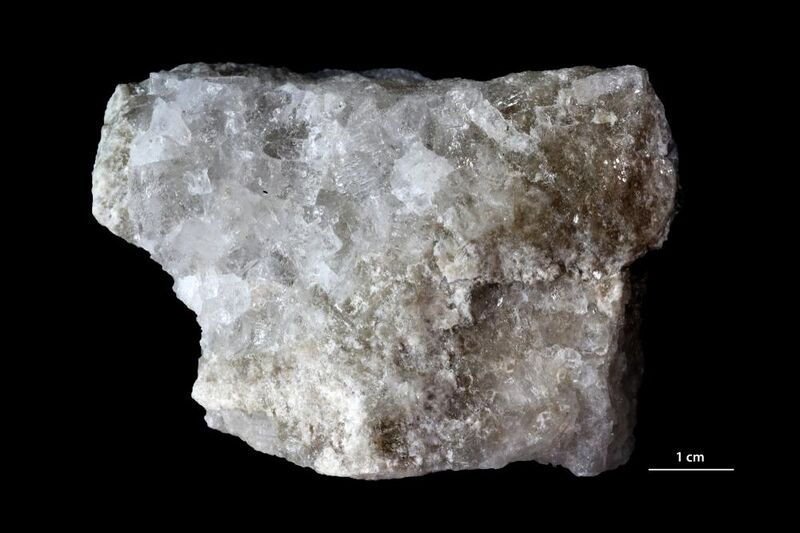
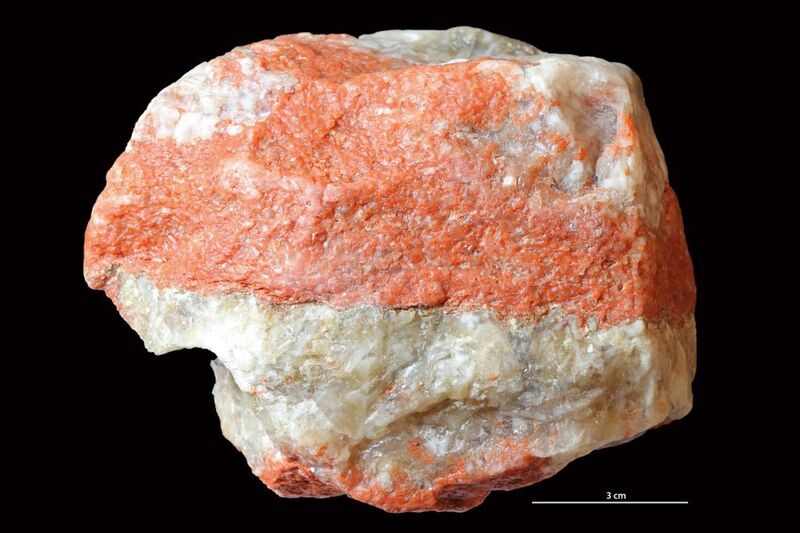
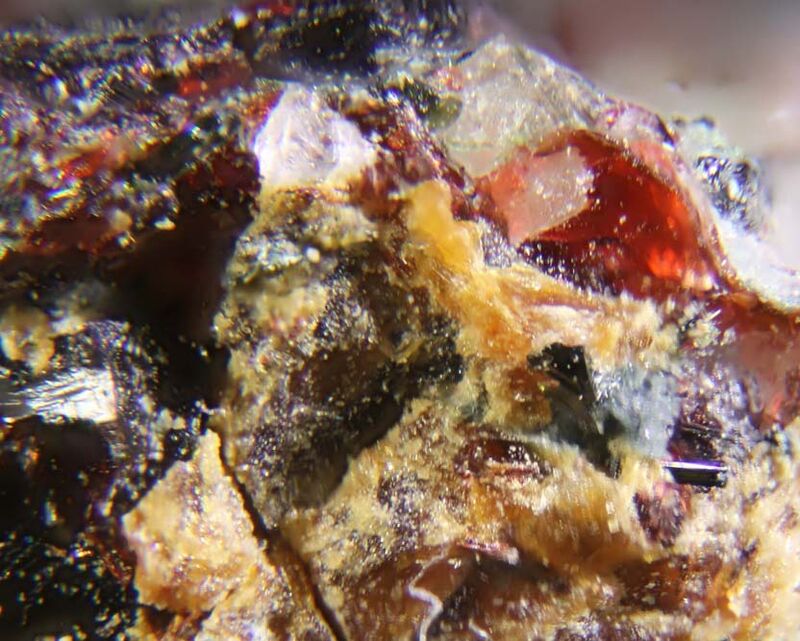
- Dark carmine-red · dark red · light orange · pink
The reddish colours were thought to be due to structural defects, caused by irradiation (Sørensen, 1973; Jahn et al., 2014). However, according to Calas et al. (2021) the red colour comes from metal Na nanoparticles, 2.5–3 nm in diameter. <br> Villiaumite samples began to change color very slowly after being heated above 300 °C in a muffle furnace. Subsequent color changes required heating at increasingly higher temperatures for approximately 48–72 h. Samples of the reddish mineral villiaumite turned orange, pink and finally colorless (at approximately at 430 °C)[[1]]. Heating is accompanied by strong thermoluminescence (Sørensen, 1973).
- Streak
- White
- Tenacity
- brittle
- Cleavage
- Perfect
On (001).
- Density
- 2.79 g/cm³
Optical
- Optical type
- Isotropic
- Principal indices
- n 1.327 – 1.328
- Pleochroism
- Strong
E = yellow O = pink to deep carmine
- UV response
- Dark red to orange and yellow fluorescence under SW and LW UV.
- Notes
Weak anomalous birefringence.
- Single index
- n = 1.328
Crystallography
- Space group
- #222
- Cell parameters
- a = 4.6342 Å
- Z
- 4
- Morphology
Cubic, often rounded crystals; massive, granular.
- Parting
- Translation gliding with T(011), t[011], and probably also T(001), t[011].
- Type-locality form
Carmine red to dark violet masses 1-3 mm in size.
Chemical composition
In other languages
- French
- villiaumite
- German
- Villiaumit
- Spanish
- Villiaumita
- Italian
- Villiaumite
- Portuguese
- villiaumita · Villiaumite
- Japanese
- ビリオム石
- Chinese
- 氟鹽
- Russian
- Виллиомит
Classification
3.AA.20
- 3HalidesClass
- 3.ASimple halides, without H2ODivision
- 3.AAM:X = 1:1, 2:3, 3:5, etc.Group
- 3.AA.20VilliaumiteSpecies
09.01.01.03
- 09Normal HalidesClass
- 09.01AXType
- 09.01.01Halite GroupGroup
- 09.01.01.03VilliaumiteSpecies
8.1.2
- 8Halides - Fluorides, Chlorides, Bromides and Iodides; also Fluoborates and FluosilicatesClass
- 8.1Halides of the alkali metals and ammoniumGroup
- 8.1.2VilliaumiteSpecies
Group, growth & confusion
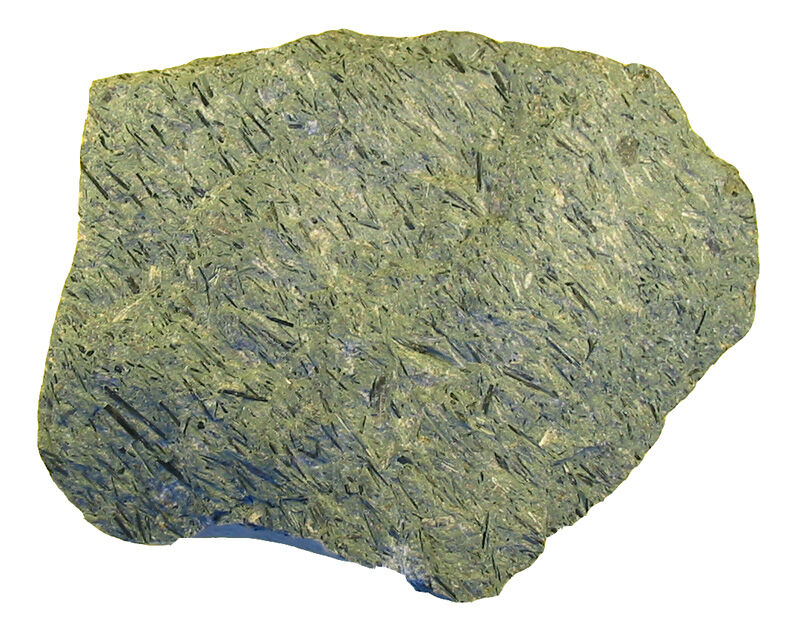 AegirineNaFe3+Si2O6Mineral—
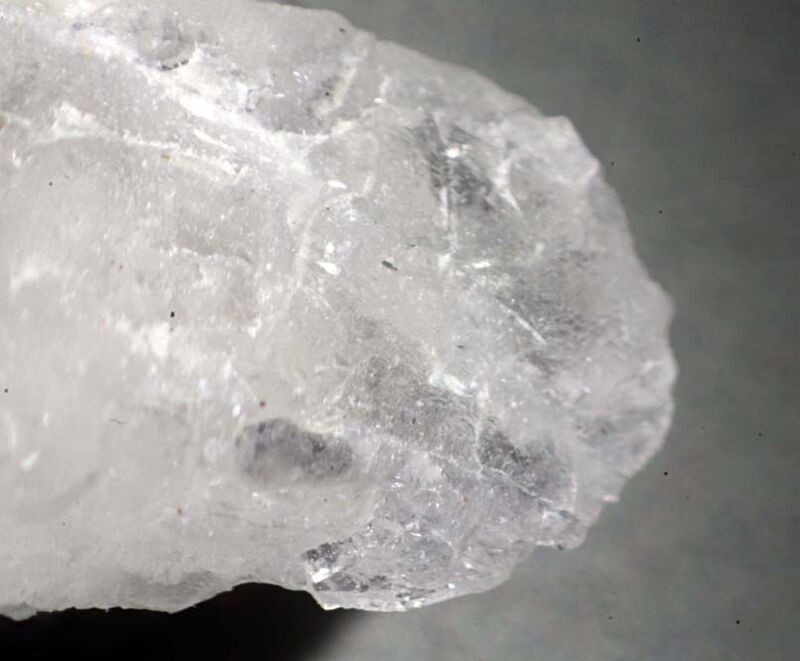 ChkaloviteNa2BeSi2O6Mineral—
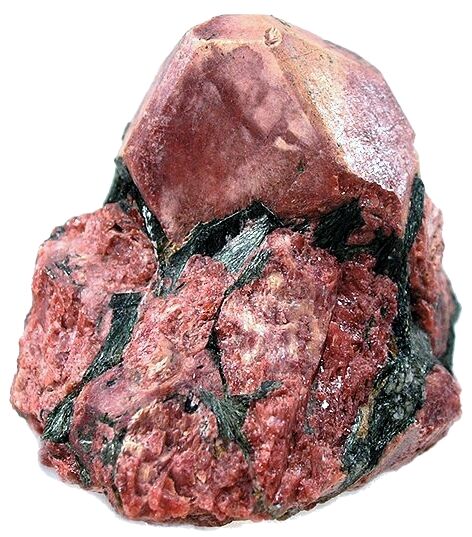 EudialyteNa15Ca6Fe3Zr3Si(Si25O73)(O,OH,H2O)3(Cl,OH)2Mineral—
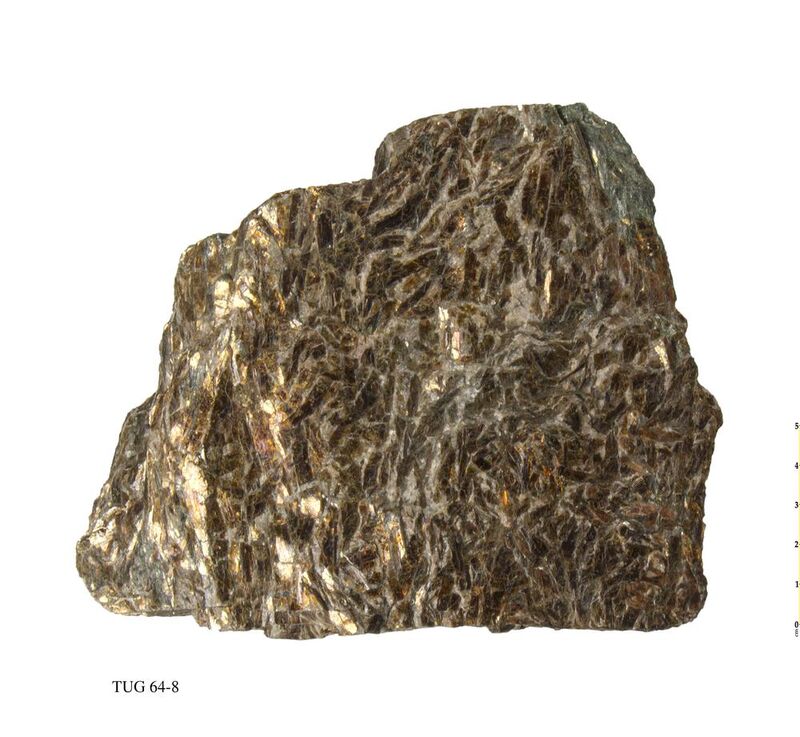 Lamprophyllite(SrNa)Ti2Na3Ti(Si2O7)2O2(OH)2Mineral—
- NahpoiteNa2(PO3OH)Mineral—
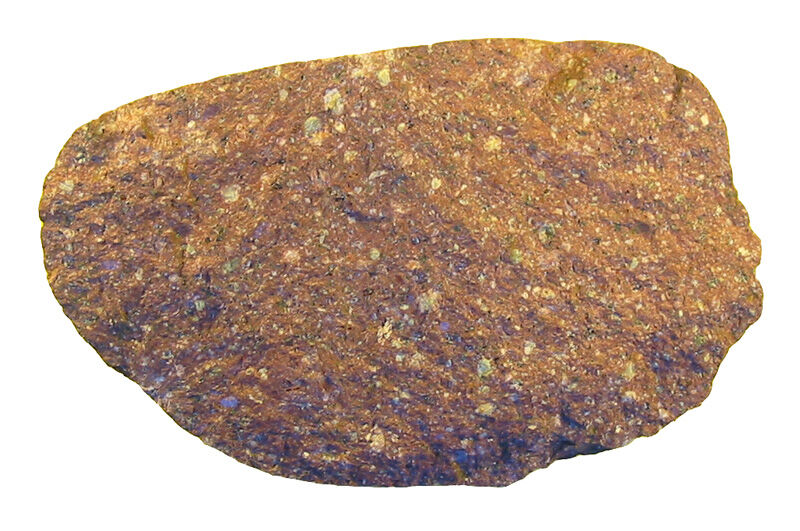 NephelineNa3K(Al4Si4O16)Mineral—
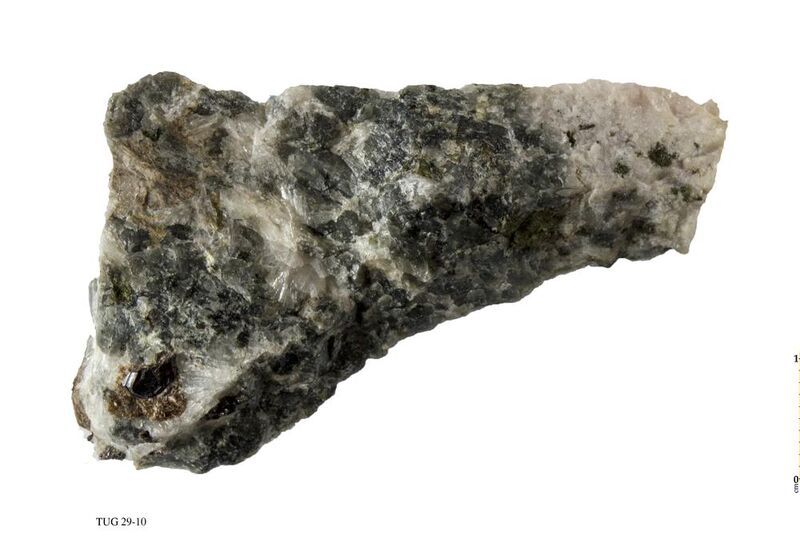 NeptuniteKNa2LiFe2+2Ti2Si8O24Mineral—
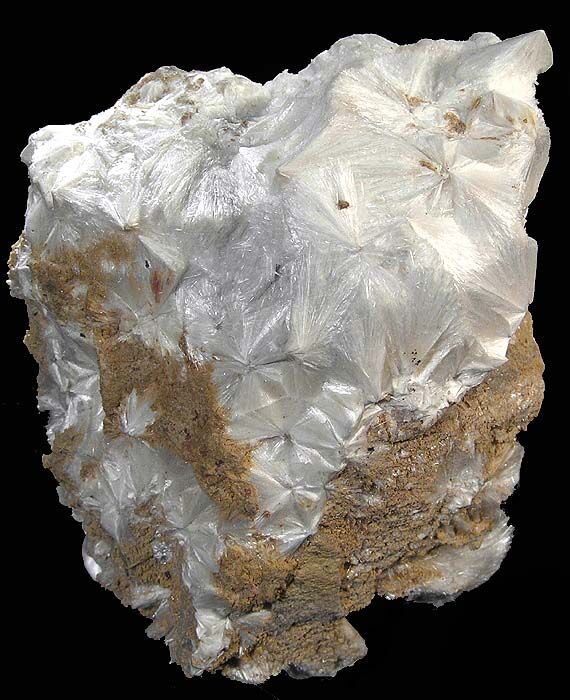 PectoliteNaCa2Si3O8(OH)Mineral—
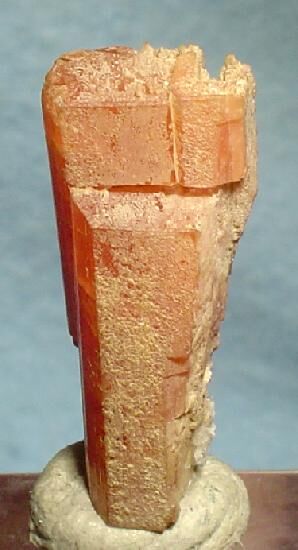 SeranditeNaMn2+2Si3O8(OH)Mineral—
 ShafranovskiteNa3K2(Mn,Fe,Na)4[Si9(O,OH)27](OH)2 · nH2OMineral—
Literature, links & citation
- 1908Lacroix, A. (1908): Sur l'existance du fluorure de sodium cristallisé comme èlèment des syènites nèphèliniques des Îles de Los. Comptes Rendu, Academie des Sciences, Paris: 146(5): 213-216.
- 1921Davey (1921): Physical Review, a Journal of Experimental and Theoretical Physics.
- 1923Davey (1923): Physical Review, a Journal of Experimental and Theoretical Physics: 21: 143.
- 1927Barth, T. & Lunde, G. (1927): Über das Mineral Villiaumit. Centralblatt für Mineralogie, Geologie und Paläontologie, 1927, 57-66 (in German).
- 1953Swanson, H.E., Tatge, E. (1953) Standard X-ray Diffraction Powder Patterns. United States Department of Commerce, National Bureau of Standards, Circular 539, 1, 63-64.
Entry last updated
@misc{mineral2026,
  author    = {Mineral Index editorial board},
  title     = {Villiaumite — Mineral Index},
  year      = {2026},
  url       = {https://mineralindex.org/minerals/villiaumite-4181}
}