History
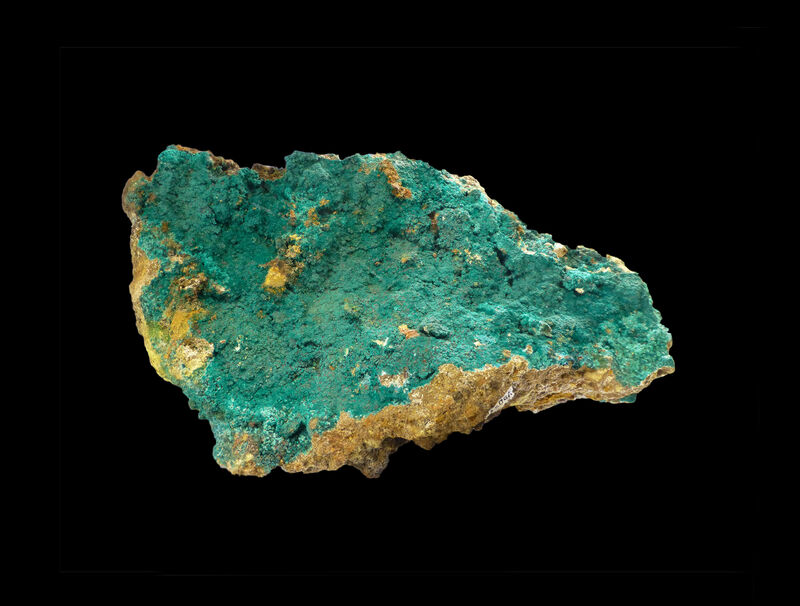
The name is a confession of mistaken identity. Pseudomalachite joins the Greek pseudes — false — to the name of malachite, the deep-green copper mineral it so closely resembles. The two look almost alike: both are green crusts that form where copper ore meets air and water. But malachite is a carbonate, a copper mineral built around carbon and oxygen, while pseudomalachite is a phosphate, built around phosphorus instead. Drop a little acid on malachite and it fizzes; pseudomalachite stays quiet. The name records the resemblance and the warning in one word.
The mineral was first recognised in 1813. Its defining specimens came from the Virneberg Mine at Rheinbreitbach, in the Westerwald hills of western Germany. That original material is still kept at the Mining Academy in Freiberg.
For more than a century afterward, the same green phosphate kept being described under different names. Specimens were catalogued as dihydrite, lunnite, ehlite, tagilite, and prasin, each treated as a separate species. In 1950 the mineralogist L. G. Berry examined samples bearing all these labels, drawn from several museum collections, and showed that every one of them was simply pseudomalachite. Five names collapsed into one.
Industrial & practical applications
Pseudomalachite has no industrial use of its own. It forms only as a secondary mineral in the oxidised zones of copper ore deposits — the weathered upper layers where copper has reacted with air and water. Where it occurs, it is a copper-bearing mineral, so it adds in a small way to the copper an ore yields. But it never gathers in the quantities a mine would target, and nothing is extracted for it specifically. Its main draw is for collectors, who prize its deep green crusts.
Where it forms, where it's found
- Geological setting
Oxidized zones of copper deposits.
- Type locality
- Virneberg Mine
- Rheinbreitbach
- Unkel
- Neuwied
- Rhineland-Palatinate
- Germany
50.6178°, 7.2494°
Physical
- Hardness
- 1Talc
- 2Gypsum
- 3Calcite
- 4Fluorite
- 5Apatite
- 6Orthoclase
- 7Quartz
- 8Topaz
- 9Corundum
- 10Diamond
- Transparency
- Translucent
- Colour
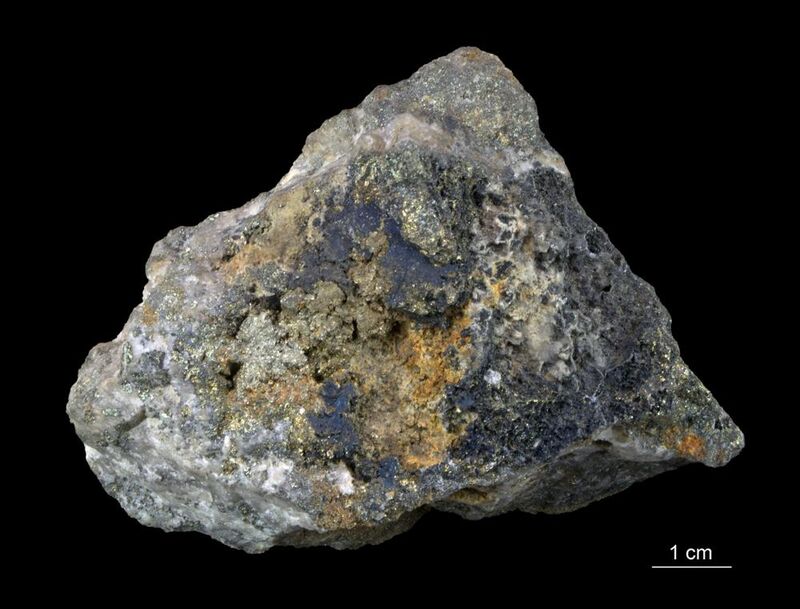
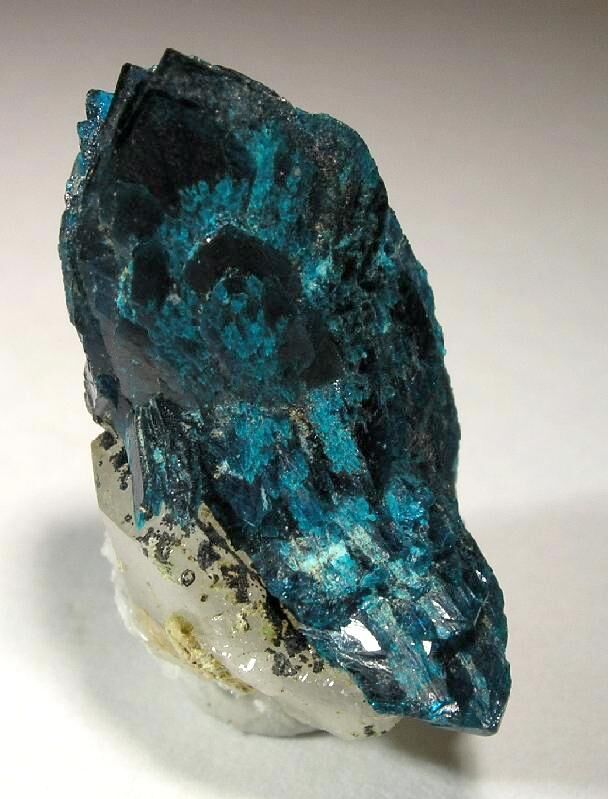
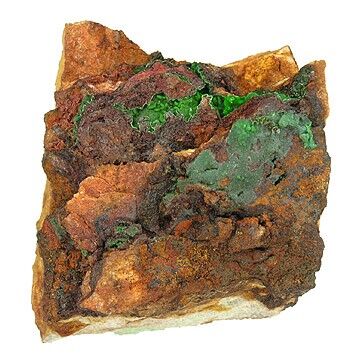
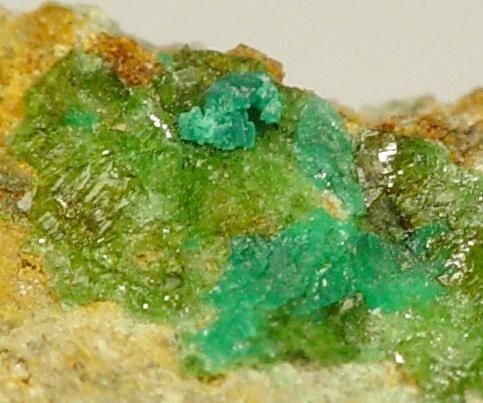
- Blue-green · green · dark green · green-black · green to bluish green in transmitted light.
- Streak
- Blue-green
- Cleavage
- Imperfect/Fair
Imperfect on the (010).
- Fracture
- Splintery · Conchoidal
- Density
- 3.6 g/cm³
Optical
- Optical type
- Biaxial (-) · 2V measured = 48° · 2V calc = 42°
- Refractive index
- 1.791 – 1.867
- Surface relief
- Very high
- Principal indices
- nα 1.791 · nβ 1.856 · nγ 1.867
- Dispersion
- r > v perceptible
- Extinction
- Z = b; X ∧ c = 21°–23°.
- UV response
- None.
Crystallography
- Space group
- #14
- Cell parameters
- a = 4.47 Å · b = 5.75 Å · c = 17.05 Å
- Cell angles
- β = 91.06 °
- Ratio a:b:c
- 1 : 1.286 : 3.814
- Unit cell volume
- 441.14 ų
- Z
- 2
- Morphology
Usually occurs as botryoidal crusts; hemispherical aggregates of microscopic crystals; sub-parallel aggregates with a drusy surface. Individual crystals are rare, prismatic [001], usually with uneven faces; small, tabular crystals (Manto Cuba Mine, Chile). Also occurs as reniform, botryoidal or massive with a radial-fibrous structure and concentric banding, the fibers elongated [010]; foliated; microcrystalline or dense; colloform.
- Twinning
On (100).
Chemical composition
Synonyms
- Cuivre Phosphaté
- Dihydrite
- Ehlit
- Ehlite
- Hypoleimme
- Kupfer-Diaspor
- Kupfer-diaspore
- Lunnit
- Phosphate of Copper
- phosphochalcite
- Phosphor-kupfererz
- Phosphorchalcit
- Phosphorchalcite
- Phosphorkupfer
- Phosphorocalcit
- Phosphorochalcit
- Phosphorokalzit
- Phosphorsaures Kupfer
- Phosphorsaures Kupferoxyd
- Prasin
- Prasin-chalzit
- Pseudomalaquite
- Rhenit
- Rhenite
- Tagilite
- Tagilith
- Ypoléime
In other languages
- German
- Pseudomalachit
- Spanish
- Pseudomalaquita
- Italian
- Pseudomalachite
- Japanese
- シュードマラカイト
- Russian
- Псевдомалахит
Classification
8.BD.05
- 8Phosphates, Arsenates, VanadatesClass
- 8.BPhosphates, etc., with additional anions, without H2ODivision
- 8.BDWith only medium-sized cations, (OH, etc.):RO4= 2:1Group
- 8.BD.05PseudomalachiteSpecies
41.04.03.01
- 41Anhydrous Phosphates, Etc.containing Hydroxyl or HalogenClass
- 41.04(AB)5(XO4)2ZqType
- 41.04.03— unnamed intermediate level —Group
- 41.04.03.01PseudomalachiteSpecies
19.2.5
- 19PhosphatesClass
- 19.2Phosphates of CuGroup
- 19.2.5PseudomalachiteSpecies
Group, growth & confusion
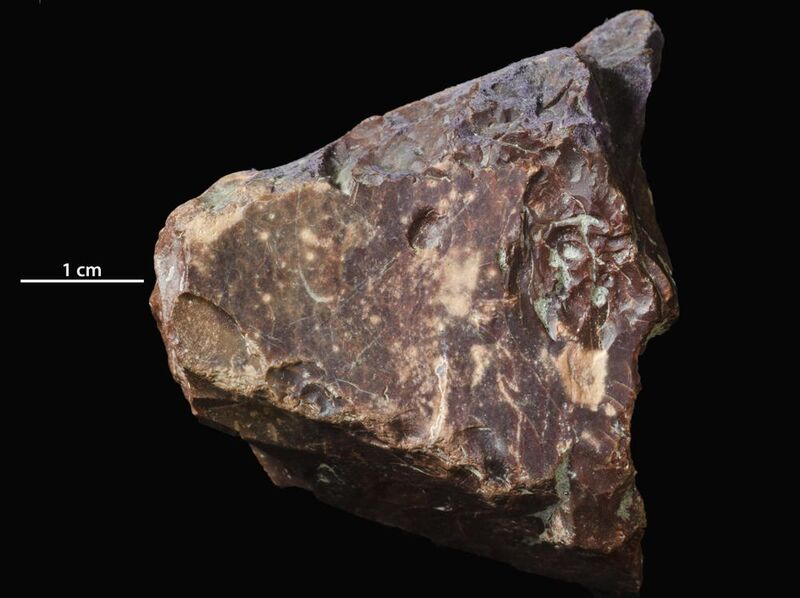 ChalcedonySiO2Variety—
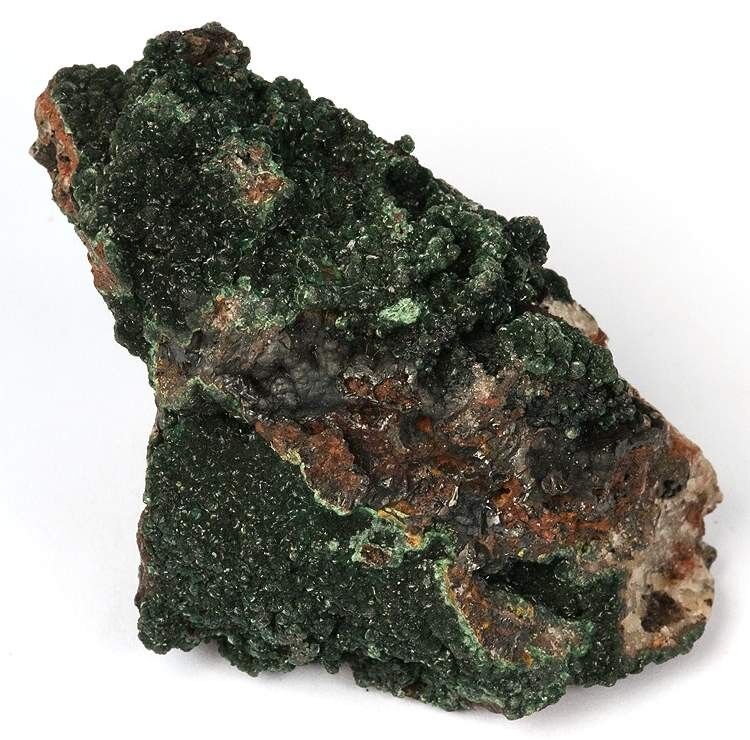 ChalcosideriteCuFe3+6(PO4)4(OH)8 · 4H2OMineral—
 Chrysocolla(Cu2-xAlx)H2-xSi2O5(OH)4 · nH2OMineral—
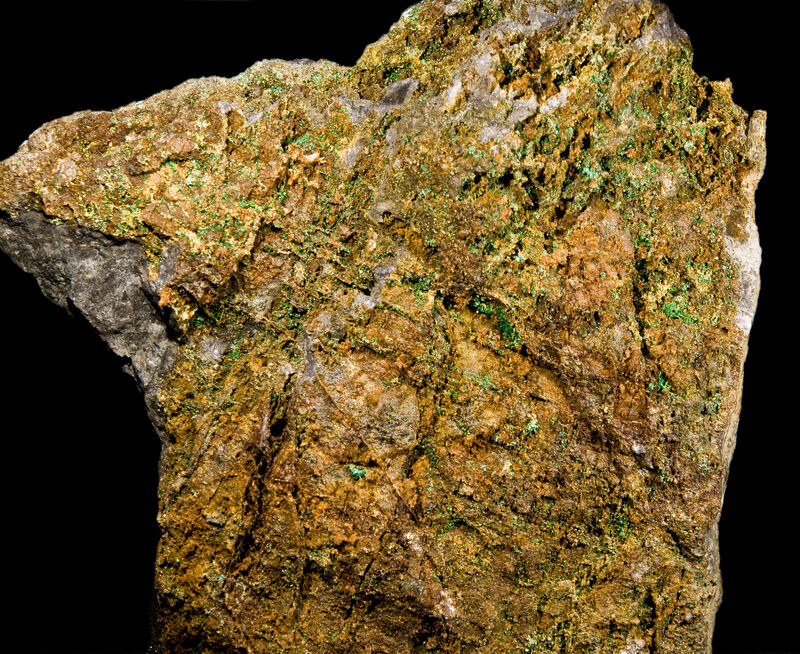 CornubiteCu5(AsO4)2(OH)4Mineral—
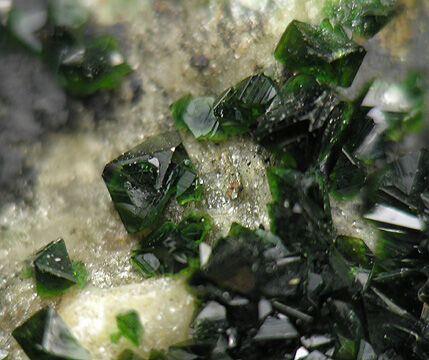 LibetheniteCu2(PO4)(OH)Mineral—
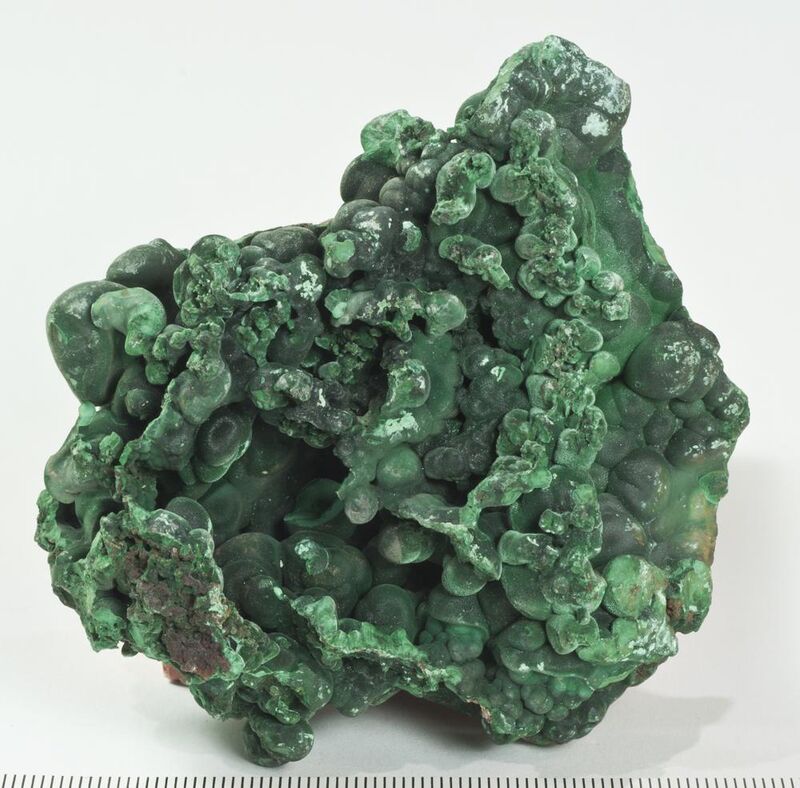 MalachiteCu2(CO3)(OH)2Mineral—
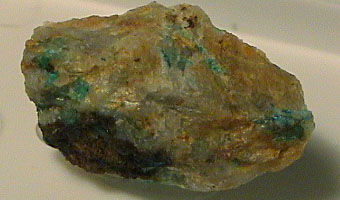 MrázekiteBi2Cu3(PO4)2O2(OH)2 · 2H2OMineral—
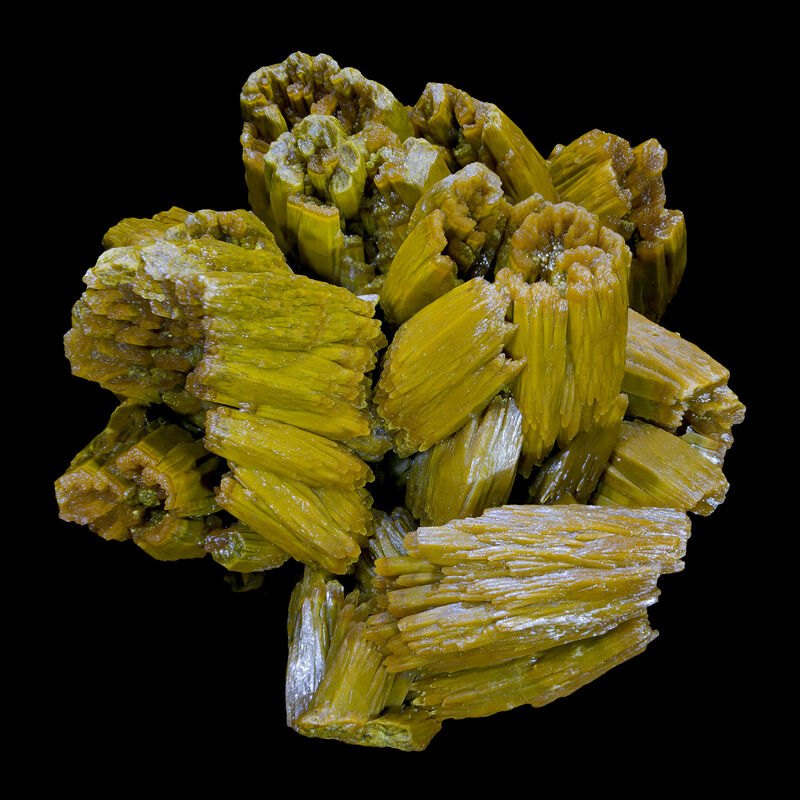 PyromorphitePb5(PO4)3ClMineral—
 TenoriteCuOMineral—
 Veszelyite(Cu,Zn)2Zn(PO4)(OH)3 · 2H2OMineral—
Literature, links & citation
- —Wallerius (as Kupfergrün, in part).
- 1801Klaproth (1801) Ges. nat. Freunde Berlin, N. Schr.: 3: 304 (as Phosphorsaures Kupfer).
- 1808Karsten, D.L.G. (1808) Mineralogische Tabellen, Berlin. second edition: 64, 97 (as Phosphorkupfer).
- 1809Haüy, René Just (1809) Tableau comparatif des résultats de la Cristallographie et de l'analyse Chimique, relativement a la Classification des Minéraux.. Chez Courcier, Paris.
- 1813Hausmann, Johann Friedrich Ludwig (1813) Handbuch der Mineralogie (1st ed.). Vandenhoeck und Ruprecht.
Entry last updated
@misc{mineral2026,
  author    = {Mineral Index editorial board},
  title     = {Pseudomalachite — Mineral Index},
  year      = {2026},
  url       = {https://mineralindex.org/minerals/pseudomalachite-3299}
}