History
The name siderite is a quiet pun on what the mineral is made of. It comes from the Ancient Greek sideros, meaning iron — and the mineral is, by weight, almost half iron. The pun was made formal only in 1845, but miners had been pulling the stuff out of the ground for centuries under a clutter of older names.
In British and German mining districts, the rough field names were the older ones: spathic iron ore and sparry ironstone for the crystalline veins, clay ironstone for the muddy nodules embedded in coal-measure shales. Chalybite was the bookish alternative — itself from the Chalybes, the Anatolian people the ancient Greeks credited with the invention of ironworking.
The Austrian mineralogist Wilhelm Karl von Haidinger settled the modern name in 1845, at a time when most older mineral names were being retired in favour of formal scientific ones ending in -ite.
There is a second, older meaning of siderite that occasionally trips up readers. Nineteenth-century writers used the word for iron meteorites — the metallic stones that fall from the sky. That usage has faded from modern mineralogy, but the disambiguation still appears in reference works. The carbonate mineral and the meteorite share only the Greek root.
A 19th-century industrial moment
For a few decades in the mid-19th century, siderite briefly became the prized feedstock for a new steel-making trick. The Bessemer process — patented in 1856 — could turn pig iron (the crude high-carbon iron from a blast furnace) into steel in minutes. But it needed ores with very low phosphorus, an impurity that makes steel brittle in the cold.
The English metallurgist Robert Forester Mushet found a workaround. He let the Bessemer converter burn off everything — phosphorus, carbon and all — then added carbon and manganese back in by tipping in molten spiegeleisen, a manganese-rich iron alloy. Spathic siderite ores happened to be rich in manganese and have negligible phosphorus, so they made excellent feed for spiegeleisen production. Mines and works that had been marginal — among them Ebbw Vale in South Wales — suddenly had a market.
The boom was short. The Gilchrist Thomas process soon introduced a basic furnace lining that pulled phosphorus directly into the slag, removing the need for the manganese-correction trick. From the 1880s onward, demand for spathic siderite ores fell sharply, and many of the deep mines that fed the spiegeleisen trade closed soon after.
Industrial & practical applications
Siderite remains a minor iron ore. By weight it carries 48.2% iron, a respectable grade, but the carbonate ore is more difficult to smelt than a haematite or other oxide ore — and the world's blast furnaces are fed largely by haematite and magnetite. Modern siderite mining survives where local deposits are big enough to be worth working, typically as a regional supplement rather than a global commodity.
The mineral has also taken on a second, unexpected role in planetary science. Orbiters and rovers have detected siderite on Mars. The finding is being interpreted as a possible indicator of the presence of abundant water early in the climate history of that planet.
Where it forms, where it's found
- Geological setting
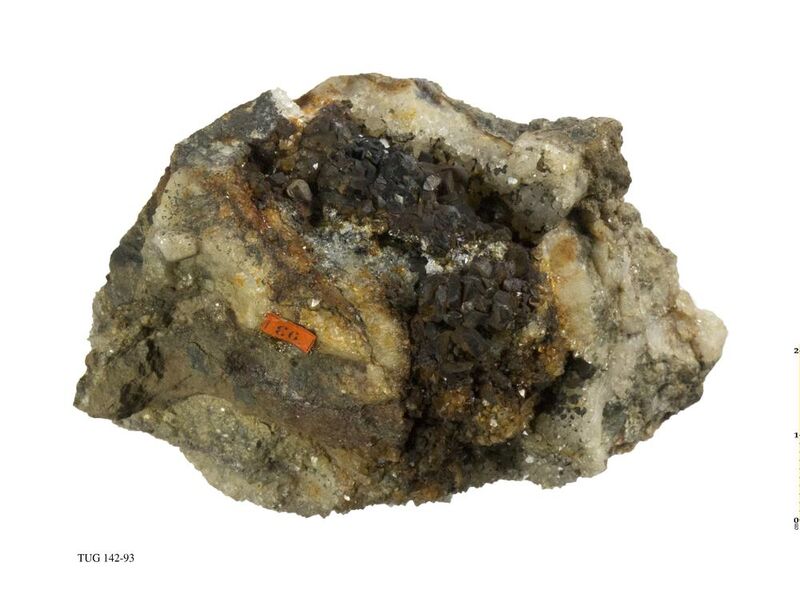
Most often found in bedded sedimentary deposits with a biological component, with shales, clays and coal beds - suggesting that the siderite is biogenically created under low-oxygen and low-Ph conditions. It is also found in metamorphosed sedimentary rocks as more massively crystalline material, as a primary gangue mineral in hydrothermal deposits, and in pegmatites, including nepheline syenite pegmatites; as bog deposits.
Varieties
Physical
- Hardness
- 1Talc
- 2Gypsum
- 3Calcite
- 4Fluorite
- 5Apatite
- 6Orthoclase
- 7Quartz
- 8Topaz
- 9Corundum
- 10Diamond
- Lustre
- Vitreous
- Transparency
- Translucent
- Colour
- Yellowish-brown to greyish-brown · pale yellow to tannish · grey · brown · green · red · black and · rarely · colourless · tarnished iridescent at times · colourless to yellow and yellow-brown in transmitted light.
- Streak
- White
- Tenacity
- brittle
- Cleavage
- Perfect
Perfect on (101).
- Fracture
- Irregular/Uneven · Conchoidal
- Density
- 3.96 g/cm³
Optical
- Optical type
- Uniaxial (-)
- Refractive index
- 1.633 – 1.875
- Surface relief
- High
- Principal indices
- nω 1.875 · nε 1.633
- Dispersion
- Strong
Crystallography
- Space group
- #98
- Cell parameters
- a = 4.6916 Å · c = 15.3796 Å
- Z
- 6
- Morphology
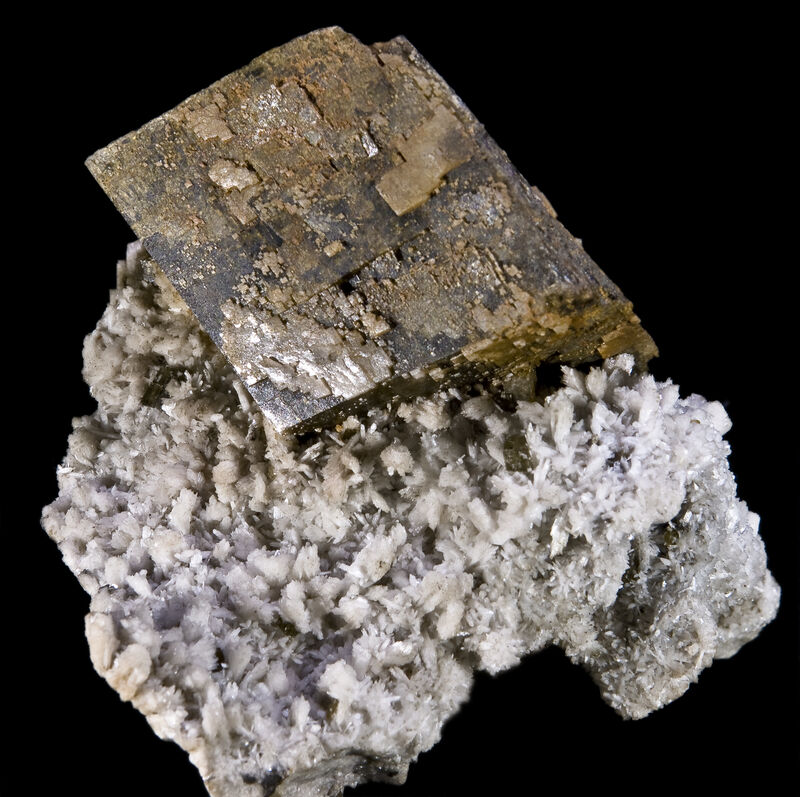
Crystals usually rhombohedral (101) or (011), often curved or with composite faces; also more rarely thin to thick tabular (0001), prismatic [0001] with (110), or scalenohedral; most often found as massive material, either fine-grained in sedimentary settings or massively crystalline in metamorphic settings; may also be botryoidal or globular with a fibrous internal structure.
- Twinning
On (012), lamellar, uncommon, with translation gliding on (0001) or (101). On (0001), rare.
Chemical composition
- Impurities
- Mn
- Mg
- Ca
- Zn
- Co
Synonyms
- Aerosiderit
- Aerosiderita
- Aerosiderite
- Bemmelenit
- Bemmelenita
- Bemmelenite
- Brachytyper Parachrosbaryt
- Calcareous Iron Ore
- Carbonate of Iron
- Chalybit
- Chalybita
- Chalybite
- Eisenkalk
- Eisenspat
- Eisenspath (of Hausmann)
- Fer carbonaté
- Gyrit
- Gyrita
- Gyrite
- Iron Spar
- Järn med Kalkjord förenadt
- Junckérit
- Junckérite
- Junkerite
- Kohlensaures Eisen
- Minera ferri alba spathiformis
- Pelosiderita
- Siderite (of Haidinger)
- Sidérose
- Sparry Iron Ore
- Spateisenstein
- Spatformig Jernmalm
- Spatheisenstein
- Spathic Iron
- Spathiger Eisen
- Spathose Iron
- Stahelreich Eisen
- Stahlstein
- Steel Ore
- Thomaît
- Thomaîta
- Thomaîte
- Weißeisenerz
In other languages
- French
- 563-71-3 · Carbonate de fer · E505 · Junckérite · Oligonite · Sidérite
- German
- Aerosiderit · Bemmelenit · Chalybit · Eisen(II)-carbonat · Eisenspat · Gyrit · Junckérit · Oligonit · Siderit · Spateisenstein · Stahlstein · Thomait · Weißeisenerz
- Spanish
- carbonato de hierro · siderita
- Italian
- Siderite
- Portuguese
- siderita · Siderite
- Japanese
- 菱鉄鉱
- Chinese
- 菱铁矿
- Simplified Chinese
- 菱铁矿
- Traditional Chinese
- 菱鐵礦
- Russian
- E505 · FeCO3 · Железный шпат · Карбонат железа · Сидерит · шпатовый железняк
- Arabic
- سيدريت · كربونات الحديد
Classification
5.AB.05
- 5CarbonatesClass
- 5.ACarbonates without additional anions, without H2ODivision
- 5.ABAlkali-earth (and other M2+) carbonatesGroup
- 5.AB.05SideriteSpecies
14.01.01.03
- 14Anhydrous Normal CarbonatesClass
- 14.01A(XO3)Type
- 14.01.01Calcite Group (Trigonal: R-3c)Group
- 14.01.01.03SideriteSpecies
11.13.1
- 11CarbonatesClass
- 11.13Carbonates of FeGroup
- 11.13.1SideriteSpecies
Group, growth & confusion
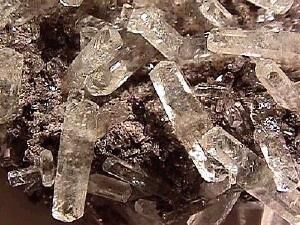
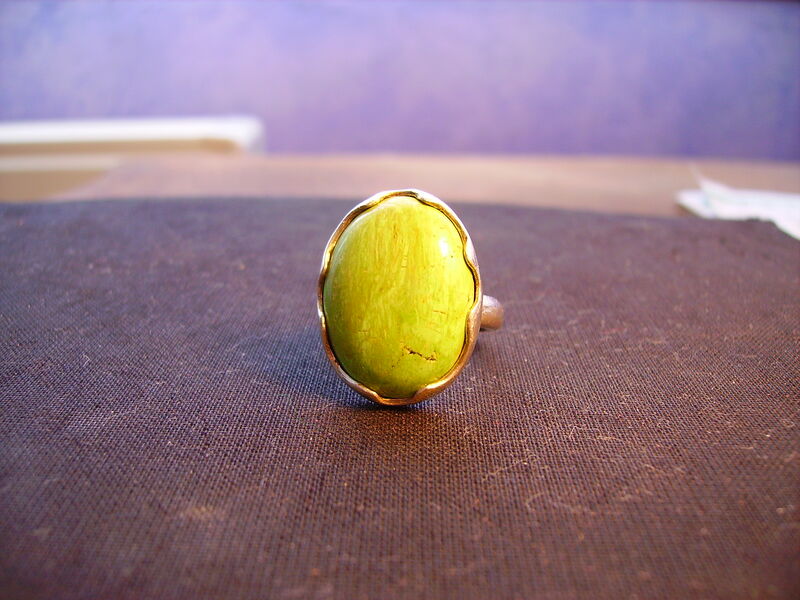
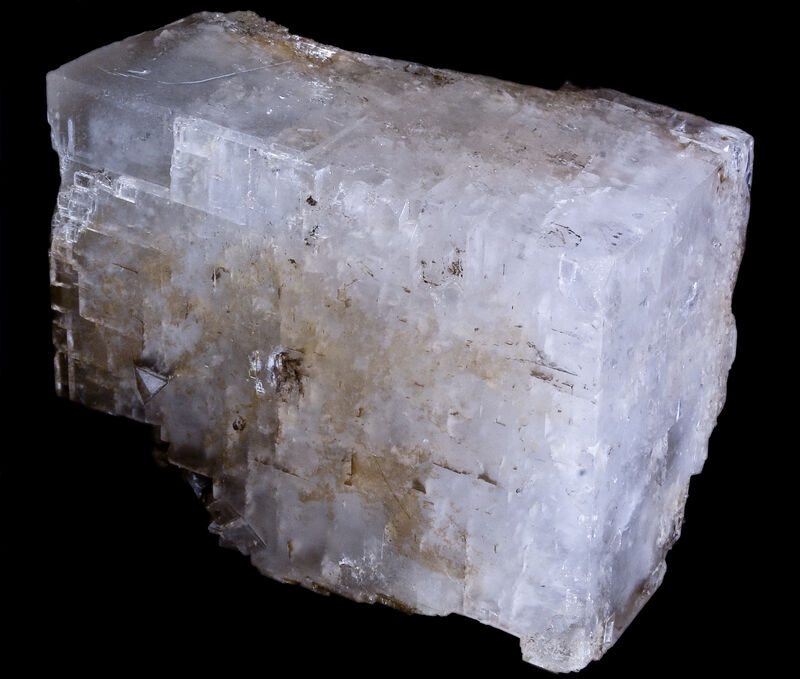
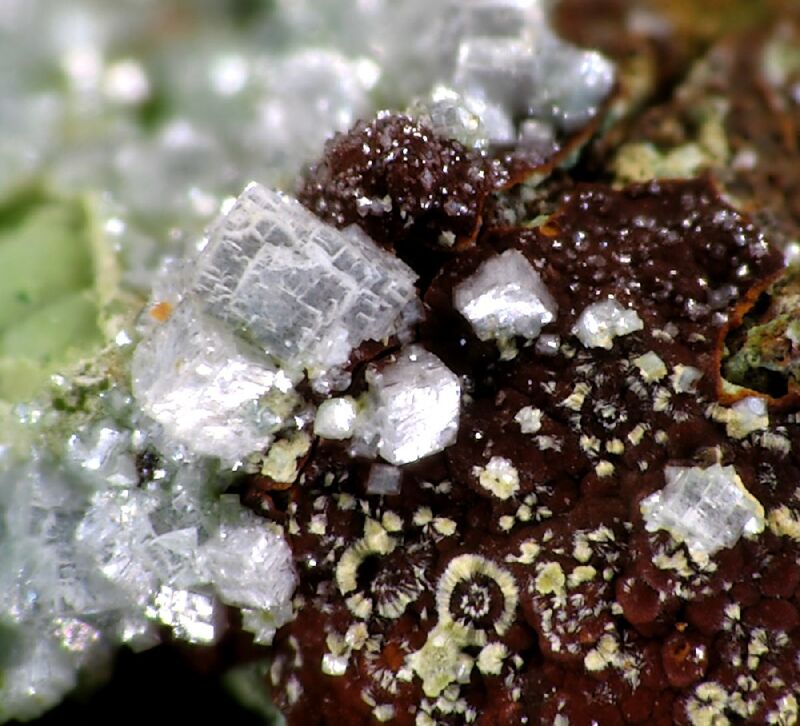
 AlstoniteBaCa(CO3)2Mineral—
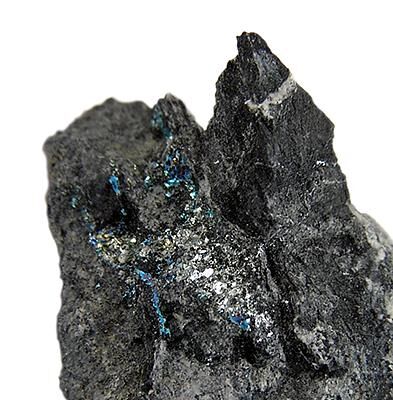 AltaitePbTeMineral—
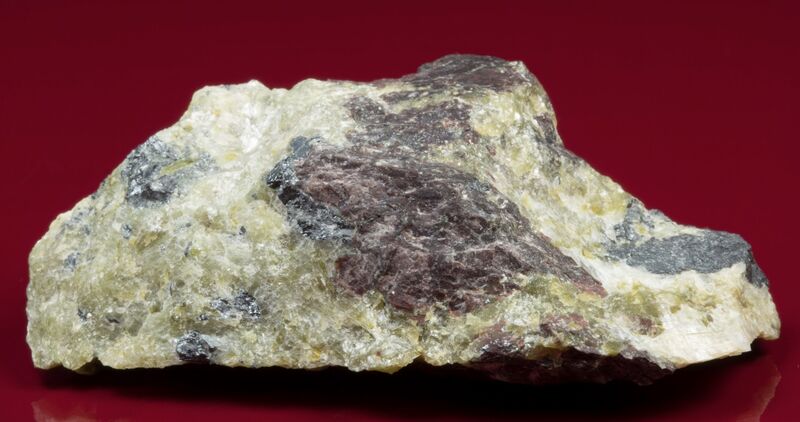 AlthausiteMg4(PO4)2(OH,O)(F,◻)Mineral—
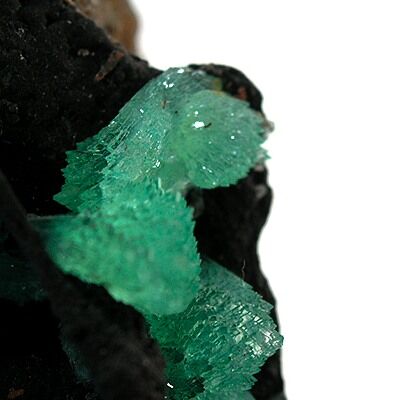 AnapaiteCa2Fe2+(PO4)2 · 4H2OMineral—
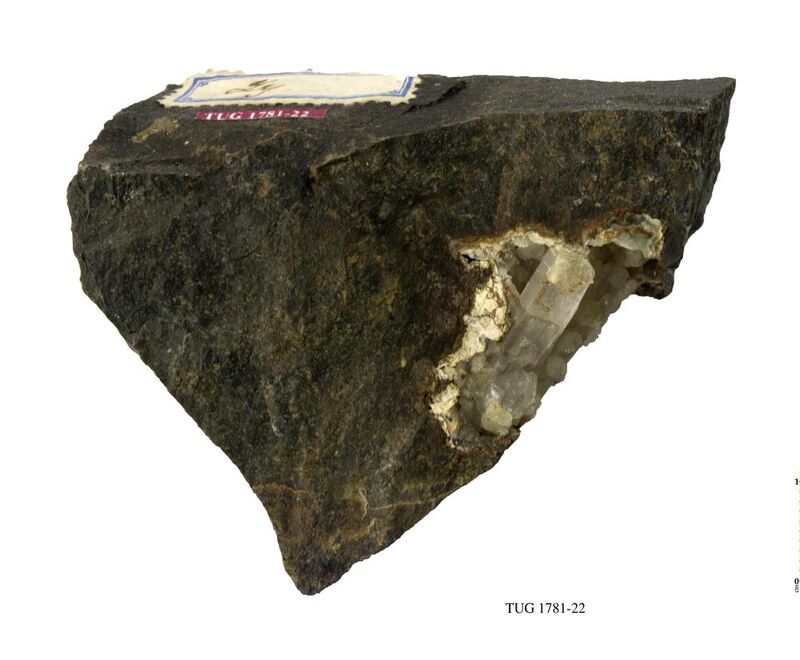 AragoniteCa(CO3)Mineral—
- Argentotennantite-(Zn)Ag6(Cu4Zn2)As4S13Mineral—
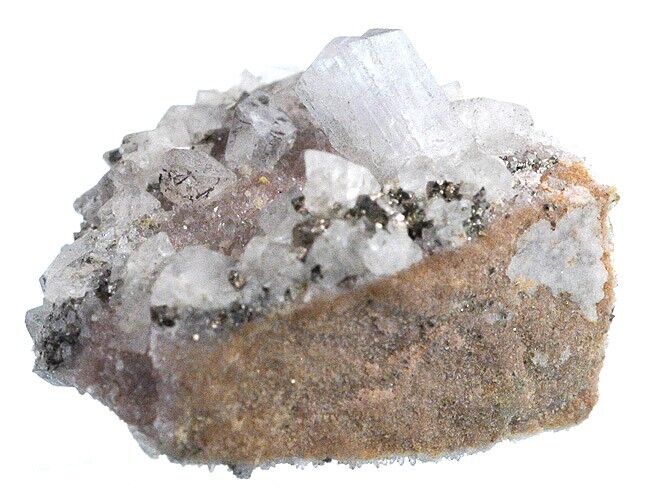 AugeliteAl2(PO4)(OH)3Mineral—
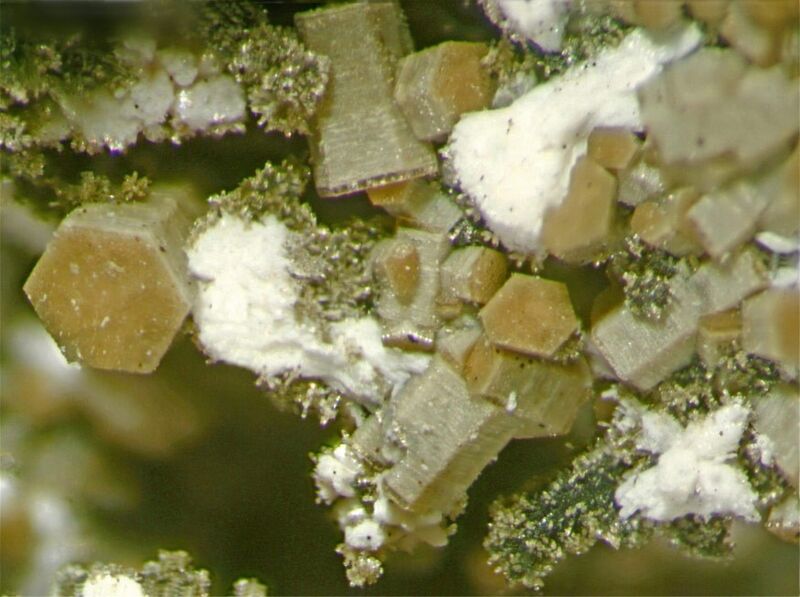 Berthierine(Fe2+,Fe3+,Al)3(Si,Al)2O5(OH)4Mineral—
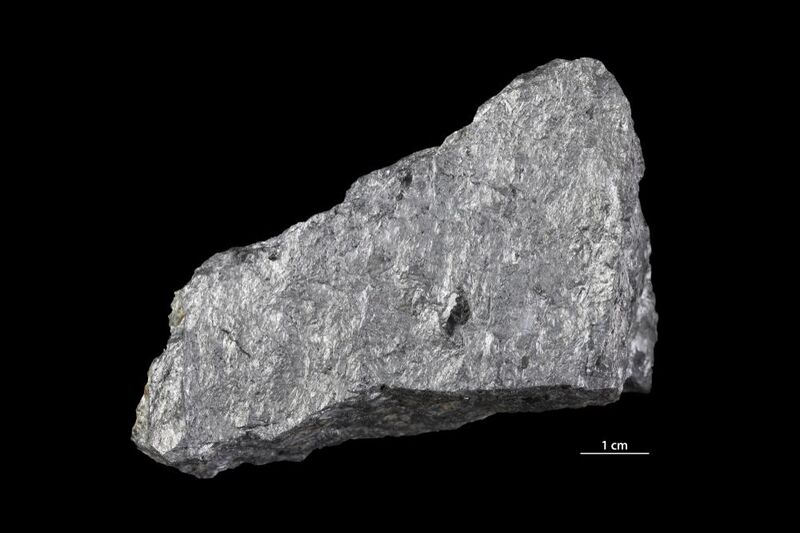 BoulangeritePb5Sb4S11Mineral—
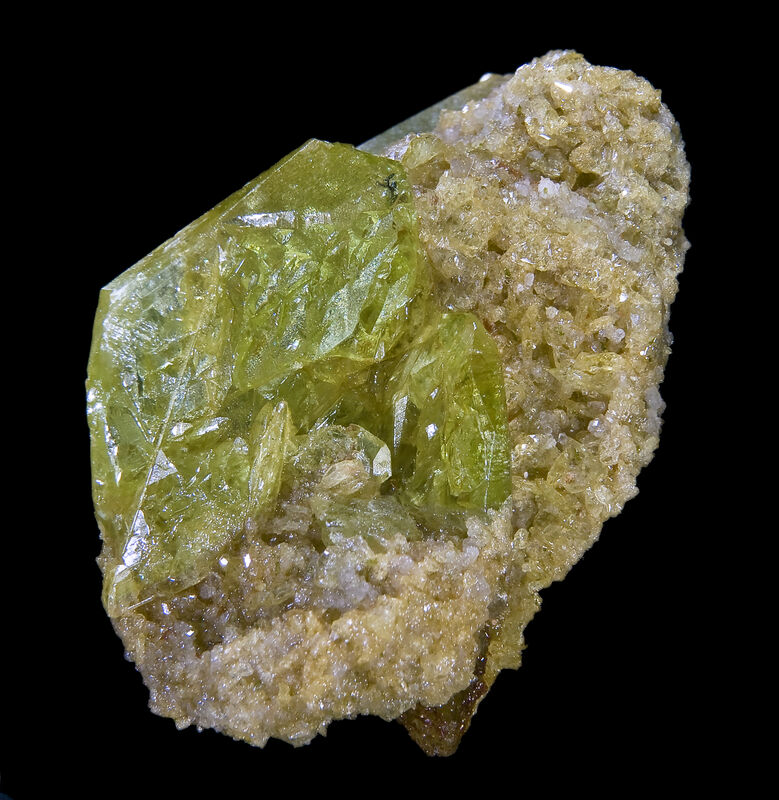 BrazilianiteNaAl3(PO4)2(OH)4Mineral—
Literature, links & citation
- 1565Gesner, C. (1565) De omni rerum fossilium genere, gemmis, lapidibus, metallis, etc. Tiguri (as Stahelreich Eisen).
- 1747Wallerius, J.G (1747) Mineralogia, eller Mineralriket. Stockholm (as Spatformig Jernmalm).
- 1758Cronstedt, Axel Fredrik (1758) Försök till en Mineralogie eller Mineral Rikets Upställning. J. A. Carlbohm, Stockholm.
- 1783Lisle, Jean-Baptiste-Louis Romé de, Romé de L'Isle, Jean-Baptiste Louis de (1783) Cristallographie, ou Description des formes propres à tous les corps du règne minéral dans l'état de combinaison saline, pierreuse ou métallique [Crystallography, or Description of the forms specific to all bodies of the mineral kingdom in the state of saline, stony or metallic combination] (2nd ed.). L'Imprimerie de Monsieur.
- 1812Wollaston (1812) Phil. Trans.: 159.
Entry last updated
@misc{mineral2026,
  author    = {Mineral Index editorial board},
  title     = {Siderite — Mineral Index},
  year      = {2026},
  url       = {https://mineralindex.org/minerals/siderite-3647}
}