History
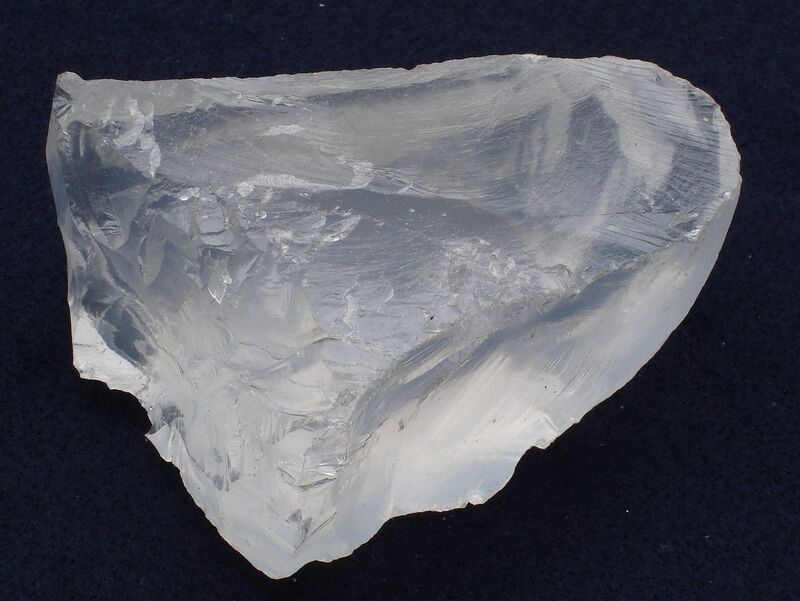
Heat a crystal of spodumene in a flame and it crumbles to a dull grey powder. That quirk gave the mineral its name. It comes from the Greek spodumenos — "burnt to ashes" — for the ash-grey mass left behind, and for the drab grey colour of the common, gem-free material.
The mineral was first described in 1800, from an occurrence on the island of Utö in Södermanland, Sweden. The naturalist who identified it was José Bonifácio de Andrada e Silva, a Brazilian then working in Europe.
For most of the next century spodumene was a mineralogist's curiosity rather than a household name. Then it began turning up in spectacular sizes. Single crystals measuring 14.3 metres — about 47 feet — were reported from the Black Hills of South Dakota, among the largest crystals of any mineral ever found.
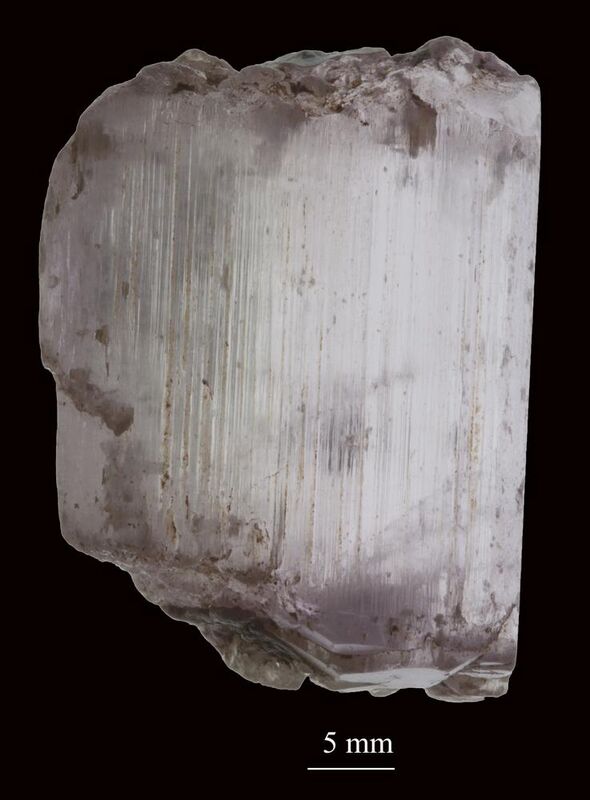
The 20th century brought two gem varieties out of the grey. The first, a pink-to-lilac stone coloured by traces of manganese, was identified in 1902. It was named kunzite, after George Frederick Kunz — the chief jeweller of Tiffany & Co. and a noted mineralogist. The colour is fragile: kunzite left in sunlight slowly fades.
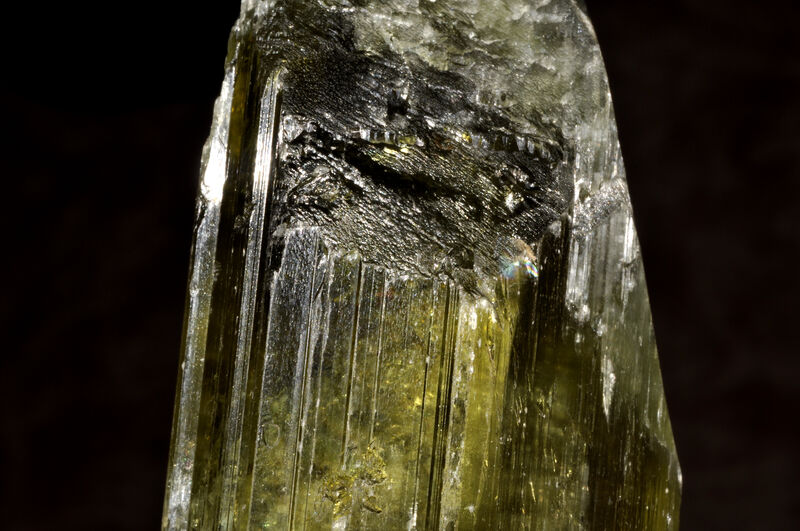
The second variety is a pale emerald-green stone, coloured by chromium in the same way emeralds are. First reported from Alexander County, North Carolina, it was named hiddenite, after William Earl Hidden — a mining engineer, mineral collector, and dealer who lived from 1853 to 1918.
Industrial & practical applications
Open the battery of an electric car and you are, at one remove, holding spodumene. The mineral is the leading hard-rock ore of lithium — the metal at the heart of the rechargeable lithium-ion battery that powers phones, laptops, and cars. Australia alone mines roughly 400 kilotons of spodumene a year, about 47 percent of the world's supply.
Getting the lithium out takes heat and acid. Raw spodumene is roasted above 800 °C, which rearranges its tight crystal structure into a looser, more reactive form called β-spodumene. That converted ore is then leached with acid, the impurities stripped out, and the lithium concentrated and turned into two industrial salts: lithium carbonate and lithium hydroxide. Lithium hydroxide is the feedstock battery makers use to build the cathode — the positive electrode — of lithium-ion cells. Batteries now absorb the bulk of the lithium spodumene yields.
Lithium from spodumene also feeds older, quieter markets. Added to glass and ceramics, it lowers the melting point and acts as a flux, and it is the key ingredient of glass-ceramics such as Pyroceram, the heat-resistant material in cookware and stovetops.
The clearest spodumene crystals are cut as gemstones. The pink-lilac variety, kunzite, and the green variety, hiddenite, are both faceted for jewellery.
Where it forms, where it's found
- Geological setting
Lithium rich pegmatites.
- Type locality
- Utö Mines
- Utö
- Haninge
- Stockholm County
- Sweden
58.9661°, 18.3297°
Varieties
Physical
- Hardness
- 1Talc
- 2Gypsum
- 3Calcite
- 4Fluorite
- 5Apatite
- 6Orthoclase
- 7Quartz
- 8Topaz
- 9Corundum
- 10Diamond
- Lustre
- Vitreous
- Transparency
- Transparent · Translucent
- Colour
- Colourless · yellow · light green · emerald-green · pink to violet · purple · white · gray
There is a significant impact of trace elements Fe and Mn, including their content and valence state mixture, on the color and luminescent properties of spodumene. By combining EPMA data, UV-Vis spectroscopy, and PL spectroscopy, the coloration and luminescence mechanisms of pink to violet spodumene are primarily influenced by the Mn element. In the UV-Vis spectrum, the pink to violet spodumene samples exhibit a distinct Mn3+ electronic transition absorption peak at 540 nm, which is the primary cause of its coloration. Its fluorescence characteristics are primarily dominated by the characteristic luminescence of Mn2+. For the yellow-green and colorless spodumene samples, their coloration and luminescence mechanisms result from the combined influence of Fe and Mn elements. Specifically, the yellow-green spodumene shows a distinct absorption peak at 433 nm in the UV-Vis spectrum, corresponding to the d-d transition of Fe3+. Additionally, weak absorption peaks at 507 nm and 580 nm are related to Fe2+ transitions. A weak absorption peak at 433 nm is also visible in the UV-Vis spectrum of colorless spodumene, but it does not result in a significant color change. The fluorescence characteristics of both samples are similarly dominated by the influence of Mn2+. Although Mn2+ ions are present in samples of different colors, they are not the primary coloring elements; they mainly contribute to the fluorescence of spodumene. [[1]]
- Streak
- White
- Tenacity
- brittle
- Cleavage
- Perfect
(110), (110) ^ (1_10) ~87
- Fracture
- Irregular/Uneven · Sub-Conchoidal
- Density
- 3.1 g/cm³
Optical
- Optical type
- Biaxial (+) · 2V measured = 54 – 69° · 2V calc = 88°
- Refractive index
- 1.648 – 1.679
- Surface relief
- High
- Principal indices
- nα 1.648 – 1.661 · nβ 1.655 – 1.67 · nγ 1.662 – 1.679
- Pleochroism
- Visible
X = purple to green; Z = colorless.
- Dispersion
- weak
- UV response
- Yellow, orange, or pink fluorescence under LW and SW UV.
Crystallography
- Space group
- C2/c
- Cell parameters
- a = 9.46 Å · b = 8.39 Å · c = 5.22 Å
- Cell angles
- β = 110.17 °
- Ratio a:b:c
- 1 : 0.887 : 0.552
- Z
- 4
- Twinning
On (110), uncommon (Afghanistan).
- Parting
- (100), (010)
Chemical composition
- Impurities
- Fe
- Mn
- Mg
- Ca
- Na
- K
- H2O
Synonyms
- Alpha-Spodumene
- Triphane
In other languages
- French
- Spodumène
- German
- Spodumen
- Spanish
- espodumena
- Italian
- Spodumene
- Portuguese
- espodumena
- Japanese
- スポジューメン · リシア輝石 · 黝輝石
- Chinese
- 锂辉石
- Russian
- сподумен
- Arabic
- إسبودومين · الإسبودومين · سبودومين
Classification
9.DA.30
- 9SilicatesClass
- 9.DInosilicatesDivision
- 9.DAInosilicates with 2-periodic single chains, Si2O6; pyroxene familyGroup
- 9.DA.30SpodumeneSpecies
65.01.04.01
- 65Inosilicates Single-width, Unbranched Chains, (w=1)Class
- 65.01Single-Width Unbranched Chains, W=1 with chains P=2Type
- 65.01.04Li pyroxenesGroup
- 65.01.04.01SpodumeneSpecies
16.1.2
- 16Silicates Containing Aluminum and other MetalsClass
- 16.1Aluminosilicates of LiGroup
- 16.1.2SpodumeneSpecies
Group, growth & confusion
 AegirineNaFe3+Si2O6Mineral—
 Aegirine-augite(Ca,Na)(Fe3+,Mg,Fe2+)Si2O6Mineral—
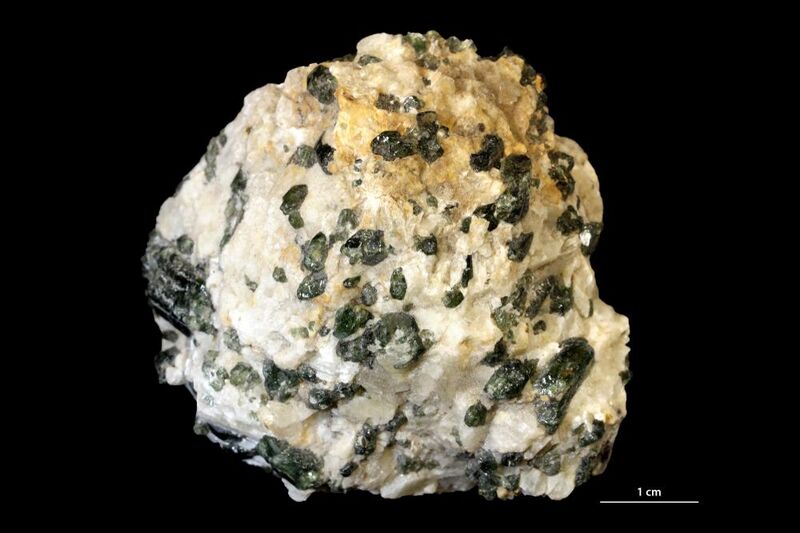 Augite(Ca,Mg,Fe)2Si2O6Mineral—
- BurnettiteCaVAlSiO6Mineral—
- ClinoenstatiteMg2Si2O6Mineral—
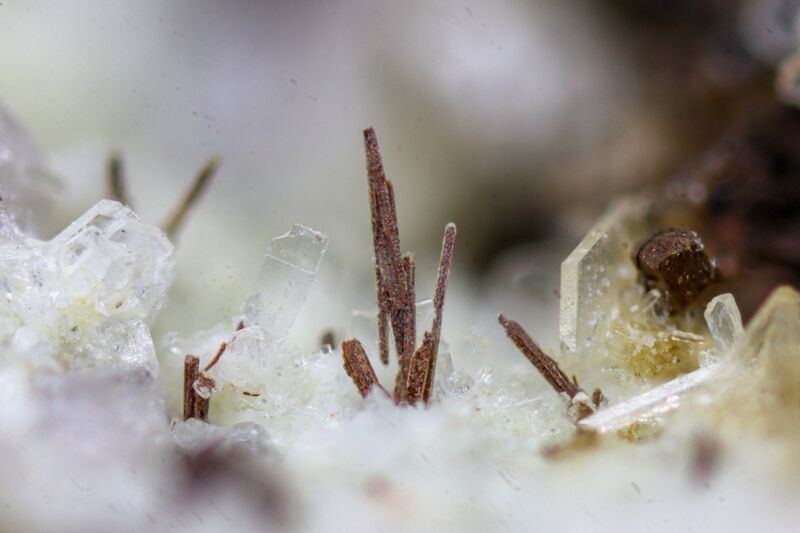 ClinoferrosiliteFe2+2Si2O6Mineral—
- ColomeraiteNaTi3+Si2O6Mineral—
- DavisiteCaScAlSiO6Mineral—
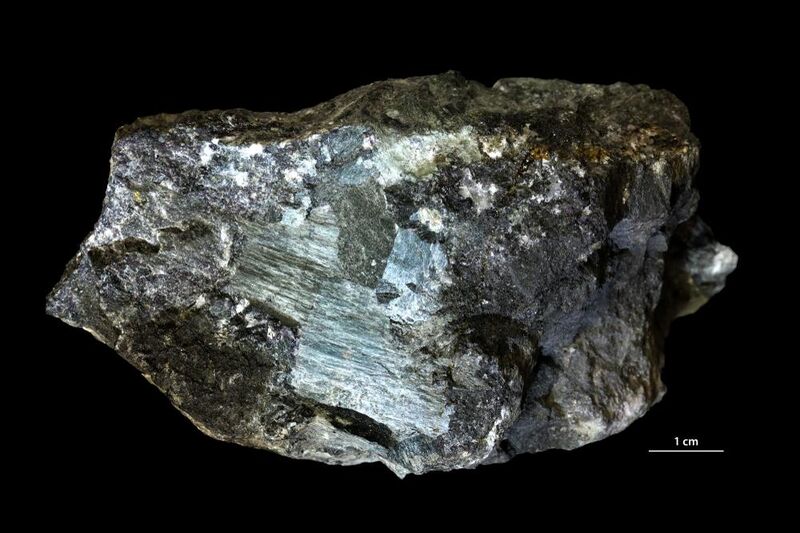 DiopsideCaMgSi2O6Mineral—
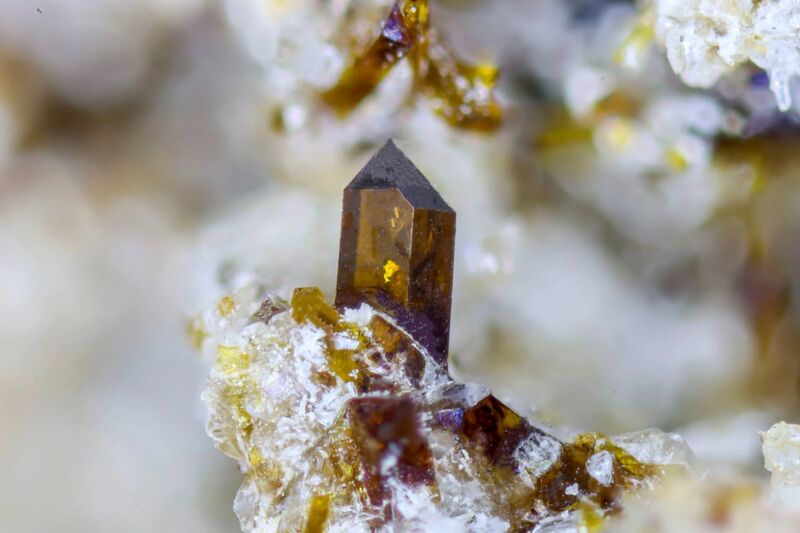 EsseneiteCaFe3+AlSiO6Mineral—
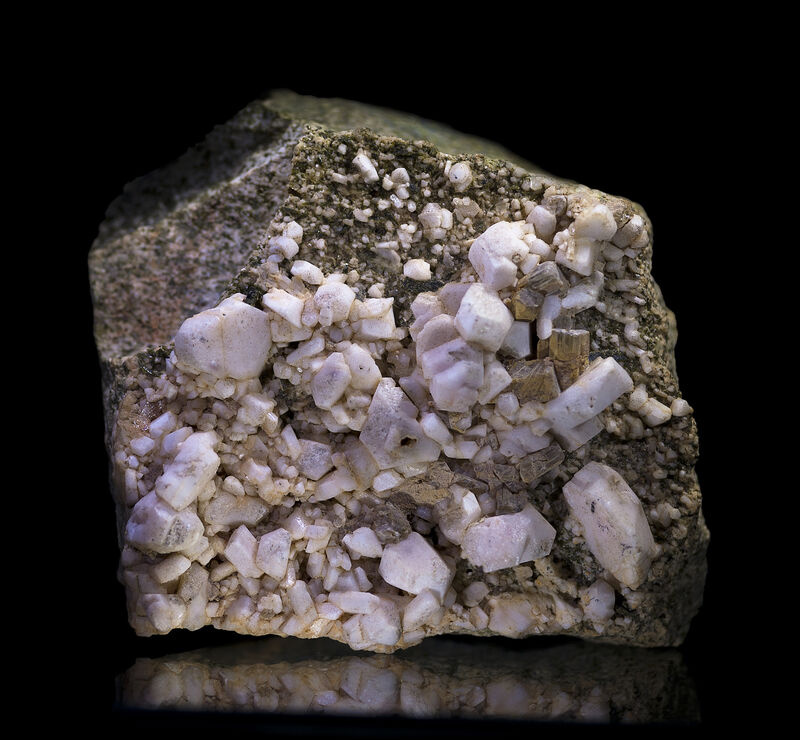 AlbiteNa(AlSi3O8)Mineral—
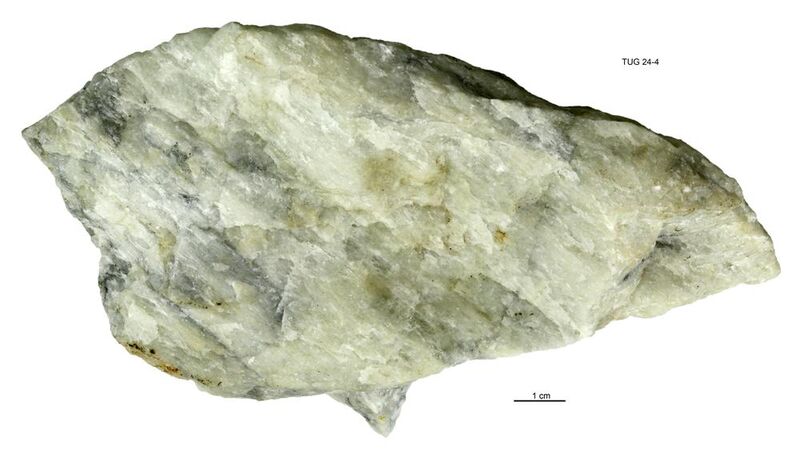 AmblygoniteLiAl(PO4)FMineral—
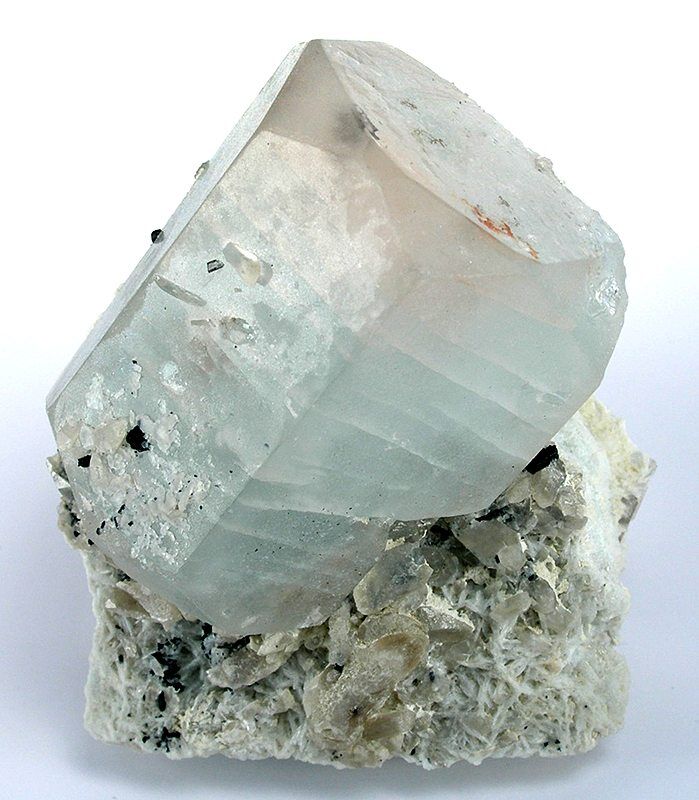 BerylBe3Al2Si6O18Mineral—
- CheraliteCaTh(PO4)2Mineral—
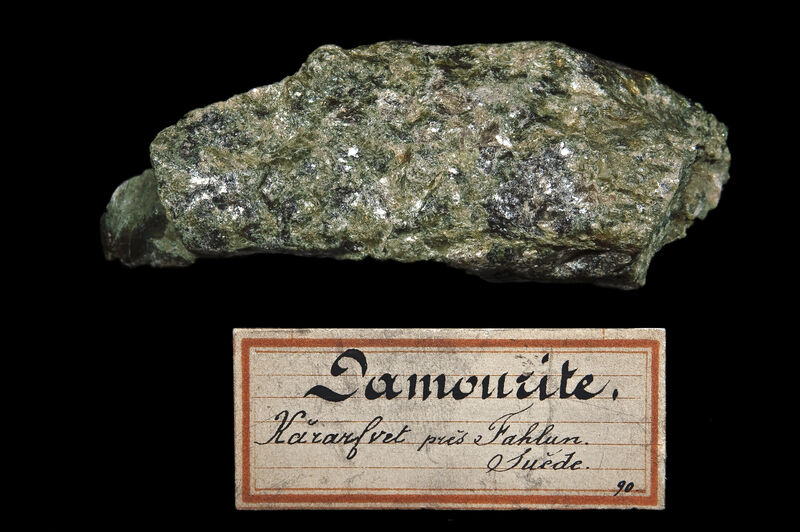 DamouriteKAl2(AlSi3O10)(OH)2Variety—
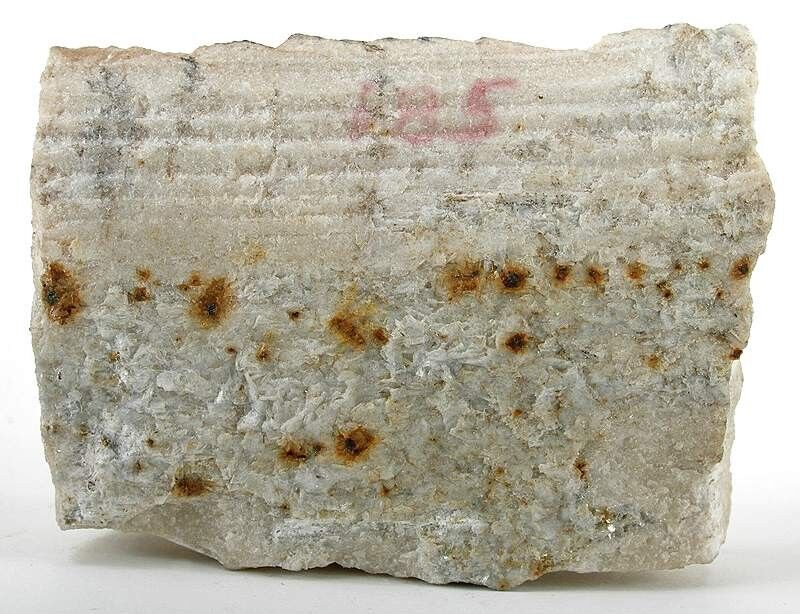 EucryptiteLiAlSiO4Mineral—
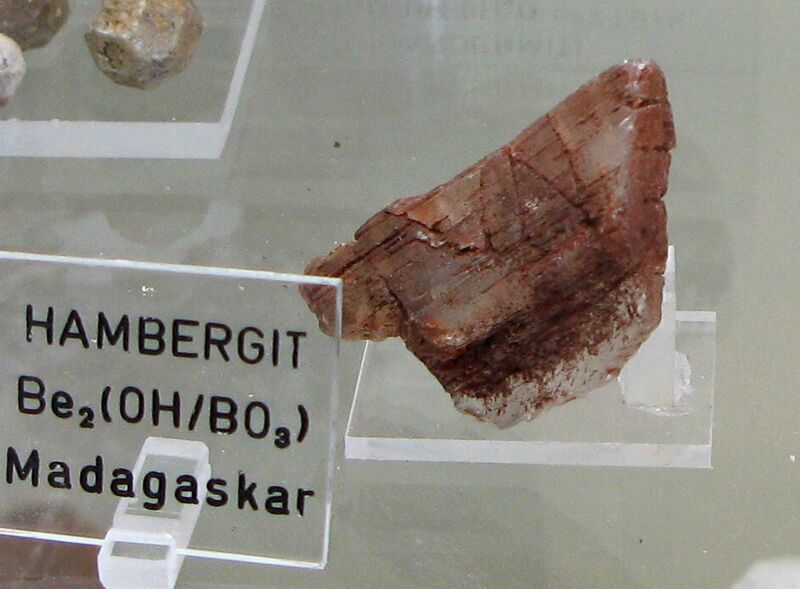 HambergiteBe2(BO3)(OH)Mineral—
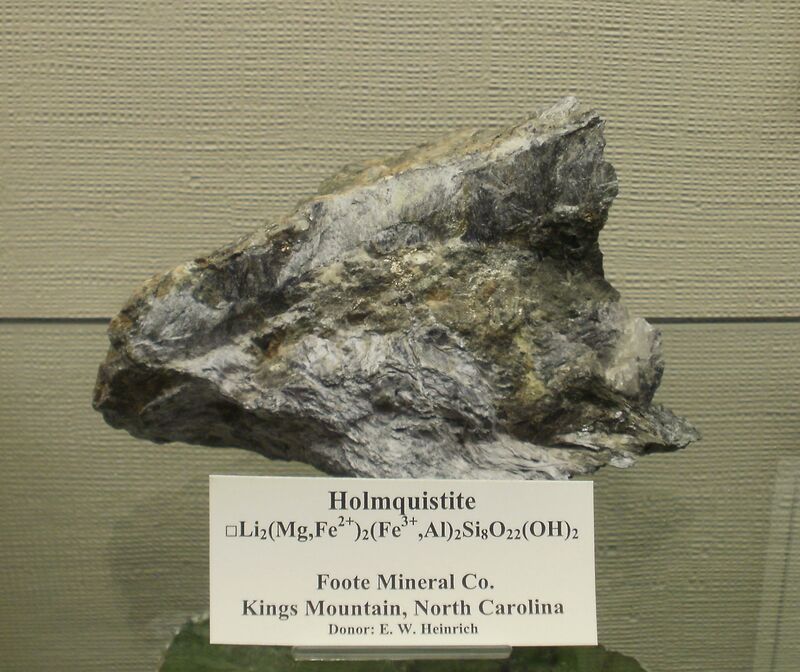 Holmquistite◻Li2(Mg3Al2)Si8O22(OH)2Mineral—
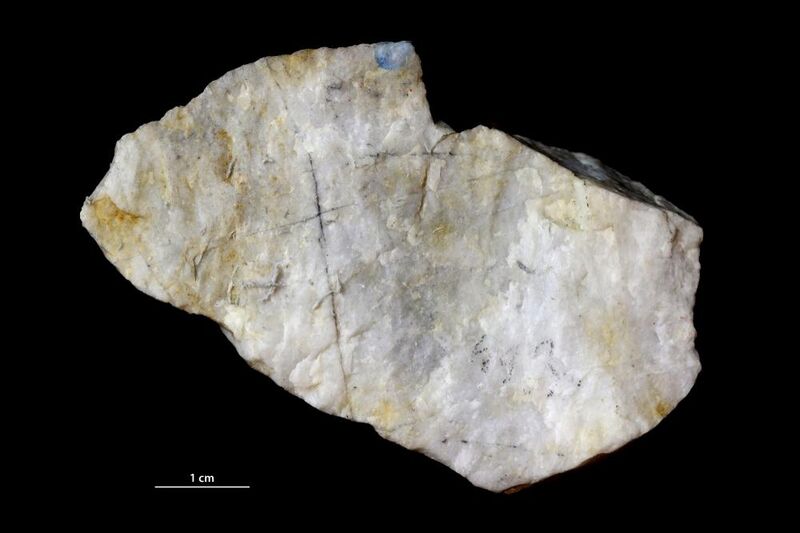 MontebrasiteLiAl(PO4)(OH)Mineral—
 PetaliteLiAlSi4O10Mineral—
Literature, links & citation
- 1800d' Andrada [e Silva], [José Bonifácio] (1800) Kurze Angabe der Eigenschaften und Kennzeichen einiger neuen Fossilien aus Schweden und Norwegen : nebst einigen chemischen Bemerkungen über dieselben [A brief description of the properties and characteristics of some new fossils from Sweden and Norway : together with some chemical remarks on the same]. Allgemeines Journal der Chemie, S. 1 Vol. 4 (19). 28-39
- 1801d’Andrada, J.B. (1801) Description of some new fossils. A Journal of Natural Philosophy, Chemistry, and the Arts, 5. 193-196; 211-213
- 1850Brush, G.J. (1850). On American Spodumene. American Journal of Science and Arts, 10(30), 370.
- 1852Hermann, R. (1852). Untersuchungen über die Spodumene und Petalite. Journal für Praktische Chemie, 57(1), 276-292.
- 1880Brush, G.J., Dana, E.S. (1880). On the mineral locality at Branchville, Connecticut; spodumene and the results of its alteration. American Journal of Science, 3(118), 257-285.
Entry last updated
@misc{mineral2026,
  author    = {Mineral Index editorial board},
  title     = {Spodumene — Mineral Index},
  year      = {2026},
  url       = {https://mineralindex.org/minerals/spodumene-3733}
}