History
The name muscovite is a memory of a Russian trade. Before glass became cheap, sheets of this mineral did the work of windows — clear, tough, splittable into panes by the thumb.
Mica in the general sense was known to ancient Indian, Egyptian, Greek, Roman, and Chinese civilisations, and to the Aztecs. Several pre-modern names for what would become muscovite circulated through European texts in the seventeenth century and before: Muscovy Glass, Cat Silver, and lapis specularis — stone mirror.
The English name came from a Tudor diplomat's mailbag. Sheets of the mineral were imported from the Russian province of Muscovy, where they served as a cheaper substitute for window glass. The English term Muscovy-glass first appears in letters from 1568 written by George Turberville, secretary to England's ambassador at the court of Tsar Ivan the Terrible.
By the early eighteenth century, English mineralogy had begun catching the mineral under three further names. Mica and glimmer both surface in Phillips and Kersey's 1706 dictionary; isinglass follows in 1747, on the record of the Oxford English Dictionary. Isinglass arrived by an odd transfer — the word had previously meant a gelatinous bladder taken from sturgeon, and only later was applied to thin transparent mineral sheets that looked similar.
The standalone name muscovite entered scientific use in 1794, when the mineralogist Johann Gottfried Schmeisser used it in his System of Mineralogy. The form was derived directly from Muscovy glass, the older trade name that was still in common use at the time.
Industrial & practical applications
Muscovite reaches industry in two very different forms. Large transparent sheets, split by hand from a single crystal, supply the electrical and high-temperature trades. Ground powder, milled from smaller fragments, goes into paints, plastics, drywall, and cosmetics.
Sheet mica
Muscovite is the principal mica used by the electrical industry. Its thin sheets work as a dielectric — the insulating layer that separates charged plates — in capacitors built for high-frequency and radio-frequency use. Only the highest-quality grade, known in the trade as India ruby mica or ruby muscovite mica, is selected for this role.
Cleavability and heat tolerance suit the same sheets to other duties. They line the gauge glasses of high-pressure steam boilers, where flexibility, transparency, and resistance to heat together matter. They substitute for glass in industrial furnace and oven windows, and in the small peepholes of stoves and lanterns where ordinary glass would crack.
Ground mica
Ground muscovite is consumed in much larger volume than sheet, but for less glamorous ends. The single biggest outlet, in the United States, is the joint compound used to fill and finish seams in gypsum wallboard — drywall. In 2008, joint compound accounted for 54 percent of all dry-ground mica consumption.
Paint is the second outlet. Ground mica serves as a pigment extender — a low-cost filler that bulks out the pigment without dulling its colour — and took 22 percent of dry-ground supply in 2008. A second stream, wet-ground mica, is reserved for the pearlescent paints used by the automotive industry.
The cosmetic industry draws on the same reflective and refractive properties, putting mica into blushes, eye shadow, eye liner, lipstick, mascara, and body glitter.
Drilling, plastics, and rubber take the rest. Well-drilling muds — the dense fluids pumped down a borehole to lift rock cuttings out — used 15 percent of dry-ground mica in 2008. The plastics industry adds it as an extender and filler, especially in automotive parts. The rubber industry uses it as an inert filler and as a mould-release compound, including in tyre manufacture.
Most sheet mica today comes from India, with smaller quantities from Russia and Madagascar. Indian and Madagascan mica is also mined artisanally, in poor working conditions and with the help of child labour.
Where it forms, where it's found
- Geological setting
Muscovite is common in many different rock types as a primary mineral.
Varieties
- AlurgiteK(Al,Mn3+)2(AlSi3O10)(OH)2Variety—
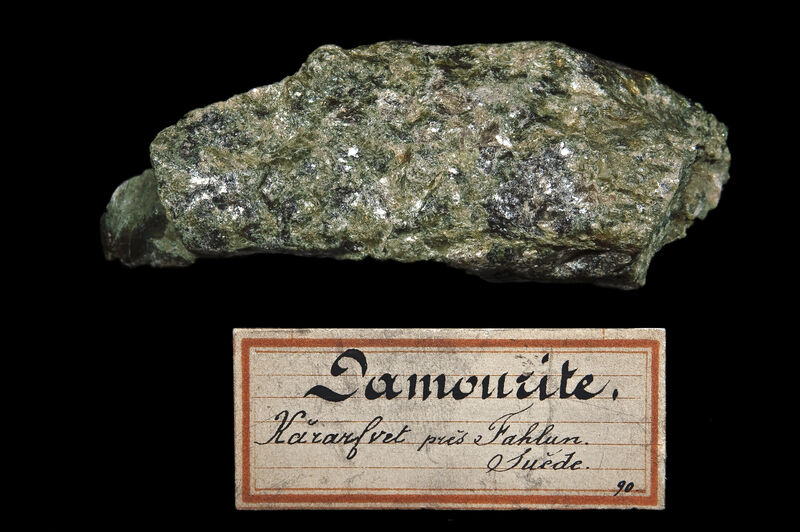 DamouriteKAl2(AlSi3O10)(OH)2Variety—
- FerrimuscoviteK(Al,Fe3+)2(AlSi3O10)(OH)2Variety—
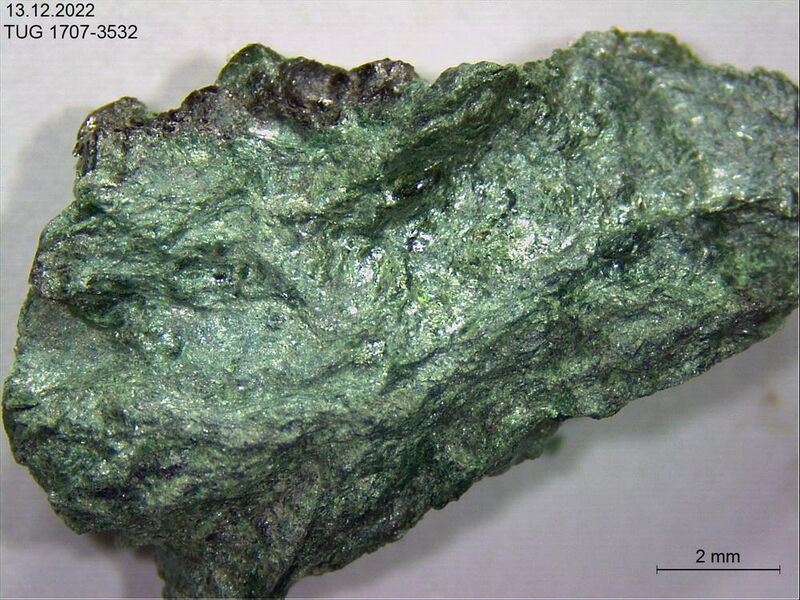
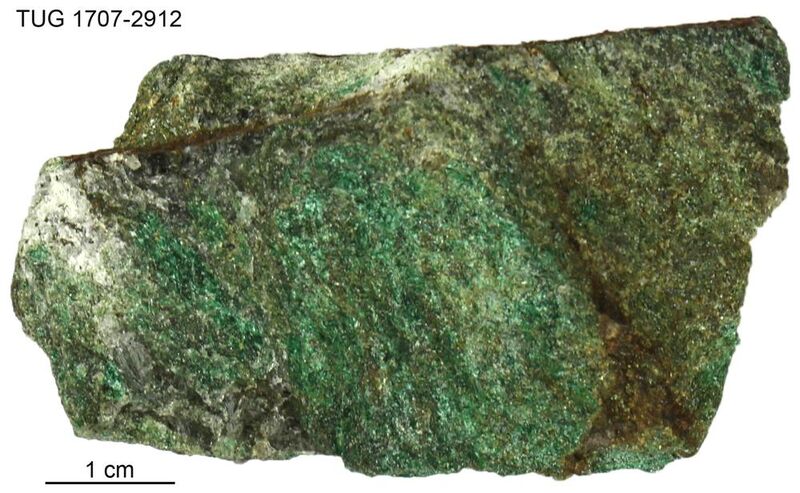 FuchsiteK(Al,Cr)3Si3O10(OH)2Variety—
- GieseckiteKAl2(AlSi3O10)(OH)2Variety—
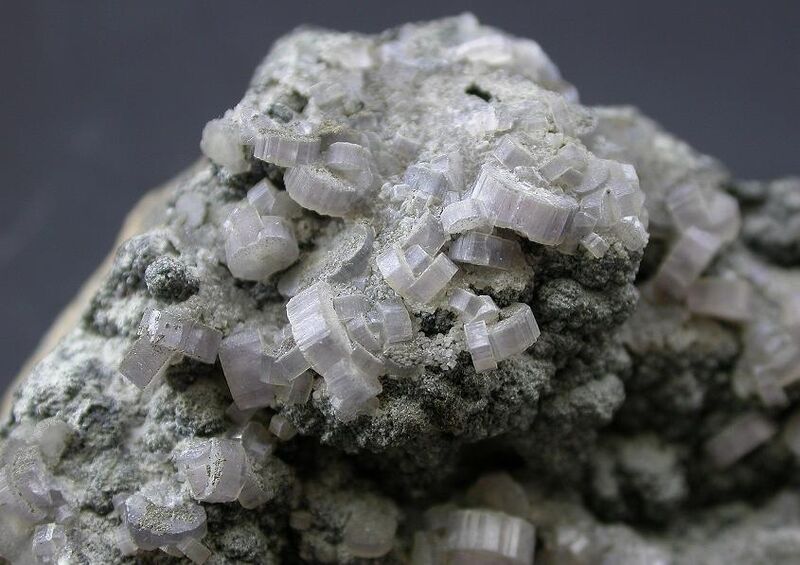 GilbertiteKAl2(AlSi3O10)(OH)2Variety—
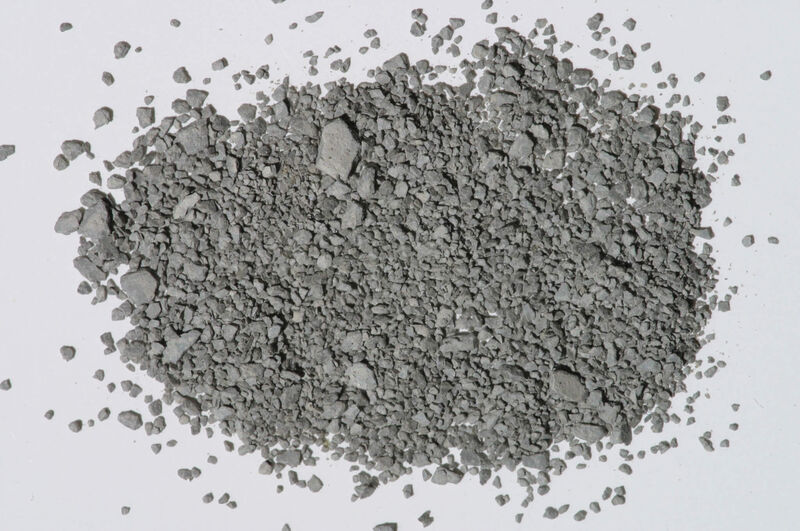 IlliteK0.65Al2.0[Al0.65Si3.35O10](OH)2Variety—
 Lithian MuscoviteKAl2(AlSi3O10)(OH)2Variety—
- OellacheriteKAl2(AlSi3O10)(OH)2Variety—
- Rubidium-bearing Muscovite(K,Rb)Al2(AlSi3O10)(OH)2Variety—
Physical
Optical
- Optical type
- Biaxial (-) · 2V measured = 30 – 47° · 2V calc = 38 – 42°
- Refractive index
- 1.552 – 1.618
- Surface relief
- Moderate
- Principal indices
- nα 1.552 – 1.576 · nβ 1.582 – 1.615 · nγ 1.587 – 1.618
- Pleochroism
- Weak
Weak when colored
- Dispersion
- r > v weak
- Extinction
- Z = b; X ∧ c = 0°-5°; Y ∧ a = 1°-3°.
- Notes
Absorption: Faint, Y ≃ Z > X.
Crystallography
- Space group
- #10
- Cell parameters
- a = 5.199 Å · b = 9.027 Å · c = 20.106 Å
- Cell angles
- β = 95.78 °
- Ratio a:b:c
- 1 : 1.736 : 3.867
- Z
- 4
- Morphology
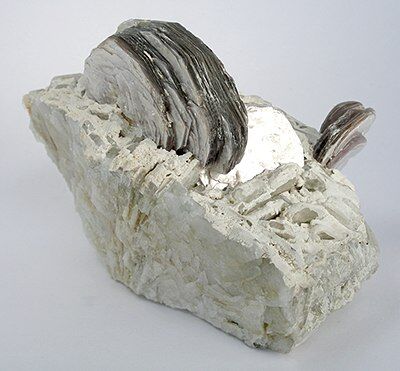
Crystals uncommon, tabular (001) with rhombic to hexagonal outlines, often bound by (221), (11) and (010) (hkl refer to <f>-2M^1</f> polytype). Less common as prismatic, parallel to [001], with a crude hexagonal cross section. Most typically found as "books" and as flaky grains in various rocks. Sometimes in plumose or fibrous aggregates.
- Twinning
Mica law twins common [310] forming six pointed stars, less common with the composition plane perpendicular to (001) (hkl refer to <f>-2M^1</f> polytype).
- Parting
- On (110) and (010).
- Comment
Several monoclinic and triclinic polytypes are known. Cell data given for the <f>-2M^1</f> polytype (space group C2/c).
Chemical composition
- Impurities
- Cr
- Li
- Fe
- V
- Mn
- Na
- Cs
- Rb
- Ca
- Mg
- H2O
Synonyms
- Ammochrysos
- Amphilogite
- Antonit
- Antonita
- Antonite
- Argent des chats
- Astrolit
- Astrolita
- Didymite
- Kaliglimmer
- Katzensilber
- Muscovy Glass
- Muscowit
- Muscowitow
- Oncosine
In other languages
- French
- Alurgite · Ammochryse · Ammochrysos · Amphilogite · Antonite · Argent de chat · Argent des chats · Didymite · Mica argentin · Muscovite · Oncosine · Polychroïlite · Verre de Moscou
- German
- Hellglimmer · Katzensilber · Mariposit · Muskovit · Serizit · Tonerdeglimmer
- Spanish
- alurgita · mica blanca · moscovita
- Italian
- Moscovite · Muscovite
- Portuguese
- moscovita · Moscovite · Muscovita
- Japanese
- 白雲母
- Chinese
- 白雲母
- Simplified Chinese
- 白云母
- Traditional Chinese
- 白雲母
- Russian
- мусковит · Слюда-мусковита
- Arabic
- مسكوفيت
Classification
9.EC.15
- 9SilicatesClass
- 9.EPhyllosilicatesDivision
- 9.ECPhyllosilicates with mica sheets, composed of tetrahedral and octahedral netsGroup
- 9.EC.15MuscoviteSpecies
71.02.2a.01
- 71Phyllosilicates Sheets of Six-membered RingsClass
- 71.02Sheets of 6-membered rings with 2:1 layersType
- 71.02.2a— unnamed intermediate level —Group
- 71.02.2a.01MuscoviteSpecies
16.3.8
- 16Silicates Containing Aluminum and other MetalsClass
- 16.3Aluminosilicates of KGroup
- 16.3.8MuscoviteSpecies
Group, growth & confusion
 Aeschynite-(Y)Y(TiNb)O6Mineral—
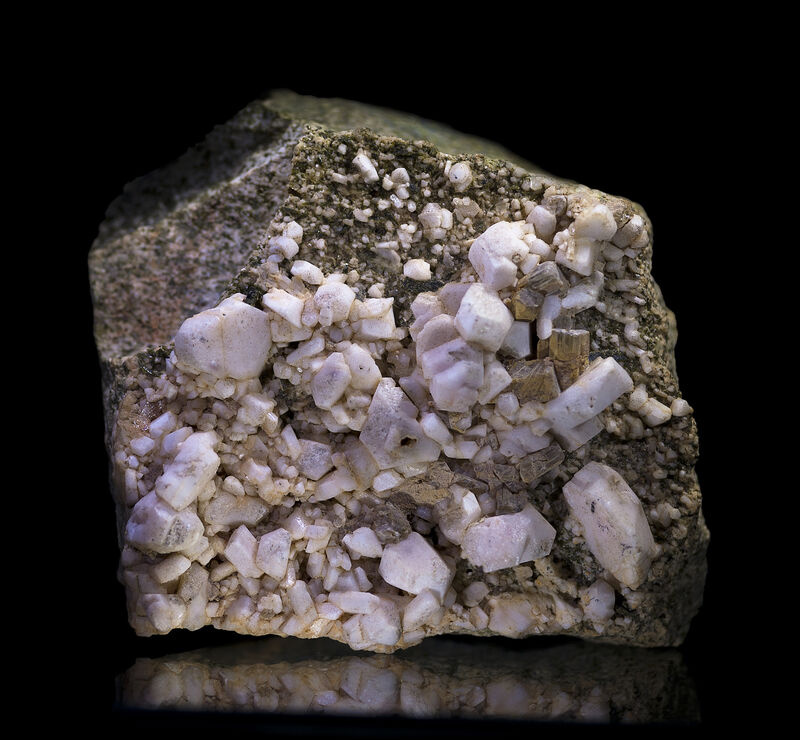 AlbiteNa(AlSi3O8)Mineral—
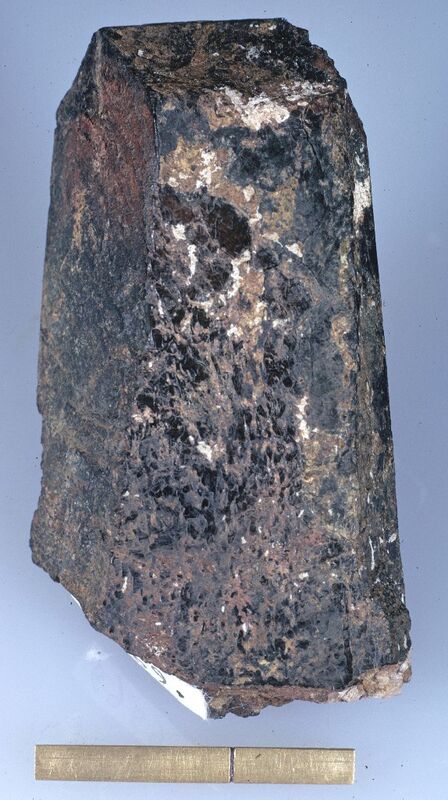 Allanite-(Ce)CaCe(Al2Fe2+)[Si2O7][SiO4]O(OH)Mineral—
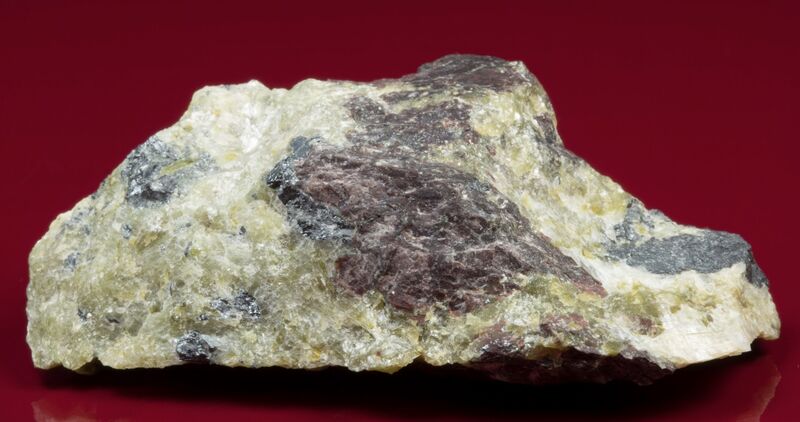 AlthausiteMg4(PO4)2(OH,O)(F,◻)Mineral—
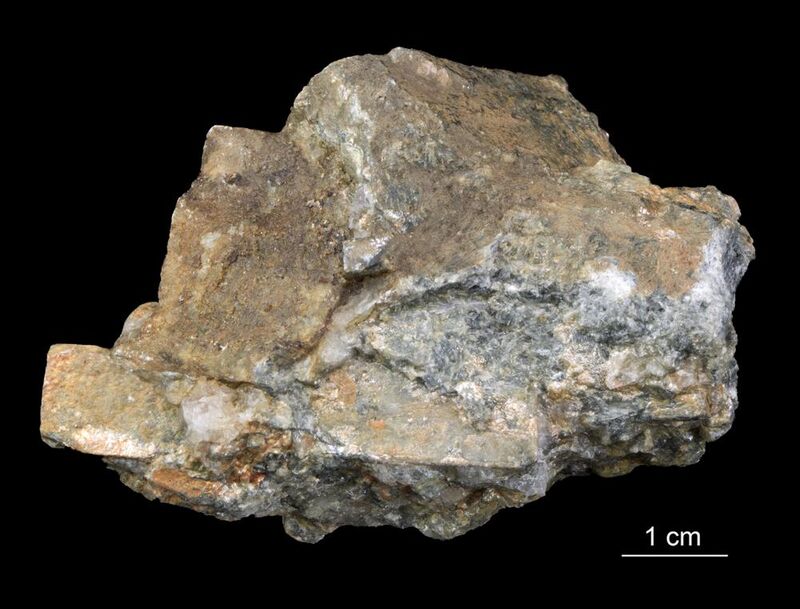 AndalusiteAl2SiO5Mineral—
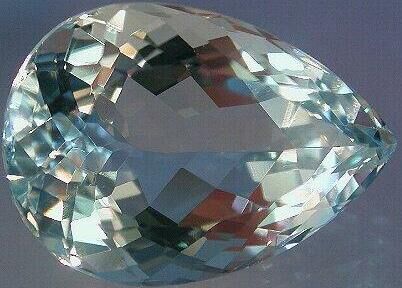 AquamarineVariety—
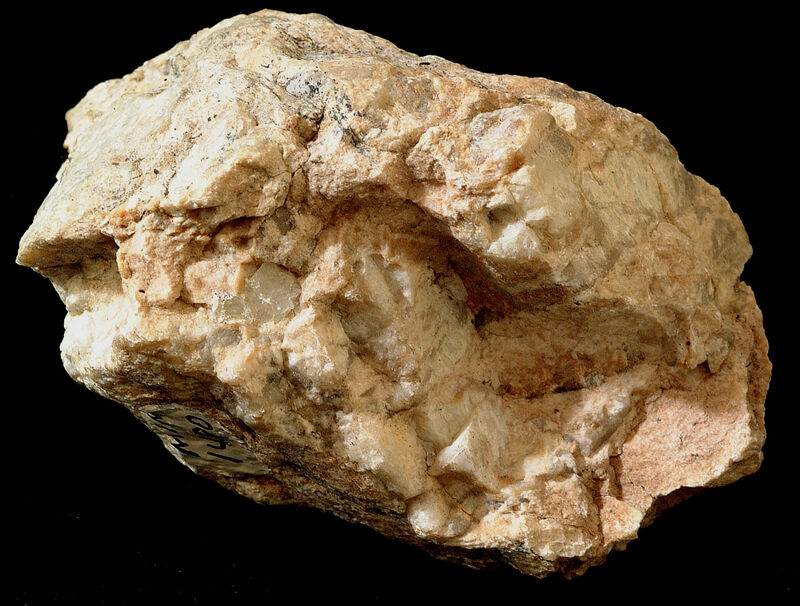 Beidellite(Na,Ca)0.3Al2(Si,Al)4O10(OH)2 · nH2OMineral—
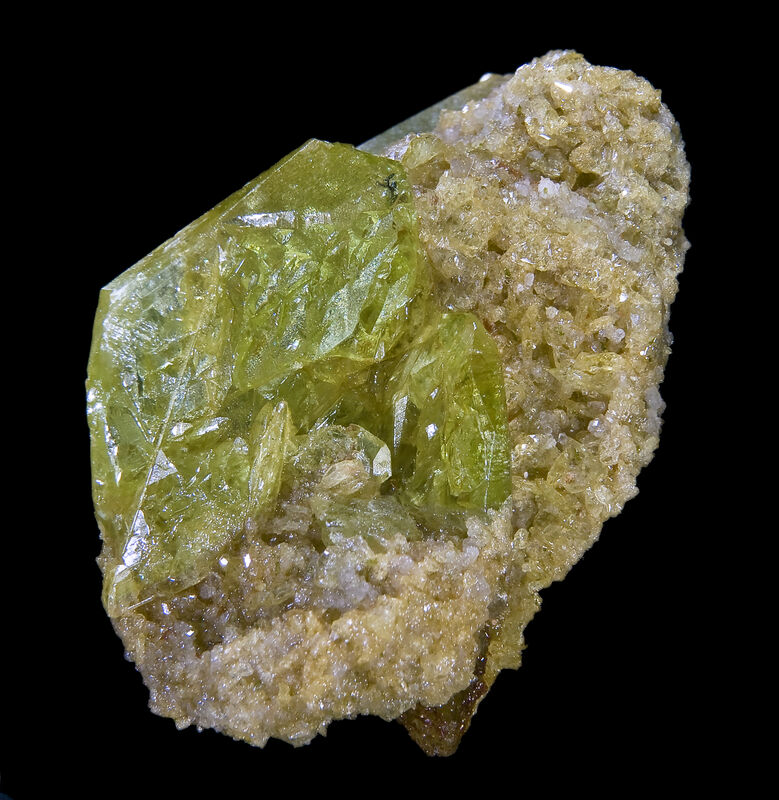 BrazilianiteNaAl3(PO4)2(OH)4Mineral—
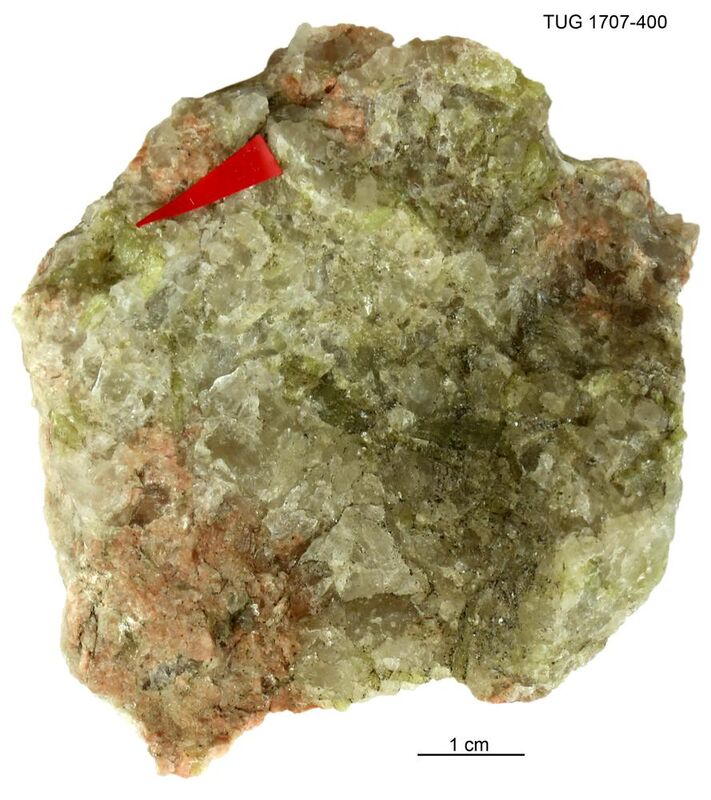 ChrysoberylBeAl2O4Mineral—
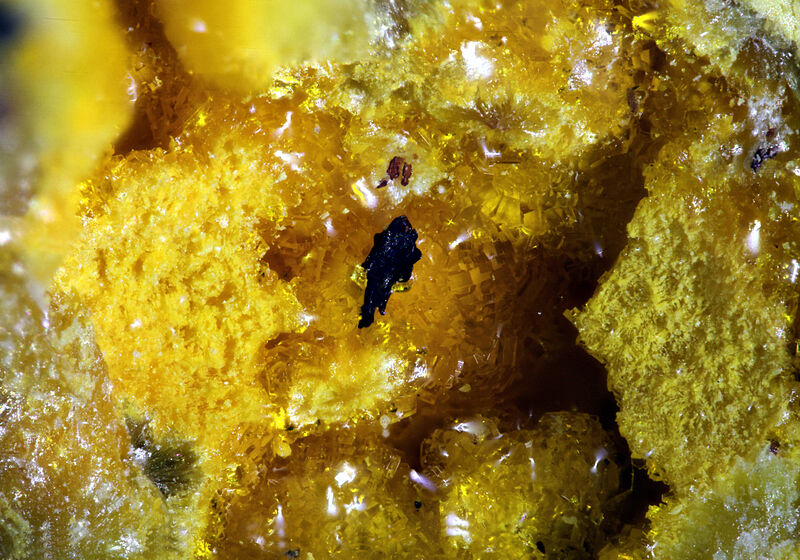 CompreignaciteK2(UO2)6O4(OH)6 · 7H2OMineral—
Literature, links & citation
- 1900Baumhauer, H. (1900) Ueber die Krystallformen des Muscovit. Zeitschrift für Kristallographie, 32 (1-6). 164-176 doi:10.1524/zkri.1900.32.1.164DOI: 10.1524/zkri.1900.32.1.164
- 1913Baumhauer, H. (1913) Über den Krystallbau der Lithionglimmer und die Verwachsung von Lepidolith und Muscovit. Zeitschrift für Krystallographie, 51 (1-6). 344-357 doi:10.1524/zkri.1913.51.1.344DOI: 10.1524/zkri.1913.51.1.344
- 1939Volk, Garth W. (1939) Optical and chemical studies of muscovite. American Mineralogist, 24 (4) 255-266
- 1939Gruner, John W. (1939) Formation and stability of muscovite in acid solutions at elevated temperatures. American Mineralogist, 24 (10) 624-628
- 1951Woodard, H.H. (1951) The Geology and Paragenesis of the Lord Hill pegmatite, Stoneham, Maine. American Mineralogist: 36: 869-883.
Entry last updated
@misc{mineral2026,
  author    = {Mineral Index editorial board},
  title     = {Muscovite — Mineral Index},
  year      = {2026},
  url       = {https://mineralindex.org/minerals/muscovite-2815}
}