Where it forms, where it's found
- Type locality
- Myanmar
Varieties
Physical
- Hardness
- 1Talc
- 2Gypsum
- 3Calcite
- 4Fluorite
- 5Apatite
- 6Orthoclase
- 7Quartz
- 8Topaz
- 9Corundum
- 10Diamond
- Transparency
- Translucent
- Colour
- Apple-green · greenish white · purplish blue · blue-green · violet · white · black
White when pure.<br> The green color of Guatemala jadeite jade, mainly composed of jadeite, is caused by the electronic transition between bands of Fe3+. Fe content is proportional to the change of color in a particular range. The gray characteristics of the gray-green jadeite jade are related to Fe2+ and clay minerals. The black jadeite jade shows a black color due to the internal jadeite and metal mineral inclusions but appear green under transmitted light. The color of jadeite jade, mainly composed of omphacite, is generally attributed to Cr3+ and Fe3+, among which the blue features of blue-green jadeite jade are attributed to the presence of Fe2+ and Mn2+.[[1]]<br> Mineral chemistry studies show that the color of jadeite jade is associated with the content of chromogenic elements. For instance, a large amount of Cr3+ causes the jadeite jade to be dark green, while minor Cr3+ cause jade to appear an emerald-green color. Cr3+ was derived from the metasomatic chromium spinel, chromite, and sodium chromite pyroxene in serpentinites. The Fe causes jadeite to be dark green or gray, and may be associated with omphacite that is rich in Ca, Fe, and Mg but does not contain Cr3+ . Nearly all iron is presented as ferric (trivalent) iron in white jadeite jade, while in black jadeite jade, half is ferrous (divalent) and half is ferric (trivalent). In the green jadeite jade, the Fe2+/Fe3+ ratio ranges from 0.1 to 0.2.[[1]] The chromite composition in Myanmar jadeite jade is characterized by a high concentration of Cr2O3 (46.18–67.11 wt.%), along with a notable abundance of MnO (1.68–9.13 wt.%) compared with the chromite from the adjacent Myitkyina peridotite. The diffusion of chromium (Cr) and manganese (Mn) in jadeite jade is accomplished by accompanying the metamorphic pathway of Mn-rich chromite → kosmochlor → chromian jadeite → jadeite. In the subsequent phase of jadeite jade formation, the chromium-rich omphacite veins generated by the fluid enriched in Ca and Mg along the fissures of kosmochlor and chromian jadeite play a role in the physical diffusion of Cr and Mn. The emergence of the lavender hue in jadeite is contingent upon the presence of a relatively high concentration of Mn (approximately 100–1000 ppmw) and the simultaneous absence of Cr, which would otherwise serve as a more effective chromophore (no Cr or up to a dozen ppmw). The distinctive Mn-rich chromite represents the primary origin of the chromogenic element Cr (green) and, perhaps more notably, an overlooked provider of Mn (lavender) in Myanmar jadeite jade. [[2]] Utilizing a suite of analytical techniques including Raman spectroscopy and XRD, the samples were classified into two distinct phases: a jadeite-dominant “jadeite-phase” and an omphacite-rich “omphacite-phase”. The blue coloration is mainly attributed to crystal field transitions controlled primarily by Fe3+ (peak at 381 nm), with a secondary contribution from Fe2+→Ti4+ charge transfer, while the color intensity shows a positive correlation with Fe and Ti concentrations. The jadeite phase crystallized under high-pressure, low-temperature conditions, whereas the omphacite phase formed through metasomatic replacement by Mg-Ca-Fe-enriched fluids, involving coupled substitutions of Na+ by Ca2+ and Al3+ by Mg2+/Fe2+. Fluid inclusion analyses revealed the presence of CH4 and CO, confirming a reducing environment and supporting its classification as a P-type jadeitite formed from Na-Al-Si-rich fluids derived from Na-Al-Si-rich fluids in subduction zones. [[3]]
- Streak
- white
- Cleavage
- Distinct/Good
Good on (110)
- Fracture
- Splintery
- Density
- 3.24 g/cm³
Optical
- Optical type
- Biaxial (+) · 2V measured = 60 – 96° · 2V calc = 68 – 78°
- Refractive index
- 1.64 – 1.692
- Surface relief
- High
- Principal indices
- nα 1.640 – 1.681 · nβ 1.645 – 1.684 · nγ 1.652 – 1.692
- Dispersion
- r < v
Crystallography
- Space group
- C2/c
- Cell parameters
- a = 9.418 Å · b = 8.562 Å · c = 5.219 Å
- Cell angles
- β = 107.58 °
- Ratio a:b:c
- 1 : 0.909 : 0.554
- Z
- 4
- Twinning
Single and lamellar twinning on (100) and (001)
Chemical composition
- Impurities
- Ti
- Mn
- Mg
- Ca
- K
- H2O
Synonyms
- Agate verdâtre
- Natronjadeit
- Yunnan Jade
In other languages
- French
- jadéite
- German
- Jadeit
- Spanish
- jadeíta
- Italian
- giadeite · Jadeite
- Portuguese
- jadeíte
- Japanese
- ジェイダイト · ジェダイト · ヒスイ輝石 · 本翡翠 · 硬玉 · 翡翠輝石
- Chinese
- 硬玉 · 翡翠 · 輝玉
- Simplified Chinese
- 翡翠
- Traditional Chinese
- 翡翠
- Russian
- Жад-альбит · Жад-империал · жадеит · Империал-жад · Хлоромеланит
- Arabic
- جاديت
Classification
9.DA.25
- 9SilicatesClass
- 9.DInosilicatesDivision
- 9.DAInosilicates with 2-periodic single chains, Si2O6; pyroxene familyGroup
- 9.DA.25JadeiteSpecies
65.01.3c.01
- 65Inosilicates Single-width, Unbranched Chains, (w=1)Class
- 65.01Single-Width Unbranched Chains, W=1 with chains P=2Type
- 65.01.3c— unnamed intermediate level —Group
- 65.01.3c.01JadeiteSpecies
16.2.10
- 16Silicates Containing Aluminum and other MetalsClass
- 16.2Aluminosilicates of NaGroup
- 16.2.10JadeiteSpecies
Group, growth & confusion
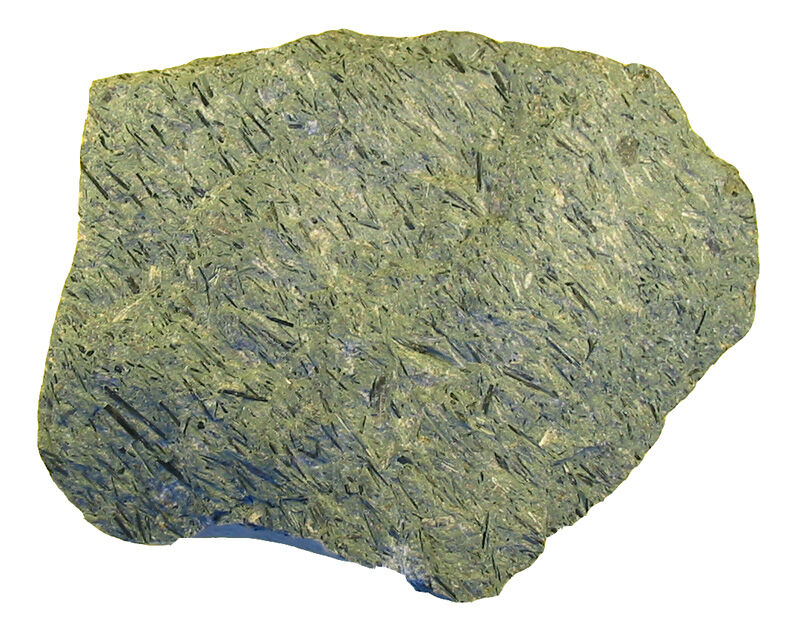 AegirineNaFe3+Si2O6Mineral—
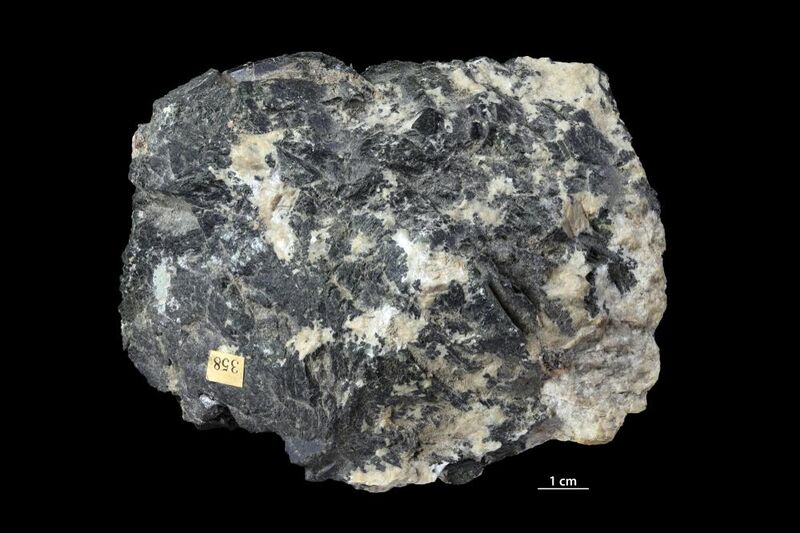 Aegirine-augite(Ca,Na)(Fe3+,Mg,Fe2+)Si2O6Mineral—
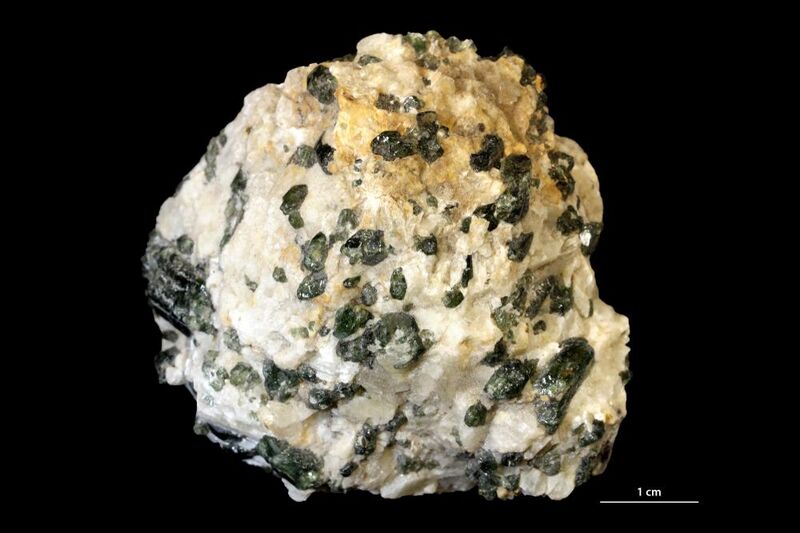 Augite(Ca,Mg,Fe)2Si2O6Mineral—
- BurnettiteCaVAlSiO6Mineral—
- ClinoenstatiteMg2Si2O6Mineral—
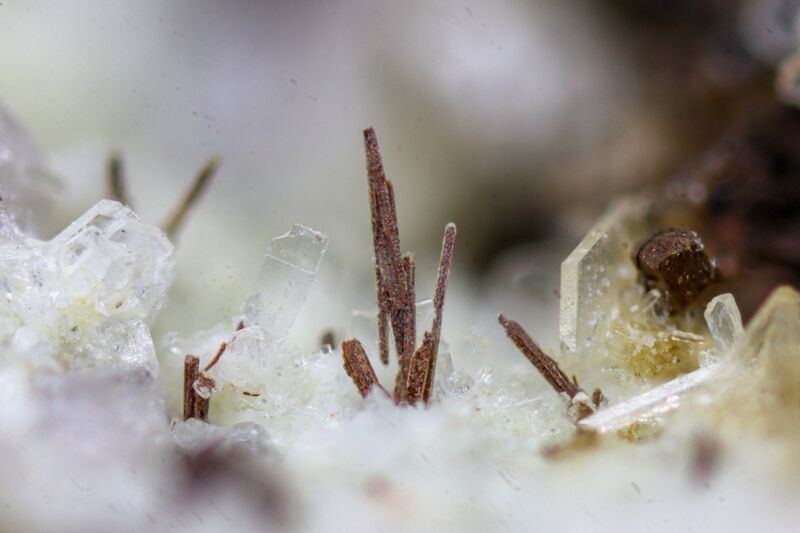 ClinoferrosiliteFe2+2Si2O6Mineral—
- ColomeraiteNaTi3+Si2O6Mineral—
- DavisiteCaScAlSiO6Mineral—
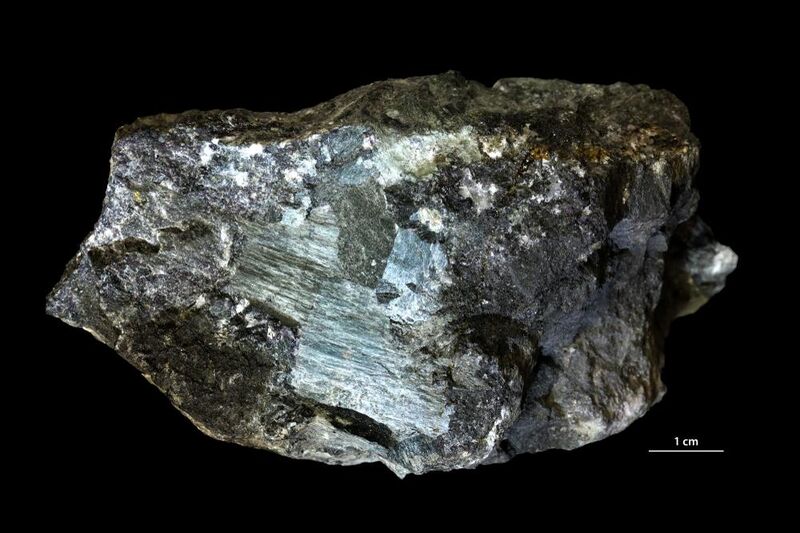 DiopsideCaMgSi2O6Mineral—
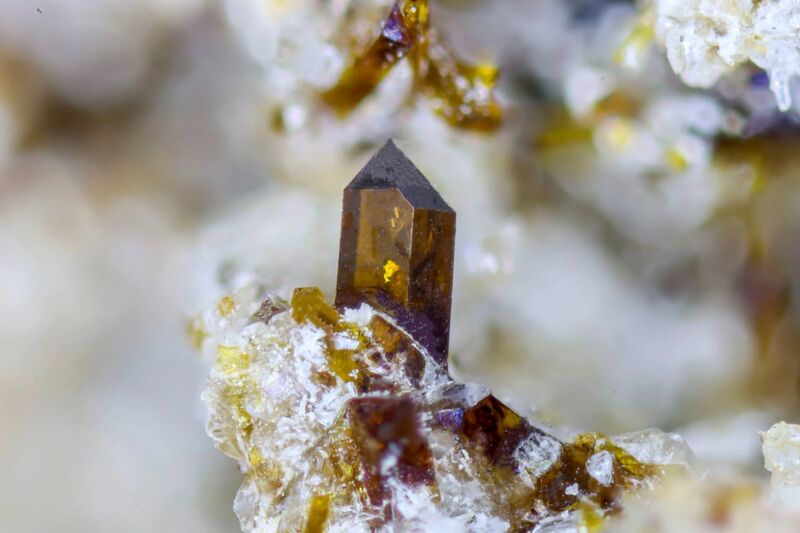 EsseneiteCaFe3+AlSiO6Mineral—
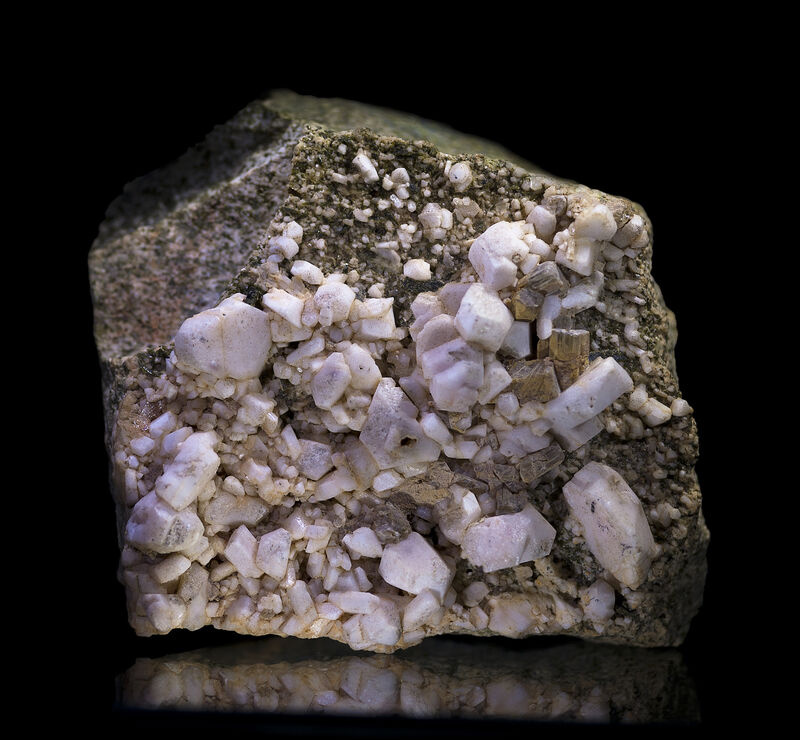
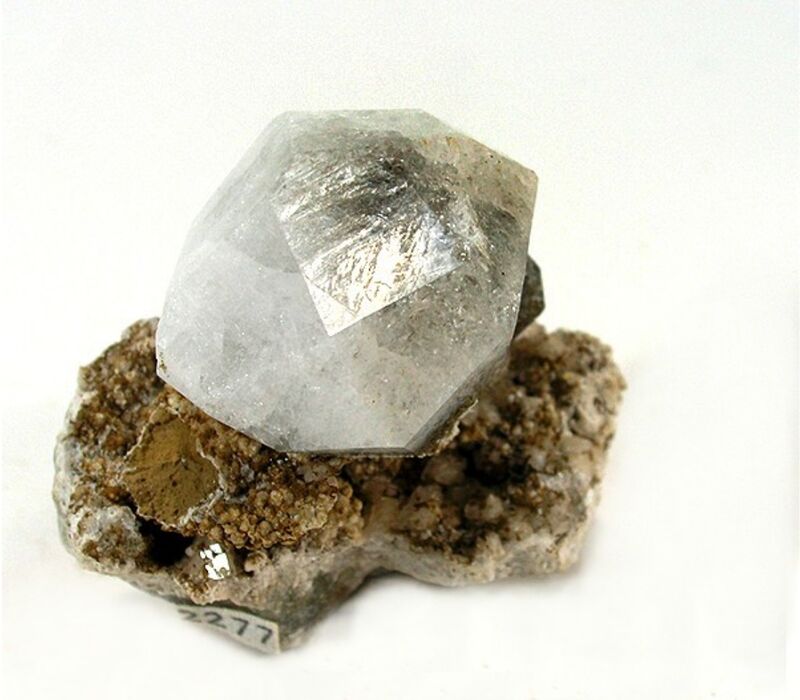
Literature, links & citation
- 1950Yoder, H. S. (1950) The jadeite problem, part I. American Journal of Science, 248 (4) 225-248 doi:10.2475/ajs.248.4.225DOI: 10.2475/ajs.248.4.225
- 1950Yoder, H. S. (1950) The jadeite problem; Part II. American Journal of Science, 248 (5) 312-334 doi:10.2475/ajs.248.5.312DOI: 10.2475/ajs.248.5.312
- 1953Adams, L. H. (1953) A note on the stability of jadeite. American Journal of Science, 251 (4) 299-308 doi:10.2475/ajs.251.4.299DOI: 10.2475/ajs.251.4.299
- 1955Wolfe, C. W. (1955) Crystallography of jadeite crystals from near Cloverdale, California. American Mineralogist, 40 (3-4) 248-260
- 1955de Roever, W. P. (1955) Genesis of jadeite by low-grade metamorphism. American Journal of Science, 253 (5). 283-298 doi:10.2475/ajs.253.5.283DOI: 10.2475/ajs.253.5.283
Entry last updated
@misc{mineral2026,
  author    = {Mineral Index editorial board},
  title     = {Jadeite — Mineral Index},
  year      = {2026},
  url       = {https://mineralindex.org/minerals/jadeite-2062}
}